Pevita Pearce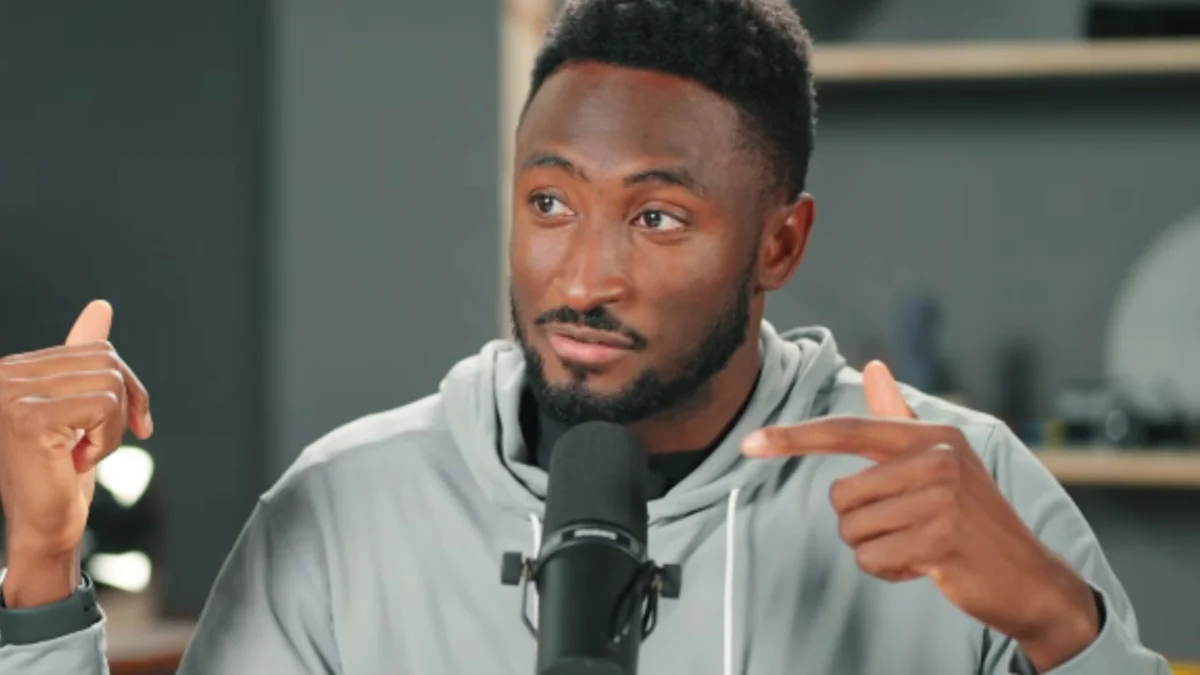
YouTube, the world’s preeminent video-sharing platform, is poised to introduce a transformative feature that could fundamentally alter the relationship between creators and their audiences: in-video A/B testing. While the platform has long permitted creators to experiment with thumbnails and titles to optimize click-through rates, the new proposal extends this capability to the actual content of the videos themselves. This shift, however, has triggered a wave of skepticism from industry leaders, most notably Marques Brownlee (MKBHD), who warns that the technical and sociological implications of such a feature may be more disruptive than beneficial.
The Evolution of YouTube’s Testing Suite
For years, YouTube has provided a sandbox for creators to iterate on their packaging. By allowing for multiple variations of a video’s title or thumbnail, the platform has empowered creators to lean into data-driven decision-making. This practice, while controversial among some viewers who feel it can lead to "clickbait" cycles, is widely accepted as a standard tool for digital growth.
However, the proposed expansion—allowing creators to upload multiple "cuts" or versions of the same video—represents a significant leap in complexity. The intent is clear: to maximize viewer retention and satisfaction by testing different pacing, editing styles, or even narrative structures. If a creator finds that a video with a shorter intro retains 15% more viewers than the long-form version, the logic follows that the platform would prioritize the high-performing version for the majority of the audience. While this promises to be a powerful tool for optimization, it raises critical questions about the stability of the content ecosystem.
Chronology of a Growing Divide
The friction between YouTube’s push for algorithmic perfection and the creative community’s desire for consistency has been building for some time.
- Pre-2024: YouTube solidified its position as a data-heavy platform, encouraging creators to rely on analytics to dictate creative choices.
- August 2026: Marques Brownlee, in a public discourse regarding his hypothetical tenure as YouTube CEO, explicitly criticized the current reliance on title and thumbnail A/B testing. He noted that changing these elements post-publication makes it difficult for viewers to recognize content they have already seen or intended to revisit.
- September 2026: YouTube officially signaled its intent to expand A/B testing capabilities into the video file itself.
- Late September 2026: Following the announcement, Brownlee took to social media, marking the start of a public debate. He stated, "The more I think about it… the less I like it," citing a lack of transparency and potential breakage of the viewer experience.
The MKBHD Critique: A Skeptical Lens
Marques Brownlee’s critique is rooted in the "viewer-first" philosophy that has defined his career. His concerns can be categorized into three distinct pillars: technical integrity, transparency, and the potential erosion of community discourse.
The Problem of Timestamp Fragmentation
One of the most immediate concerns raised by Brownlee involves the comment section. YouTube’s comment culture relies heavily on timestamps—clickable links that direct users to specific moments in a video. If a creator uploads two different cuts of a video—perhaps one where a product reveal happens at the 5:00 mark and another where it occurs at the 5:30 mark—a comment referencing the 5:00 mark becomes nonsensical to a viewer watching the alternative version.
"If someone’s comment has timestamps, do they break if I’m seeing the other version of the video?" Brownlee asked. This is not merely a cosmetic issue; it threatens to disintegrate the "watercooler" effect that makes YouTube a social experience. If viewers are participating in different realities of the same video, the communal aspect of reading and interacting with comments loses its cohesion.
The Transparency Deficit
Brownlee also questioned the disclosure process. Does the viewer have a right to know they are being treated as a data point in a psychological or engagement-based experiment? Currently, the platform has not outlined a mechanism to notify users that they are watching an "experimental cut." For many, this feels like an intrusion of the laboratory into the living room. If a creator alters the tone or the factual framing of a video through different edits, the audience is no longer consuming the same piece of media, yet they are interacting under the assumption that they are.
Implications for the Creative Landscape
The shift toward granular A/B testing has profound implications for how content is produced and consumed.
The Death of the "Definitive" Video
Historically, a video was a static artifact—a fixed piece of media that the creator released to the world. If there were errors or shifts in tone, they were permanent. A/B testing turns the video into a living, fluid entity. While this benefits the creator’s metrics, it potentially degrades the archive value of content. If a video is constantly evolving based on what "works" best, the original vision of the creator may be lost in favor of the version that keeps the audience watching for an extra thirty seconds.
Professionalization vs. Over-Optimization
The tools also raise questions about the divide between high-budget production and independent content. Large channels with dedicated editing teams will likely master this feature quickly, further distancing themselves from smaller creators who lack the resources to produce multiple versions of every video. This could lead to a "homogenization of content," where creators start to edit their videos to satisfy the specific metrics that the algorithm favors, rather than following a creative instinct.
The Algorithmic Feedback Loop
There is a legitimate fear that this feature will force creators into a permanent state of testing. If a creator knows they can test, they may feel they must test to remain competitive. This creates a feedback loop where the algorithm dictates the pacing, structure, and length of videos, stripping away the idiosyncrasies that often make YouTube creators unique.
Official Stance and Future Hurdles
YouTube has maintained that its goal is to empower creators and improve the viewer experience. By giving creators the ability to see what resonates, the platform argues that creators can produce more engaging content that satisfies the audience’s interests. However, the company has yet to release a detailed white paper or technical roadmap explaining how they intend to mitigate the "timestamp breakage" or the "community fragmentation" issues identified by Brownlee and others.
As of this writing, the feature is in the early stages of rollout. The success of the initiative will likely depend on whether YouTube introduces features to protect the comment section—such as version-aware timestamping—or whether they proceed with a "move fast and break things" approach.
Conclusion: A Turning Point for the Platform
The introduction of in-video A/B testing is perhaps the most significant structural change to the YouTube viewing experience in the last decade. It marks a move away from the platform as a library of static content toward the platform as a dynamic, data-driven laboratory.
While the appeal for creators is obvious—more views, higher retention, and a clearer understanding of audience behavior—the cost may be the degradation of the platform’s social and archival integrity. Marques Brownlee’s skepticism serves as a necessary check on this transition. As he noted, he does not oppose progress, but he fears that by turning the actual content into a variable, YouTube may be sacrificing the very human element that made the platform the cultural force it is today.
The industry will be watching closely as these features roll out. Whether this leads to a new golden age of optimized storytelling or a fragmented experience that alienates the core user base remains to be seen. What is certain, however, is that the era of the "fixed" video is drawing to a close.

 Lina Hope
 Raul Delapena Setiawan