Asep Darmawan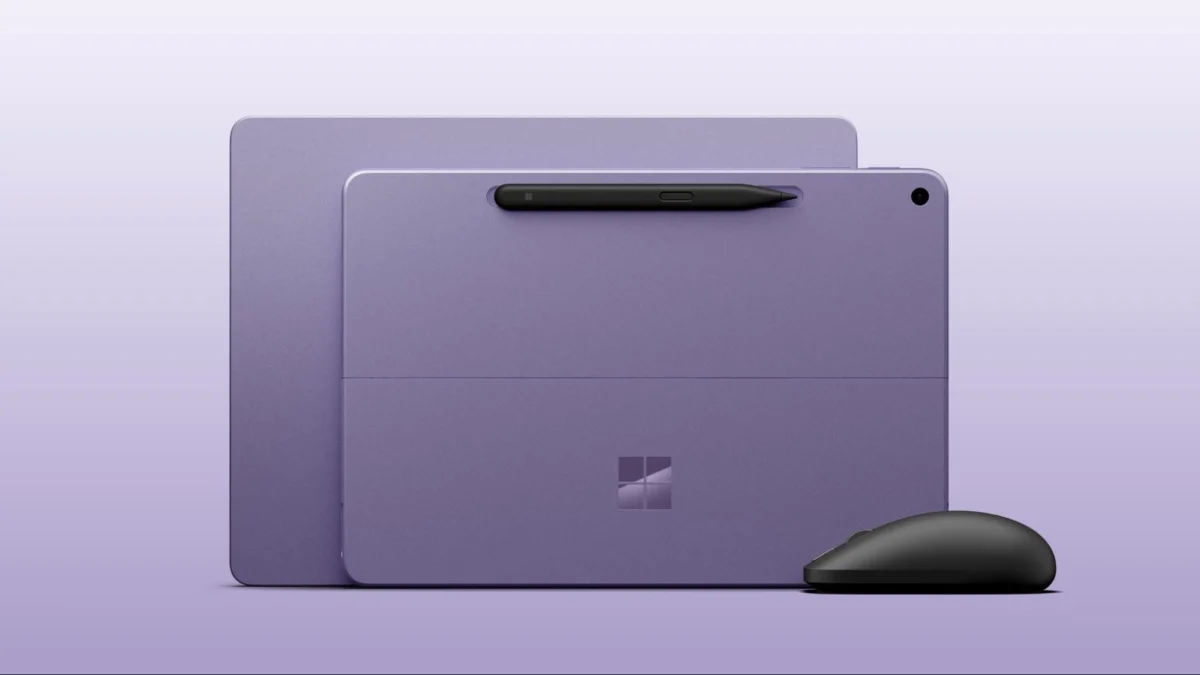
In a strategic pivot timed to coincide with Qualcomm’s highly anticipated Snapdragon Summit, Microsoft has officially unveiled refreshed versions of its entry-level portable computing staples: the 13-inch Surface Laptop and the 12-inch Surface Pro. These updates represent more than a mere incremental hardware refresh; they signal a deep-seated commitment to the ARM-based Windows ecosystem, pushing the boundaries of on-device artificial intelligence and efficiency. However, this leap in capability comes with a significant premium, as Microsoft has repositioned these devices with pricing structures that depart sharply from their predecessors.
The Core Upgrade: Snapdragon X2 Plus and the 80 TOPS NPU
The centerpiece of these new iterations is the integration of the Qualcomm Snapdragon X2 Plus processor. By moving from the first-generation Snapdragon X Plus to this second-generation silicon, Microsoft is betting heavily on the maturation of the Windows-on-ARM platform.
The most critical specification in this new chipset is the Neural Processing Unit (NPU), which now boasts a staggering 80 TOPS (Trillions of Operations Per Second). This is a substantial leap over the 45 TOPS offered by the previous generation. In the current landscape of “AI PCs,” where Microsoft’s Copilot+ integration is the primary differentiator, this NPU headroom is designed to ensure that local generative AI tasks—ranging from real-time transcription and advanced image generation to background noise suppression and sophisticated video conferencing effects—are handled with minimal latency and reduced power consumption.
By shifting the burden of AI processing from the cloud to the silicon inside the chassis, Microsoft aims to address one of the primary concerns of enterprise and power users: privacy and offline reliability. With 80 TOPS on tap, the Surface Laptop and Surface Pro are effectively positioned to handle future-proof AI workloads that software developers are only just beginning to conceptualize.
A Chronology of the Surface Evolution
To understand the weight of this announcement, one must look back at the trajectory of Microsoft’s hardware division.
- The Early Ambitions: Microsoft’s journey with ARM-based chips began with the ill-fated Surface RT, a device that struggled due to a lack of application compatibility.
- The Pro Evolution: The Surface Pro series carved out a niche as the gold standard for "2-in-1" devices, consistently iterating on the kickstand design and the detachable keyboard.
- The Snapdragon Pivot (2024): Earlier this year, Microsoft launched the first wave of Snapdragon X Plus-powered Surface devices. These models were widely praised for their battery life and thermal efficiency but faced skepticism regarding application emulation speed.
- The Current Announcement (September 2026): By announcing the X2 Plus models at the Snapdragon Summit, Microsoft is signaling a tighter-than-ever partnership with Qualcomm, positioning these devices as the flagship vessels for the next evolution of Windows 11.
- Market Availability: The devices are scheduled for a global retail release on October 13, 2026, setting the stage for a critical Q4 performance period for the company.
Pricing Realities: A Substantial Shift in Market Positioning
Perhaps the most contentious aspect of this launch is the pricing strategy. Microsoft has effectively abandoned the "budget-friendly" entry point that defined the previous generation of these devices.
When the initial Snapdragon X Plus models debuted, the Surface Laptop started at $899, and the Surface Pro began at $799. These price points were accessible to students and entry-level professionals. The new models, however, launch at $1,199 for the 13-inch Surface Laptop and $1,149 for the 12-inch Surface Pro.
This represents an increase of $300 and $350 respectively. Analysts suggest that this price hike reflects several factors:
- Rising Component Costs: The 80 TOPS NPU and the more advanced X2 architecture command higher wafer costs from TSMC and Qualcomm.
- Premium Positioning: Microsoft appears to be distancing its hardware from the "budget" tier, perhaps leaving that segment to third-party Windows partners, while focusing the Surface brand on a premium, AI-centric experience.
- Component Inflation: From display technology to high-speed storage, the baseline configuration for these devices has been upgraded to match modern performance expectations, necessitating a higher MSRP.
Supporting Data: Performance and Efficiency Benchmarks
While full third-party reviews are pending the October 13 launch, the architectural shifts in the Snapdragon X2 Plus provide significant data points for what users can expect.
The transition to the X2 Plus architecture utilizes a more refined process node, which translates to better sustained performance under heavy multi-threaded loads. In previous benchmarks, the Snapdragon X series demonstrated an ability to compete directly with Apple’s M-series silicon in terms of power-per-watt—a metric that has long been the Achilles’ heel of Windows laptops.
Furthermore, the 80 TOPS NPU is not just a marketing figure. It meets the hardware requirements for the most demanding tiers of "Copilot+ PC" certification. For users, this means the ability to run "Recall" features, advanced "Studio Effects," and local Large Language Models (LLMs) without the stuttering or heat generation associated with relying solely on the CPU or GPU for those tasks.
Battery life remains the silent hero of this architecture. Because the NPU handles AI tasks with significantly higher efficiency than the main processor cores, users can expect to see an improvement in "real-world" battery longevity, particularly for professionals who spend a significant portion of their day in virtual meetings using AI-enhanced background blur and eye-contact correction.
Official Responses and Strategic Intent
In its official blog post, Microsoft emphasized that the new hardware is designed to "bridge the gap between mobile flexibility and desktop-class intelligence." The company’s messaging highlights a transition from viewing PCs as mere tools for input to viewing them as "intelligent collaborators."
"With the Snapdragon X2 Plus, we aren’t just increasing clock speeds," a Microsoft spokesperson noted. "We are providing the foundation for a new way of interacting with software. By baking 80 TOPS of AI processing directly into the Surface experience, we are ensuring that the user’s device is not just a window to the web, but a localized engine for creativity and productivity."
Industry analysts have interpreted this move as a clear signal that Microsoft is no longer trying to beat its competitors on price. Instead, they are attempting to define the "premium AI PC" category, forcing consumers to decide if the convenience of on-device AI is worth a significant increase in capital expenditure.
Implications for the Industry
The launch of these Surface devices will have a ripple effect across the entire PC industry:
1. The Death of the "Budget" ARM Laptop?
By pricing the new Surface line above $1,100, Microsoft has created a vacuum in the sub-$900 ARM laptop market. It is highly probable that partners like ASUS, Acer, and HP will fill this void with devices using older, lower-tier Snapdragon chips. However, the prestige of the Surface brand may no longer be synonymous with entry-level accessibility.
2. The AI Arms Race
The 80 TOPS NPU sets a new floor for the industry. Any manufacturer hoping to compete in the "Copilot+ PC" space will now face pressure to match this performance. This will accelerate the integration of specialized AI silicon across the entire Windows ecosystem, effectively standardizing the NPU as a mandatory component for any laptop that wants to be considered "modern."
3. Developer Adoption
For developers, the move is a double-edged sword. On one hand, having a high-performance, standardized NPU makes it easier to write code that leverages AI acceleration. On the other hand, the higher cost of these devices could limit the user base, potentially slowing the adoption of AI-heavy applications among budget-conscious consumers.
4. The Windows-on-ARM Maturity
The 2026 Surface lineup is a testament to how far Windows-on-ARM has come. With the majority of major productivity suites now optimized for ARM64 and the emulation layer (Prism) performing at near-native speeds, the compatibility argument that once plagued these devices is rapidly evaporating. Microsoft is now banking on the idea that the hardware is ready, the software is ready, and the only remaining hurdle is consumer perception.
Conclusion: A High-Stakes Bet
Microsoft’s latest Surface Laptop and Surface Pro are bold, expensive, and technically impressive. By pairing the Snapdragon X2 Plus with an 80 TOPS NPU, the company is betting that the average user will perceive enough value in on-device AI to justify a $300+ price increase.
For the consumer, the choice on October 13 will be clear: buy into the high-end, AI-optimized future of the Surface brand, or seek out the legacy of the previous generation while it remains on shelves. As the industry watches this release, it will be the litmus test for whether the "AI PC" concept is a genuine paradigm shift or a marketing evolution that has yet to justify its premium cost. Regardless, the Surface line has firmly planted its flag in the future of silicon, and it is a future that is distinctly ARM-powered and AI-driven.

 Ali Ikhwan