

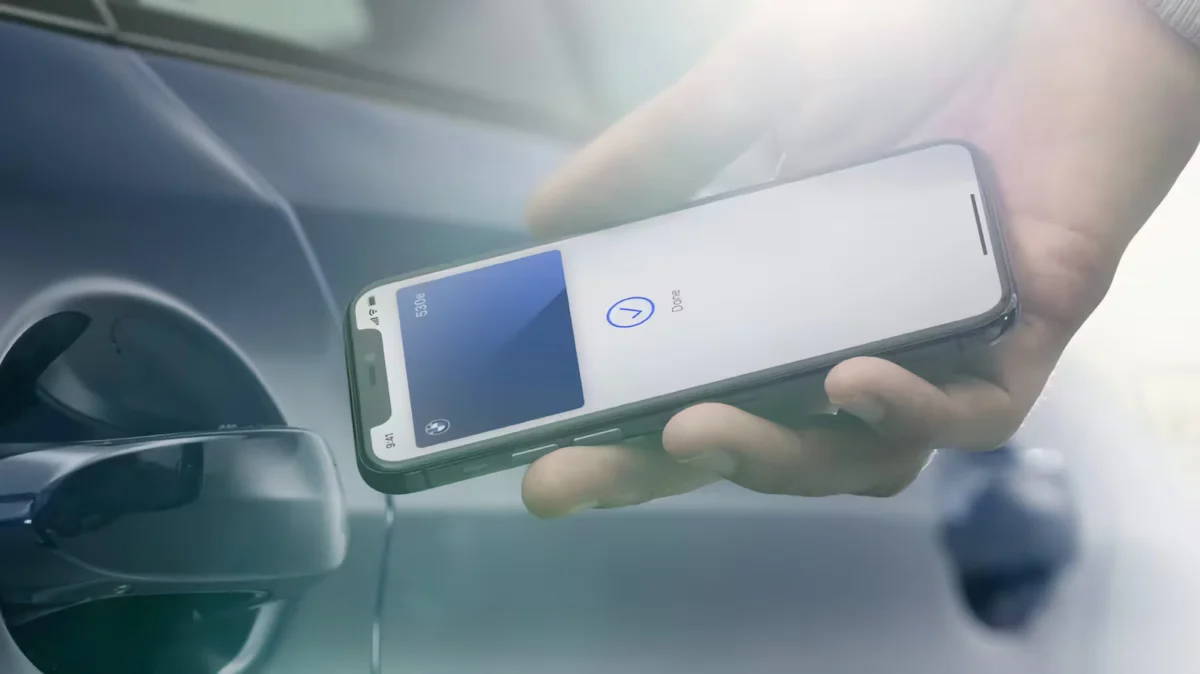
The days of fumbling for a physical key fob or digging through a bag to find your car keys are rapidly coming to an end. Much like the revolution in payment technology triggered by Apple Pay, the integration of digital keys into the Apple Wallet ecosystem is transforming the way we interact with our vehicles. By leveraging the same secure Near Field Communication (NFC) and Ultra-Wideband (UWB) technologies that power our daily transactions, Apple has effectively turned the iPhone—and the Apple Watch—into a sophisticated, secure automotive access device.
For many drivers, the concept of a "digital key" remains shrouded in mystery. Is it safe? Does it work if the phone battery dies? Which vehicles actually support it? This guide explores the mechanics, history, and practical implications of replacing your keychain with your smartphone.
The Core Mechanics: How Digital Keys Operate
At its simplest level, Apple’s CarKey feature acts as a secure, digital proxy for your traditional physical fob. The technology relies on two primary wireless protocols:
- NFC (Near Field Communication): This is the same technology used for contactless payments. By holding your iPhone or Apple Watch near the vehicle’s door handle or NFC reader, a secure handshake occurs, authorizing the vehicle to unlock.
- Ultra-Wideband (UWB) and Bluetooth: For a more seamless "passive entry" experience, Apple utilizes its U1 chip. When enabled, this allows the car to detect your proximity. As you approach, the car automatically unlocks; as you walk away, it locks. This requires no physical contact between your device and the vehicle.
Once paired, a cryptographic "digital key" is stored in the device’s Secure Element—the same hardware partition that protects your credit card information. Because of this, even if your phone is compromised, your car key remains protected by the same high-level encryption standards required by financial institutions.
A Chronological Evolution: From Niche Feature to Industry Standard
The journey of Apple’s digital car keys has been one of gradual expansion and increasing refinement.
- 2020: The Genesis (iOS 14): Apple introduced the CarKey API with the launch of iOS 14. Initially, the feature was highly exclusive, launching with limited support for select BMW models. At this stage, it was viewed primarily as a proof-of-concept for the automotive industry.
- 2021-2022: The Shift to Ultra-Wideband: Recognizing that users wanted convenience without interaction, Apple introduced support for passive entry using the U1 chip. This moved the technology from a "tap-to-unlock" model to a "walk-up-and-go" model, drastically improving user experience.
- 2023-Present: Industry Adoption: Following the success of the initial implementations, major manufacturers—including Hyundai, Kia, Genesis, and Rivian—began rolling out native support. The industry shifted from viewing this as a luxury tech add-on to a standard convenience feature for modern, connected vehicles.
Hardware and Compatibility: Are You Ready?
The barrier to entry for Apple’s digital key system is relatively low, provided you have a relatively modern device. To utilize this feature, you generally need an iPhone XS or newer (or an iPhone SE 2nd generation or later). Additionally, the device must be running a recent version of iOS.
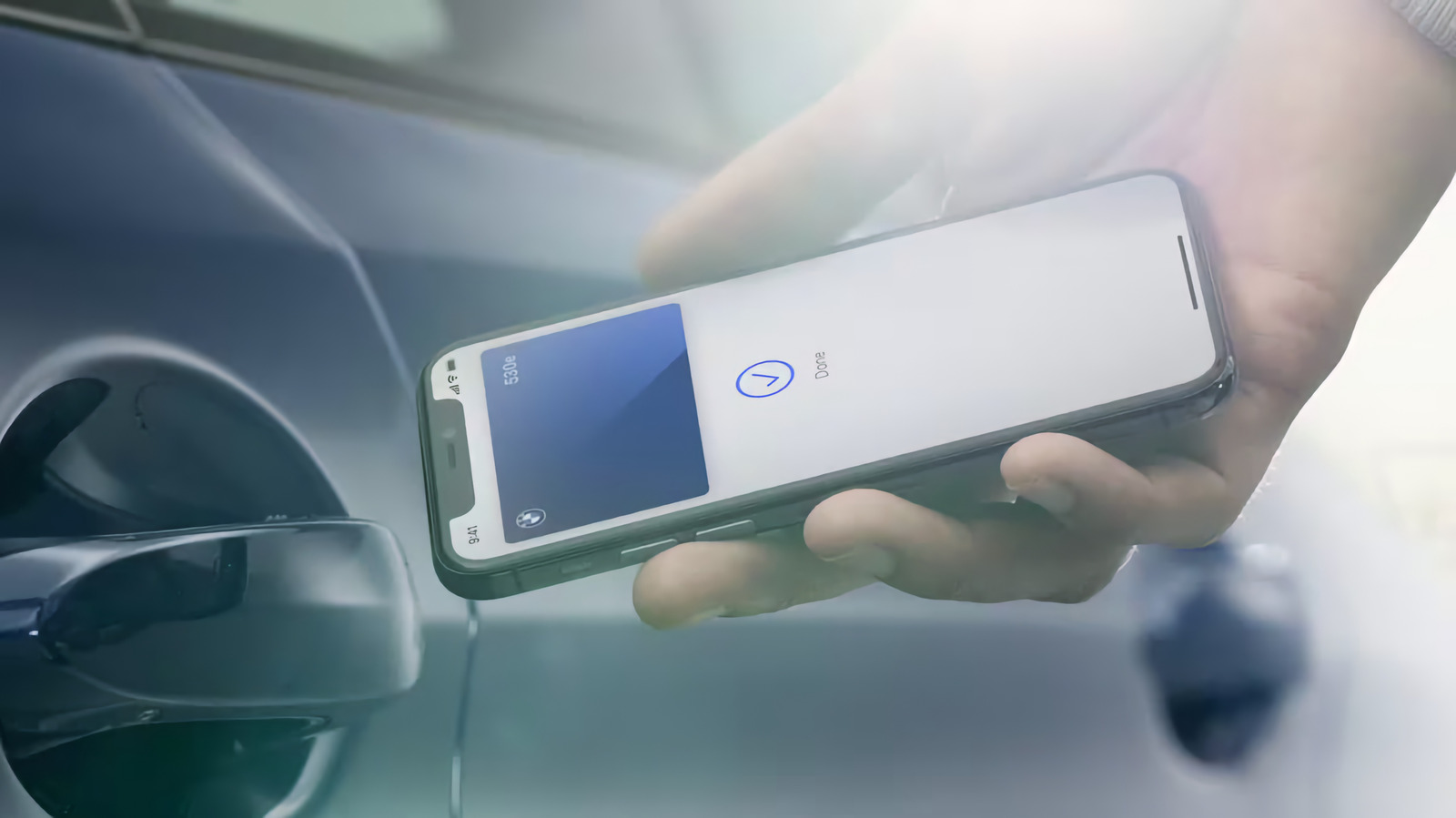
For the vehicles themselves, compatibility is not universal. Because the technology requires specific hardware sensors in the door handles and steering column, it cannot be added to older vehicles via software updates. Currently, the list of supported brands is growing, but it is highly model-dependent.
Brands currently offering or expanding support include:
- BMW: The pioneer of the platform, with support spanning most modern 5 Series, X5, and M models.
- Hyundai & Kia: Particularly in their electric and high-end lineups (such as the Ioniq 5 and 6).
- Genesis: The luxury arm of Hyundai has aggressively adopted digital key tech.
- Rivian: The R1T and R1S were among the first all-electric platforms to offer deep integration with Apple’s Wallet.
Note: As Apple does not maintain a master list of specific models, users are encouraged to consult their vehicle manufacturer’s official support documentation or the "CarPlay Available Models" page on Apple’s website.
Setting Up Your Digital Key: A Step-by-Step Approach
The setup process varies significantly by manufacturer, but the fundamental workflow follows a standardized path.
1. The Initiation
In most cases, you will start the process through the car manufacturer’s official app. You will need to create an account with the automaker and pair your vehicle to that app. Once the vehicle is registered, look for a "Digital Key" or "Apple Wallet" button within the app settings.
2. Wallet Integration
Once the manufacturer’s app triggers the setup, you will be redirected to the Apple Wallet app. You will see a prompt to "Add Car Key." Tapping "Continue" will bind the cryptographic key to your iPhone’s Secure Element.
3. Enabling Express Mode
This is a critical step for maximum convenience. When "Express Mode" is enabled, you do not need to wake your phone or use FaceID to unlock the car. The device communicates in the background, allowing for true hands-free operation.
4. Key Sharing
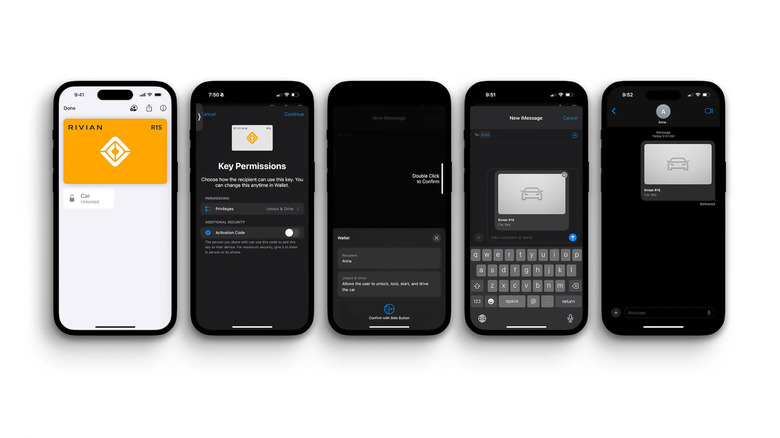
One of the most powerful aspects of this system is the ability to share access. You can send a digital key to a friend or family member via iMessage. You can also define permissions—for example, giving a guest "restricted" access that allows them to unlock the doors but limits the vehicle’s top speed or acceleration.
Safety, Security, and Edge Cases
A common concern among skeptics is the "dead battery" scenario. What happens if your iPhone dies while you are at the grocery store?
Apple has accounted for this with "Power Reserve." For a period of up to five hours after your iPhone shuts down due to a low battery, the NFC chip remains powered. This ensures that you are never stranded, provided you have the device on your person.
Furthermore, if your phone is lost or stolen, you maintain full control via the "Find My" network. Marking the device as "Lost" will instantly revoke the digital key’s authorization, rendering it useless to anyone who might find the phone. Even if the device is offline, the revocation is tied to the Apple ID, providing a robust security layer that physical keys simply cannot match.
Implications for the Future of Automotive Design
The move toward digital keys is symptomatic of a broader shift in automotive engineering: the transition from "mechanical machines" to "software-defined vehicles."
The Death of the Fob
As digital keys become the norm, we can expect the physical key fob—a bulky, expensive, and fragile piece of hardware—to become obsolete. This reduces production costs for manufacturers and eliminates the nuisance of replacing lost or broken fobs, which can cost hundreds of dollars at dealerships.
Personalized Profiles
Because the car can identify exactly which iPhone is unlocking the vehicle, it can automatically load the driver’s profile before they even sit down. This includes seat adjustments, mirror positions, preferred radio stations, and climate control settings. The car effectively "knows" who is entering, creating a highly personalized experience.
Fleet Management
For families or companies with multiple drivers, the digital key simplifies management. You can instantly revoke access for a teenager or a temporary employee without having to collect a physical key. This level of granular control is the future of vehicle ownership.
Final Considerations: The "Keep the Backup" Rule
While the technology is remarkably stable, it is not infallible. Software glitches, server-side outages at the manufacturer level, or rare hardware failures can occur. For this reason, all automotive experts—and Apple itself—strongly recommend that you keep your physical key card or backup fob in a safe location.
The transition to digital is not just about convenience; it is about integration. As we move deeper into an era where our smartphones act as the primary interface for our homes, our payments, and our vehicles, the digital car key is a vital component of the modern connected lifestyle. It represents a rare instance where high-tech innovation directly improves a daily, mundane task, proving that even our oldest habits are subject to the transformative power of the smartphone.











