Jia Lissa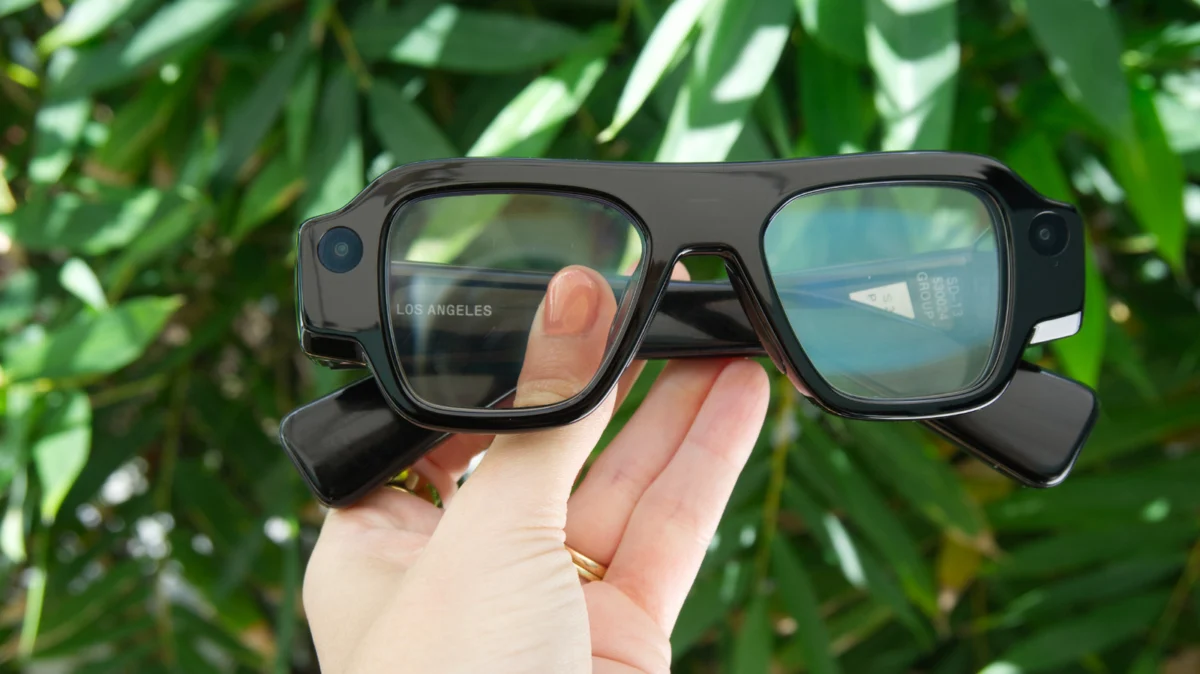
In a significant pivot for a company historically defined by ephemeral social media and augmented reality (AR) filters, Snap Inc. has officially entered the high-stakes arena of proactive artificial intelligence. With the announcement of Specs Intelligence, the developer of Snapchat is signaling a departure from reactive, feature-based AI toward a more integrated, "anticipatory" model.
While the tech industry has been locked in a race to build the ultimate digital assistant—exemplified by OpenAI’s models, Google’s Gemini, and Meta’s growing suite of AI agents—Snap has largely remained on the periphery. That changes today. Specs Intelligence is not merely a chatbot; it is designed to be a contextual bridge between a user’s digital life and their physical surroundings, operating across Snap’s new AR hardware, desktop environments, and mobile platforms.
The Core Concept: What is Specs Intelligence?
At its heart, Specs Intelligence is an "anticipatory AI service." Unlike traditional voice assistants that wait for a specific command before performing a singular task, Snap is positioning this technology as a proactive layer of awareness. By integrating with the user’s digital ecosystem—including Google accounts, calendar services, and professional toolsets—the system builds an ongoing understanding of the user’s routines, goals, and professional priorities.
The service organizes information into logical "corners," a design choice aimed at reducing cognitive load. For instance, the assistant can intelligently silo family-related tasks from high-pressure work deadlines, ensuring that the information surfaced is relevant to the specific context of the user’s current activity.
A Departure from Snapchat’s Roots
For years, Snap’s AI initiatives were limited to the playful: generative lenses, AI-powered image editing, and simple chatbot functionality within the Snapchat app. Specs Intelligence represents a pivot toward productivity. By focusing on utility—highlighting meeting talking points, surfacing travel itineraries, or providing reminders before critical events—Snap is effectively attempting to rebrand its hardware as an essential tool for the modern professional rather than just a toy for content creators.
Chronology: The Road to Proactive AI
Snap’s journey to this announcement has been iterative, marked by a cautious approach to hardware and a deliberate focus on privacy.
- 2016 – The Origin: Snap launches Spectacles, establishing the company as a hardware-first innovator in the wearable space.
- 2021 – The AR Pivot: The company unveils the next generation of Spectacles, moving beyond simple cameras toward true AR overlays, laying the groundwork for spatial computing.
- 2023 – Generative Integration: Snap begins deploying generative AI features within the Snapchat app, testing user appetite for creative, automated content.
- Late 2024 – The Meta Comparison: Following Meta’s "Muse" announcement, which showcased an agent capable of complex task delegation, the industry expectation for AI shifted from "chat" to "agency."
- Present Day: Snap announces the Specs Intelligence service, a standalone AI layer that functions independently of the Snapchat social network, focusing on deep integration with external data sources.
Technical Implications: How It Works
Specs Intelligence operates on a principle of "connected context." Users grant the service permission to interface with their existing productivity tools. Once connected, the AI analyzes the metadata of the user’s commitments.
The Hardware-Software Synergy
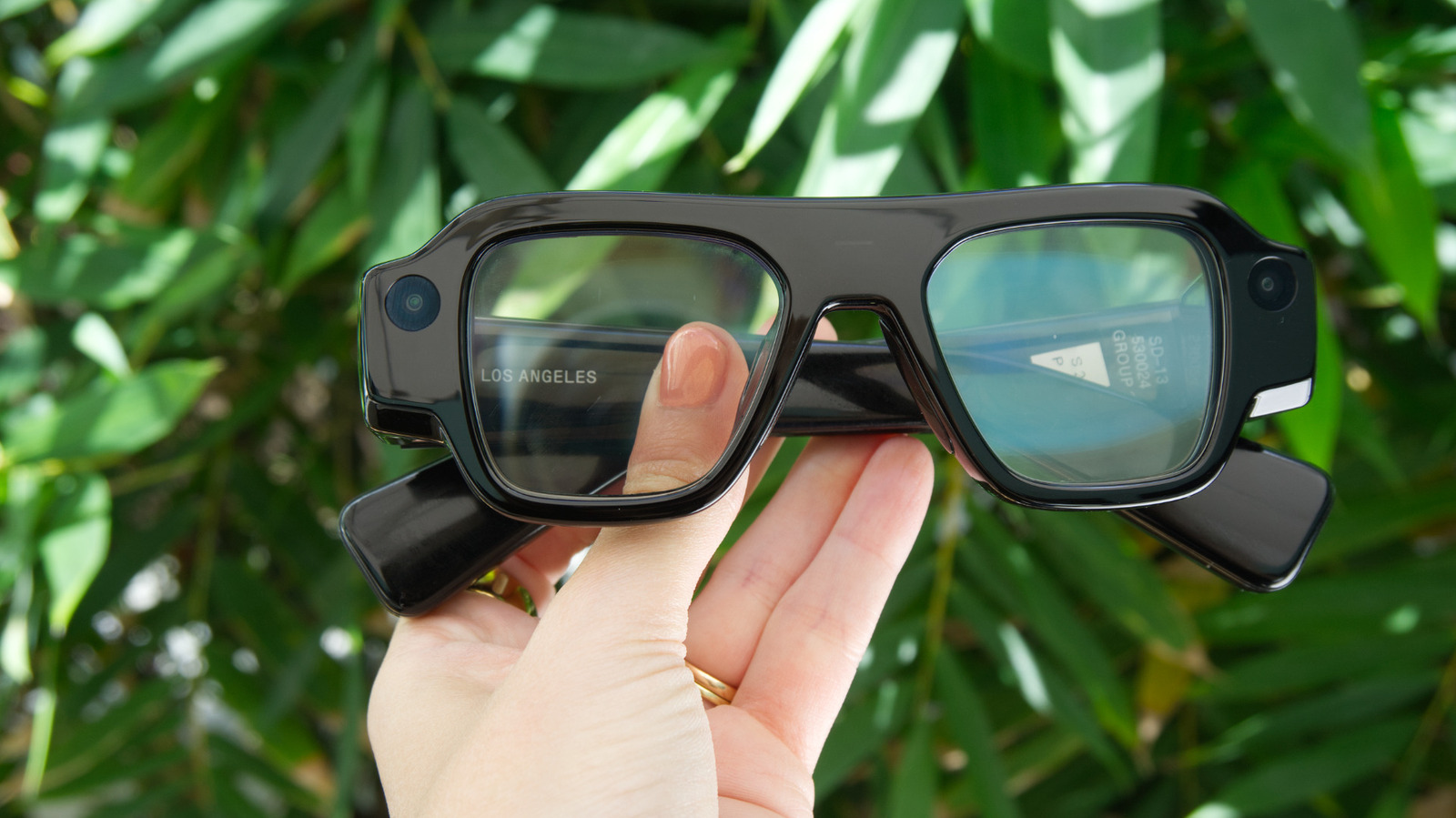
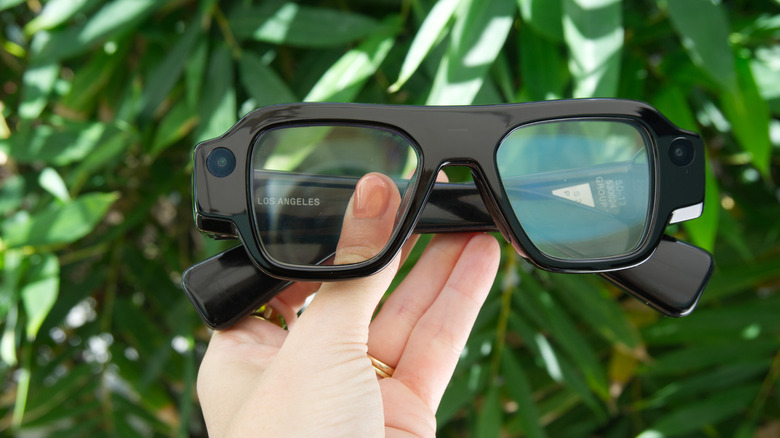
While the service is available via desktop and mobile apps, its true potential is realized through Snap’s AR Specs. When worn, the AI provides information directly into the user’s field of view. Using the wake word "Hey Specs," users can query the assistant regarding their current context. During early demonstrations, the glasses showed an ability to launch browser windows and surface information without requiring a handheld device, mirroring the "heads-up" utility Meta has sought to achieve with its own Ray-Ban smart glasses partnership.
Data Management and Privacy
Perhaps the most significant aspect of the launch is Snap’s preemptive strike against the privacy concerns that have plagued other AI hardware developers. In a clear attempt to differentiate itself from competitors like Meta, Snap has issued a set of strict guidelines:
- No Training: Snap explicitly states that user data will not be used to train its base AI models.
- No Advertising: The assistant will not be used as a vehicle for targeted ad serving, a significant departure from the business model that sustains the Snapchat app.
- Data Isolation: The company claims that Snap personnel cannot view or access the personal content processed by the service, aiming to build trust among enterprise and privacy-conscious users.
Official Responses and Industry Outlook
The industry response has been one of cautious observation. Snap’s move to make Specs Intelligence a "standalone" service suggests they are worried that the "Snapchat" brand is too deeply associated with youth culture to be taken seriously in a professional or enterprise context.
"Snap is attempting to solve the ‘context problem,’" says one industry analyst. "Most AIs are trapped in a browser tab. By tethering an AI to your calendar, your physical location, and your visual field, Snap is trying to create a true ‘digital twin’ of your daily agenda."
In their official blog post, Snap emphasized the service’s role as an extension of the user’s intent. "Specs Intelligence builds an understanding of your goals, priorities, relationships, and routines," the company stated. This rhetoric mirrors the "Agentic AI" trend, where companies are moving away from LLMs (Large Language Models) toward systems that can act on behalf of the user.
Implications for the Future of Wearables
The introduction of Specs Intelligence suggests that the hardware war is no longer about resolution, field of view, or battery life—it is about utility.
1. The Death of the ‘Smartphone-First’ Era
By creating a dedicated Mac and iOS app that functions independently of the phone, Snap is acknowledging that the future of computing may involve a distributed ecosystem. If a user can manage their calendar and research via glasses and a desktop client, the smartphone may eventually be relegated to a secondary status, serving as a hub rather than an interface.
2. The Productivity-Social Split
Snap’s decision to separate this technology from the main Snapchat app is a calculated business move. Snapchat is high-velocity, high-distraction, and highly social. Productivity tools require focus, reliability, and stability. By decoupling the two, Snap is hedging its bets: if the social app fluctuates in popularity, the company now has a legitimate play in the growing "AI-for-work" market.
3. The Privacy High Ground
By explicitly forbidding the use of personal data for training or advertising, Snap is setting a new standard for wearable hardware. If they can maintain this stance as the platform scales, they may become the preferred choice for enterprise clients who are currently wary of Meta’s data-hungry ecosystem.
Getting Started: The Limited Preview
For those eager to experience this shift, the entry barrier remains high. Snap is launching a limited version of Specs Intelligence in the United States, accessible via the Specs app on iOS.
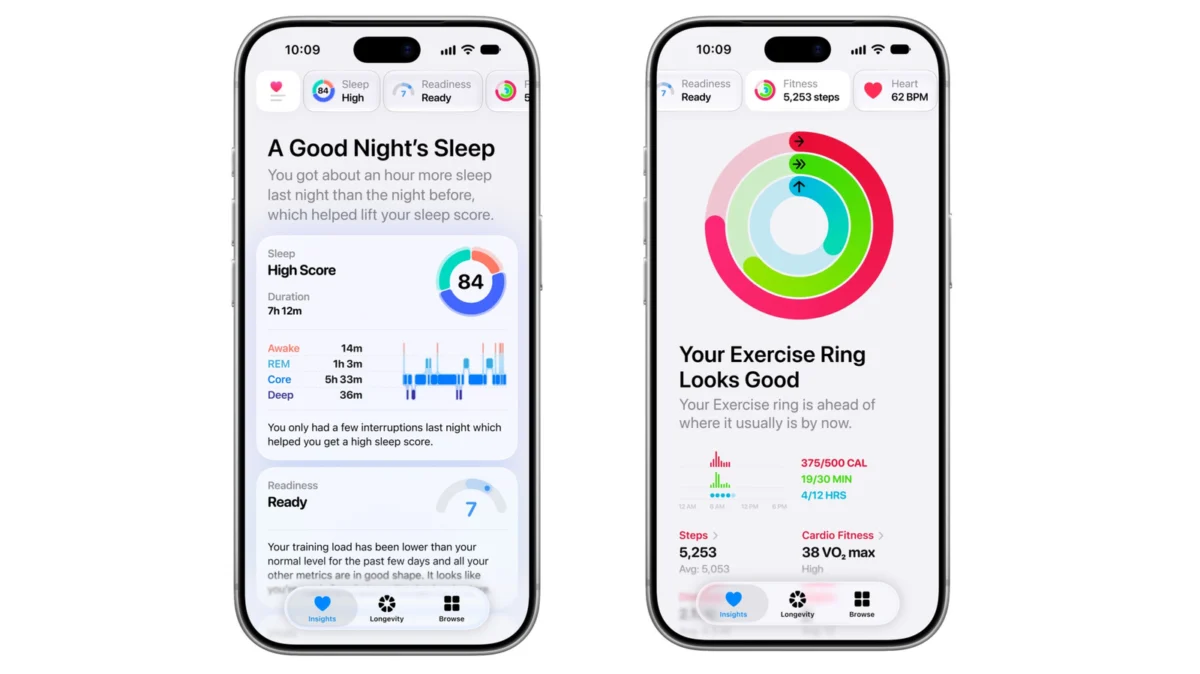
The current version is essentially a data-gathering tool; it allows users to connect their Google accounts to gain "insights" into their time management. The more advanced, proactive features—such as real-time suggestions during meetings—are being reserved for the "full early-access" phase, which is currently invite-only and restricted to the Mac desktop application.
As the waitlist opens, the tech community is watching closely. If Snap can successfully deliver on the promise of an AI that truly understands the user’s context without compromising their privacy, Specs Intelligence could be the key to moving augmented reality from a niche curiosity to a daily necessity. The challenge, however, will be proving that users want their AI to be as integrated into their professional lives as it is currently integrated into their social ones.

 Neng Nana
 Rifan Muazin