

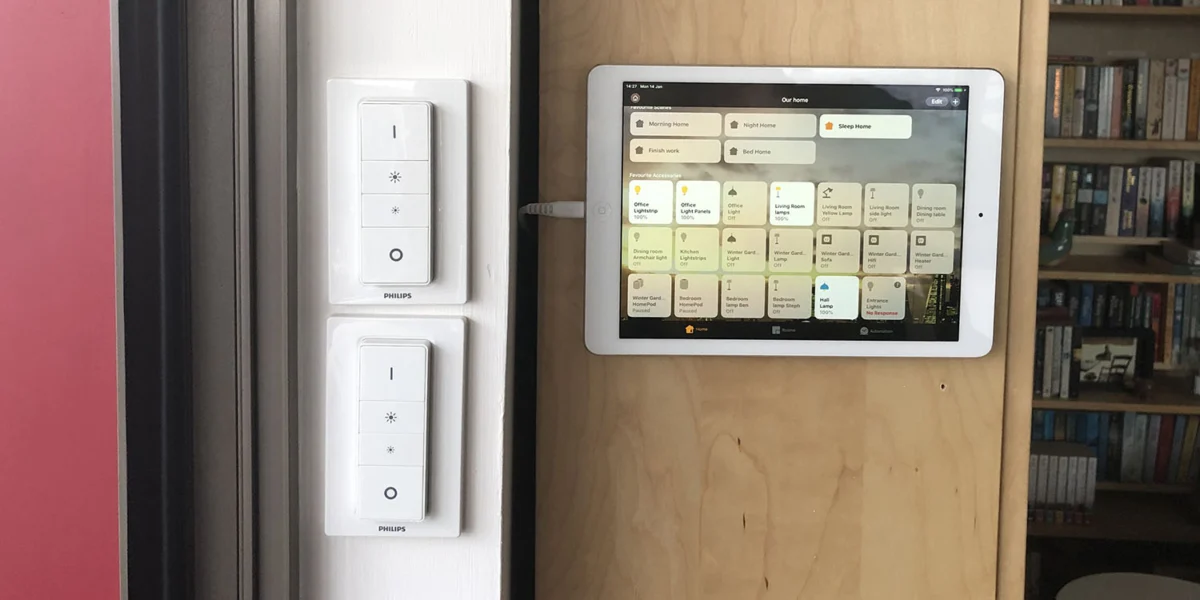
As smart home integration moves from a niche hobby for enthusiasts to a standard feature in modern real estate, a critical friction point has emerged: the inability to transfer administrative "ownership" of an Apple Home ecosystem. While homeowners increasingly market their properties as "smart-ready," the reality of handing over these digital infrastructures is fraught with technical hurdles, privacy concerns, and administrative nightmares.
For the average consumer, selling a home involves transferring keys, legal deeds, and utility accounts. Yet, when it comes to the complex network of HomeKit-enabled devices, blinds, security cameras, and smart locks, the Apple ecosystem remains paradoxically tethered to the original owner’s Apple ID.
The Reality of Smart Home Integration in Real Estate
Real estate professionals remain divided on the value of smart home technology. While some argue that an automated home is a premium selling point, others contend that the complexity can intimidate potential buyers, potentially hindering a sale. However, as the "Internet of Things" (IoT) matures, the baseline expectation for a modern home is shifting.
In a recent personal experience, the transition of a fully automated home to a new owner highlighted a glaring omission in Apple’s Home architecture. While the hardware—lights, sensors, and hubs—remained in place, the digital "brain" of the house was inextricably linked to my personal Apple account. This isn’t just a minor inconvenience; it is a fundamental flaw in the lifecycle management of smart property.

The Chronology of the Handover
The process of vacating a smart home involves more than just packing boxes. The chronology of this specific transition serves as a case study for the current limitations of Apple’s ecosystem:
- The Demonstration Phase: During property viewings, the smart features were showcased to prospective buyers. Given the high level of interest, it was decided that the infrastructure would remain, allowing the buyer to inherit a functioning automated environment.
- The Infrastructure Audit: Hardware like Philips Hue bridges proved resilient, as settings are stored locally on the bridge hardware. However, Apple Home settings—scenes, automations, and hub configurations—are stored within the user’s iCloud account.
- The Workaround Implementation: To ensure the buyer had a functional home on move-in day, a temporary bridge was established. The buyer was added as a "Resident" in the Apple Home app, and the previous internet service was maintained for a two-week transition window.
- The Impasse: While this kept the lights on, it left the new owner in a state of digital purgatory. They possessed a functional home but lacked the administrative "Owner" privileges required to manage HomePods, Apple TVs, or secure access controls independently.
Supporting Data and Technical Limitations
The current Apple Home architecture is designed around a single-user-centric model. While Apple allows for "Residents" and "Guests," the distinction between these roles and the "Owner" is stark and, for the purpose of property sales, insufficient.
Role Disparities in Apple Home
- Owner/Admin: Has full control, can add/remove devices, manage HomeKit hubs (Apple TV, HomePod), and grant access to other users.
- Resident: Can control accessories and manage automations, but lacks the ability to configure core hub hardware or add certain classes of devices.
- Guest: Extremely limited, often restricted to basic controls and temporary access.
The technical bottleneck lies in the fact that the "Home" entity itself is tied to the primary Apple ID. If the original owner deletes their account or removes the home from their app, the entire configuration—every room, every automation, and every bridge connection—is essentially orphaned or wiped.
Furthermore, security risks are inherent in the current model. If a previous owner does not perform a factory reset on every single device, they potentially retain access to the locks and security cameras of the home they no longer inhabit. This creates a privacy paradox: the new owner either has to spend hours factory-resetting every device, or they accept a security risk by allowing the previous owner to remain as a "Resident."
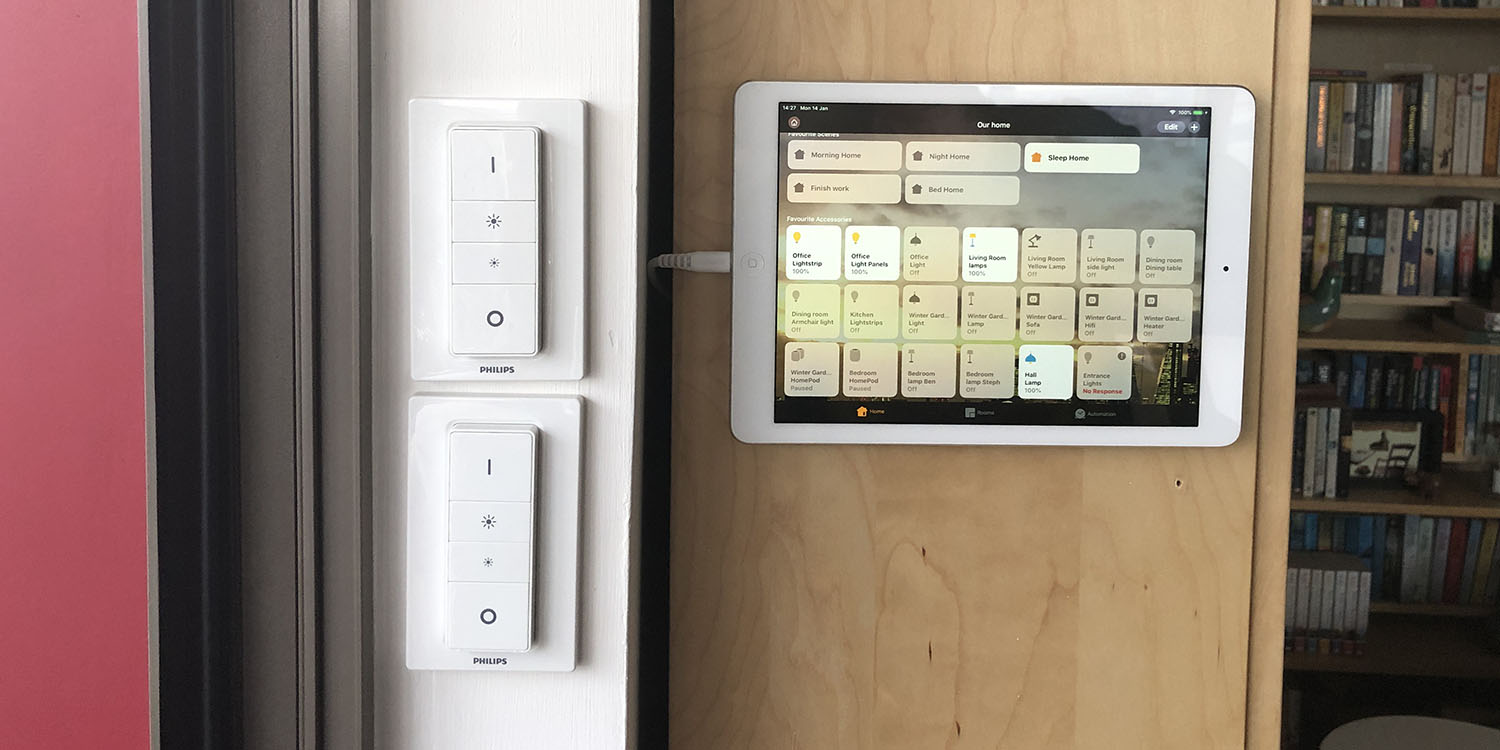
The Case for an "Ownership Transfer" Protocol
To resolve this, Apple needs to introduce a native "Transfer Ownership" feature within the Home app. This process should ideally mirror the way vehicle titles or utility accounts are transferred.
Proposed Mechanism
- Initiation: The current owner selects "Transfer Ownership" in the Home settings.
- Authentication: The departing owner invites the new owner via Apple ID.
- Handover: Upon acceptance, the system would automatically migrate the "Owner" role to the new user.
- Notification: The previous owner would be demoted to a "Resident" status, with a clear prompt to remove themselves from the home once the handover is complete.
This would allow for a seamless transition where scenes and automations remain intact, preventing the "painful recreation" of a smart home setup that often leads to user frustration and the eventual abandonment of the technology.
Implications for the Smart Home Industry
As adoption rates climb, the implications of this digital tethering are significant. We are moving toward a future where a home’s value is partly determined by its digital efficiency. If that digital infrastructure is fragile or difficult to transfer, it could eventually act as a deterrent to the adoption of smart home technology.
Privacy and Security Concerns
From a security standpoint, the current state of affairs is untenable. Smart locks are a staple of the modern smart home. If a buyer moves into a house where the previous owner still has digital access to the front door, the liability for the manufacturer and the platform is enormous. Apple’s emphasis on privacy is well-documented, but the lack of a secure transfer mechanism creates a significant vulnerability for the end-user.

Market Standardization
Currently, the market is forced to rely on "hacky" workarounds. Whether it is leaving a router’s SSID and password as-is, or keeping a previous owner’s account active, these methods are far from professional. A standardized protocol would not only benefit homeowners but also provide a clearer roadmap for real estate agents, who currently struggle to explain how to "include" a smart home in a sale.
The Path Forward: A Call to Action
The issue is not one of hardware capability, but of software policy. Apple has the ecosystem maturity to implement a robust solution. The technology already exists to manage "Home" entities; it is simply a matter of allowing that entity to be transferred between unique identifiers.
For the smart home to truly become a mainstream utility, the industry must move away from the "disposable setup" mentality. A smart home should be an asset that appreciates in functionality, not one that requires a full reset every time the house changes hands.
Conclusion
As we look toward the next generation of smart home integration, the focus must shift from merely adding devices to managing the lifecycle of the entire ecosystem. Apple is uniquely positioned to lead this change. By introducing a secure, verified ownership transfer process, they can ensure that the "smart home" label is a promise of value rather than a technical burden.

Until such a feature is implemented, homeowners, buyers, and agents will continue to navigate a complex, inefficient, and potentially insecure landscape. It is time for Apple to provide the tools necessary to make the smart home as permanent and transferable as the physical structure itself.
Have you encountered difficulties transferring smart home control during a property sale? Share your experiences and thoughts in the comments below.











