

The corporate digital landscape is undergoing a profound metamorphosis. For years, B2B marketing was defined by a rigid adherence to "professionalism"—a code that often translated into dry, sterile, and overtly corporate communication. However, as we approach 2025, that paradigm has been dismantled. The modern B2B buyer is no longer just a decision-maker; they are a digital consumer who demands the same level of authenticity, engagement, and narrative sophistication in their professional life as they do in their personal one.
According to the latest insights from industry leaders at Convince & Convert and data synthesized from the Netline B2B Content Consumption Report, the upcoming year will be defined by a shift toward human-centric, data-informed digital experiences. As social platforms become the primary arenas for B2B engagement, brands that fail to adapt their strategies will risk irrelevance in an increasingly crowded marketplace.
Main Facts: The New Rules of Engagement
The core of the 2025 strategy is simple: Humanization. The "business-to-business" label is being redefined as "business-to-human." Brands are pivoting away from heavy-handed sales pitches toward storytelling that highlights organizational values, internal challenges, and genuine success stories.
The shift is not merely stylistic—it is strategic. Data suggests that the demand for personalized, high-value content has reached a fever pitch. Buyers are actively seeking educational and relatable content that helps them solve specific, real-world problems. This transition effectively bridges the gap between B2C engagement tactics and the traditional B2B sales funnel.
Chronology of the Shift: From Gatekeepers to Communities
The evolution of B2B social media has been a multi-year trajectory:
- Pre-2020: The era of "social broadcasting," where platforms were primarily used for company announcements and whitepaper distribution.
- 2020–2023: The "Digital Acceleration" phase. Forced by global shifts to remote work, B2B companies embraced webinars and virtual events, realizing that digital touchpoints were the primary driver of lead generation.
- 2024: The "Authenticity Pivot." The rise of short-form video and the creator economy forced B2B brands to experiment with more casual, unpolished, and personality-driven content.
- 2025 (The Forecast): The era of "Intelligent Integration." B2B marketing now relies on a sophisticated blend of AI-driven personalization, strategic influencer partnerships, and a deep, empathetic understanding of customer pain points.
Supporting Data: Why the Strategy Matters
The numbers behind these trends are compelling. Recent studies indicate that 72% of B2B marketers have achieved measurable success in lead generation through short-form video content. This is a staggering shift, proving that the brevity of TikTok or Instagram Reels is no longer the sole domain of lifestyle influencers.
Furthermore, the Netline B2B Content Consumption Report underscores that the appetite for deep-dive, long-form content remains robust for those in the final stages of the buying cycle. The key for 2025 is not choosing between short-form and long-form, but mastering the "content continuum"—using short-form to hook the audience and long-form to cement authority.

Official Perspectives: Expert Insights on the 2025 Playbook
In a recent episode of the Social Pros podcast, experts from Convince & Convert dissected the essential components of a winning 2025 strategy. A recurring theme was the power of "consumer truth."
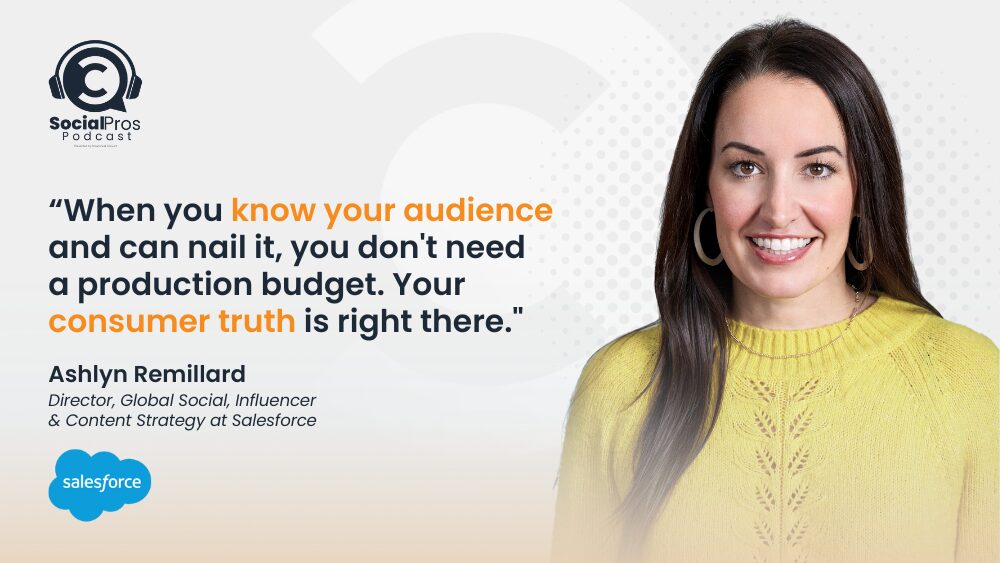
As Ashlyn Remillard of Salesforce aptly noted, "When you know your audience, and can nail it, you don’t need a production budget. Your consumer truth is right there." This highlights that high-gloss production value is secondary to the resonance of the message. Whether it is a raw, mobile-shot video discussing a common industry hurdle or a meticulously researched whitepaper, the value lies in how closely the content mirrors the actual, daily lived experience of the customer.
Strategic Pillars for 2025
To remain competitive, B2B marketing teams must anchor their efforts in five critical pillars:
1. The Power of Thought Leadership
Platforms like LinkedIn have evolved into the town squares of B2B commerce. Thought leadership is no longer just about posting company updates; it is about executives and subject matter experts (SMEs) taking a stance. By sharing predictions, debating industry norms, and providing transparency into company failures, brands build a level of trust that traditional advertising cannot replicate.
2. Influencer Marketing: The B2B Credibility Hack
B2B influencer marketing is moving beyond the "experimental" phase. By partnering with industry experts—people who already command the trust of the target audience—brands can bypass the friction of cold-lead generation. The Oracle "On the Fly" campaign serves as a blueprint here; by leveraging 30 B2B influencers, they were able to amplify their reach and validate their message through trusted third-party voices.
3. AI as a Strategic Force Multiplier
Artificial Intelligence is no longer a futuristic concept; it is an operational requirement. In 2025, AI will be used to:
- Analyze massive datasets to predict customer needs before they are articulated.
- Automate the distribution of content to ensure it hits the right platforms at the optimal times.
- Assist in content drafting and creative ideation, freeing up human marketers to focus on strategy and emotional resonance.
4. The "Pain-Point First" Philosophy
The most successful content in 2025 will be that which solves a problem immediately. Rather than focusing on product features, successful brands will focus on the customer’s "job-to-be-done." Whether it’s a quick-tip video on overcoming a technical hurdle or a webinar on regulatory changes, content must be viewed as a service, not a sales brochure.
5. Video Diversification
The bifurcation of video strategy is critical. Short-form video should be utilized for top-of-funnel awareness, employee advocacy, and behind-the-scenes culture shots. Conversely, long-form video—webinars, YouTube deep dives, and case study interviews—must be reserved for mid-to-bottom-funnel prospects who are ready to invest time in understanding a complex solution.
Implications for the Modern CMO
The implications of these trends are clear: the role of the B2B marketer is shifting from "publisher" to "community architect."
The brands that thrive in 2025 will be those that stop treating social media as a megaphone for their own marketing department and start treating it as a platform for two-way dialogue. This requires a cultural shift within the organization. It requires the courage to let employees—not just the brand page—be the face of the company. It requires the humility to listen to customer feedback in the comments section and use it to inform product roadmaps.
The barrier to entry is lowering, but the barrier to excellence is rising. As AI democratizes the ability to create content, the "human element"—the unique, empathetic, and expert voice—becomes the only true differentiator.
For teams looking to refine their approach, the mandate is to begin auditing current content against these trends immediately. Ask: Is this post helping our customer solve a problem today? Is this video authentic enough to build a real human connection? Does this influencer partnership add genuine credibility to our brand?
As we move forward, the convergence of B2C relatability and B2B utility will be the hallmark of the industry’s leaders. The path ahead is not about doing more; it is about doing better, deeper, and more human work. By embracing these strategic shifts, businesses can ensure that they are not just present on social media, but that they are essential to their audience’s success.












No comments yet. Be the first to join the conversation!