Siti Muinah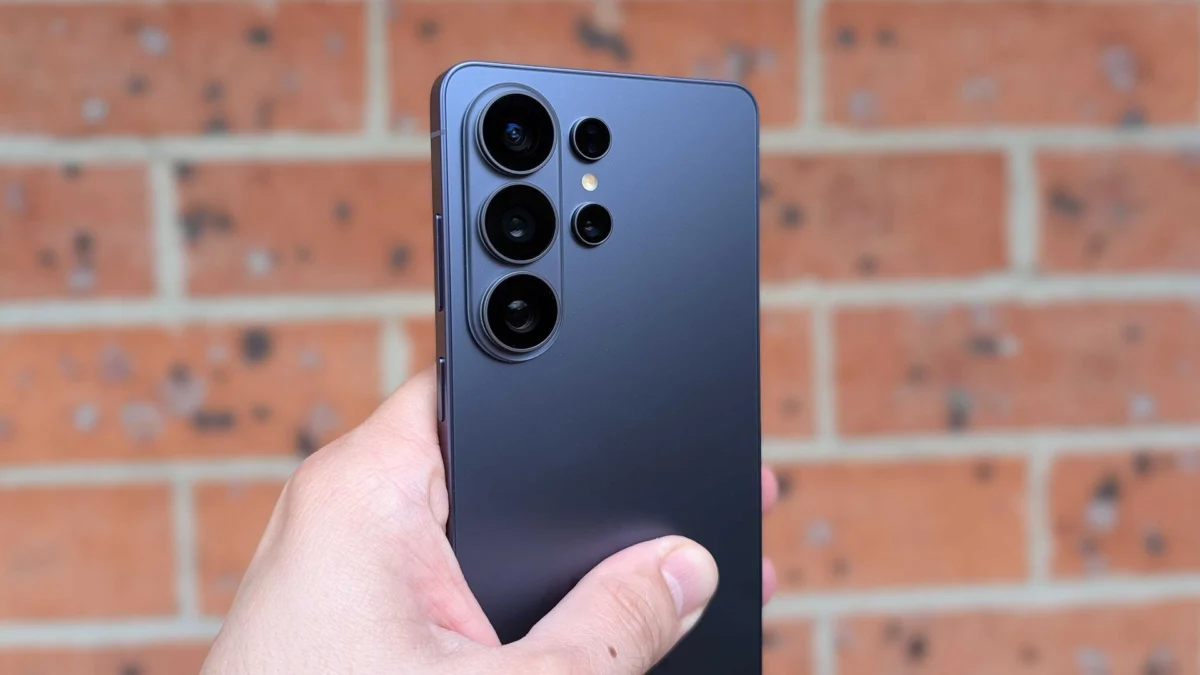
As the mobile industry enters a new cycle of anticipation, the rumor mill surrounding the Samsung Galaxy S27 Ultra is already churning with reports that suggest the most significant hardware overhaul in years. While the official launch remains months away, insights from industry insiders—most notably the leaker yeux1122—paint a picture of a device that is shedding its traditional skin to embrace a more streamlined, efficiency-focused design philosophy.
From the potential retirement of a long-standing telephoto lens to the controversial adoption of a horizontal camera bar, Samsung appears to be prioritizing internal architecture and manufacturing optimization over the "more is better" mantra that has defined the Ultra series for half a decade.
Main Facts: A New Direction for the S-Series
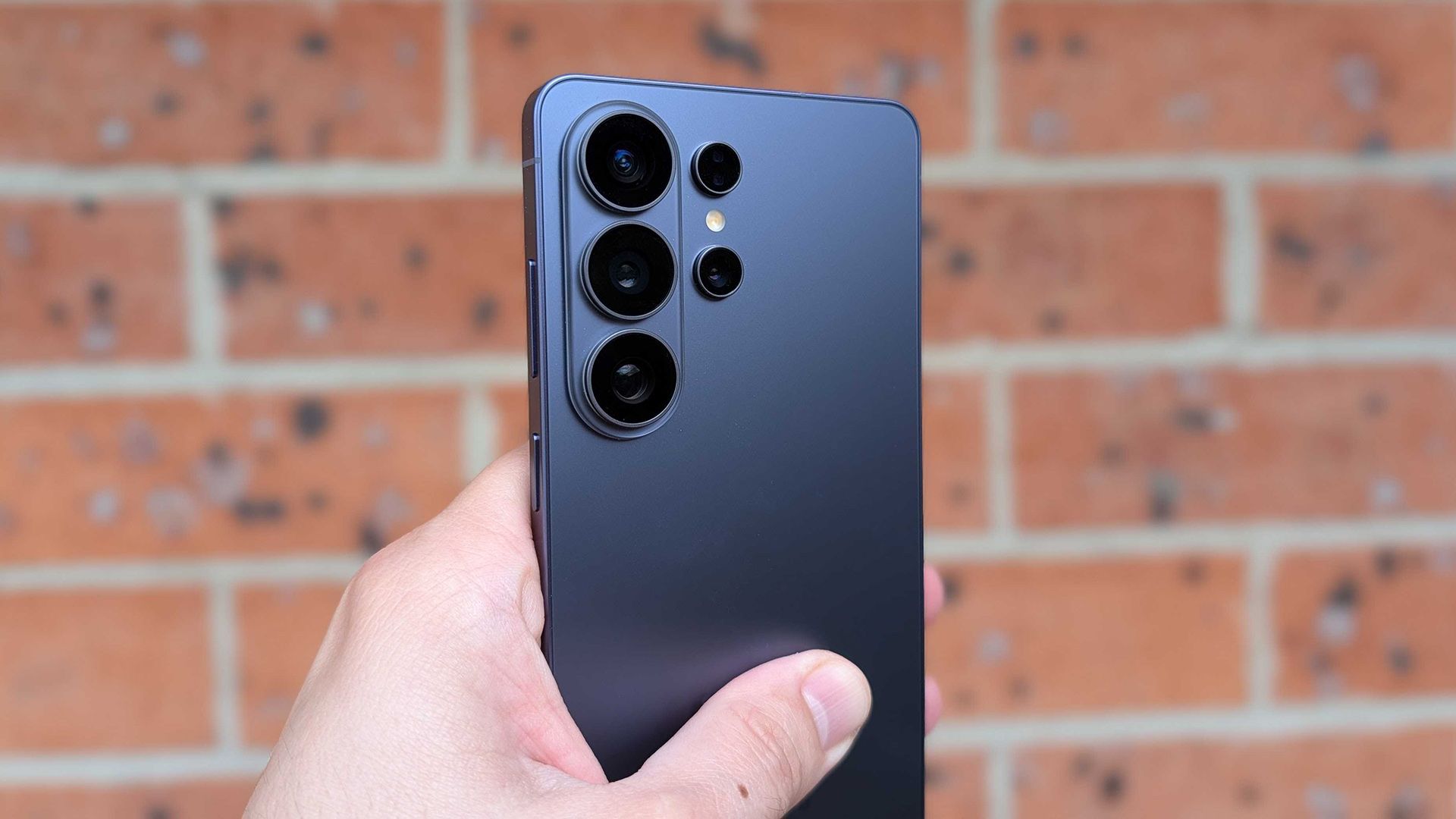
The most striking claim regarding the upcoming Galaxy S27 Ultra involves a consolidation of its camera array. For years, Samsung’s Ultra flagships have been defined by their versatile, multi-lens camera systems. However, reports suggest that Samsung is preparing to remove the dedicated 3x optical zoom lens.
In its current iteration, such as the Galaxy S26 Ultra, the 3x lens often relies on a 12MP sensor—a spec that feels increasingly underwhelming compared to the primary 50MP telephoto optics. The logic behind this move is one of technical redundancy: Samsung’s engineers have reportedly determined that modern, high-resolution sensors can produce superior 3x cropped images using the 5x optical lens, effectively rendering a separate, lower-resolution lens obsolete.
Beyond the optics, the most significant structural rumor involves a design shift to a horizontal camera bar. This change is not merely aesthetic; it is reportedly intended to accommodate magnetic Qi2 wireless charging, a standard that has been notoriously difficult for Samsung to implement due to concerns regarding electromagnetic interference with the S Pen’s digitizer layer.
Chronology: The Evolution of the "Ultra" Identity
To understand the significance of these potential changes, one must look at the history of the "Ultra" branding, which effectively began with the Galaxy S20 Ultra.
- 2020 (Galaxy S20 Ultra): The birth of the modern flagship era, introducing the 5,000 mAh battery standard and a massive camera module that set the tone for future designs.
- 2021–2023: Samsung focused on refining zoom capabilities, introducing the periscope lens system and pushing high-resolution sensors, culminating in the 200MP main camera sensors.
- 2024 (The Plateau): As internal components like RAM and high-end chipsets grew in price, the manufacturing costs of the Ultra series reached a ceiling. Samsung faced the challenge of maintaining premium performance without pricing the device out of the market.
- 2025 (The Rumored Pivot): Current leaks indicate that Samsung is moving away from purely additive hardware (adding more lenses) toward subtractive hardware (removing redundant parts) to streamline production, cut costs, and repurpose internal volume for batteries and thermal management.
Supporting Data: Why "Less" Might Mean "More"
The decision to remove a camera lens is rarely popular with consumers who equate more lenses with "pro-grade" capability. However, from a supply chain and physics perspective, the move is highly rational.
Cost Efficiency vs. Consumer Value
The global semiconductor and component market has faced significant volatility. The surging demand for high-speed RAM and advanced AI-ready processors has squeezed margins for smartphone manufacturers. By removing a secondary telephoto lens, Samsung is not only reducing the bill of materials (BOM) but also simplifying the complex assembly process. This move acts as a hedge against inflation; if Samsung can lower the cost of manufacturing the device, it avoids the necessity of a sharp retail price hike.
Internal Volume and Battery Capacity
The space within a flagship smartphone is arguably the most valuable real estate in consumer technology. A camera module is a massive consumer of internal volume. If the 3x lens is removed, the resulting "void" can be repurposed. While it is unclear if this space will be used for a larger battery or more efficient thermal cooling, the industry expectation is that Samsung will finally push past the 5,000 mAh threshold—a milestone the company has been stuck at since the S20 Ultra.
With competitors like Apple eyeing 5,200 mAh capacities and other Android manufacturers experimenting with silicon-carbon battery technology, Samsung is under immense pressure to boost endurance. Silicon-carbon batteries offer a higher energy density than traditional lithium-ion, allowing for more power without increasing the physical size of the cell.
Official Responses and Industry Context
While Samsung has remained characteristically silent regarding specific product leaks, their recent public communications regarding battery technology are telling. The company has officially acknowledged that it is actively exploring silicon-carbon battery solutions. This confirms that while the Galaxy S27 Ultra may be in a state of flux, the goal of increasing battery density is a corporate priority.
Regarding the Qi2 magnetic charging issue, Samsung has previously been transparent about the technical hurdles. The company has openly discussed how internal magnets can interfere with the Wacom-based digitizer required for the S Pen, causing "dead zones" on the screen. The rumor that a horizontal camera bar is being designed to house these magnets suggests that Samsung has found a way to shield the internal components—or move them far enough away—to allow for magnetic attachment without compromising the integrity of the S Pen.

Implications: The Death of the "Galaxy Look"?
The potential shift to a horizontal camera bar carries profound implications for brand identity. For years, the "Galaxy Ultra" has been easily recognizable by its vertical, floating lens arrangement. A move to a horizontal bar, which some have compared to the aesthetic of the Google Pixel series, could risk diluting that brand recognition.
1. The Functional Trade-off
If the design sacrifice—losing a unique visual identity—results in the inclusion of a larger battery and the convenience of a robust, magnetic accessory ecosystem, most power users will likely forgive the change. The shift toward Qi2, which creates a universal standard for mounts, wallets, and chargers, is a consumer-friendly move that aligns with the broader push for interoperability.
2. The Competitive Landscape
Samsung is currently navigating a landscape where the "wow factor" of camera hardware is diminishing. Megapixels and lens counts are no longer the primary differentiator; AI processing, battery longevity, and ecosystem integration are the new battlegrounds. By shedding the 3x lens, Samsung is essentially betting that its computational photography—using the 5x sensor to handle mid-range zoom—is now good enough to satisfy the demands of even the most discerning photographers.
3. Long-term Strategic Outlook
If the Galaxy S27 Ultra launches with a refined camera array and a boosted battery, it will signal a transition for Samsung: the move from being a hardware-first manufacturer to a platform-first one. By optimizing the internal layout to accommodate new battery tech and magnetic standards, Samsung is signaling that it is listening to the core pain points of its user base—battery anxiety and the desire for better wireless accessories—rather than chasing the vanity metrics of lens count.
Conclusion: A Calculated Risk
The rumors surrounding the Samsung Galaxy S27 Ultra point toward a device that is more balanced, more efficient, and perhaps more practical than its predecessors. While the removal of the 3x lens may initially seem like a downgrade, the trade-offs—potential battery gains, lower manufacturing costs, and the implementation of magnetic charging—suggest that Samsung is making a calculated move to secure its dominance in a maturing market.
As we move closer to the official unveiling, the focus will likely shift from what the phone has lost to what it has gained in terms of day-to-day utility. Whether this "new look" will resonate with the loyal S-series fanbase remains to be seen, but the intent is clear: the Galaxy S27 Ultra is positioning itself to be a workhorse for the AI-driven era, prioritizing power and utility over the excess of the past.


 Asro
Asro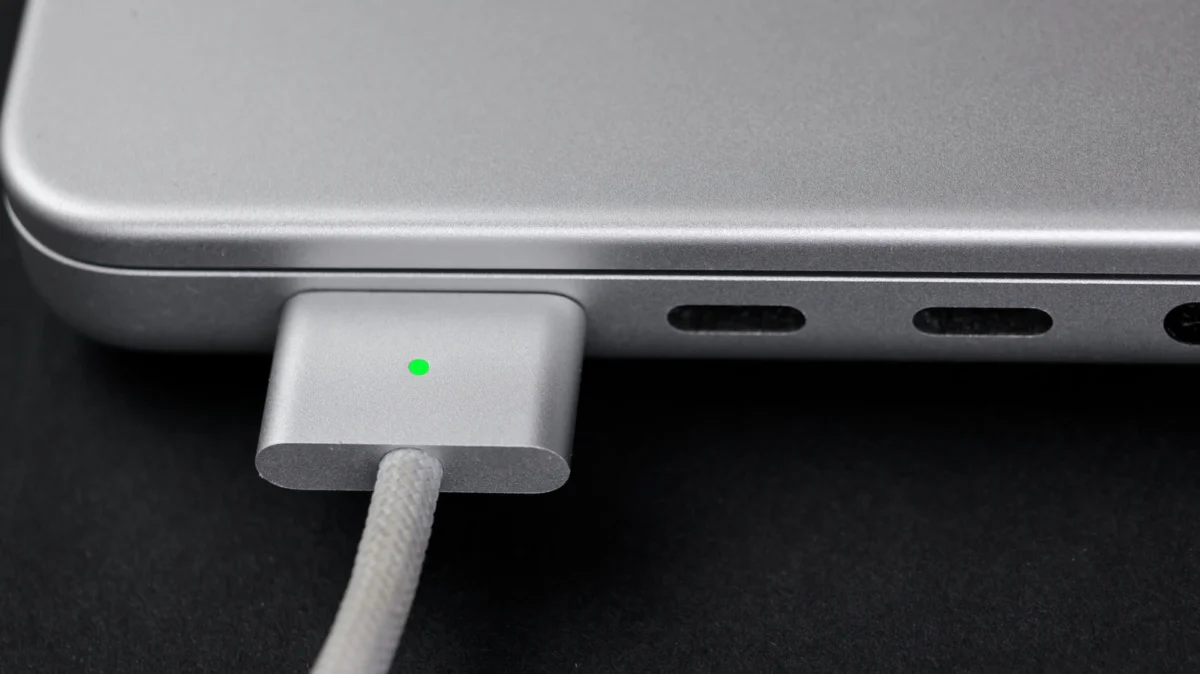
 Rifan Muazin