Basiran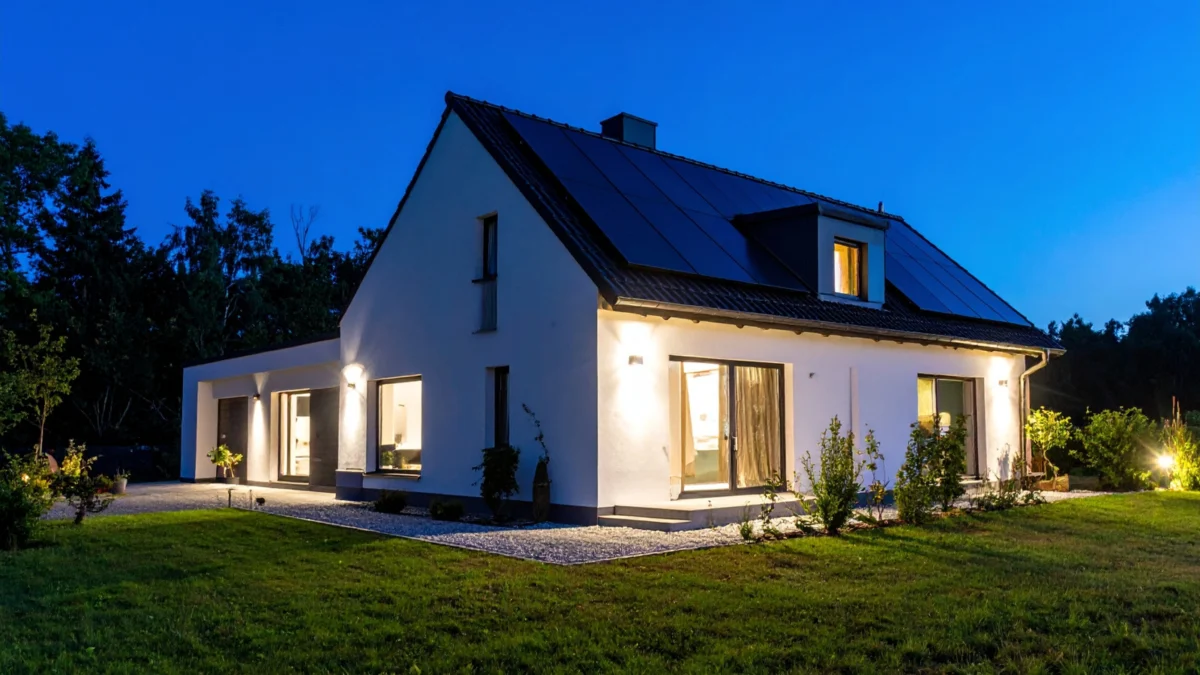
For many homeowners, the ritual of flicking the exterior light switch before heading to bed is an act of comfort. In the early evening, a glowing porch light serves as a welcoming beacon for returning family members, guests, or delivery personnel. However, as the house settles into the quiet of the night, that same switch is often left in the "on" position, motivated by the belief that a well-lit home is a secure home.
While the peace of mind offered by exterior illumination is palpable, it comes with a tangible price tag and an evolving debate regarding its actual effectiveness as a security measure. As energy costs fluctuate and residential security technology becomes more sophisticated, homeowners are increasingly questioning whether leaving the lights on until dawn is a prudent strategy or an unnecessary expense.
The Financial Burden: Calculating the Cost of Nightly Illumination
The financial implications of maintaining an "always-on" outdoor lighting policy are more significant than most homeowners realize. The total cost is determined by a complex interplay of variables: the total number of fixtures, the type of bulb installed, the wattage of those bulbs, and the regional electricity rates.
The Math Behind the Meter
According to data from the U.S. Department of Energy, the average American residence is equipped with approximately nine outdoor lighting fixtures. If these are traditional, older-style bulbs, the electricity consumption can be substantial. Even with more efficient LED technology, which typically costs roughly $7.50 per bulb annually when used for nightly security, the cumulative cost across nine fixtures totals over $67 per year.
However, the situation becomes far more expensive when utilizing high-wattage floodlights. Industry experts at WattCosts suggest that standard floodlights operating throughout the night can add roughly $3 to $5 to a monthly utility bill, depending on local energy market volatility.
The "Hawaii Factor" and Regional Disparities
Energy costs are not uniform across the United States. Residents in regions with high utility rates, such as Hawaii—where the average cost per kilowatt-hour (kWh) reaches 42.23 cents, according to the U.S. Energy Information Administration—face an entirely different financial reality.
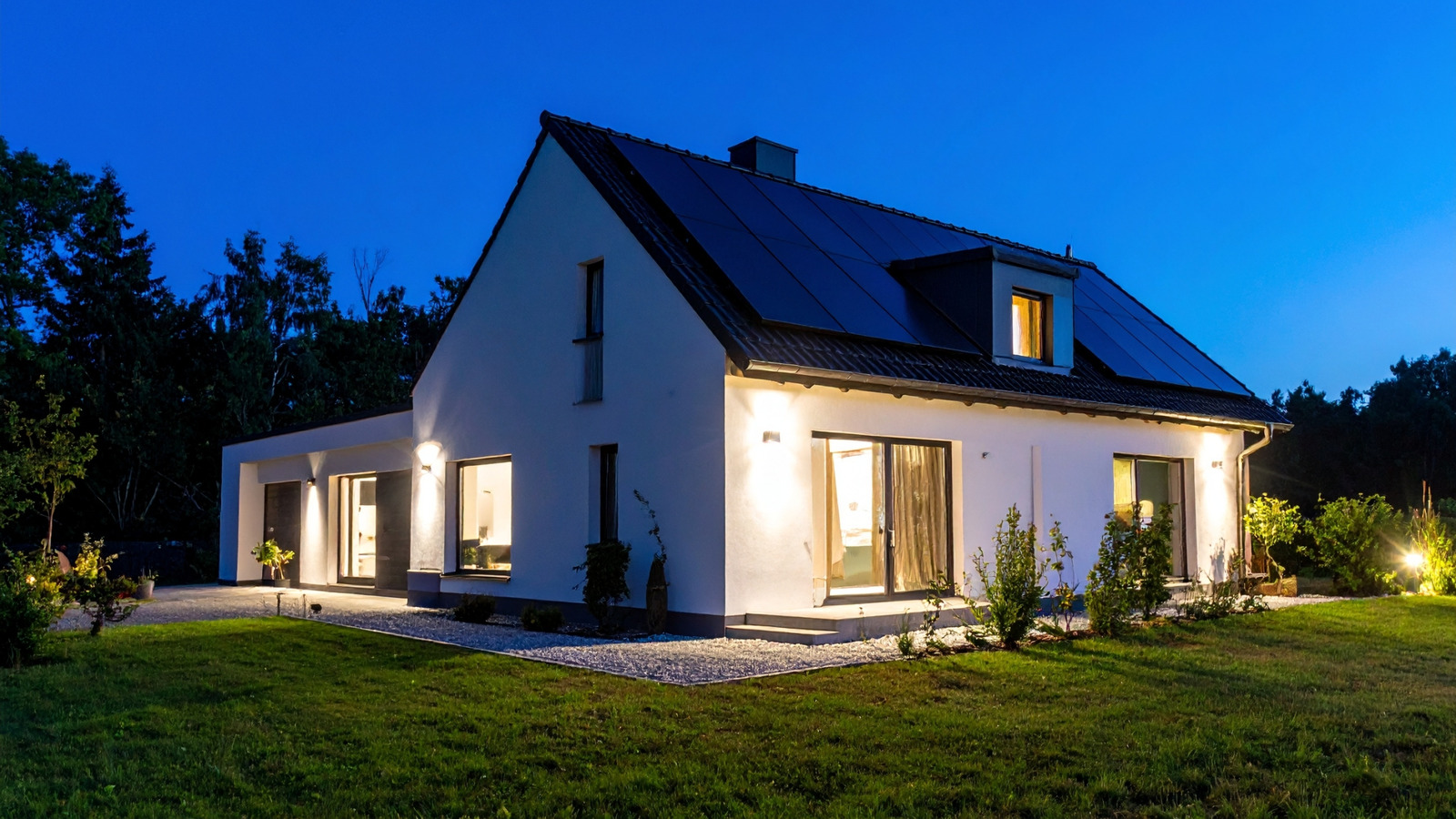
For a homeowner in Honolulu running a single 50-watt light for 10 hours a night, the cost is approximately $6.43 per month. If that homeowner keeps all nine of their exterior lights on throughout the night, their monthly expenditure for outdoor lighting alone exceeds $57. Over the course of a year, this equates to nearly $700 spent solely on exterior illumination—an expense that could be significantly mitigated through smarter energy management or modern security alternatives.
Chronology of the Security Debate: From Constant Light to Smart Sensing
The reliance on exterior lighting as a crime deterrent has shifted significantly over the last several decades.
- Mid-20th Century: The era of the "porch light" began, largely driven by the expansion of the suburbs. During this time, constant illumination was considered a sign of a watchful, middle-class home.
- Late 1990s – Early 2000s: As energy prices began to rise, utility companies and consumer advocates started promoting the use of timers and photocell sensors to prevent energy waste.
- 2010s to Present: The emergence of smart home technology, including motion-activated LED systems and integrated camera surveillance, has fundamentally changed the conversation. The focus has moved away from "constant light" toward "event-driven light."
This historical shift reflects a deeper understanding of human behavior. Security experts have begun to recognize that a home bathed in light 24/7 may actually signal to a burglar that the residents are either away on vacation or, ironically, that the homeowners are not paying attention to their surroundings.
Challenging the Status Quo: Do Lights Actually Deter Burglary?
Perhaps the most compelling argument against leaving lights on all night is the professional consensus that it may not be as effective as previously thought. In some instances, it may even be counterproductive.
The "Watchful Eye" Fallacy
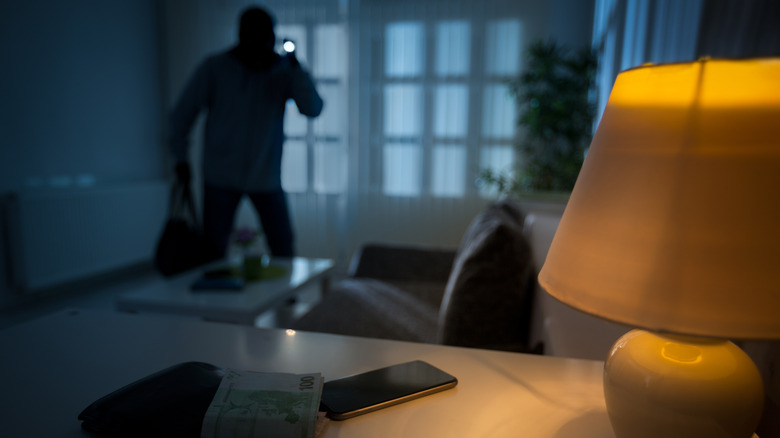
Samantha Nolan, a prominent Neighborhood Watch trainer with the Washington, D.C. Police, has noted in discussions regarding crime prevention that lights left on during the day—or consistently through the night—can actually attract the wrong kind of attention. A home that is lit with the same intensity at 3:00 a.m. as it is at 8:00 p.m. can act as a beacon for opportunistic burglars who are looking for homes where residents might be distracted or simply less observant.
The Importance of Context
The efficacy of outdoor lighting is highly dependent on the environment. In a densely populated urban or suburban neighborhood, a light left on might be noticed by a vigilant neighbor. However, in rural or semi-rural settings, where homes are separated by significant distances, a single light in the darkness might serve only to illuminate a burglar’s workspace, helping them identify entry points or trip hazards that would otherwise be hidden.
The Case for Motion-Activated Technology
The consensus among modern security professionals is clear: the transition from "constant-on" to "motion-activated" lighting is the gold standard for both energy efficiency and crime deterrence.
Strategic Advantages
Motion-activated lights offer two primary benefits that static lights cannot:
- The Element of Surprise: When a light suddenly illuminates a dark area, it startles an intruder, forcing them to consider whether they have been seen by a neighbor or the homeowner.
- Alerting the Inhabitants: A motion light serves as an alarm system for the homeowner. If a light flicks on in the backyard at 2:00 a.m., it provides an immediate cue for the residents to look out the window or check their home security app.
Installation and Optimization
To maximize the effectiveness of these systems, homeowners must focus on proper placement. Lights should be pointed down and away from neighboring properties. A beam that shines directly into a neighbor’s bedroom window is not only a nuisance that causes neighborhood friction but also a poor security design.
By aiming lights at entry points—such as back doors, garage side doors, and ground-floor windows—homeowners create a "safety perimeter" that is only active when needed. For those looking to further improve their security, pairing these motion lights with modern, low-profile, high-definition security cameras creates a robust, tiered defense system that is far more effective than a simple porch light.
Implications for Homeowners and Neighbors
The implications of lighting choices extend beyond the homeowner’s pocketbook and security. Light pollution and neighborly relations are significant factors in modern residential planning.
Mitigating Neighborhood Hostility
Constant, high-intensity lighting can create an atmosphere of anxiety for neighbors. Bright lights beaming across property lines can disrupt sleep and lead to interpersonal conflicts. As more people work flexible hours or deal with light sensitivity, the "my home, my light" mentality is increasingly being viewed as inconsiderate.
Sustainability and Efficiency
Beyond the financial cost, there is the environmental impact of unnecessary energy consumption. By choosing smart lighting solutions, homeowners reduce their carbon footprint while simultaneously achieving a higher level of home security. The integration of dusk-to-dawn sensors, which ensure lights are only on when the sun is down, coupled with motion-activation, represents the most responsible and efficient path forward.
Conclusion: A Smarter Approach to Nighttime Safety
The practice of leaving exterior lights on all night is a legacy habit that is rapidly becoming obsolete. While the intent—security and peace of mind—is commendable, the execution is often flawed.
By replacing high-wattage, constant-on fixtures with modern, motion-activated LED systems, homeowners can enjoy a significant reduction in their monthly utility bills, foster better relationships with their neighbors, and actually improve their home’s security profile. In the modern era, the most effective security isn’t necessarily the brightest; it is the smartest. By utilizing technology that responds to the environment, you ensure that your home remains a sanctuary rather than a beacon of wasted energy.

 Rifan Muazin
 Nila Kartika Wati