


By Journalistic Staff
In the increasingly crowded landscape of global digital entertainment, the battle for dominance is no longer fought solely on the grounds of Western prestige dramas or blockbuster cinema. Instead, the front line has shifted toward the vibrant, high-growth sector of Japanese animation. While giants like Netflix, Sony (via Crunchyroll), and Disney+ have spent years staking their claims, Amazon Prime Video has recently unveiled a more aggressive strategy. Rather than merely participating in the "anime boom," the tech giant has officially declared its intent to become the primary global hub for the medium.
This strategic pivot represents a significant escalation in the "streaming wars," signaling a move from passive licensing to a more integrated, production-focused approach aimed at capturing a worldwide audience that is increasingly turning toward Eastern storytelling.

Main Facts: The "Preferred Destination" Strategy
On February 12th, during the "Prime Video Presents: International Originals" online showcase, Gaurav Gandhi, Prime Video’s Vice President for the Oceania region, delivered a keynote that served as a manifesto for the company’s future. Gandhi characterized anime not as a niche interest, but as a medium experiencing "explosive growth" that transcends geographical and cultural boundaries.
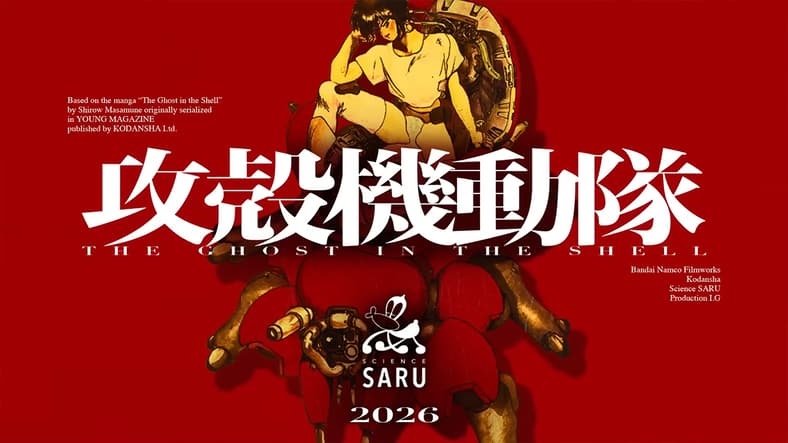
The crux of Gandhi’s presentation was a bold proclamation: Amazon Prime Video aims to be the "preferred destination for anime content globally." To achieve this, the company is shifting its focus toward high-profile exclusive distributions and original productions. This strategy is anchored by three major upcoming projects slated for 2026:
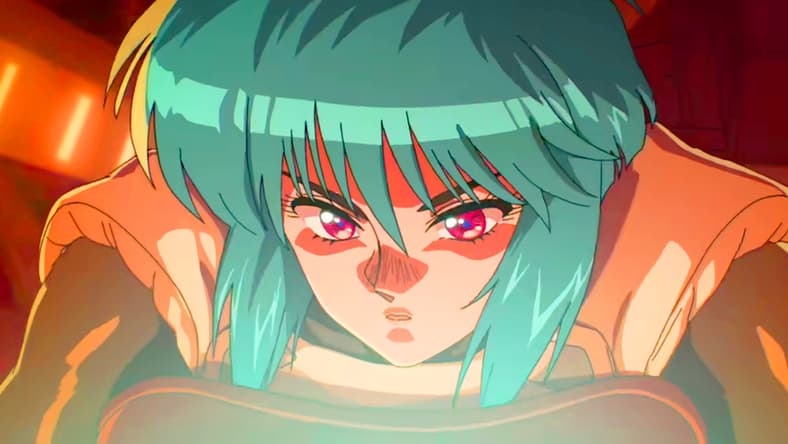
- The Ghost in the Shell (2026): A new adaptation of Masamune Shirow’s seminal cyberpunk manga, produced by the acclaimed studio Science Saru in collaboration with Bandai Namco Filmworks, Kodansha, and Production I.G.
- Fist of the North Star: Hokuto No Ken: A high-budget reboot from TMS Entertainment, timed to celebrate the 40th anniversary of the original anime’s debut.
- From Old Country Bumpkin to Master Swordsman Season 2: A continuation of one of Amazon’s most surprising recent hits, which has demonstrated the streamer’s ability to turn "isekai" and fantasy tropes into global ratings successes.
By securing these titles, Amazon is positioning itself as a curator of both legacy "pillar" franchises and modern viral hits, attempting to bridge the gap between veteran "otaku" and the new generation of casual viewers.
Chronology: From Niche Licensing to Global Powerhouse
Amazon’s journey into the anime sector has been a turbulent but educational one. To understand the gravity of their 2026 goals, one must look at the evolution of their platform’s relationship with the medium.
The Experimental Era (2017–2021)
In 2017, Amazon launched "Anime Strike," a dedicated subscription channel that was met with significant backlash due to its "double-paywall" structure (requiring both a Prime membership and an additional channel fee). While the service eventually folded, it allowed Amazon to test the waters with exclusive titles like Vinland Saga and Dororo. During this period, Amazon began to realize that anime fans were a dedicated demographic willing to follow content across platforms, but they demanded high-quality subtitles and accessible pricing.
The "Exclusive" Pivot (2022–2025)
Following the dissolution of Anime Strike, Amazon integrated its anime library directly into the standard Prime Video offering. This era saw the acquisition of the Evangelion: 3.0+1.0 Thrice Upon a Time global rights—a landmark deal that signaled Amazon’s ability to outbid specialized competitors for "holy grail" titles. More recently, the success of Mobile Suit Gundam GQuuuuuuX and New Panty & Stocking with Garterbelt proved that Amazon could handle diverse genres, from high-concept mecha to irreverent comedy.

The 2026 Vision
The current phase, as outlined by Gandhi, moves beyond simple acquisition. By partnering with Science Saru and TMS Entertainment at the production committee level, Amazon is now directly influencing the creation and marketing of these shows. The 2026 slate represents the first time Amazon is treating anime as a cornerstone of its "International Originals" brand, placing it on the same level of importance as its multi-million dollar live-action series.
Supporting Data: Global Growth and Performance Metrics
The decision to double down on anime is driven by hard data. According to industry reports, the global anime market is projected to exceed $60 billion by 2030, with a significant portion of that growth coming from streaming revenues in North America, Europe, and India.
Gaurav Gandhi highlighted the specific performance of From Old Country Bumpkin to Master Swordsman as a proof of concept. The first season of the series reportedly ranked among Prime Video’s top ten titles in 45 different countries. This level of cross-border appeal is rare for live-action content, which often struggles with cultural specificities.
Furthermore, Gandhi noted a "tremendous appetite" for content originating from the Asia-Pacific (APAC) region. He revealed that Japanese anime, alongside Korean dramas and Indian cinema, now constitute some of the most-watched non-English content on the platform globally. This data suggests that the "global hub" strategy is not just about anime, but about leveraging the entire APAC entertainment ecosystem to provide a counterweight to Hollywood-centric programming.
Official Responses and Studio Collaborations
The industry’s reaction to Amazon’s aggressive move has been one of cautious optimism, particularly among Japanese production houses looking for alternatives to the Sony-owned Crunchyroll monopoly.
Gaurav Gandhi’s statements emphasized a "championing" of local talent. "The opportunity is immense," Gandhi said. "As a global service, we’re uniquely positioned to champion Asian content on the world stage." This rhetoric is designed to appeal to Japanese studios that have historically felt that Western distributors do not always respect the creative integrity of the source material.

The choice of Science Saru for The Ghost in the Shell is particularly noteworthy. Science Saru, known for its avant-garde style and technical innovation, represents the "prestige" side of the industry. By backing such a studio, Amazon is signaling that it values artistic merit as much as commercial viability. Similarly, the collaboration with TMS Entertainment on Fist of the North Star shows a commitment to "legacy" IP, ensuring that older fans remain tethered to the platform.
However, the expansion is not without its critics. As mentioned in related industry reports, veteran directors like Mamoru Oshii (the original Ghost in the Shell director) have expressed concerns about the rise of "political correctness" and Western corporate influence in anime. Amazon will have to navigate these cultural waters carefully to maintain the "authentic" feel that fans crave while meeting the standards of a global corporate entity.
Implications: A Shift in the Streaming Hierarchy
Amazon’s move to become the "global hub" for anime has several far-reaching implications for the industry.

1. The Challenge to Crunchyroll and Netflix
For years, Crunchyroll has been the undisputed king of anime streaming. However, Amazon’s advantage lies in its "ecosystem." By bundling anime with free shipping, music, and gaming (Prime Gaming), Amazon offers a value proposition that a standalone service like Crunchyroll cannot match. If Amazon continues to secure "triple-A" exclusives like Ghost in the Shell, they could trigger a mass migration of subscribers.
2. The Definition of "Anime Content"
A subtle but crucial detail in Gandhi’s presentation was his use of the phrase "anime content" rather than just "anime." This suggests that Amazon’s ambitions may extend into live-action adaptations and tokusatsu (special effects-heavy live-action). Amazon has already experimented with this via Kamen Rider Black Sun and Kamen Rider Amazons. If the "anime hub" strategy succeeds, we may see a resurgence of high-budget live-action reimaginings of classic manga, potentially rivaling Netflix’s One Piece in scale.
3. Production Committee Influence
By joining production committees, Amazon gains a seat at the table during the early stages of development. This could lead to more "simulcast" releases where episodes are available globally at the same time they air in Japan, with high-quality dubs in multiple languages from day one. This level of vertical integration would drastically reduce piracy and streamline the global consumption of Japanese media.

4. Cultural Exchange and "Soft Power"
Amazon’s focus on the Asia-Pacific region highlights the shifting center of gravity in the entertainment world. As Western markets become saturated, the "explosive growth" in India and Southeast Asia makes these regions the new battlegrounds. Amazon is positioning itself as the bridge between these emerging markets and Japanese creative output, effectively becoming a primary distributor of Japan’s "soft power."
Conclusion
The 2026 roadmap for Amazon Prime Video is more than just a list of upcoming shows; it is a calculated attempt to redefine the platform’s identity. By securing the rights to The Ghost in the Shell, Fist of the North Star, and other high-performing titles, Amazon is betting that anime is the key to long-term global subscriber retention.
As Gaurav Gandhi concluded in his presentation, the goal is to take "exceptional local content" and "bring it to the world." Whether Amazon can truly unseat specialized platforms to become the global hub remains to be seen, but their current trajectory suggests they are no longer content with being a secondary player in the world of Japanese animation. For fans, this competition likely means higher production values and better accessibility, but it also marks the beginning of a new era where the "ghost" of anime is increasingly housed in a global, corporate "shell."










No comments yet. Be the first to join the conversation!