

By [Your Name/Journalistic Staff]
May 12, 2026
In the hallowed halls of Hollywood, few directors command the creative capital to dismantle the foundations of Western literature and rebuild them in their own image. Christopher Nolan, a filmmaker synonymous with grand-scale spectacle and structural complexity, is poised to do exactly that with his upcoming adaptation of Homer’s The Odyssey. However, those expecting a traditional, pantheon-heavy portrayal of Ancient Greece may be in for a jarring, if not revolutionary, experience.
In a recent profile by Time, Nolan revealed that his interpretation of the foundational epic will eschew the physical presence of the Olympians—at least in the traditional sense. By removing the literal, walking-and-talking deities from the screen, Nolan is doubling down on his signature brand of “grounded” spectacle, aiming to replicate the psychological terror of the ancient world rather than its mythology.
Main Facts: A Pantheon Stripped of Form
The central conceit of Nolan’s The Odyssey is the absence of the gods as tangible characters. In Homer’s original text, the gods are not merely observers; they are active, meddlesome protagonists who manipulate the fate of Odysseus, the trajectory of the Iliad, and the very weather patterns that batter the hero’s ship.
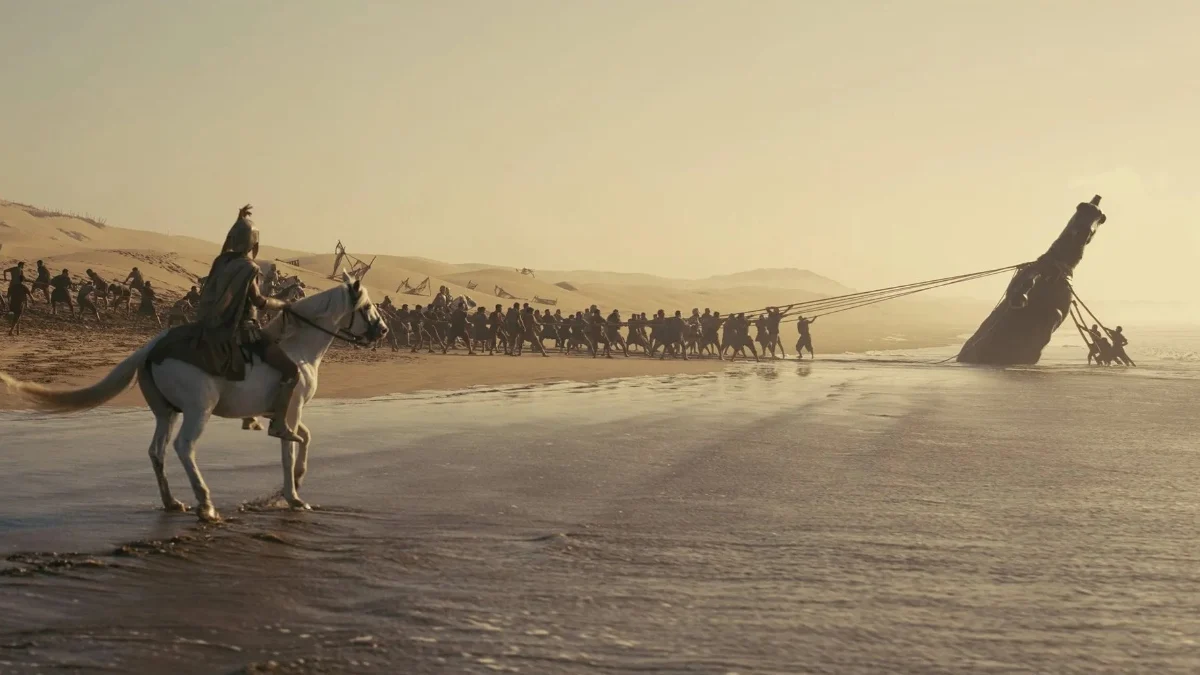
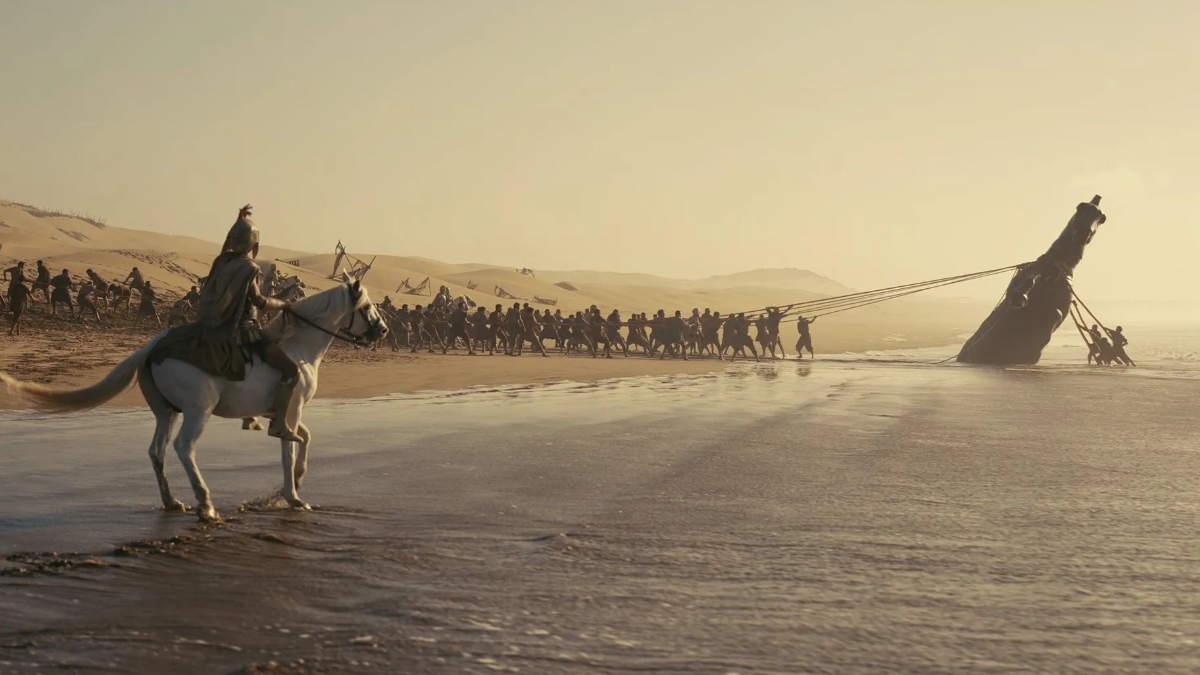
Nolan, however, has opted for a different path. "I became more interested in the idea that to people in that period, evidence of gods was everywhere," Nolan explained to Time. "The wonderful thing about cinema, and IMAX in particular, is that you can take an audience to a place of immersion—feeling close to events like storms, turbulent seas, high winds. You want the audience to be on the boat with them, fearing the ocean, fearing the wrath of Poseidon, the way the characters do."
By focalizing the divine through the terror of the elements, Nolan is betting that the audience’s fear of a roiling, IMAX-rendered sea will be more potent than any CGI-rendered deity could ever be. The "gods" in this version are not men in robes; they are the crushing pressure of the deep, the howling wind, and the unrelenting sun.
Chronology: The Journey to the Screen
The journey of The Odyssey from the page to the IMAX screen has been a long-gestating project, marking a significant milestone in Nolan’s career post-Oppenheimer.
- Pre-Production (2024): Nolan officially announces his adaptation, opting for a synthesis of The Odyssey and select narrative threads from The Iliad. Casting begins with the announcement of Matt Damon as the weary, battle-hardened Odysseus.
- Production Phase (2025): The production enters a rigorous shooting schedule, utilizing real-world locations across the Mediterranean to capture the authenticity Nolan demands. Practical effects are prioritized over digital, with massive water tanks and specialized wind rigs constructed to recreate the wrath of the sea.
- The Casting Reveal (Late 2025): Rumors solidify into fact. Tom Holland is confirmed as the young Telemachus, and Anne Hathaway is attached to the role of a reimagined, formidable Penelope.
- May 2026: Time profile is published, detailing Nolan’s directorial philosophy and confirming the roles of supporting cast members, including Samantha Morton (Circe), Bill Irwin (Polyphemus), and Zendaya (Athena).
- July 17, 2026: The scheduled global theatrical release.
Supporting Data: The Human-Centric Narrative
Nolan’s career has been defined by a tension between high-concept intellectualism and deeply personal emotional stakes. From the cold, calculating defense technology of The Dark Knight trilogy to the quantum physics of Interstellar, the director consistently subordinates his world-building to the internal lives of his characters.
In The Odyssey, this focus shifts to the domestic sphere. By giving Odysseus (Damon) and his son Telemachus (Holland) more screen time together, Nolan aims to transform a mythic quest for survival into a poignant drama about legacy and fatherhood.
The role of Penelope, played by Anne Hathaway, has been significantly expanded to reflect this. Hathaway noted in interviews that her portrayal of the queen of Ithaca is rooted in a simmering, volcanic intensity. "Chris, if I’m not mistaken, you’ve written someone who is full of fury and you seem to be implying that she’s actually Odysseus’s equal," Hathaway remarked. This shift is intentional; it moves the film away from a story of a man being "helped" by gods, toward a story of a family navigating a world of trauma and political instability.
Official Responses and Creative Departures
The decision to limit the overt appearance of the gods has sparked debate among literary purists. In the Iliad, Apollo is a physical instigator of war; in The Odyssey, Athena is the direct catalyst for Telemachus’s coming-of-age. Without these figures, how does the narrative function?
Nolan argues that the "supernatural" is still present, albeit reimagined. Samantha Morton’s Circe will reportedly lean into the darker, more visceral aspects of witchcraft, and Bill Irwin’s Polyphemus will likely utilize advanced practical prosthetics to maintain the "Nolan-esque" commitment to physical reality.
Zendaya’s role as Athena is perhaps the most intriguing. While Nolan suggests the gods won’t be seen as divine intercessors, the inclusion of an actor of her stature suggests that the presence of the gods may manifest as internal monologues, hallucinations, or perhaps symbolic manifestations—a technique Nolan previously toyed with in Inception.
Implications: The Future of Mythic Cinema
If Nolan’s The Odyssey succeeds, it could fundamentally shift how Hollywood adapts classical literature. For decades, the "Greek Epic" genre has been dominated by the CGI-heavy aesthetic of films like Clash of the Titans or Troy, which often struggled to balance historical gravity with the necessity of mythological spectacle.
By stripping away the "gods" and replacing them with the raw, terrifying power of nature and the complex, messy realities of human grief, Nolan is attempting to elevate the epic poem into a character-driven thriller. This is a high-stakes gambit. If the audience connects with the humanity of Odysseus and the fury of Penelope, the film could become the definitive modern version of the story. If they find the lack of divine interaction a disservice to the source material, it may serve as a cautionary tale about the limits of "grounded" filmmaking.
Ultimately, Nolan is treating Homer’s work not as a religious text, but as a blueprint for the human condition. In a film where the gods are absent, the focus shifts entirely to the mortals left behind to clean up the mess of the Trojan War. Whether or not this "godless" approach resonates with audiences, one thing is certain: when the film hits theaters this July, the conversation regarding how we interpret ancient myths will be irrevocably changed.
Release Information:
The Odyssey is set to premiere in IMAX and standard theaters on July 17, 2026. Given the scale of the production and the director’s history of box-office dominance, anticipation remains at an all-time high.











No comments yet. Be the first to join the conversation!