If you have recently shopped for a laptop, smartphone, or tablet, you may have experienced a distinct sense of "sticker shock." Devices that appear identical to their predecessors are hitting the shelves with significantly higher price tags. This isn’t a marketing anomaly or a localized inflation quirk; it is the direct consequence of a global RAM crisis that is fundamentally altering the economics of consumer technology.
For decades, the "tech tax" worked in the consumer’s favor: every year, you expected to pay the same amount for a device that was faster, more capable, and better equipped than the one you bought previously. That paradigm has not just stalled; it has reversed. As the memory market struggles to keep pace with the voracious appetite of AI data centers, the cost of Random Access Memory (RAM) has skyrocketed, leaving creative professionals and everyday users to foot the bill.
The Anatomy of the RAM Crisis: A Chronology of Scarcity
The current crisis did not emerge overnight. It is the result of a "perfect storm" in the semiconductor industry that began gaining momentum in late 2023 and has solidified throughout 2024.
- Early 2023: The rapid mainstreaming of Large Language Models (LLMs) and generative AI led to an unprecedented expansion of data centers. These massive server farms require enormous quantities of High Bandwidth Memory (HBM) and standard DDR5 RAM to function.
- Late 2023: Semiconductor manufacturers, responding to the immense profit margins in the AI sector, began shifting production capacity away from consumer-grade RAM and toward the high-spec, high-profit chips required by companies like NVIDIA and Microsoft.
- Early 2024: With consumer RAM supply tightened, prices began to climb. Major manufacturers such as Samsung, SK Hynix, and Micron started prioritizing enterprise contracts over consumer electronics.
- Mid-2024 to Present: Retail giants including Apple, Dell, and Microsoft adjusted their retail pricing. In some cases, base-model specifications remained stagnant while prices rose by as much as $500, essentially pricing in the volatility of the memory market.
Industry analysts are now warning that this "new normal" may persist longer than initially anticipated. While some fluctuations are expected, projections from supply chain experts suggest that the memory market may not reach price stability until 2030.
Supporting Data: Why "New" Doesn’t Always Mean "Better"
The core issue lies in the commoditization of memory. Because AI development is effectively an "arms race," hardware manufacturers are willing to pay whatever it takes to secure inventory. When a server farm can generate millions in revenue, the cost of a few thousand sticks of RAM is negligible. Conversely, for a creative professional or a student, a $300–$500 price hike represents a significant barrier to entry.
Data from recent market reports indicates that memory costs represent an increasingly large percentage of a device’s "Bill of Materials" (BOM). When a laptop manufacturer releases a new model, they are balancing the cost of the chassis, the display, the processor, and the memory. With memory costs ballooning, companies are forced to either cut costs on other components (like cooling systems or port variety) or pass the total cost onto the consumer.
Official Responses and Industry Stance
While companies like Apple and Dell rarely issue press releases explicitly stating, "we raised prices because memory is expensive," their actions speak volumes. During recent quarterly earnings calls, executives across the tech sector have alluded to "supply chain constraints" and "component cost volatility" as the primary drivers behind margin pressure.
The industry’s collective response has been a pivot toward "AI-ready" branding. By marketing devices as having the specialized neural processing units (NPUs) required for modern software, companies are attempting to justify the price hikes. However, for the average graphic designer or content creator, the necessity of these "AI-optimized" chips is often overstated, creating a disconnect between the price requested and the actual utility provided to the user.
Implications for the Creative Economy
For the creative sector, the implications are profound. Creatives have historically relied on high-spec hardware to render 3D models, edit 4K video, or handle massive layered files in design suites. The current market renders the "buy the best and forget it" strategy obsolete.
The shift forces a change in behavior. We are moving away from the era of "disposable upgrades," where a machine was replaced every two years, and toward an era of "strategic lifecycle management." This involves more than just budgeting; it involves a deeper understanding of hardware requirements and the longevity of current systems.
Navigating the Upgrade Path: 6 Strategies to Avoid Overpaying
If your current hardware is failing, the current market climate makes it essential to be tactical. You do not need the most powerful machine on the shelf—you need the machine that matches your workflow.
01. Don’t Wait for the "Perfect Time"
If your current workstation is on its last legs, waiting for a price drop is likely a losing strategy. Every major pricing forecast through 2027 points toward continued upward pressure. If you need a tool for your business, prioritize stability over the hope of a market correction that is not coming in the short term.
02. Embrace the Refurbished Market
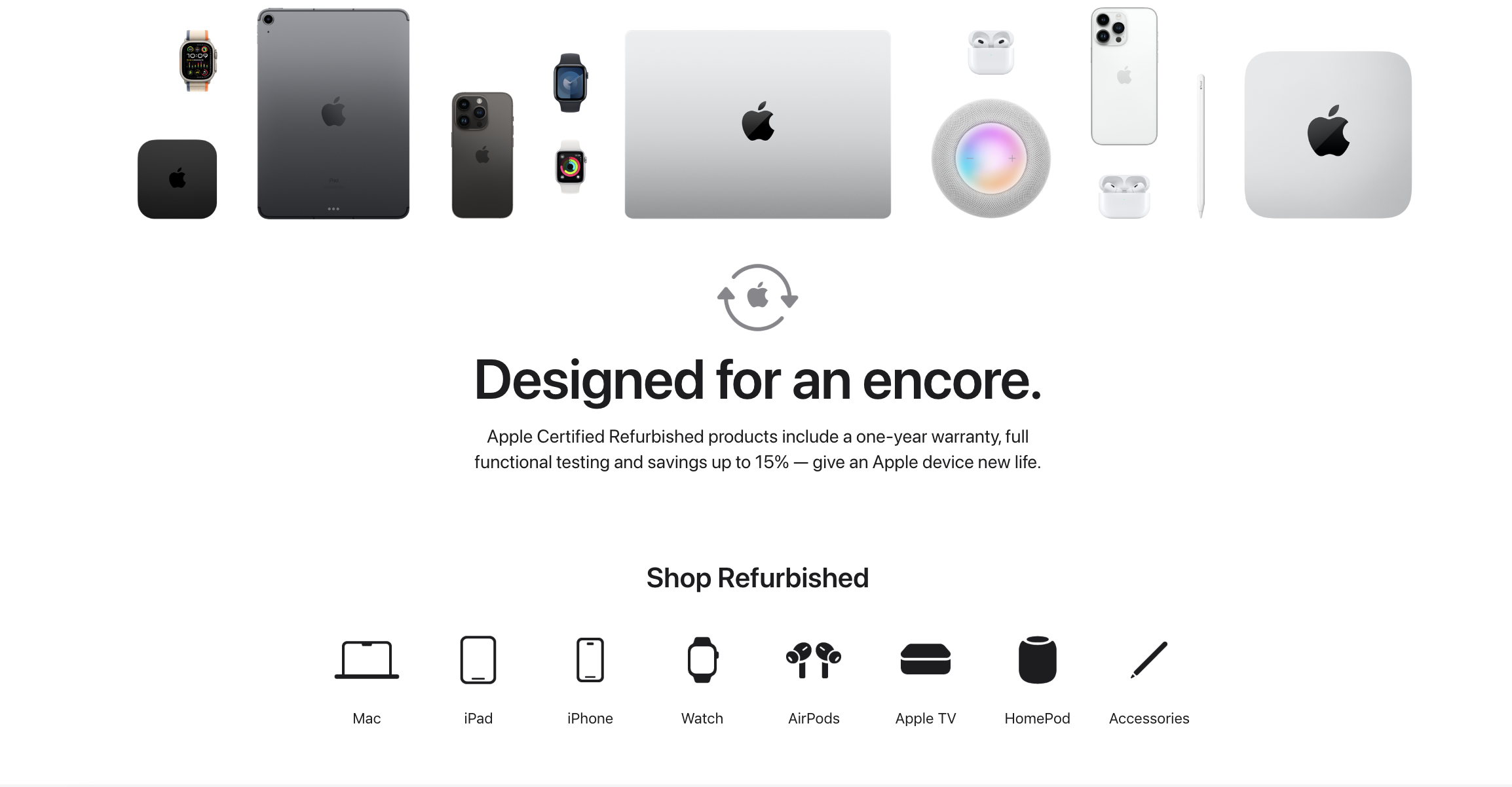
Refurbished devices are currently the best value in the industry. Because these machines were often manufactured before the most recent surge in component costs, they are insulated from current price hikes. Reputable programs—such as Apple’s Certified Refurbished—offer warranties identical to new products, meaning you can secure a powerful machine from two years ago at a fraction of the cost of a "new" base model that may actually be slower.
03. Target "Yesterday’s Flagship"
Retailers are often desperate to clear stock of previous-generation flagships. While a 2024 smartphone or laptop may lack the latest NPU or "AI-branding," it likely features a processor and RAM configuration that is more than capable of handling 99% of creative tasks. For graphic designers, web designers, and illustrators, last year’s flagship is a mid-range bargain that will easily last for several years.
04. Prioritize Repair and Optimization
Before committing to a multi-thousand-dollar purchase, audit your current machine. Often, what feels like a performance bottleneck is simply software bloat. A fresh operating system install, a battery replacement, or the addition of an external NVMe SSD can extend the life of a machine significantly. If the hardware is failing, local repair shops are often more cost-effective than a total system replacement.
05. Match Your Device to the Workflow
Avoid the temptation of "future-proofing." In an era of high memory prices, buying 64GB of RAM for tasks that only require 16GB is a waste of capital. Be honest about your workload. If you only perform heavy rendering once a month, consider using a cloud-based render farm or a local shared studio space rather than paying for a top-tier machine that sits idle 90% of the time.

06. Audit Your Digital Hygiene
Memory and storage are resources that require management. High-resolution assets, massive caches, and redundant background processes consume the performance you’ve already paid for. By performing regular maintenance and using cloud storage to offload non-essential files, you can keep your existing hardware running at peak efficiency, effectively delaying the need to enter this expensive market.
Conclusion: A New Era of Hardware Strategy
The era of cheap, exponentially more powerful hardware is, for the time being, behind us. The global demand for AI infrastructure has transformed RAM from a standard commodity into a high-value, high-cost asset. While this represents a significant challenge for creative professionals, it also offers an opportunity to break free from the cycle of constant, unnecessary upgrades. By prioritizing repair, opting for refurbished gear, and meticulously matching hardware to actual job requirements, professionals can continue to thrive—even in a market that seems intent on making that as difficult as possible.