In an era where the smartphone in your pocket possesses more computational power than the computers that guided the Apollo missions, the question of whether a dedicated digital camera remains relevant is more poignant than ever. As we move deeper into 2026, the gap between "good enough" photography and professional-grade imaging has never been wider. While smartphone manufacturers continue to push the boundaries of AI-assisted computational photography, the fundamental laws of physics—specifically sensor size and optical glass—remain the primary differentiators for dedicated digital cameras.
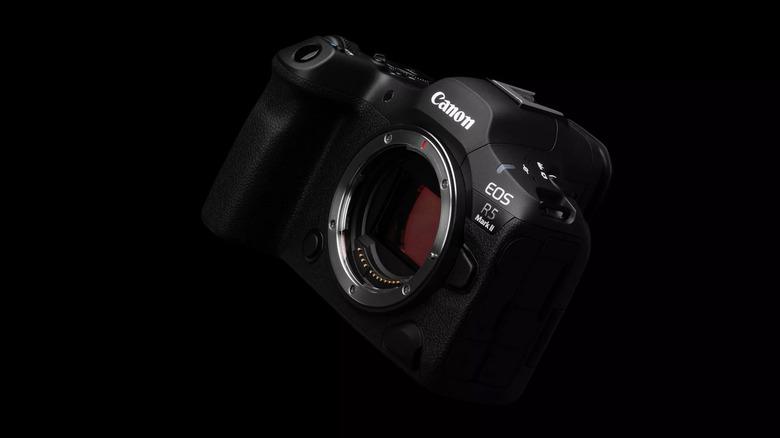
The verdict for the modern creative is clear: Yes, a digital camera is absolutely worth buying, provided you are willing to trade the convenience of "point-and-shoot" automation for the artistic control and superior image fidelity that only a dedicated system can provide.
The Evolution of the Imaging Landscape: A Brief Chronology
To understand the current state of the market, we must look at the trajectory of the last decade.
- 2016–2019: The Smartphone Surge: During this period, the smartphone camera became the primary imaging device for the general public. Brands focused on software-driven HDR and rudimentary portrait modes, signaling a shift away from compact, entry-level point-and-shoots.
- 2020–2022: The Mirrorless Pivot: As smartphones dominated the low-end market, camera manufacturers like Sony, Canon, and Nikon doubled down on high-end mirrorless technology. They abandoned the mechanical mirror of the DSLR in favor of electronic viewfinders and faster, AI-driven autofocus systems.
- 2023–2025: The Rise of the Creator Economy: The explosion of short-form video content forced manufacturers to pivot. Cameras like the Sony ZV-E1 were released specifically for vloggers, featuring articulating screens and specialized auto-framing capabilities.
- 2026: The Specialized Era: Today, we see a bifurcated market. Smartphones handle the "utility" of photography (documenting life, scanning documents, quick social media updates), while digital cameras have become specialized tools for enthusiasts and professionals who prioritize quality, depth, and creative intent.
Why Digital Cameras Still Hold the Crown
While the "best camera is the one you have with you" remains a popular mantra, it is often used to ignore the limitations of mobile optics. A digital camera offers distinct advantages that no amount of software processing can replicate.
The Physics of the Sensor
The most significant disparity between a smartphone and a dedicated camera is the physical size of the image sensor. A larger sensor gathers significantly more light and information, resulting in better dynamic range, improved low-light performance, and a natural, optical-based background blur (bokeh) that isn’t artificially generated by an algorithm.
Creative Intent and Manual Control
Smartphones are designed to make every photo look "good" immediately. They apply sharpening, contrast, and noise reduction before you even see the final image. A digital camera, by contrast, acts as a blank canvas. It captures raw data, giving the photographer full agency over the final aesthetic. Whether you want to crush the blacks for a moody, high-contrast look or maintain specific color accuracy for a landscape, the workflow of a dedicated camera is designed for the creator, not the consumer.
Versatility Beyond the Lens
The modern market offers a specialized solution for every niche. For wildlife photographers, the Sony RX10 V offers an incredible 24-600mm optical zoom—an impossible feat for the slim form factor of a phone. For action sports, devices like the GoPro Mission 1 Pro provide durability and frame rates that would shatter a smartphone. For the street photographer or the portrait enthusiast, the sheer variety of prime lenses available for mirrorless systems allows for a stylistic range that is simply unattainable with fixed-focal-length mobile lenses.
Supporting Data: The Cost-to-Performance Ratio
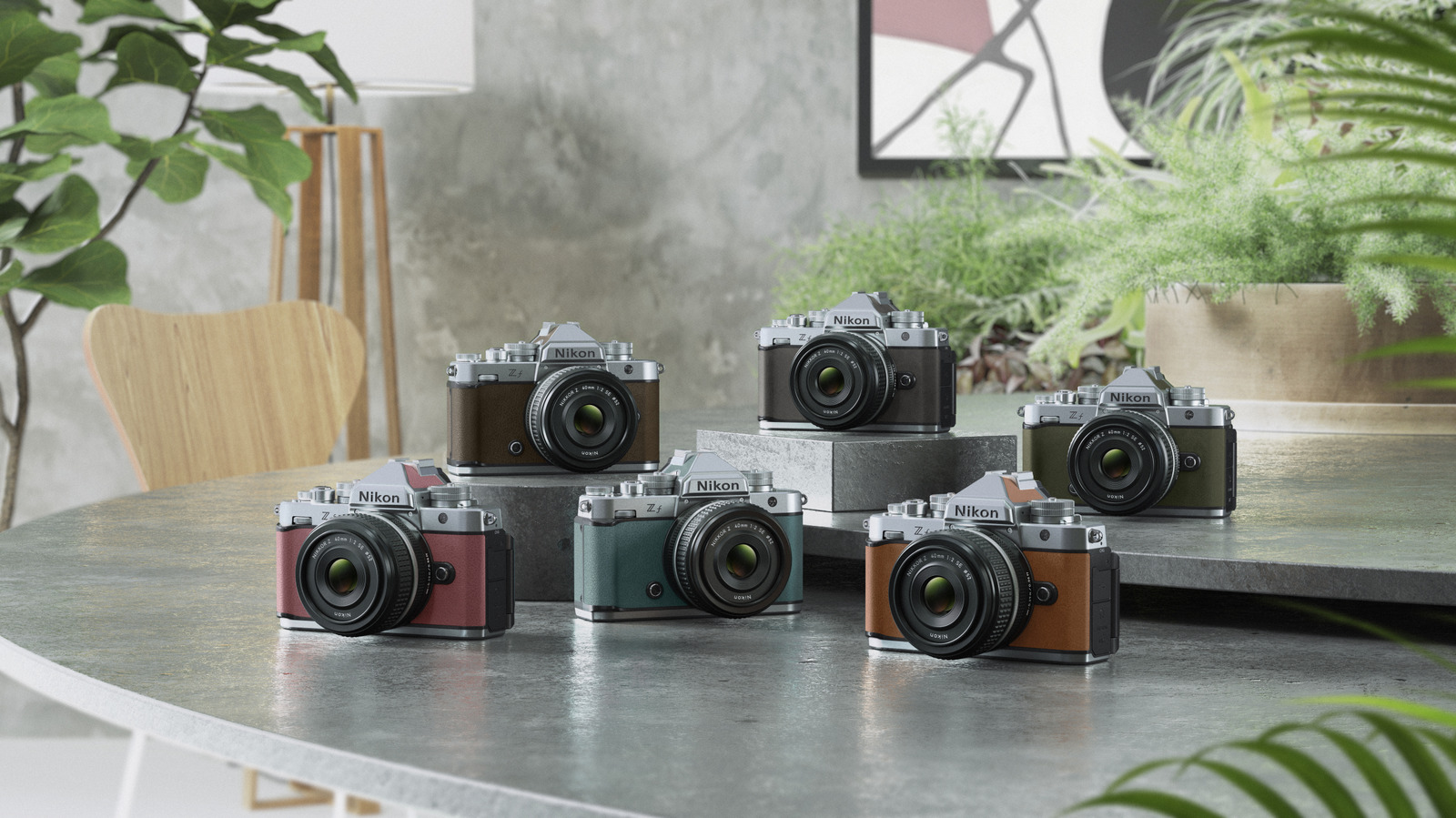
Critics often point to the price tag as the primary deterrent for purchasing a digital camera. While a top-tier setup like a Sony A7R VI or a high-end Nikon Z-series body paired with professional glass can easily exceed $5,000, the entry-level market has remained surprisingly accessible.
Options such as the Canon EOS R100, which retails for approximately $500, represent the "sweet spot" for many consumers. For the price of a mid-range smartphone upgrade, a user can acquire an interchangeable lens system that provides a significant leap in image quality. When one considers that a camera body can last for a decade or more, whereas a smartphone is often replaced every two to three years, the long-term investment value of a digital camera becomes much more apparent.
Industry Perspectives: Is Convenience the Enemy of Art?
We reached out to industry analysts regarding the current market shift. The consensus among professionals is that the "convenience" of the smartphone has actually created a new generation of photographers hungry for more.
"We are seeing a trend where users start with mobile photography, hit the ‘ceiling’ of what software can do, and then migrate to digital cameras," says one camera manufacturer representative. "The goal isn’t to replace the phone, but to supplement it. You use your phone for the story, and your camera for the art."
The industry has responded by focusing on features that make the transition easier. Modern cameras now include seamless cloud integration, wireless file transfers, and user-friendly interfaces that mimic the simplicity of smartphone menus, effectively bridging the gap between complexity and accessibility.
The Downsides: A Realistic Assessment
To remain objective, one must acknowledge the inherent challenges of adopting a dedicated camera system in 2026:
- The "Weight" of Photography: A camera requires a bag, extra batteries, lenses, and memory cards. It is an active decision to take a photo, rather than a passive one.
- The Post-Processing Requirement: Unlike a phone, which processes photos in milliseconds, a digital camera requires an intentional workflow. You must move files to a computer, utilize software like Lightroom or Capture One, and invest time into editing. For some, this is a meditative, rewarding process; for others, it is an unnecessary chore.
- The Learning Curve: Understanding aperture, shutter speed, and ISO takes time. A digital camera does not hide its complexity behind a "smart" filter. You must learn the craft to achieve the results you desire.
Implications for the Future
As we look toward the latter half of the decade, the divide between mobile and dedicated photography will likely become more pronounced. Smartphones will continue to dominate the consumer market through AI advancements, potentially integrating even more sophisticated sensor-shifting technologies. However, the dedicated camera market is shifting toward a "luxury and craft" space.
Manufacturers are focusing on the tactile experience—the satisfying click of a shutter, the precision of a manual focus ring, and the build quality of magnesium-alloy bodies. These are experiences that cannot be replicated on a glass screen.
Conclusion: Should You Make the Leap?
The decision to buy a digital camera in 2026 is no longer about "better" versus "worse." It is about the type of experience you want to have. If you are satisfied with the instant gratification of a digital snapshot and the convenience of a pocket-sized device, your smartphone is likely all you need.
However, if you find yourself frustrated by the "over-processed" look of phone photos, if you desire the ability to capture wildlife at a distance, or if you simply want to turn photography into a lifelong, evolving hobby, a digital camera is an investment in your own creativity. You will get out of it exactly what you put in. In an increasingly automated world, the act of manually crafting a photograph is not just a technical endeavor—it is a deeply human one.