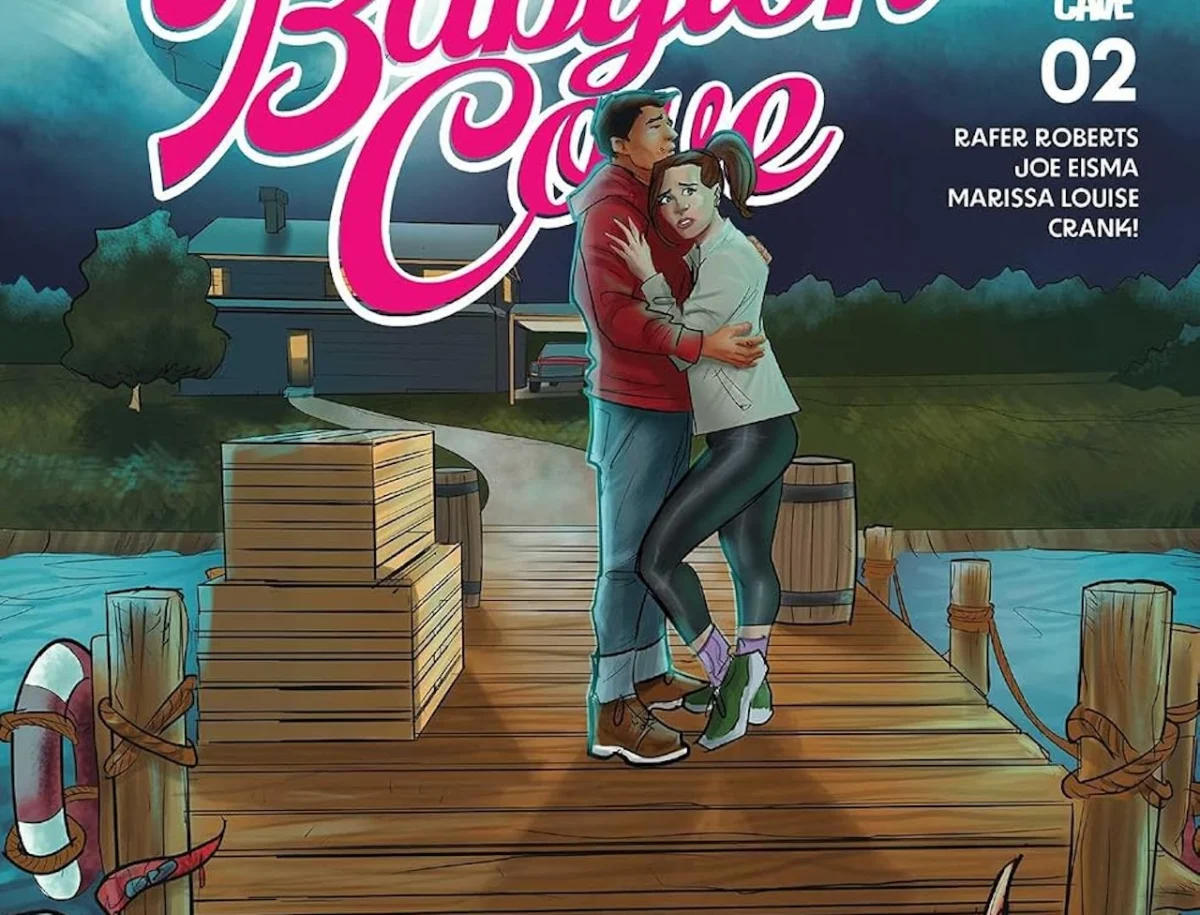
The landscape of modern horror comics is often dominated by relentless gore or hyper-stylized psychological thrillers. However, Mad Cave Studios’ latest offering, Babylon Cove, has carved out a unique, unsettling niche by daring to blend the saccharine, formulaic tropes of a small-town Hallmark romance with the existential, cosmic dread of Lovecraftian horror. With the release of Babylon Cove #2, written by Rafer Roberts with atmospheric artwork by Joe Eisma and evocative colors by Marissa Louise, the miniseries proves that this tonal tightrope walk is not just a gimmick—it is a compelling narrative engine.
Main Facts: A Genre-Bending Collision
At its core, Babylon Cove #2 continues the story of Heather Hutchens, a woman returning to her small-town roots only to find them infested with ancient, supernatural corruption. While the first issue established the premise, the second installment significantly raises the stakes.
The narrative centers on the tension between two distinct realities: the mundane, often cringeworthy drama of high school sweethearts and local politics, and the encroaching shadow of the Corrodere Karthoni, a malevolent entity pulling the strings from the periphery. The brilliance of the book lies in its refusal to choose a lane. One moment, the reader is navigating the awkward, stifling social hierarchies of a forgotten town; the next, they are confronted with visceral, eldritch imagery that would feel right at home in a Re-Animator adaptation.

Chronology: The Escalation of Despair
The trajectory of the miniseries in this second issue is defined by a distinct shift from "mystery" to "manifestation."
- The Re-establishment: Heather Hutchens settles into the claustrophobic environment of Babylon Cove. Her interactions with the local populace—most of whom harbor deep-seated resentment toward her—serve as the foundation for the "small-town drama" aspect of the story.
- The Relational Web: We are introduced to the primary social dynamics: Charlie Kalua, the "nice guy" from high school who still carries a torch for Heather, and Dennis Dorsey, the former star jock turned mayor, whose history with Heather is marred by betrayal and infidelity.
- The Awakening of the Past: The narrative pivots toward the history of Heather’s father, an archaeologist whose past research—and the artifacts he brought home—appears to be the catalyst for the town’s current misery.
- The Horror Surge: As the issue progresses, the "Lovecraftian" elements transition from subtle, background unease to overt, gore-filled threats. The appearance of the Corrodere Karthoni becomes more frequent and more sinister, signaling that the "Hallmark" facade of the town is rapidly collapsing.
Supporting Data: Character Dynamics and Artistic Vision
The success of Babylon Cove #2 hinges on the deliberate characterization of its lead. Heather Hutchens is, by all traditional literary standards, a deeply unlikeable protagonist. She is manipulative, cold, and consistently exploits the emotional vulnerability of those around her—specifically Charlie Kalua. In a genre where readers usually look for a hero to root for, Heather represents a challenge.
However, this is precisely where Roberts’ writing shines. By making Heather so abrasive, he forces the audience to engage with the story through a lens of moral ambiguity. Does she deserve redemption? Is she a victim of the curse she helped unleash, or is she the architect of her own demise?
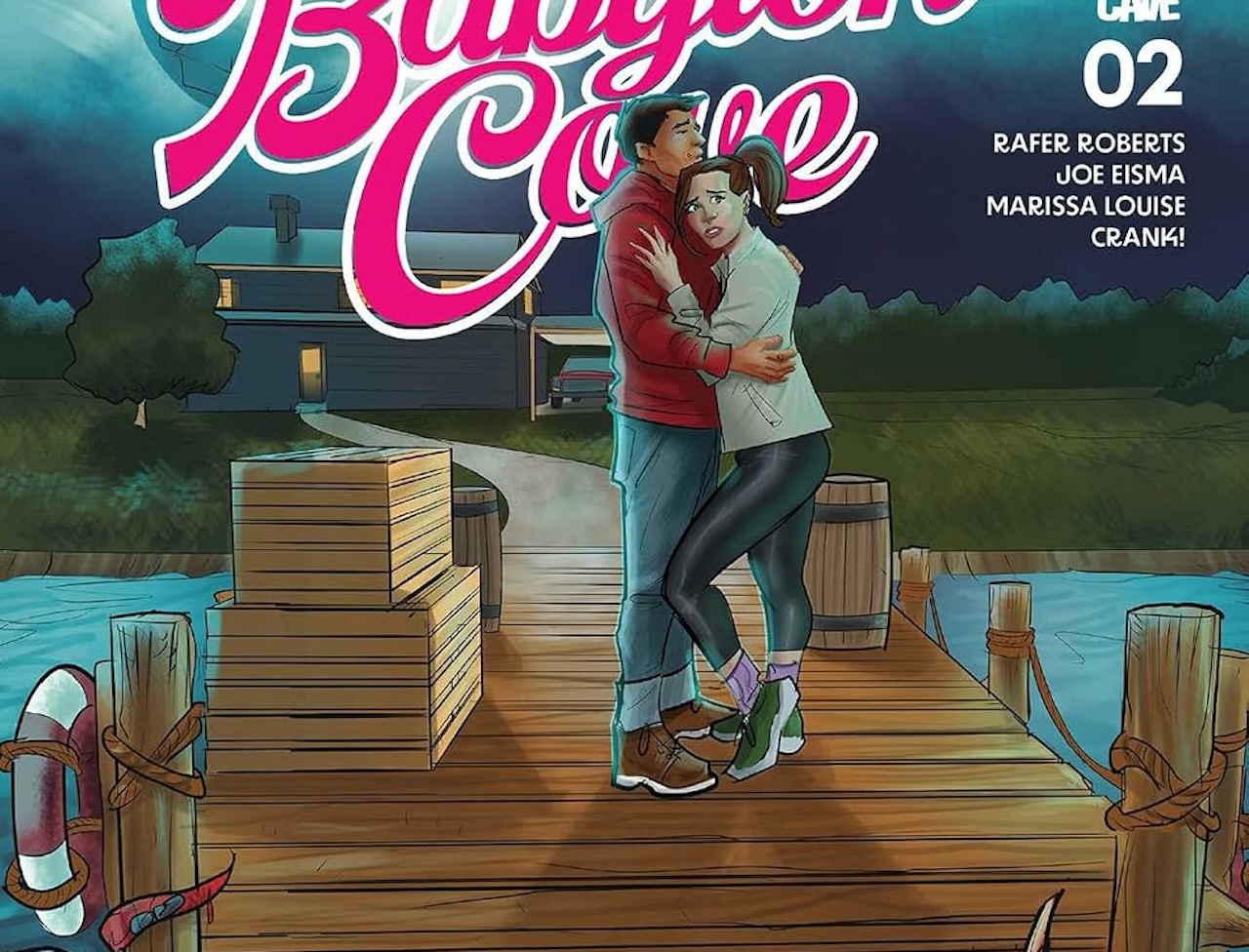
Joe Eisma’s art, bolstered by Marissa Louise’s color palette, serves to bridge the gap between the two genres. Eisma excels at the "Hallmark" aesthetic—clean lines, cozy interiors, and recognizable suburban archetypes—which makes the sudden intrusion of grotesque, Lovecraftian detail all the more jarring. When the horror hits, it hits hard, utilizing the contrast to amplify the visceral impact of the supernatural threats. The transition from a quiet conversation in a Mayor’s office to the unsettling, eldritch presence of the Corrodere Karthoni is handled with a level of visual pacing that feels cinematic.
Official Responses and Creative Context
While official statements from Mad Cave Studios emphasize the horror elements, the creative team has been vocal about the importance of the "small-town" aspect of the book. Rafer Roberts has noted in various interviews that the "cheesy romance" tropes are not meant to be mocked, but rather utilized as a structural scaffold. By grounding the story in the familiar, the horror becomes more effective.
The inclusion of the Corrodere Karthoni provides a "Dark Shadows" style of menace that keeps the plot moving. The creative team has hinted that as the miniseries continues, the "curse" of the town will be revealed to be tied directly to the artifacts discovered by Heather’s father, suggesting that the upcoming issues will lean even further into the lore of the Lovecraftian pantheon.

Implications: A New Era for Genre Hybrids
The implications of Babylon Cove #2 are significant for the comic book industry. It demonstrates a growing appetite for "high-low" genre mixing. By juxtaposing the emotional stakes of a romance novel with the existential terror of cosmic horror, the book captures a unique demographic of readers.
- Narrative Versatility: The success of this issue suggests that readers are becoming more receptive to stories that refuse to fit neatly into a single category. The "Hallmark-horror" sub-genre could potentially see more exploration if this series continues to perform well.
- Character Complexity: The choice to center the story on a deeply flawed, and at times reprehensible, character is a trend that allows for more realistic character arcs. It moves away from the "chosen one" trope and toward a "consequence-driven" narrative.
- Thematic Depth: At its heart, the book is asking a fundamental question: Can a person outrun their past, or is the past a tangible, physical entity that will eventually come to claim its due? By linking personal history (the failed romances) with external horror (the ancient curse), Roberts is creating a metaphor for trauma that feels both grounded and terrifyingly otherworldly.
Conclusion
Babylon Cove #2 is a bold, confident step forward for the miniseries. It takes the risks established in the first issue and doubles down on them. By refusing to soften the edges of its protagonist or dilute the intensity of its horror, it creates a viewing experience that is as infuriating as it is addictive.
As the story progresses, the question remains: will the town of Babylon Cove survive the intersection of romantic baggage and eldritch annihilation? And more importantly, does Heather Hutchens deserve to be the one to save it? With its potent mix of suburban ennui and cosmic dread, Babylon Cove has firmly established itself as one of the most intriguing horror titles of the year. Readers who enjoy the juxtaposition of the mundane and the monstrous will find themselves thoroughly ensnared by the dark, romantic, and utterly terrifying world that Roberts, Eisma, and Louise have constructed. The stage is set for a climax that promises to be as emotional as it is blood-soaked.