

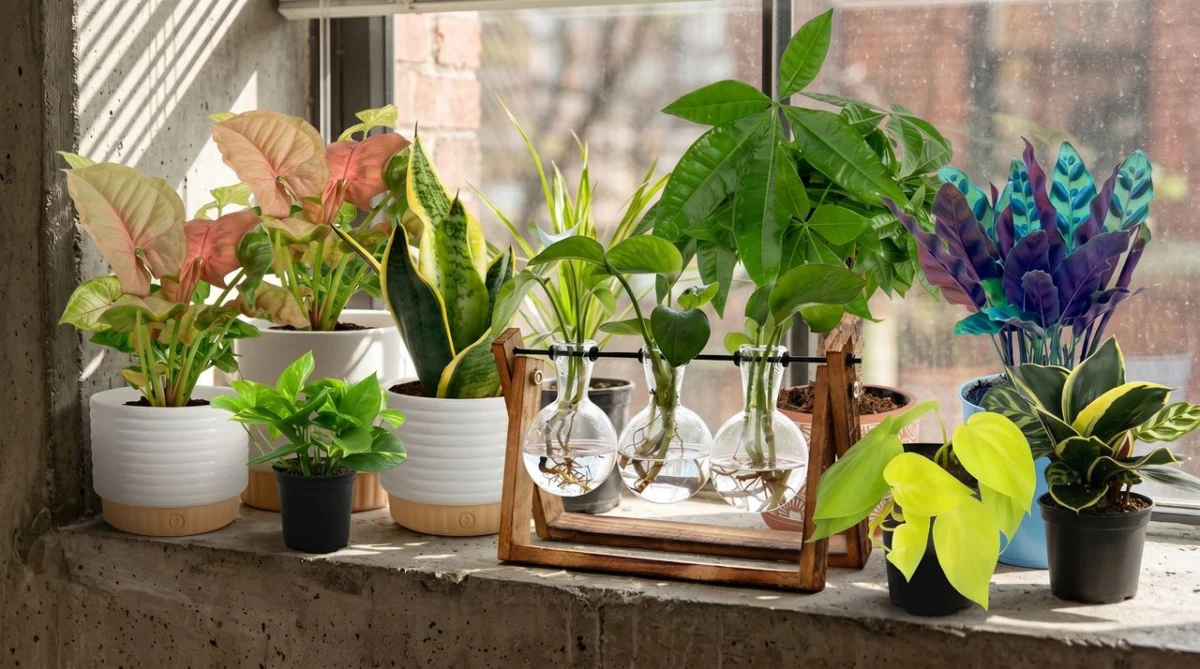
In the modern professional landscape, the boundary between the sterile, high-tech workspace and the natural world has become increasingly blurred. As employees spend more time tethered to screens, the psychological and physical benefits of biophilic design—the practice of connecting people and nature within our built environments—have moved from a niche architectural concept to a mainstream workplace priority.
Adding greenery to your desk is more than a simple aesthetic choice; it is an investment in your well-being, your focus, and your long-term creative output. Whether you are working from a home office or a bustling corporate headquarters, the presence of foliage has been clinically shown to reduce stress, improve air quality, and provide a much-needed visual reset for tired eyes.
The Science of Green: Why Plants Belong at Your Desk
The integration of indoor plants into office environments is backed by a growing body of scientific research. It is no longer merely a trend championed by design blogs; it is a fundamental shift in workplace ergonomics.
The Air-Purifying Phenomenon
Beyond their visual appeal, many house plants act as natural air filters. Research conducted by NASA in its "Clean Air Study" famously highlighted that certain species, such as the Snake Plant and Spider Plant, are exceptionally efficient at removing common volatile organic compounds (VOCs) like benzene, formaldehyde, and trichloroethylene from the air. In an office setting, where printers, carpets, and synthetic materials can off-gas these chemicals, plants provide a vital, low-cost solution for improved indoor air quality.
Psychological Restoration and Stress Reduction
A study published in the Journal of Environmental Psychology suggests that even a minimal presence of nature in an office can lead to significant reductions in stress markers. When we view greenery, our brains shift from a state of "directed attention"—the intense, draining focus required to stare at a monitor—to "soft fascination." This state allows our cognitive reserves to replenish, effectively resetting our ability to focus on complex tasks.
Chronology: From Corporate Cubicles to Home Office Jungles
To understand the current obsession with desk plants, we must look at the evolution of the office environment over the last three decades.
- The 1990s: The Era of Sterile Minimalism. The late 20th century prioritized efficiency and gray-scale aesthetics. The "cubicle farm" was the standard, and living things were rarely permitted unless they were low-maintenance silk plants.
- The 2010s: The Rise of Biophilic Design. As tech giants like Google and Apple began redesigning their campuses with massive green walls and indoor atriums, the message was clear: nature is fuel for innovation. This trickled down to the individual level, as desk plants became a badge of office culture.
- 2020–2022: The Pandemic Shift. With millions of professionals transitioning to remote work, the home office became a sanctuary. The "indoor jungle" movement exploded on social media, with professionals curating their backgrounds for Zoom calls with lush, vibrant greenery.
- 2023–Present: The Hybrid Equilibrium. Today, the desk plant is a staple of both the corporate office and the home office. It represents a "portable" piece of comfort that employees take with them to define their space, regardless of where they are working.
Supporting Data: The Productivity Dividend
The case for desk plants is supported by both qualitative and quantitative data. When surveyed, workers in "green" offices consistently report higher levels of job satisfaction.
1. Increased Productivity
Research led by the University of Exeter found that lean office spaces—those devoid of plants or art—actually hinder productivity. When employees were given a desk with even a small plant, their productivity levels increased by 15%. This is likely due to the combination of improved air quality and the psychological benefit of a more "humanized" environment.
2. Reduced Absenteeism
Studies conducted in office buildings in Norway showed that the introduction of plants resulted in lower rates of sick leave. By mitigating the "Sick Building Syndrome"—a condition where occupants experience acute health and comfort effects linked to time spent in a building—plants help keep the workforce healthier and more present.
3. Humidity and Comfort
In air-conditioned office environments, humidity levels often drop, leading to dry skin and eye irritation. Plants undergo a process called transpiration, releasing moisture into the air. A well-placed cluster of desk plants can help maintain a more comfortable micro-climate, preventing the "drying out" effect of artificial HVAC systems.
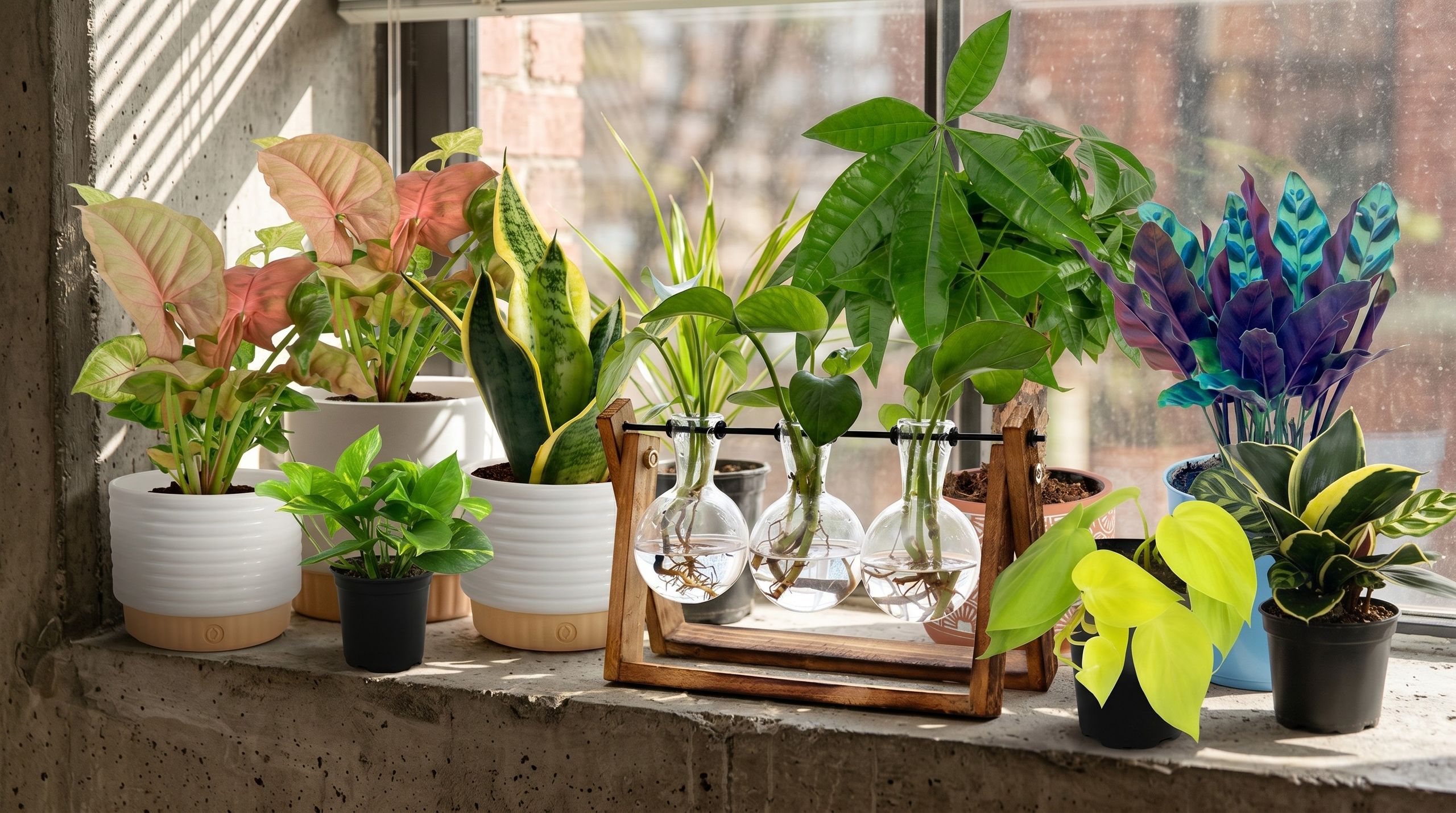
Curating Your Green Space: What to Choose
Not all plants are created equal when it comes to the office environment. Low-light tolerance, durability, and non-toxicity are key factors to consider.
The Best "Set-It-and-Forget-It" Options
- Snake Plants (Sansevieria): These are the titans of office plants. They thrive in fluorescent light and can go weeks without water. Their structural, vertical leaves make them perfect for small desk corners.
- ZZ Plants (Zamioculcas zamiifolia): Known for their waxy, deep green leaves, these plants are virtually indestructible. They handle low light with ease and are perfect for offices with minimal natural sunlight.
- Pothos (Epipremnum aureum): For those who want a trailing, aesthetic look, the Pothos is ideal. It’s a fast grower and will tell you when it needs water by slightly drooping its leaves.
Maintenance Tips for the Busy Professional
- Avoid Overwatering: The #1 cause of death for office plants is "loving them too much." Always check the soil moisture before adding more water.
- Dust the Leaves: In an office, dust can accumulate on leaves, blocking sunlight. Wiping them down with a damp cloth every few weeks keeps them healthy and vibrant.
- Consistency is Key: Plants do not like to be moved constantly. Find a spot with consistent light and leave them there to adjust to the environment.
Official Perspectives: Architects and Ergonomists
Industry leaders in workplace design are now standardizing the inclusion of flora in their office plans.
"We no longer look at a desk as just a surface for a laptop," says Marcus Thorne, a lead consultant in commercial interior design. "We look at the desk as a sensory environment. If an employee is staring at a flat, gray screen for eight hours, they need a counterpoint. A plant provides texture, color, and a sense of growth. It reminds the worker that they are a human being, not just a function of the computer."
Ergonomists also note that while chairs and keyboards manage the physical strain of the body, plants manage the "mental strain" of the mind. When paired with the right ergonomic equipment—such as supportive office chairs for back health or fidget toys for tactile stress relief—plants complete the holistic "healthy desk" ecosystem.
Implications: Building a Sustainable Future
The shift toward greener workspaces has significant implications for both companies and individuals.
For corporations, the ROI on "greening" the office is clear: reduced turnover, higher employee engagement, and lower healthcare costs. As we continue to navigate the complexities of the hybrid working era, the office of the future will not be measured by the number of square feet, but by the quality of the environment within those feet.
For the individual, the practice of caring for a plant is a form of mindfulness. In a world that moves at the speed of high-frequency trading and instant messaging, the slow, deliberate growth of a plant is a grounding force. It is a reminder to slow down, breathe, and appreciate the living world, even from behind a screen.
Final Thoughts
Whether you opt for a hardy Snake Plant to guard your monitor or a sprawling Pothos to cascade down your bookshelf, the choice to bring nature indoors is a meaningful one. It transforms your workspace from a place of mere obligation into a space of inspiration and recovery.
As you look to optimize your desk for the coming year, remember that the most effective tools for productivity aren’t always found in a software update or a new hardware purchase. Sometimes, the best way to move forward is to get back to the basics—and let a little bit of nature grow alongside you.











No comments yet. Be the first to join the conversation!