Siti Muinah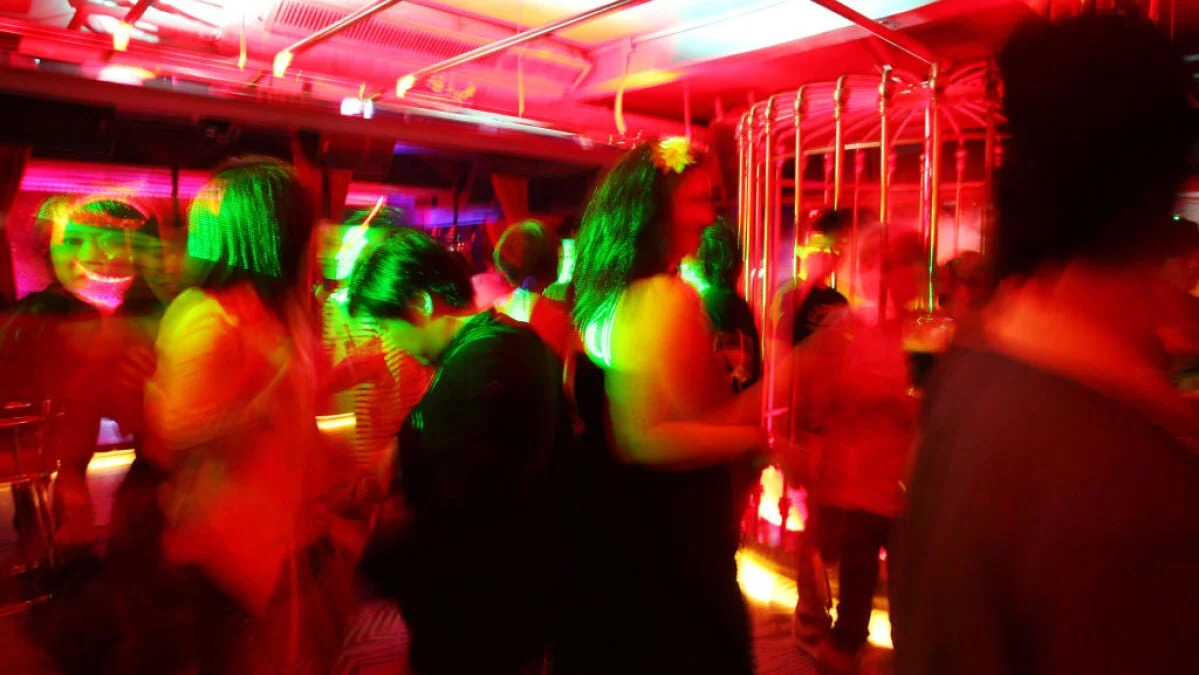
In the quiet, picturesque landscape of Greenfield, Massachusetts—a town of roughly 17,000 residents—the intersection of public health policy and queer community identity has erupted into a firestorm of digital vitriol. What began as a routine operational adjustment at the "Last Ditch," a local lesbian bar and arts venue, has spiraled into a national media spectacle. The controversy, initially detailed in an exhaustive, 1,500-word feature by The Boston Globe, has become the latest case study in how niche community disputes are transformed into high-octane, polarizing content for the 24-hour news cycle.
The Last Ditch is far from a standard tavern. As one of only 36 lesbian bars remaining in the United States, according to the Lesbian Bar Project, it occupies a fragile and essential space in the American cultural landscape. In a post-pandemic era characterized by the shuttering of queer nightlife venues and a broader decline in communal social spaces, the Last Ditch represents a rare sanctuary. Yet, in late August, that sanctuary found itself under siege—not from external forces, but from the very community it was designed to serve.
A Policy Shift and the Digital Powder Keg
The incident, which has drawn comparisons to viral sensations like The New Yorker’s "Cat Person" or "Bad Art Friend," began with an Instagram post on August 31. The leadership of the Last Ditch announced a pivot in their COVID-19 safety protocols. Previously, the venue had maintained a strict KN-95 masking policy for all patrons at all times. The update signaled a move toward "mask-optional" events, specifically designating Saturday nights as spaces where masking would no longer be mandated.
The backlash was instantaneous and visceral. Within hours, the venue’s comment section devolved from constructive dialogue into a torrent of outrage. Former patrons, feeling that their perception of safety had been fundamentally betrayed, accused the owners of ableism and racism. The rhetoric escalated rapidly; commenters labeled the policy shift a "mass disabling event" and characterized the owners as perpetrators of a "eugenicist" attack.
"People like you kill disabled people in the name of your own leisure and convenience," read one particularly incendiary comment. As the vitriol intensified, some users went as far as to issue threats of violence, including calls for the venue to be firebombed.
Chronology of a Crisis
The Globe’s reporting meticulously tracks the rapid disintegration of the situation:
- August 31: The Last Ditch publishes an Instagram post outlining the updated masking policy for Saturday nights.
- Early September: The comments section becomes a battleground. The bar’s leadership attempts to navigate the deluge, leading to a cycle of apologies, half-retractions, and defensive statements.
- Mid-September: The conflict spills out of the comments section into public meetings. Local community members, COVID-conscious advocacy collectives, and the bar’s management attempt to mediate the dispute, but the divisions prove too deep.
- Late September: The Boston Globe publishes its long-form feature, documenting the absurdity of the anecdotes, the intensity of the insults, and the bizarre personal details—such as the fact that one of the bar’s owners is currently enrolled in clown school—which quickly became fodder for internet mockery.
The Anatomy of Viral Ridicule
As the story moved from local Massachusetts news to the broader digital ether, the tone of the discourse shifted from concern to derision. Twitter (now X) and other platforms became galleries for the most extreme comments. Screenshots of the conflict were shared thousands of times, with users dissecting the "bizarre" nature of the dispute.
For many, the appeal was in the absurdity: the juxtaposition of high-stakes, life-or-death language ("eugenicist attack") against the reality of a small-town bar where one owner is studying to be a clown. The story was quickly elevated to "main character" status, with the internet treating it as a theater of the absurd.
However, beneath the veneer of snarky memes and "clown school" jokes lay a more troubling current. The viral nature of the story acted as a lightning rod for bad-faith actors. Anti-queer sentiment quickly permeated the discourse. Many users, emboldened by the conflict, began to attack the identities of the staff and patrons, using images stolen from the bar’s social media pages to engage in body shaming and homophobic harassment. Others used the incident as a cudgel to mock progressive politics at large, framing the entire ordeal as evidence of "intergalactic woke batcrapitude."
The Weight of Queer Spaces
The Last Ditch debacle is not an isolated event. It is part of a growing trend in which queer spaces are subjected to intense, often performative public scrutiny. In 2024, a similar controversy erupted around the New York City institution Cubbyhole, involving a TikTok influencer. In both instances, the question of "who belongs" in a queer space and what constitutes a "safe space" was hijacked by external audiences who were not part of the community in question.
The irony of the situation is palpable. A group of individuals, who in April 2024 wrote a public plea stating they opened the bar with a "burning desire to keep unapologetically queer spaces alive" and "not to make money," has now been thrust into the center of a profit-driven media engine. The Boston Globe reportedly saw a surge of over 1,000 new subscribers as a direct result of the traffic generated by the story. While the venue may gain some notoriety-driven foot traffic, the social cost—the permanent fracturing of their local community and the targeted harassment of its leadership—is significant.
Implications for Public Discourse
The Last Ditch situation highlights three critical, and perhaps alarming, trends in contemporary discourse:
- The Weaponization of Accountability: While the call for accessibility in queer spaces is legitimate and necessary, the digital age has transformed the process of accountability into a performance of purity. When a venue or individual fails to meet an evolving standard, the reaction is often punitive rather than restorative, leading to total social exile or, in this case, a toxic standoff.
- The "Main Character" Phenomenon: The internet’s propensity to turn local, nuanced conflicts into national entertainment strips away the context. By the time a local story hits the viral threshold, the original actors have lost control of their narrative. They become characters in a play written by total strangers.
- The Vulnerability of Niche Spaces: Lesbian bars are already on the brink of extinction. When these spaces become the subject of national ridicule, they are not only damaged locally but are further marginalized. The "internet gaze" is rarely kind to those who are already fighting for survival.
Conclusion: The Cost of Visibility
As of today, the Last Ditch remains open, yet its reputation has been irrevocably altered. The "minutiae" of a small-town nightlife dispute served its purpose for the 24-hour news cycle, providing a compelling narrative arc about the clash between safety, liberty, and the limits of online discourse.
However, for the queer community in Greenfield, the consequences are far from "viral." They are tangible. The incident serves as a grim reminder that in the age of the algorithm, the most vulnerable spaces are the most susceptible to being dismantled by the very tools intended to foster connection. Whether the bar can recover its status as a sanctuary or whether it will remain a cautionary tale in the annals of digital history remains to be seen. What is clear, however, is that when a local struggle for identity and safety is fed into the digital meat grinder, the result is rarely justice—it is simply content.

 Sagoh
Sagoh
 Rifan Muazin