


For today’s small business owner, social media has graduated from a supplementary marketing channel to the primary engine of revenue, customer retention, and market share expansion. In an era defined by rapid digital discovery and community-driven commerce, the ability to cultivate a brand presence online is no longer optional—it is a survival imperative.
However, the transition from "posting content" to "driving growth" requires more than just a smartphone and an account. It demands an agile, data-backed strategy that aligns creative output with measurable business outcomes. As we navigate the digital landscape of 2026, this guide serves as a comprehensive framework for small businesses looking to scale their operations, optimize their reach, and maximize their return on investment (ROI).
Main Facts: The Evolution of Social Business
The fundamental shift in the 2026 digital economy is the move toward "social-first" business models. While traditional marketing relies on broad, one-way broadcasts, modern social media marketing operates as a two-way conversation.

The primary fact for business leaders to recognize is that social media is a revenue driver, not just a brand awareness tool. By leveraging precise targeting, real-time analytics, and high-frequency touchpoints, small businesses can now achieve levels of market penetration that were once reserved for enterprise-level corporations with massive advertising budgets.
Chronology of Modern Social Growth
To understand the current state of play, one must look at how the role of social platforms has evolved:
- 2020–2022 (The Discovery Phase): The pandemic accelerated the digital transformation, forcing local businesses to embrace social media simply to communicate hours and availability.
- 2023–2024 (The Engagement Phase): Businesses shifted focus toward building "digital storefronts," utilizing features like shoppable posts and direct-message customer service.
- 2025–2026 (The Conversion Phase): The current era is defined by the integration of AI-assisted content creation, social search optimization (SSO), and centralized management systems. Businesses are no longer just "being online"; they are architecting complex sales funnels directly within social apps.
Supporting Data: Why Strategy Beats Volume
The impact of social media is best understood through a comparative lens. When evaluating the effectiveness of traditional vs. modern social marketing, the data reveals significant advantages for the agile, social-focused team.

| Business Impact | Traditional Marketing | Social Media Marketing |
|---|---|---|
| Metrics | Delayed (Weeks/Months) | Real-time (Instant) |
| Engagement | One-way broadcast | Two-way, humanized connection |
| Cost | High overhead/Production costs | Organic (Free) or Paid (Scalable) |
| Speed to Market | Slower, rigid production cycles | Instant, reactive publication |
| Targeting | Broad demographic assumptions | Precise, intent-based segments |
As noted in the 2026 Social Media Content Strategy Report, 52% of consumers now view social platforms as their primary destination for discovering new products. Furthermore, 85% of consumers across all generational cohorts maintain active Facebook profiles, cementing the platform’s role as the "digital town square" for local commerce.
Proven Engagement Strategies
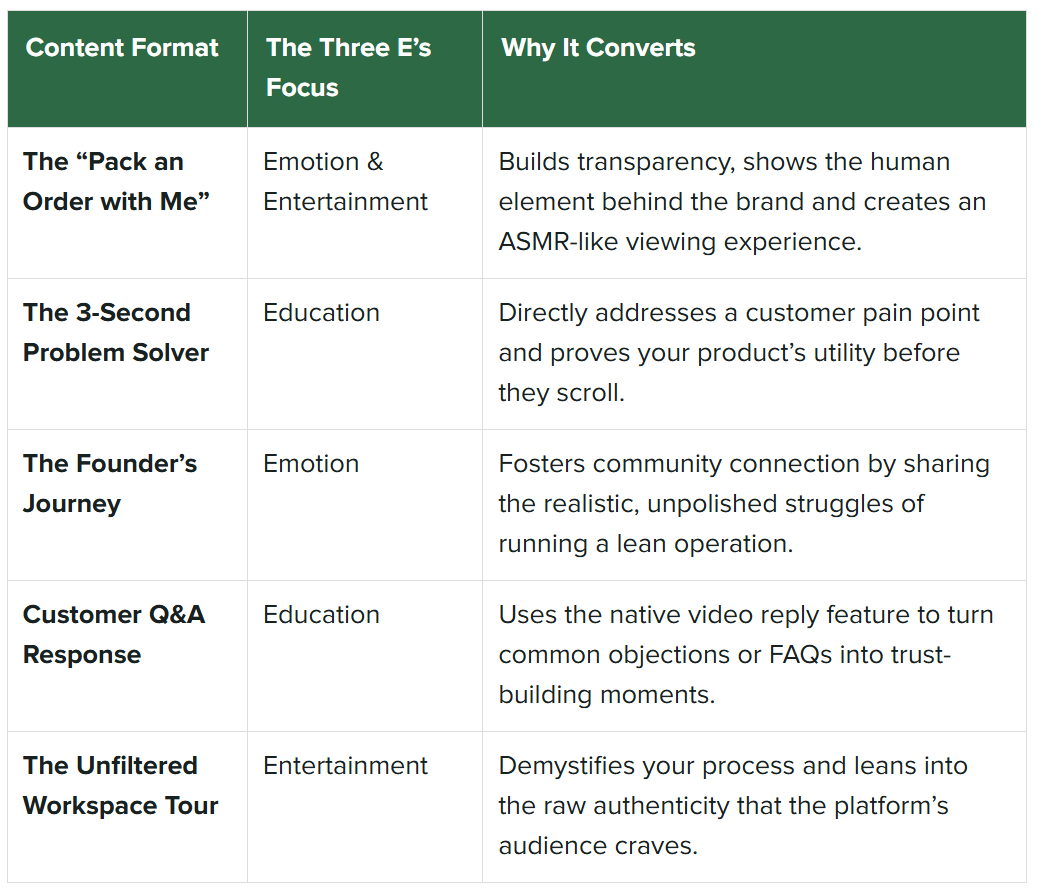
High-impact social media marketing doesn’t require a massive department; it requires intentionality. Even the leanest teams can drive results by adopting the "Three E’s" framework: Entertainment, Education, and Emotion.
1. Humanizing the Brand
Consumers today crave authenticity. Founder-led content—such as behind-the-scenes vlogs showing the packing of orders or the struggles of small-business ownership—creates an emotional connection that polished, corporate-style ads cannot replicate.
2. Leveraging Social Search Optimization (SSO)
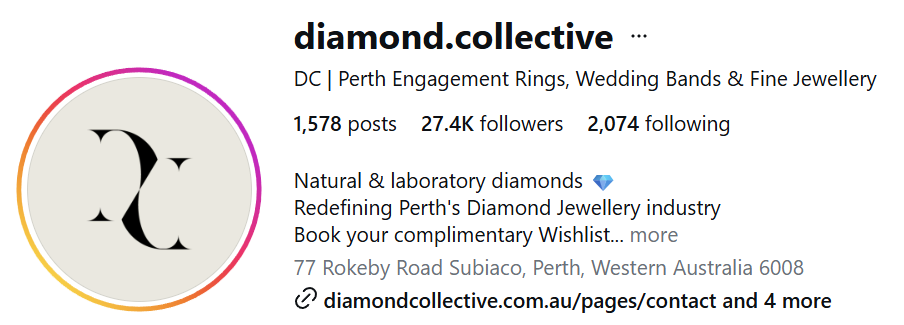
Search is moving away from traditional browsers and into social platforms. By optimizing Instagram profiles with high-intent keywords in the "Name" field (e.g., "Austin Coffee Shop | Fresh Pastries") and utilizing descriptive, keyword-rich captions on TikTok, businesses ensure they appear when potential customers search for specific solutions.
3. The Power of Visual Identity
High-quality visuals remain the bedrock of engagement. Using tools like the Sprout Social Essentials image editor allows teams to crop, resize, and optimize visuals in-house, ensuring that the brand’s aesthetic remains consistent across all platforms without the need for expensive design software or third-party agencies.
Platform-Specific Growth Tactics
Instagram: The Video-First Mandate
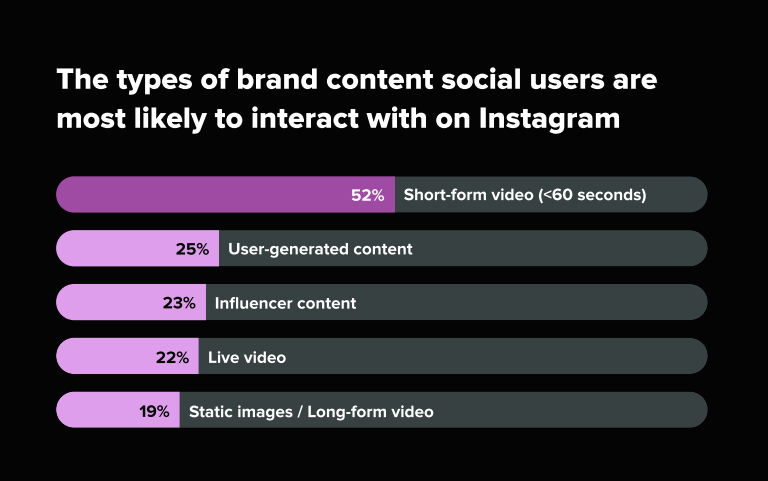
Short-form video (<60 seconds) is currently the top-performing content type on Instagram. Reels are no longer just an experiment; they are the primary driver of reach. Small businesses should focus on "value-add" Reels: product tutorials, myth-busting industry facts, and relatable employee stories.
TikTok: Mastering the Algorithm
TikTok remains the gold standard for organic discovery. The "For You Page" (FYP) provides a level playing field where even new accounts can reach thousands of users if their content hits the "Three E’s." Use trending audio to increase discoverability, but ensure your "hook"—the first three seconds of the video—is compelling enough to stop a user from scrolling.
Facebook: The Community Anchor
While younger platforms capture the "viral" attention, Facebook dominates in local community building. Small businesses should join and contribute to local interest groups. The strategy here is not to sell, but to provide value. By hosting events—like a local book club at a brewery or a workshop at a hardware store—businesses foster long-term loyalty that turns casual followers into repeat customers.
Official Perspectives: Capacity and Workflow
A recurring challenge for small businesses is burnout. The "hidden tax" of social media is the time lost when manually jumping between apps to post, engage, and analyze performance.
Industry experts emphasize that a centralized social management system is no longer a luxury, but a necessity for sustainability. By utilizing a platform like Sprout Social Essentials, teams can:
- Batch Content: Schedule posts for the entire week in one sitting.
- Centralize Analytics: View cross-channel performance data to identify which topics drive the most revenue.
- Streamline Communication: Manage comments and messages in a single dashboard to ensure no customer inquiry goes unanswered.
Implications for Future Growth
The path forward is clear: the businesses that thrive in 2026 will be those that treat social media as an integrated business operation rather than an afterthought.
Setting Realistic Objectives
Growth should not be measured by vanity metrics like "likes." Instead, focus on KPIs that directly impact the bottom line:

- Conversion Rate: What percentage of social traffic leads to a purchase?
- Cost Per Acquisition (CPA): How much does it cost to acquire a new customer through paid social?
- Retention Rate: How often do existing customers interact with your content?
The Path Forward
To achieve these goals, owners must conduct an honest audit of their team’s bandwidth. If your team is stretched thin, prioritize platforms where your audience is most active rather than trying to be everywhere at once.
Consistency is the ultimate competitive advantage. By establishing a sustainable workflow—one that leverages automation for scheduling and data-driven insights for strategy—your business can scale its presence, foster brand loyalty, and secure its place in the modern marketplace.
Take the next step in your digital transformation. For lean teams ready to professionalize their social media approach, start your 30-day Sprout Social Essentials trial today. By simplifying your workflow, you reclaim the time necessary to focus on what matters most: growing your business.












No comments yet. Be the first to join the conversation!