

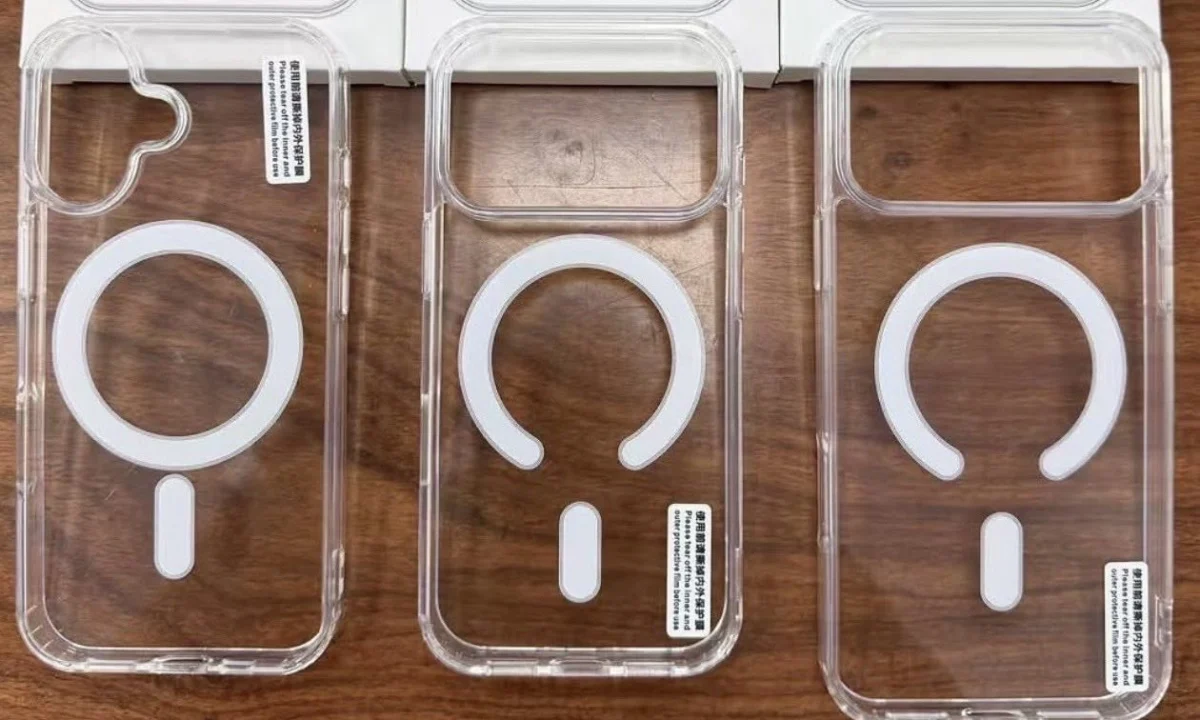
As the technology industry approaches the expected autumn launch window for the next generation of Apple’s flagship handsets, a clearer picture of the iPhone 18 series is beginning to emerge. Based on the latest round of supply chain leaks and photographic evidence of manufacturing dummy cases, it appears that while Apple is sticking to a familiar design language, the Pro lineup is set to undergo a physical transformation that will render your current collection of accessories obsolete.
While the smartphone market has recently seen a trend toward ultra-thin, almost ethereal designs—with companies like Apple itself slimming down its MacBook Pro line—the upcoming iPhone 18 Pro and Pro Max seem to be moving in the opposite direction. These devices are reportedly gaining a noticeable "waistline," a hardware evolution driven by internal performance demands that will inevitably lead to a cycle of accessory turnover for loyal customers.
The Core Facts: A Familiar Look with a New Profile
The latest leaks, surfacing via known supply chain leaker MajinBuofficia, provide a comprehensive look at the protective cases for the upcoming iPhone 18, 18 Pro, and 18 Pro Max. At first glance, the aesthetic remains unmistakably Apple. The unibody aluminum design, the placement of buttons, and the overall geometry align with the design language established in the previous two generations.
However, the physical dimensions tell a different story. The cases for the Pro and Pro Max variants indicate a thicker chassis. This is a deliberate shift, moving away from the quest for absolute thinness in favor of functional internal upgrades. For the average user, this means that the precision-molded silicone, leather, or hybrid cases currently protecting their iPhone 17 will not fit the new hardware. The tighter tolerances of modern phone cases mean that even a fraction of a millimeter in extra thickness is enough to prevent a proper fit, forcing users to invest in new protective gear from day one.

Chronology of the Leak and Design Evolution
The timeline of these leaks suggests a deliberate development phase at Apple that has been unfolding over the last several months:
- Early 2026: Initial rumors regarding the A20 Pro chipset began circulating, with industry insiders hinting at a move toward a 2nm manufacturing process. At this stage, speculation focused on power efficiency rather than physical form factor.
- March 2026: Early CAD (Computer-Aided Design) renders appeared on tech forums, showing a slightly deeper camera bump, sparking early concern about device thickness.
- May 2026: The definitive "case leak" occurred. MajinBuofficia released imagery of physical dummy cases, which solidified the narrative. The images clearly show the Pro models requiring more internal volume than their predecessors.
- Future Outlook: We expect further leaks regarding screen-to-body ratios and the rumored "shrinking" Dynamic Island to surface in late June or July as production ramps up for the September keynote event.
Supporting Data: Why the Bulk?
The central question remains: Why is Apple allowing its flagship phones to become thicker in an era where thinness is often synonymous with premium quality? The answer lies in the engineering requirements of the next-generation camera system.
Reports consistently indicate that the iPhone 18 Pro models will feature a new 48MP variable aperture camera system. A variable aperture mechanism is a significant leap forward in mobile photography, allowing the lens to physically adjust its opening size to control light intake and depth of field, similar to a DSLR camera.
The Engineering Trade-off
Traditional smartphone cameras are fixed-focus or have limited optical movement. A true variable aperture system requires a more complex mechanical assembly—more lenses, more motors, and a larger footprint. This hardware stack simply cannot fit within the slim, flat profiles of the previous iPhone generations. Apple’s decision to increase the thickness is a classic trade-off: they are sacrificing a thinner device profile to offer a superior, more versatile imaging experience.

Furthermore, as the device thickens, it may also provide additional room for a higher-density battery or improved thermal management systems, both of which are critical for supporting the power-hungry A20 Pro chipset.
The Anomaly: The Mystery of the Base Model iPhone 18
A puzzling element of the latest leaks is the inclusion of a case for the vanilla iPhone 18. Under Apple’s rumored "staggered release" strategy, the base model iPhone 18 is not slated for a traditional autumn launch. Instead, industry analysts have suggested a spring 2027 arrival for the non-Pro models, allowing Apple to separate the flagship Pro launch from the mass-market device cycle.
The presence of a case for the base model in these leaks leads to two possible conclusions:
- Supply Chain Inaccuracy: It is entirely possible that case manufacturers, working off incomplete or misinterpreted data, have produced "placeholder" cases for a device that is still in the early stages of design.
- Strategy Shift: Apple may have decided to abandon the staggered release entirely, opting instead for a unified global launch across the entire iPhone 18 family.
Until we see verified design renders for the base model, we should treat the "vanilla" iPhone 18 case reports with a degree of skepticism.

Official Responses and Corporate Silence
As is standard practice, Apple has not commented on these leaks. The company maintains a "wall of silence" regarding unannounced hardware, relying on its legal team to curb unauthorized disclosures from the supply chain. However, the consistent nature of these leaks—coming from multiple, unrelated sources—suggests that the design for the iPhone 18 Pro is already finalized and that mass production trials are likely underway.
When asked for comment, Apple spokespeople typically point to the company’s commitment to innovation and "pushing the boundaries of what is possible in a mobile device." Internally, the decision to prioritize the camera array over the device’s thinness likely signals that the marketing narrative for the iPhone 18 will center heavily on professional-grade photography and computational capability.
Implications for Consumers and the Market
The implications of this design shift are twofold:
1. The Accessory Economy
For accessory manufacturers, this is a bittersweet reality. While they will lose out on sales of older, discounted cases, they gain a guaranteed revenue stream as millions of users will be forced to purchase new cases upon upgrading to the iPhone 18 Pro. This is a boon for third-party accessory makers, though it remains a point of friction for consumers who prefer to keep their cases for multiple device generations.

2. The User Experience
For the end user, the "growing waistline" might actually be a welcome change. Modern smartphones have reached a point of diminishing returns regarding thinness; a slightly thicker phone can offer better ergonomics, a larger battery, and a more robust internal structure. If the cost of a slightly heavier phone is a camera system that rivals dedicated mirrorless cameras, the majority of users are likely to embrace the change.
Looking Ahead
Beyond the camera and the thickness, the iPhone 18 Pro is shaping up to be a powerhouse. With the A20 Pro chip built on 2nm process technology, we can expect significant leaps in AI processing and energy efficiency. Add in the rumored smaller Dynamic Island, improved satellite connectivity, and new color finishes, and the iPhone 18 Pro looks like a substantial, albeit iterative, upgrade.
While the "boring" design reuse of the past few years may have frustrated some, the shift toward a thicker, more capable device suggests that Apple is finally prioritizing hardware function over pure aesthetics. Whether this gamble pays off will be decided this coming September, when the world finally gets its hands on the new, slightly bulkier, but theoretically more powerful iPhone 18 Pro. Until then, hold onto your wallets—and prepare to shop for new cases.












No comments yet. Be the first to join the conversation!