

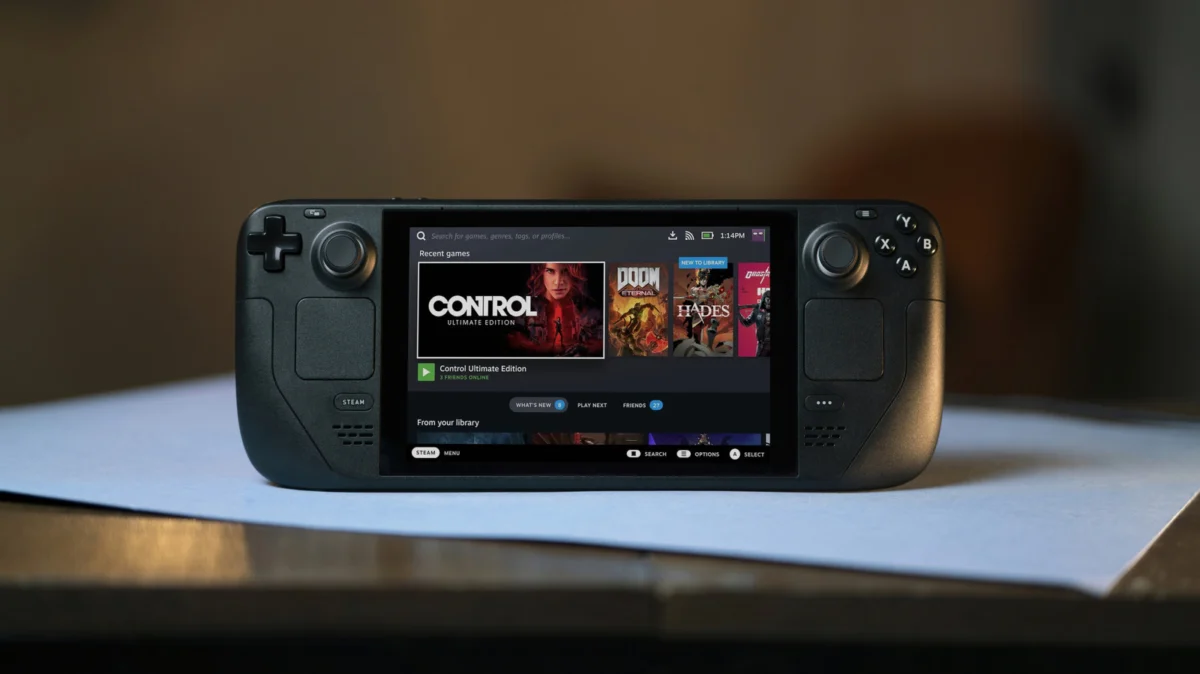
When the Steam Deck first launched in February 2022, it felt like a disruptive miracle. It promised the expansive library of a PC in a portable form factor, effectively democratizing mobile high-fidelity gaming. Four years later, the landscape of handheld gaming has shifted dramatically. Caught in the crossfire of the global “RAMageddon”—a lingering memory shortage driven by the insatiable appetite of AI data centers—the tech industry is facing unprecedented price hikes. Even Valve, once the bastion of accessible hardware, has been forced to increase the Steam Deck’s price by as much as $300.
As we navigate 2026, the market is crowded with powerful contenders. With the Asus ROG Xbox Ally, the Lenovo Legion Go, and the Nintendo Switch 2 vying for shelf space, the question for consumers has moved from "Should I buy a Steam Deck?" to "Is the Steam Deck still the smartest investment?"
The Economic Context: The "RAMageddon" Effect
To understand the current state of handheld pricing, one must look at the macro-economic environment. The semiconductor industry is currently operating under the shadow of "RAMageddon." As AI companies hoard memory chips to power large language models and neural networks, the cost of manufacturing consumer electronics has ballooned.
Historically, gaming consoles followed a deflationary curve—their prices would drop as components became cheaper to manufacture over time. Today, that model has inverted. The Steam Deck’s recent price hike is a direct reflection of this scarcity. For the average consumer, this means that the barrier to entry for mobile PC gaming has risen significantly, necessitating a much more critical evaluation of value.
A Chronology of the Handheld Revolution
- February 2022: Valve releases the original Steam Deck, setting a new gold standard for handheld PC gaming.
- 2022–2023: Unreal Engine 5 reaches widespread adoption, pushing graphical fidelity to new heights and creating "taxing" workloads that older mobile hardware struggles to handle.
- Late 2023: Valve releases the Steam Deck OLED. While it offers a stunning screen and superior battery life, it provides no substantial raw performance upgrades over the base model.
- 2024–2025: Competitors like Asus and Lenovo saturate the market with high-performance devices, many utilizing Windows or specialized iterations of SteamOS.
- September 2026: The Nintendo Switch 2 launches, introducing DLSS and HDR support to the Nintendo ecosystem. Simultaneously, widespread hardware price adjustments hit the market due to the ongoing memory shortage.
Benchmarking the Titans: Performance and Competition
The Steam Deck’s most direct competition comes from the Asus ROG Xbox Ally (and the refined Ally X) and the Lenovo Legion Go. In raw performance metrics, the Deck is beginning to show its age.
When subjected to the 3DMark Time Spy benchmark—a gold standard for measuring GPU and CPU throughput—both the Asus and Lenovo lines consistently outperform the Steam Deck. While the Steam Deck remains highly efficient, it cannot keep pace with the raw frame-rate output of the Ally X or the high-end Legion Go configurations. However, performance is not purely a numbers game. In many real-world scenarios, the gap between the Steam Deck and its rivals is often a matter of a few frames per second—a difference that may be imperceptible during casual play but glaring for competitive gamers.
The OS Divide: Windows vs. SteamOS
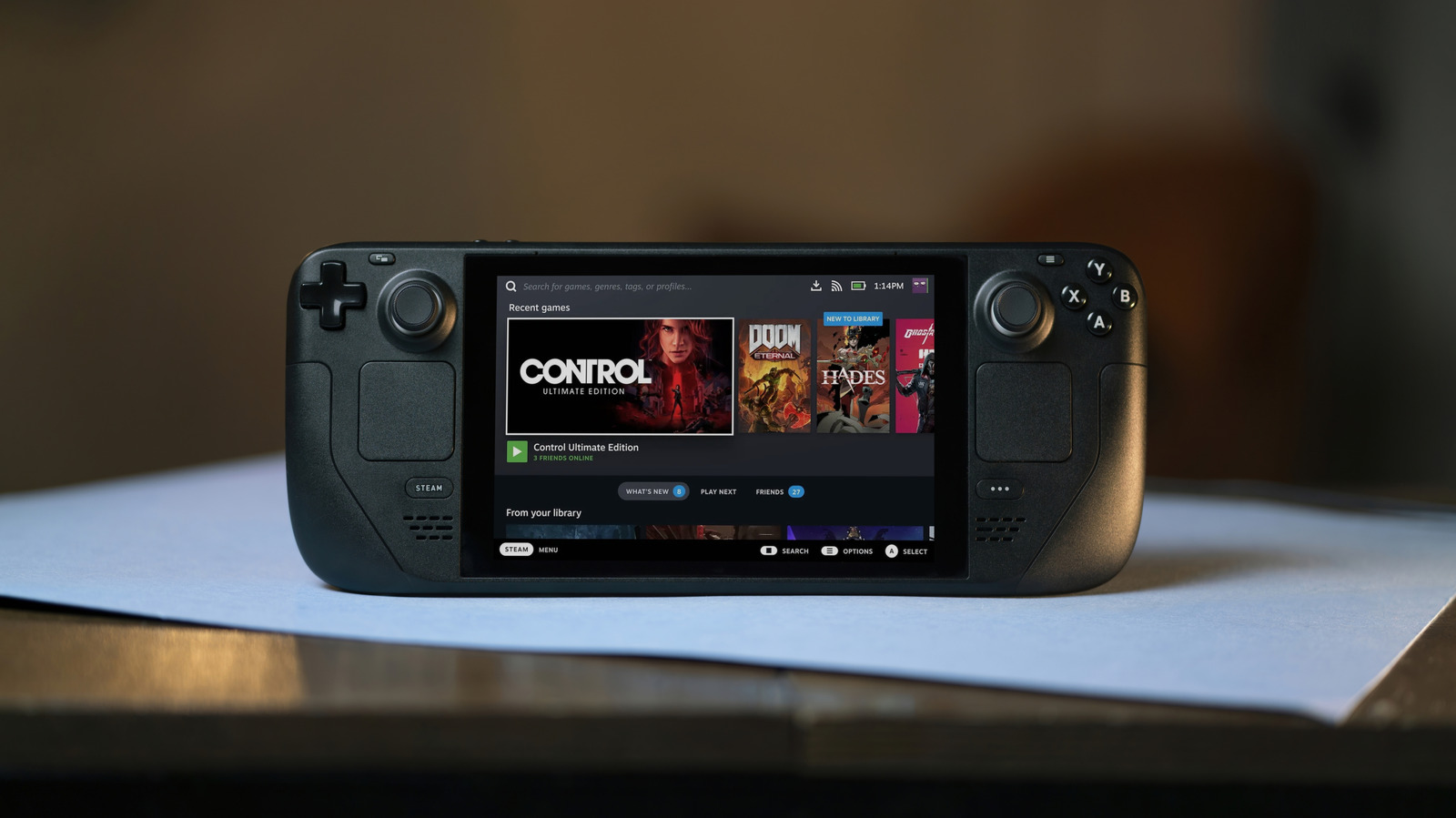
The most significant differentiator remains the operating system. The Xbox Ally lineup, while powerful, is frequently criticized for its reliance on Windows. While Windows offers unparalleled compatibility with various launchers (like Xbox Game Pass, Epic, and EA), it is notoriously clunky in a handheld form factor.
Lenovo has attempted to bridge this gap by offering versions of the Legion Go that run SteamOS, an approach that mimics the seamless, console-like experience that made the original Steam Deck a success. For users who prioritize "pick-up-and-play" functionality, this is a massive advantage over the Windows-tethered alternatives.
The Case for the Nintendo Switch 2
While the Steam Deck occupies the "PC-in-your-pocket" niche, the Nintendo Switch 2 has emerged as a formidable alternative for a different demographic. With a price point of $500 as of late 2026, it remains the most economically viable option for the average gamer.
More importantly, the Switch 2 introduces two critical technologies that the Steam Deck lacks: native support for Nvidia’s DLSS (Deep Learning Super Sampling) and broad HDR support. DLSS is a game-changer for portable devices, allowing the Switch 2 to render games at lower resolutions and use AI upscaling to provide crisp, high-definition visuals without taxing the battery or the processor as heavily as traditional rendering.
Implications for the Consumer
If you are currently deciding where to put your money, the decision hinges on three primary factors: your game library, your tolerance for complexity, and your physical needs.
1. The Library Factor
If your gaming life exists almost entirely within the Steam ecosystem, the Steam Deck is still the most cohesive choice. Its integration with your library is unparalleled. However, it is vital to remember the Linux-based limitations. Titles that utilize aggressive kernel-level anti-cheat software—such as Fortnite or Call of Duty: Warzone—remain largely unplayable on the Steam Deck. If these are your "main" games, you are essentially forced into a Windows-based device like the Asus ROG Ally.
2. Battery and Ergonomics
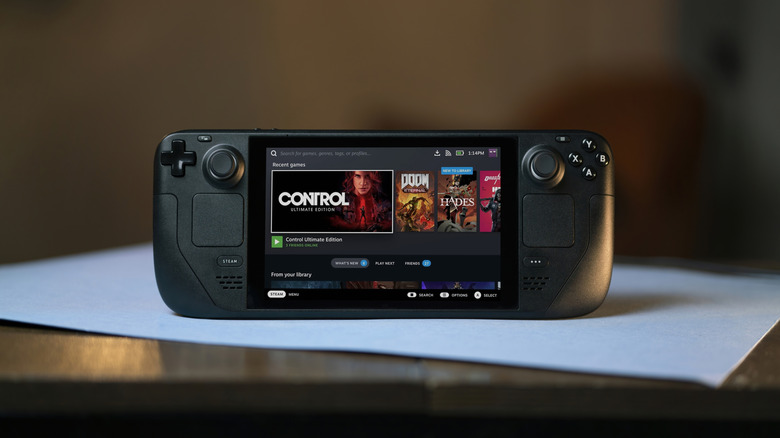
While the competitors often boast larger batteries on paper, the Steam Deck’s efficiency remains its greatest strength. In real-world testing, once the Xbox Ally or Legion Go are pushed to their maximum power settings, their battery life drains at an alarming rate. The Steam Deck, optimized for its specific hardware, consistently delivers longer playtime in demanding titles. Furthermore, the Steam Deck’s ergonomics—its weight and grip design—make it more comfortable for extended sessions compared to the heavier, more cumbersome Legion Go.
3. The Price-to-Performance Ratio
The market hierarchy in 2026 is clear:
- The Budget King: The Nintendo Switch 2. It is the most affordable and offers the most "next-gen" visual features (DLSS).
- The Balanced Choice: The Steam Deck OLED. It sits in the middle of the pack, offering the best user interface and comfort, provided you don’t need to play anti-cheat-heavy multiplayer titles.
- The Powerhouse: The Lenovo Legion Go and Asus ROG Ally X. These are for enthusiasts who demand the highest frame rates and are willing to deal with the complexities of a Windows operating system to get them.
Final Verdict: Is it still worth it?
The Steam Deck is no longer the "obvious" choice it was in 2022. The price increases have stripped away some of its "no-brainer" appeal, and the rise of the Switch 2 and high-performance Windows handhelds has created viable alternatives for almost every type of player.
However, the Steam Deck remains the most refined handheld experience on the market. Valve’s software stack, the sheer comfort of the hardware, and the reliability of the Steam ecosystem create a synergy that other manufacturers are still struggling to replicate. If you value a console-like experience and are not a competitive multiplayer gamer who needs the latest anti-cheat support, the Steam Deck remains a fantastic investment. But in 2026, it is a choice made with eyes wide open to the competition, rather than the singular option it once was.











