Lina Hope
Main Facts: Escaping the Heat in Oita’s Wilderness
As the mercury climbs during the Japanese summer, travelers traditionally flock to the charming, bustling streets of Yufuin. However, for those seeking a reprieve from the tourist crowds and the sweltering heat, the surrounding landscapes of Yufu City offer an alternative: a journey into the "secret" natural reservoirs of the Kuju Mountain Range.
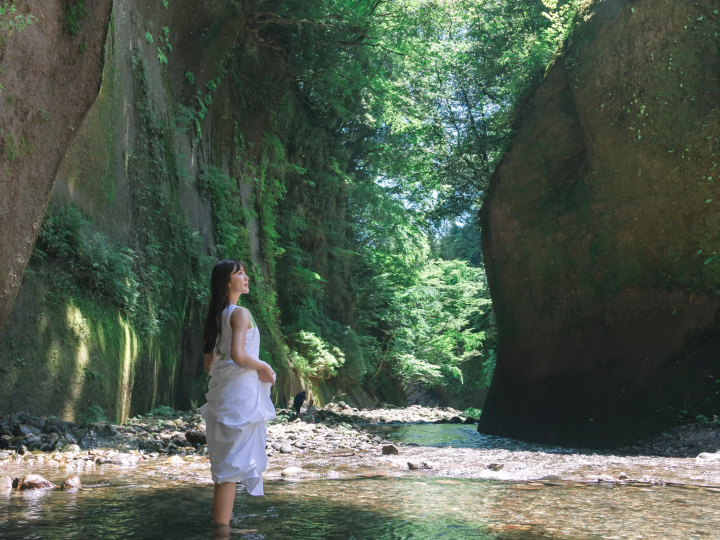
The primary highlights of this off-the-beaten-path excursion are the Oike Springs (Oike Pond) and the Yufugawa Gorge. These sites are not merely scenic overlooks; they represent geological and ecological treasures. Oike Springs, located at the base of Mount Kurodake, serves as a vital hydrological source for the Aso region, while the Yufugawa Gorge is a 12-kilometer geological wonder characterized by deep, moss-draped rock faces. Both locations offer a temperate microclimate that remains significantly cooler than the surrounding urban centers, making them prime destinations for a "forest bathing" (shinrin-yoku) experience.
Chronology of a Summer Expedition
For the modern traveler, a well-planned itinerary is essential to navigate these secluded spots.
- 09:00 AM – Arrival at Oike Springs: Located approximately 50 minutes by car from central Yufuin, the journey begins at the Oike Springs Management Office. A modest 100-yen cleaning cooperation fee grants access to the trails.
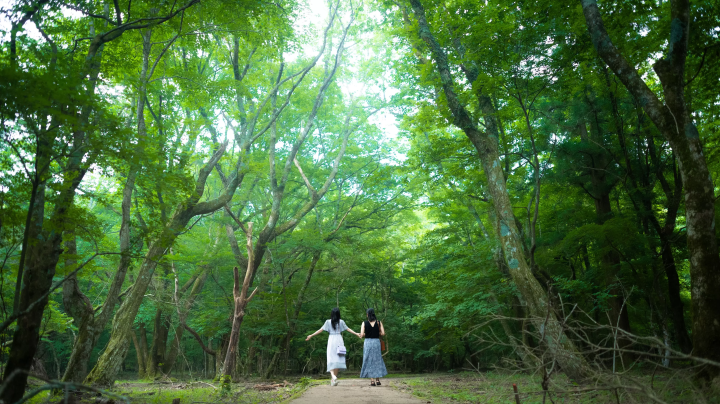
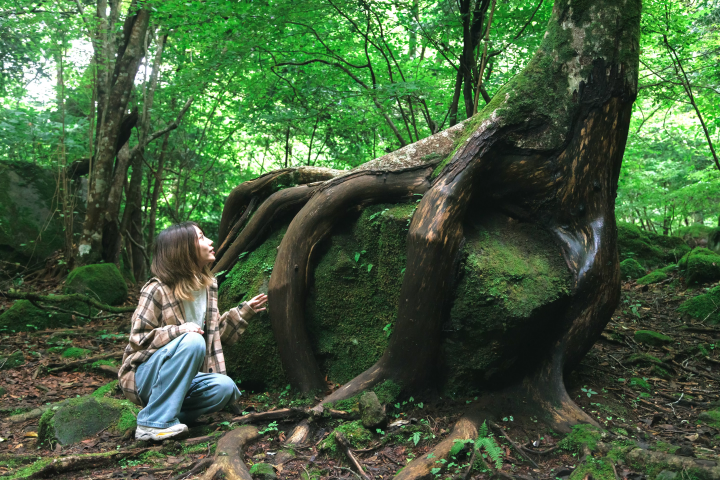
- 10:30 AM – The Primeval Forest Trek: Visitors traverse the Mt. Kurodake Primeval Forest, a protected national natural monument. The route is dotted with ancient flora, including the famous "tree that grasps the rock," a botanical marvel where tree roots have fused with massive boulders over centuries.
- 12:00 PM – The Meisui Waterfall: The trek culminates at this cascading waterfall, providing a surge of negative ions and a natural mist that acts as a sensory reset.
- 02:30 PM – Arrival at Yufugawa Gorge: A 30-minute drive leads to the entrance of the gorge. A descent of roughly 200 stairs takes visitors into the canyon floor, where the temperature drops noticeably.
- 04:30 PM – Riverside Refreshment: Utilizing the "Gorge Teahouse" ramune, visitors can experience the traditional Japanese practice of cooling beverages in natural river water.
- 06:30 PM – Evening in Yunohira Onsen: The trip concludes in the historic hot spring town of Yunohira, known for its Edo-period cobblestone streets and lanterns, providing a tranquil atmosphere to wind down after a day of exploration.
Supporting Data: Why the Temperature Drops
The appeal of these sites is backed by environmental conditions that favor the visitor.
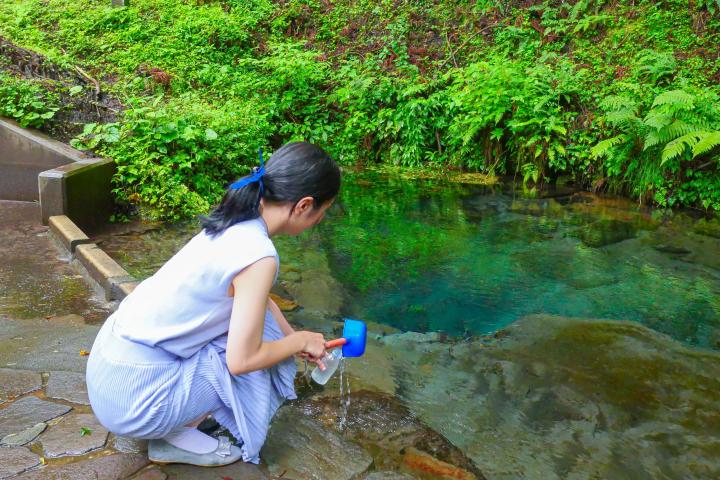
- Constant Temperatures: The spring water at Oike maintains a steady temperature of approximately 12.6°C throughout the year. This constant output creates a cooling effect on the surrounding forest air.
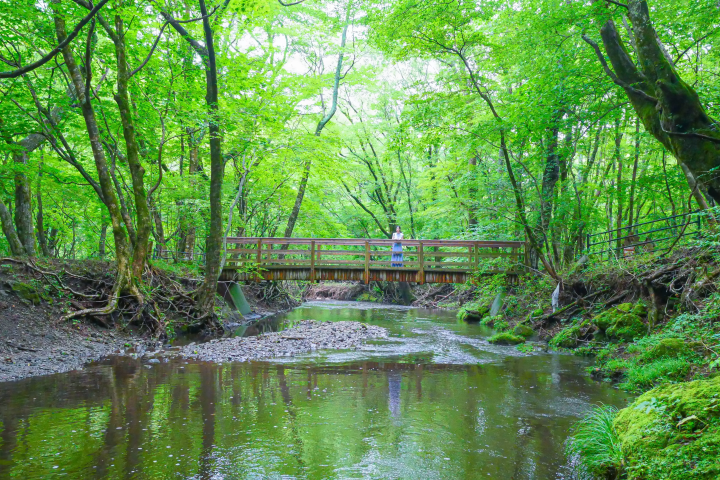
- Topographic Sheltering: Yufugawa Gorge acts as a natural wind tunnel and heat sink. Because the gorge reaches depths of up to 60 meters and narrows to as little as 2 meters in width, direct sunlight is limited, and the massive rock walls act as a thermal buffer, shielding the floor from the summer sun.
- Hydrological Significance: Oike Springs has been recognized by the Japanese Ministry of the Environment as one of the "100 Best Waters of Japan." Its purity and consistent flow rate are key indicators of the health of the local watershed, which remains largely untouched by industrial development.
Official Perspectives and Maintenance
The accessibility of these locations is maintained by local tourism associations and community management groups. The modest "cleaning cooperation fees" collected at both Oike Springs and Yufugawa Gorge are reinvested into path maintenance and environmental preservation.
Local officials emphasize the importance of "responsible tourism." Because the trails in the Mt. Kurodake Primeval Forest feature protruding tree roots and uneven terrain, visitors are cautioned to wear appropriate, sturdy footwear. The management boards strictly enforce a "leave no trace" policy, particularly regarding the Yufugawa Gorge, where the delicate moss and aquatic ecosystems are highly sensitive to human interaction. The goal is to balance the rising popularity of these "secret spots" with the necessity of protecting their pristine condition for future generations.
Implications for Sustainable Tourism
The push to promote Oike Springs and Yufugawa Gorge as alternatives to Yufuin’s main strip carries significant implications for the region’s tourism strategy.
Mitigating Over-tourism
Yufuin is a major international destination, often struggling with capacity constraints during peak seasons. By diverting a portion of the foot traffic to these secondary sites, the local government hopes to redistribute the economic benefits of tourism to the smaller, surrounding areas like Yunohira Onsen. This dispersion model not only alleviates the pressure on Yufuin’s infrastructure but also provides a more authentic, less "commercialized" experience for the visitor.
Promoting Wellness and Health
The concept of "negative ions" and "forest bathing" is deeply rooted in Japanese wellness culture. These sites are being positioned as "recharging stations." The physiological benefit of spending time in these high-oxygen, cool environments is increasingly recognized as a vital component of mental health, particularly for urban professionals fleeing the high-stress, high-heat environments of cities like Tokyo or Osaka.
The "Slow Travel" Philosophy
The inclusion of Yunohira Onsen as the final stop is a deliberate effort to encourage "slow travel." Unlike the "check-in and check-out" mentality often associated with short trips, the combination of hiking and hot springs promotes an overnight stay in a quieter, more traditional setting. This encourages visitors to engage with the local culture—eating at local teahouses, walking the cobblestone paths, and supporting small-scale ryokans (traditional inns).
Conclusion: The Call of the Wild
For the traveler who feels they have "seen it all" in Yufuin, these hidden gems offer a chance to rediscover the majesty of nature. Whether it is the emerald green waters of Oike, the dramatic, towering walls of the Yufugawa Gorge, or the nostalgic glow of the lanterns in Yunohira, these locations remind us that the most profound travel experiences are often found just a few kilometers off the main highway.
As you plan your next trip to Oita, consider stepping off the paved streets and into the cool, mossy embrace of the primeval forest. It is an invitation to slow down, breathe deeply, and reconnect with a side of Japan that remains timeless, mysterious, and refreshingly cold.


 Neng Nana
 Asro
Asro