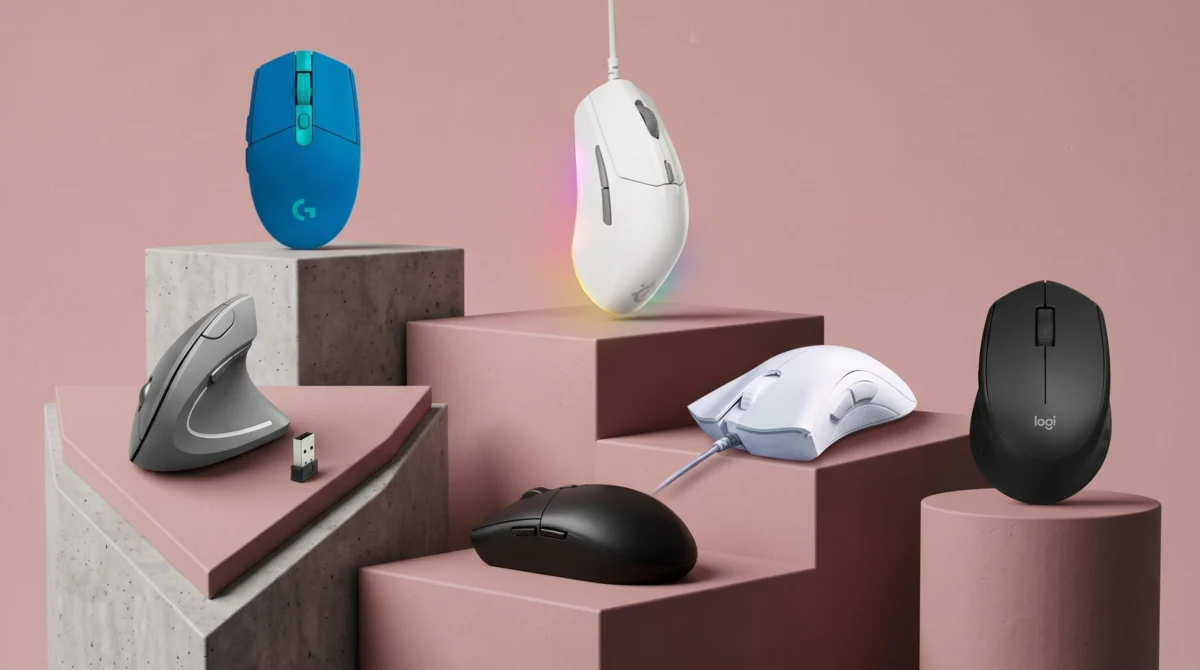
They are the unsung heroes of the modern workstation: small, unassuming, yet responsible for every pixel moved, every layer masked, and every line of code written. For many professionals—designers, editors, and writers—the PC mouse is often the final piece of the puzzle, a neglected afterthought in the pursuit of high-performance rigs, ultra-wide monitors, and ergonomic chairs.
However, as the professional landscape shifts toward remote and hybrid work, the quality of our input devices has become paramount. While the market is flooded with "pro-grade" peripherals that command triple-digit price tags, a growing consensus among tech enthusiasts and hardware reviewers suggests that you don’t need to spend a "small fortune" to achieve elite performance.
The Myth of the Premium Price Tag
For years, the industry narrative has been simple: if you want precision tracking, ultra-low latency, and ergonomic longevity, you must pay the "professional tax." This often leads consumers to invest in over-engineered mice that prioritize aesthetic flair—like excessive RGB lighting—over genuine utility.
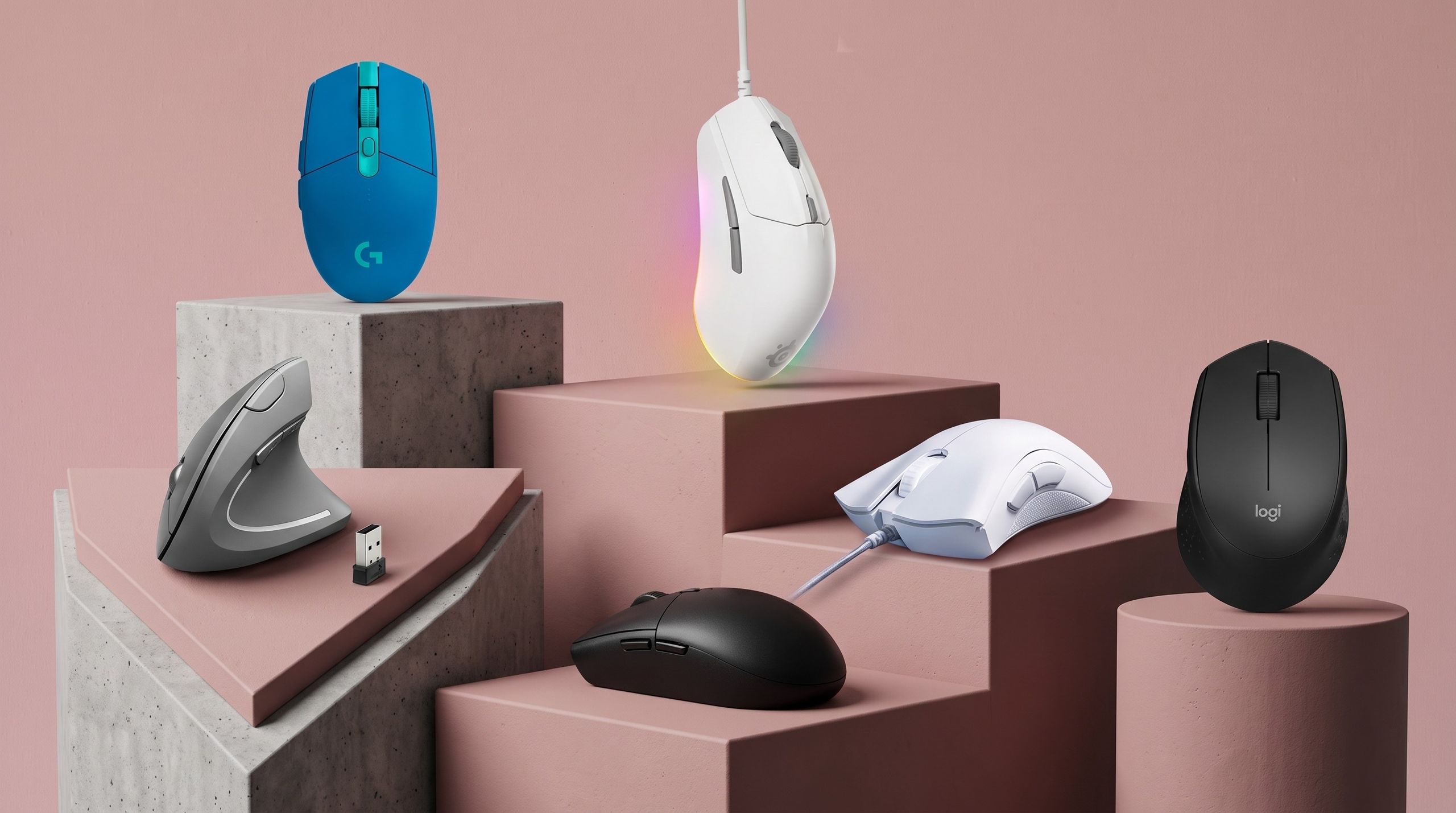
The reality, however, is that the best value in the peripheral market is currently hidden in plain sight: the gaming sector. As demonstrated by the widespread popularity of devices like the Logitech G305 Lightspeed, gaming mice have democratized high-end sensor technology. What was once reserved for esports professionals is now available to digital creatives at a fraction of the cost.
Chronology of a Market Shift: From Niche to Necessity
The evolution of the PC mouse market can be viewed in three distinct phases:
1. The Era of Generic Peripherals (Pre-2010)
In the early days of personal computing, the mouse was a functional commodity. Companies bundled generic, wired, ball-tracking (and later, basic optical) mice with desktop towers. The focus was entirely on durability and basic connectivity. Ergonomics were rarely considered, leading to a generation of workers who accepted wrist strain as a professional hazard.
2. The Rise of the "Gamer" Premium (2010–2018)
As the gaming industry exploded into a multi-billion-dollar global phenomenon, peripheral manufacturers began pouring R&D budgets into high-polling-rate sensors and lightweight chassis designs. During this period, the "gaming mouse" became a status symbol. Prices soared as manufacturers added proprietary wireless technologies and complex software suites.
3. The Democratization of Performance (2019–Present)
We are currently in the era of the "Budget Titan." Manufacturers, faced with saturated markets, began trickling down their flagship sensor technology into entry-level shells. The Logitech G305, for example, brought the HERO sensor—previously a high-end component—to a sub-$40 price point. Today, the lines between "professional office gear" and "gaming gear" have blurred, with designers increasingly favoring the responsiveness of gaming mice over the sluggish, heavy alternatives found in typical office supply stores.
Supporting Data: Why Specs Matter More Than Branding
When evaluating a mouse for professional use, the marketing fluff should be ignored in favor of hard technical specifications. Here is what truly impacts your workflow:
- Sensor Resolution (DPI/CPI): While high DPI is marketed as the holy grail, for design work, consistency is king. Modern budget sensors offer DPI ranges from 400 to 12,000, which is more than enough for high-resolution monitors.
- Polling Rate: This is the frequency at which the mouse reports its position to the PC. A 1,000Hz polling rate is now standard even on budget models, ensuring that your brush strokes in Photoshop or selections in Premiere Pro are jitter-free.
- Switch Durability: Professional users click thousands of times a day. Modern budget switches are often rated for 20 to 50 million clicks, rivaling the longevity of enterprise-grade hardware.
- Weight and Ergonomics: The shift toward lightweight mice (under 80g) has been a revelation for those suffering from repetitive strain injury (RSI). A lighter mouse requires less force to move, which, over an eight-hour shift, significantly reduces forearm fatigue.
The Professional’s Guide to Choosing Your Tool
When curating your workstation, consider these three categories of budget-friendly upgrades:
The "Silent" Professional
For editors working in open-plan offices or shared spaces, the "click" of a mouse can be a source of constant frustration. Several budget manufacturers now offer "silent switch" technology, providing tactile feedback without the audible noise.
The Vertical Ergonomic Solution
For those who have already developed wrist pain, the vertical mouse is non-negotiable. These devices place the hand in a "handshake" position, which neutralizes forearm rotation. While premium models exist, the entry-level market has recently seen an influx of highly reliable, wired vertical mice that offer identical ergonomic benefits to their $100 counterparts.
The Macro-Heavy Power User
Designers and video editors often rely on keyboard shortcuts. However, offloading these tasks to a mouse with programmable side buttons can drastically improve workflow speed. Many affordable gaming mice allow for "on-board memory," meaning you can program your shortcuts once and carry those settings across different machines without needing to install intrusive software.
Official Industry Perspective
Industry analysts note that the shift toward budget peripherals is driven by a more educated consumer base. "Buyers are no longer swayed by logos," says one tech supply-chain expert. "They look at the sensor type, the build quality, and the software interface. When a $30 mouse performs with the same latency as a $150 mouse, the brand value proposition collapses."
Manufacturers are responding by streamlining their production lines. By using shared chassis designs across multiple models, companies can keep costs low while maintaining high performance. This has created a "golden age" for the value-conscious professional.
Implications for the Modern Workplace
The implications for companies and individual contractors are clear: professional-grade ergonomics and performance are now accessible to everyone.
- Reduced Overhead: For small agencies and startups, equipping a team with high-performing, budget-friendly mice is a cost-effective way to boost productivity and employee well-being.
- Longevity and Sustainability: By choosing mice with modular parts or high-quality sensors that don’t need frequent replacement, professionals reduce electronic waste.
- Performance Parity: The barrier to entry for digital creativity has lowered. A student with a $30 mouse can now theoretically achieve the same technical precision as a creative director using a top-tier peripheral.
Final Verdict: Don’t Buy the Hype
If you are currently struggling with a sluggish, unresponsive, or uncomfortable mouse, you do not need to wait for a clearance sale on "luxury" office brands. The market is saturated with high-performance tools that are effectively hiding in the gaming section.
The next time you find yourself browsing for a workspace upgrade, look past the aesthetic polish. Seek out the sensors, the weight-to-performance ratio, and the ergonomic geometry. By shifting your focus from the price tag to the technical capability, you can secure a professional-grade experience that will keep your wrist healthy, your workflow smooth, and your bank account intact.
In the end, the best mouse is not the one with the most features or the highest price—it is the one that disappears into your workflow, allowing you to focus entirely on the art, the code, or the content you are creating.