Rifan Muazin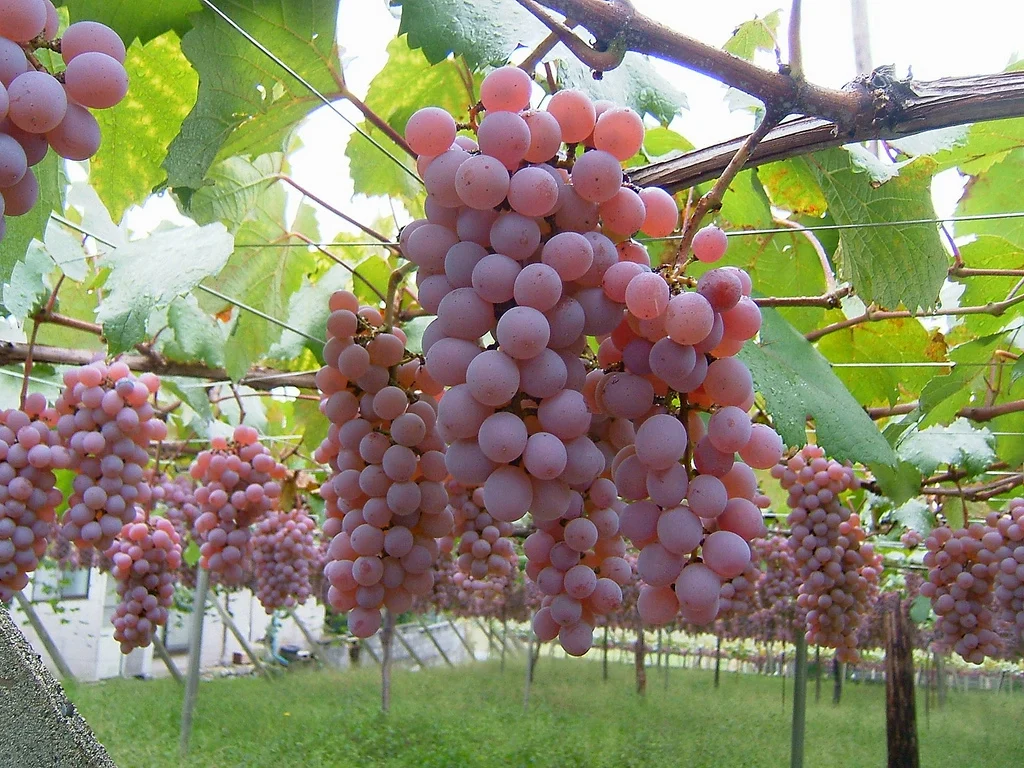
While the international tourism narrative of Japan remains firmly anchored to the "Golden Route"—the high-speed transit artery connecting Tokyo, Kyoto, and Osaka—a more tactile, agrarian secret lies tucked away in the Kii Peninsula. Mie Prefecture, often bypassed in favor of its more famous neighbors, offers a sophisticated, three-season fruit-picking calendar that represents one of the most authentic slices of Japanese domestic leisure.
Far from the industrial, high-volume tourist traps found in the nation’s marquee agricultural regions, Mie’s orchard belt offers an intimate glimpse into the local food ecosystem. For the discerning traveler, adding a morning of kajitsu-gari (fruit picking) to an itinerary featuring the Ise Grand Shrine or the coastal vistas of Shima is not merely a novelty; it is an immersion into the rhythm of the Japanese seasons.
Main Facts: The Mie Agricultural Advantage
Mie’s agricultural sector is characterized by its diversity and its proximity to the Kansai and Chubu consumer markets. Unlike the monoculture dominance of Yamanashi’s vineyards or Fukushima’s peach orchards, Mie’s output is a patchwork of family-owned, mid-sized operations.
The primary appeal of Mie’s fruit-picking model is twofold: accessibility and value. Because these farms are intended primarily for regional families, pricing is highly competitive, often undercutting tourist-heavy regions by 40–50%. A typical adult admission fee ranges between ¥1,500 and ¥3,500, which buys a set time—usually 30 to 60 minutes—of unlimited, on-site consumption.
It is vital to understand that kajitsu-gari is not a "pick-and-take-home" model. It is an "all-you-can-eat" event. The logic is simple: the farm provides the venue, the labor, and the equipment; the visitor provides the appetite. This format transforms a simple harvest activity into a low-key, competitive gastronomic experience, where the goal is to sample the freshest possible fruit at the peak of its ripeness.
A Chronological Guide to the Mie Harvest
Mie’s climate allows for a remarkable agricultural spread, stretching from the dead of winter well into the cooling days of late autumn.
The Strawberry Season (January–May)
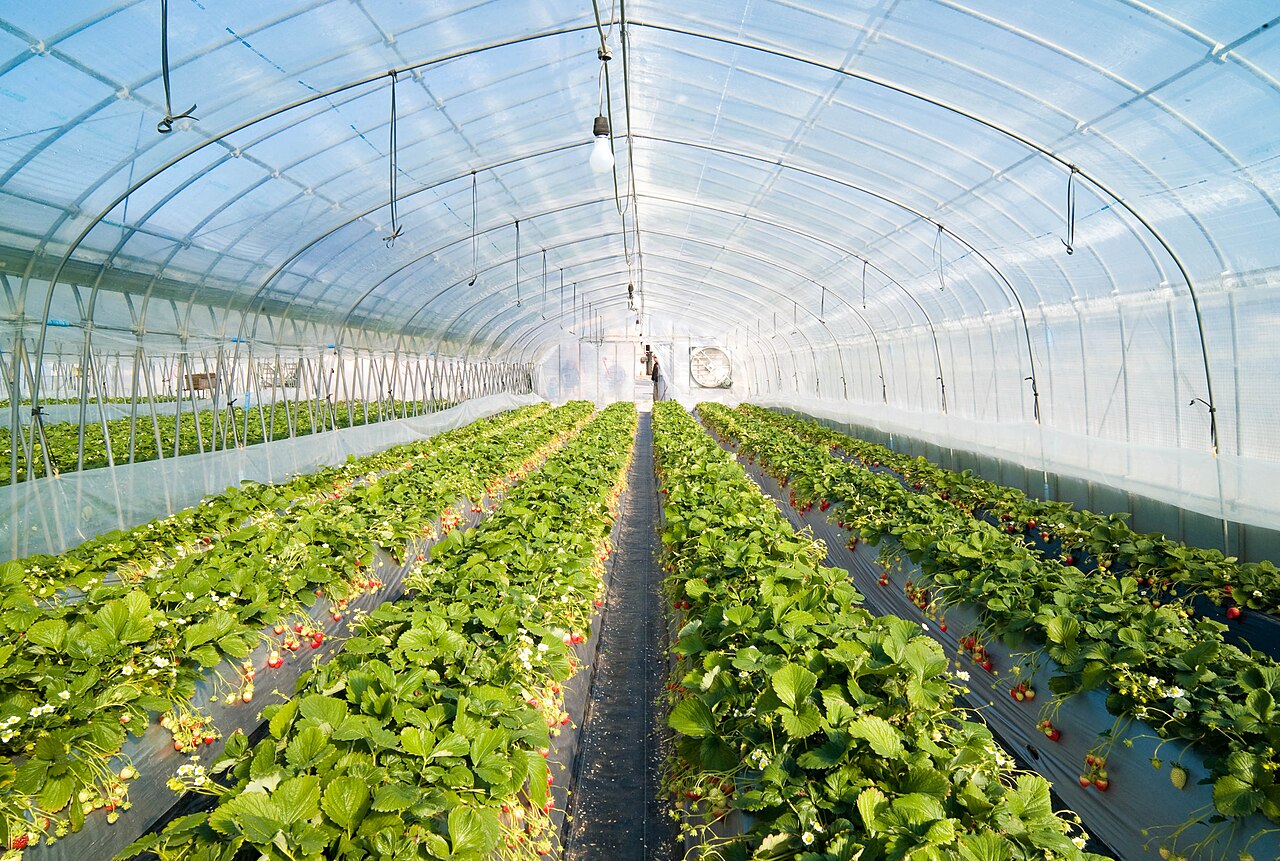
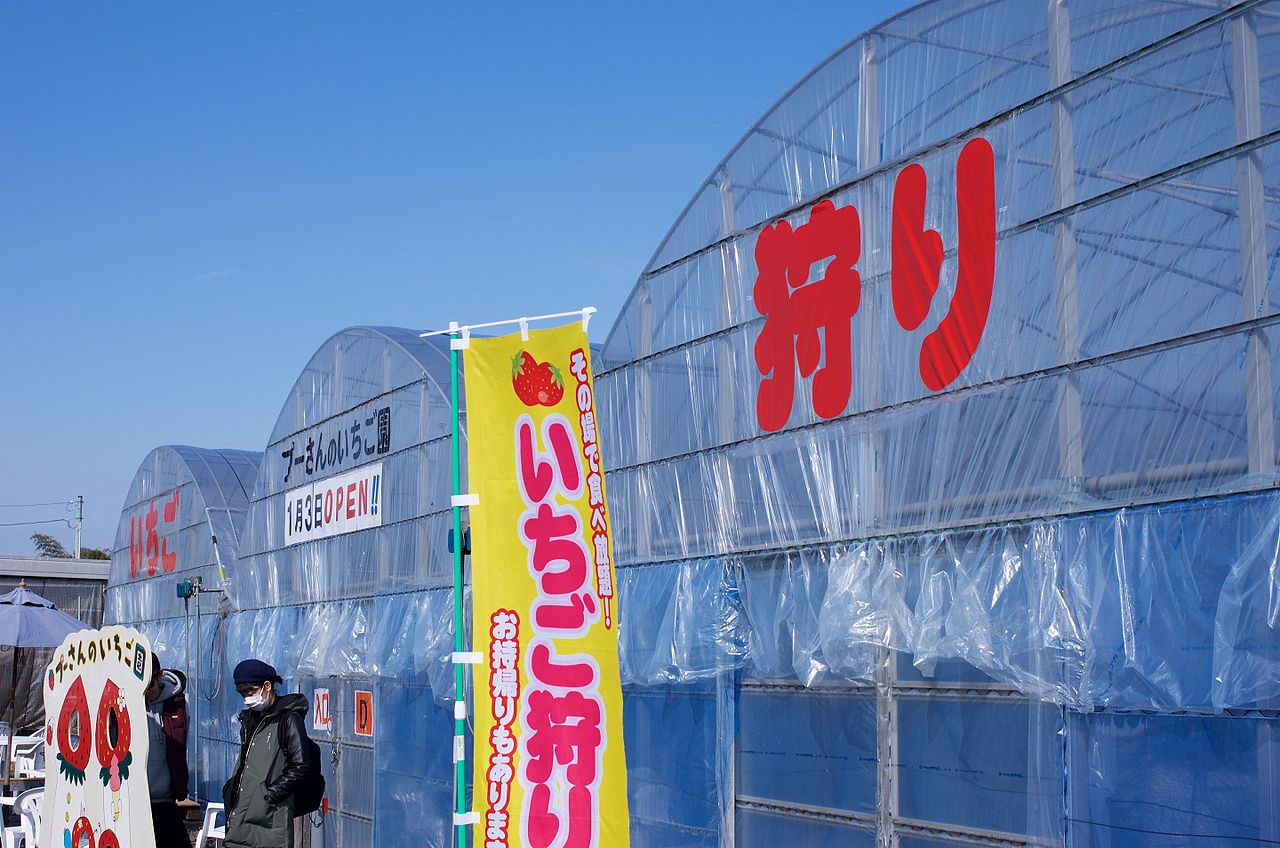
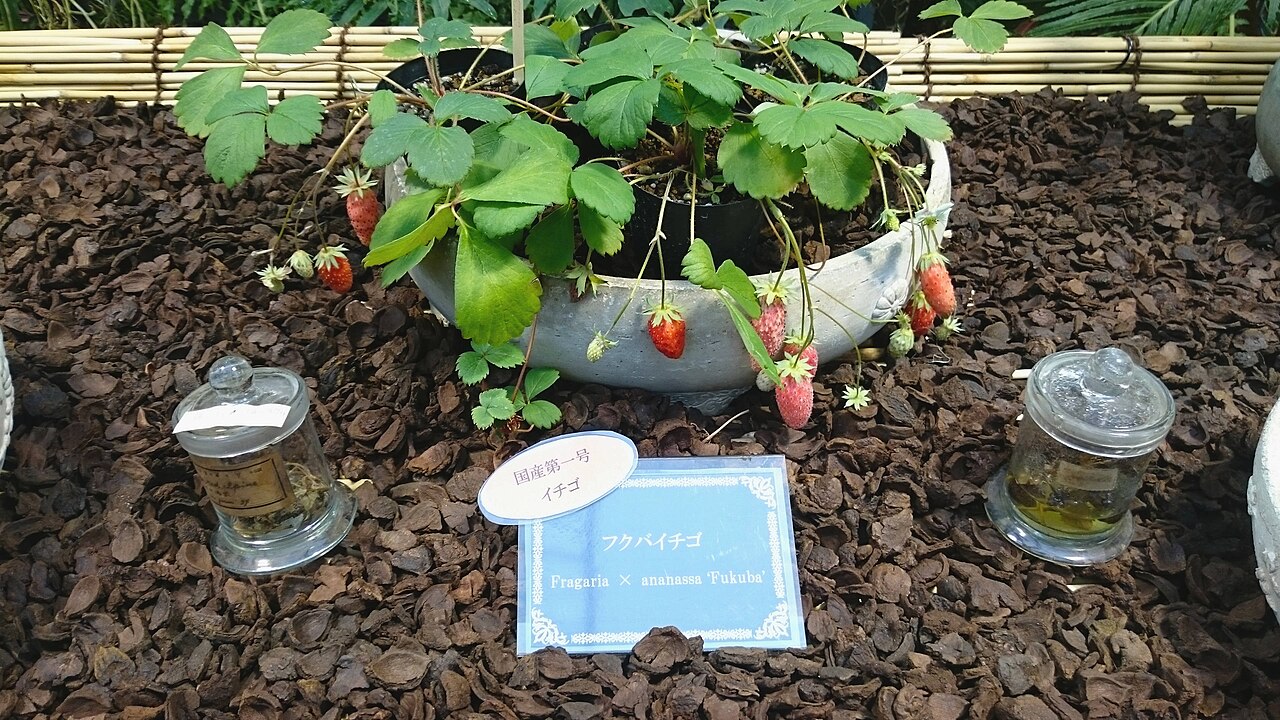
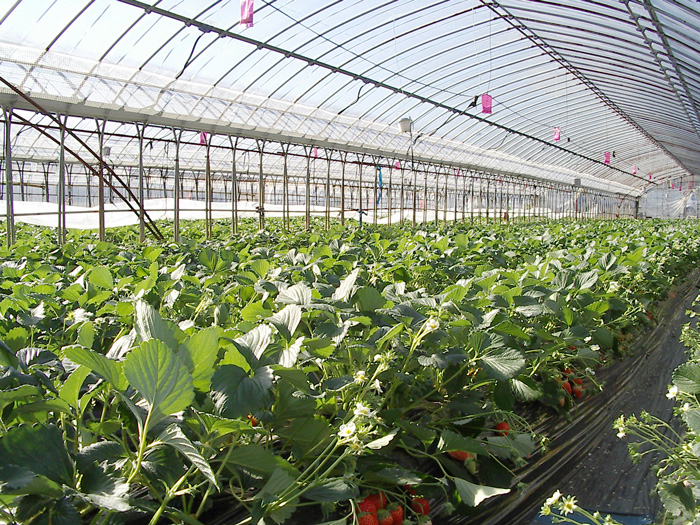
Ichigo-gari is the crown jewel of Mie’s winter and spring offerings. Modern Japanese strawberry greenhouses are feats of agricultural engineering. Using raised-bed hydroponic systems, farmers grow strawberries at waist height, eliminating the need for back-breaking labor. This also ensures the fruit remains clean, elevated, and easily accessible for visitors.
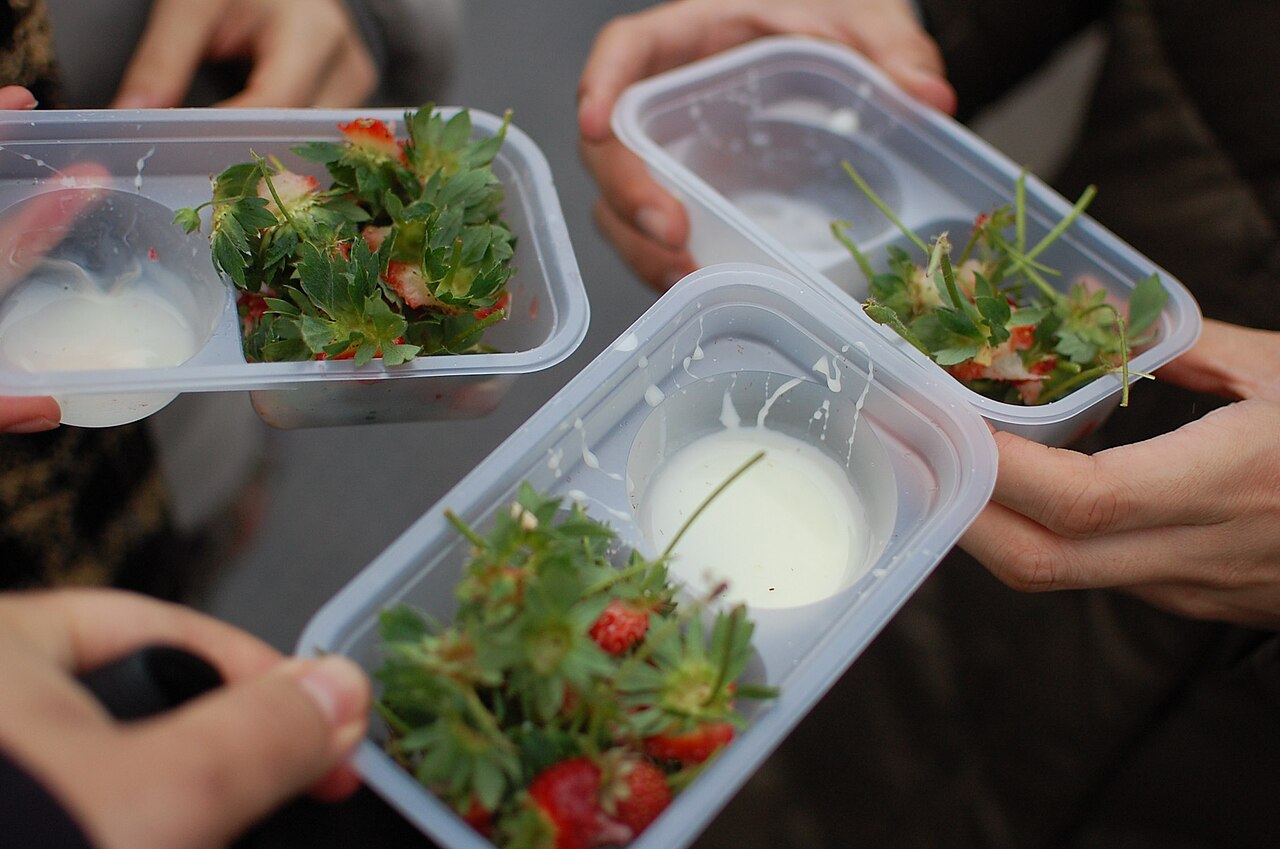
The season begins in mid-January, as the early cultivars reach their sugar-peak, and continues through May. Travelers will find common varieties such as the robust Amaou or the sweeter, more delicate Tochigiotome. It is standard practice to be provided with a small cup of sweetened condensed milk, a quintessential Japanese accompaniment that balances the slight acidity of the freshly picked berries.
The Plum and Peach Window (June–July)
As the heat of early summer sets in, the focus shifts to stone fruits. While ume-gari (plum picking) in June is a niche activity largely reserved for local families prepping their annual umeshu (plum wine) or pickled umeboshi, the peach season in July is a major highlight. Though smaller in scale than the massive operations in Fukushima, Mie’s peach farms in the central hills offer a tranquil, fragrant experience.
The Grape Harvest (August–October)
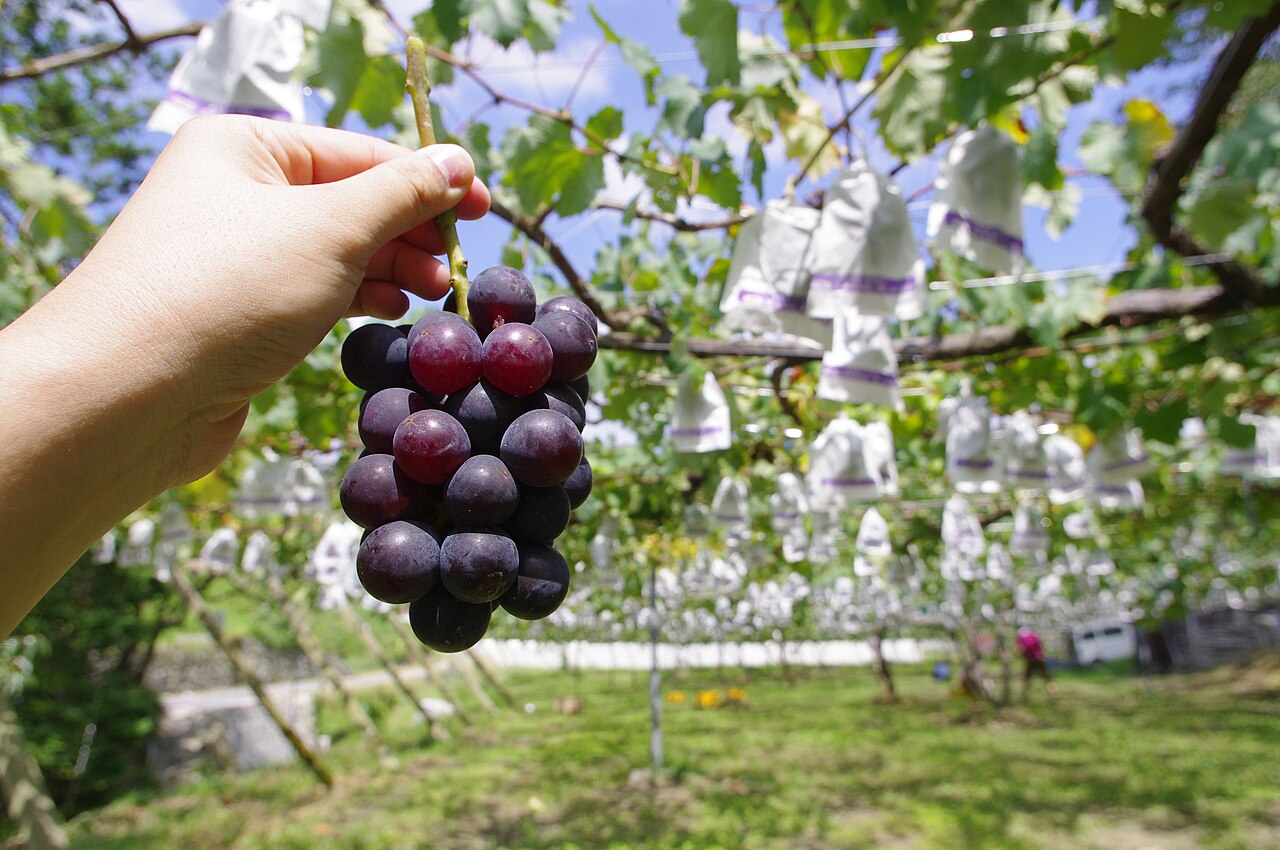
Late summer and autumn belong to the grape. Budo-gari typically takes place in the inland regions of Nabari and Iga. Using the traditional Japanese overhead trellis system, these farms create shaded, verdant tunnels that make picking an overhead reach rather than a bending chore. From the deep, rich Kyoho to the prestigious Shine Muscat, the varieties grown here are of a quality that rarely makes it to the export market.
Citrus and Blueberries (Year-Round Variations)
The southern coastal regions, specifically Owase and Kumano, take advantage of the milder maritime climate to produce mikan (mandarins) from December through February. Additionally, a select number of specialty farms offer blueberry picking in the height of summer (July–August), providing a refreshing, one-hour orchard experience.
Supporting Data: Infrastructure and Logistics
To effectively integrate fruit picking into a Japanese itinerary, one must account for the infrastructure. The most critical factor for the traveler is mobility. Unlike the major urban centers, Mie’s best farms are rarely located within walking distance of train stations.
- Rental Vehicles: The most efficient method of travel is to secure a rental car at Nagoya, Tsu, or Nabari station. A half-day rental, typically costing between ¥4,000 and ¥6,000, provides the freedom to reach orchards that are 20 to 40 minutes from transport hubs.
- The Guided Alternative: For those hesitant to drive in a foreign country, pre-booked coach tours from Osaka or Nagoya are available during peak seasons. While these tours cost more (roughly ¥8,000–¥12,000), they offer a seamless "all-in" experience that includes transit, admission, and often a secondary stop at a local cultural site or shopping outlet.
- The "Base City" Strategy: Nagoya remains the most logical base for travelers due to its high-density hotel inventory and direct rail links. However, for those seeking a more rural immersion, staying in Nabari offers immediate access to the Shorenji grape cluster, while Tsu provides a balanced, central location for accessing both coastal and inland agricultural zones.
Official Perspectives: The Role of Research and Development
The sophistication of Mie’s fruit production is no accident. Institutions like the Mie University Agricultural Research Station have played a pivotal role in the prefecture’s success. By developing region-specific cultivars—such as the specialized "Nabari strawberry" or "Tsu pear"—the university has helped farmers transition from subsistence agriculture to a value-added, tourism-oriented industry.
Government-led initiatives have also emphasized "Agricultural Tourism" as a vital component of the region’s revitalization strategy. By encouraging younger generations to take over family farms and adapt them for visitors, the prefectural government has ensured that these agricultural spaces remain vibrant rather than falling into abandonment.
Implications: Why This Matters for the Modern Traveler
Is a trip to a fruit farm worth the logistical effort? For the casual tourist, the answer is a qualified "no" if viewed in isolation. However, as an enhancement to a larger regional exploration, it is a definitive "yes."
Cultural Authenticity
In an era where "tourist experiences" are often manufactured for the digital age, fruit picking in Mie remains stubbornly local. When you enter a greenhouse, you are surrounded by Japanese families, not tour groups. The lack of English-speaking staff, while occasionally challenging, serves as a barrier that filters out the mass-market crowd, preserving the integrity of the experience.
Economic Impact
By choosing to visit these independent farms, travelers contribute directly to the local economy, supporting the preservation of traditional Japanese agricultural methods. The pricing model—which is significantly cheaper than the high-end department store prices in Tokyo—means that the traveler is getting a premium, farm-to-table product at a fraction of the cost.
The "Slow Travel" Philosophy
Fruit picking represents the antithesis of the "checklist" approach to travel. It requires the participant to slow down, spend 30 to 60 minutes in a single, confined space, and engage with the environment through taste and touch. It serves as an ideal palate cleanser for a traveler who has spent three days traversing the crowded, concrete environments of major metropolises.
Practical Considerations for the Visitor
If you plan to participate, observe these standard operating procedures:
- Reservations: While smaller farms are amenable to walk-ins, always book 48 hours in advance for weekends or peak holidays.
- Attire: Wear comfortable, layered clothing. Greenhouses are designed to be warm and humid, even in winter. Closed-toe shoes are mandatory, as paths can be muddy.
- The "All-You-Can-Eat" Rule: The time limit is absolute. Respect the signal to stop. If you wish to take fruit home, most farms will allow you to purchase additional bunches or containers at a fair, pre-set price.
- Language Barriers: While English may be scarce, the activity is self-explanatory. A basic translation app will suffice for any signage or dietary information you might need.
Ultimately, Mie Prefecture’s fruit-picking culture is a reminder that the most rewarding aspects of travel are often found on the periphery. It is an invitation to step off the train, pick up a rental car, and taste the seasons of Japan, one strawberry at a time.


 Neng Nana
 Asro
Asro