Raul Delapena Setiawan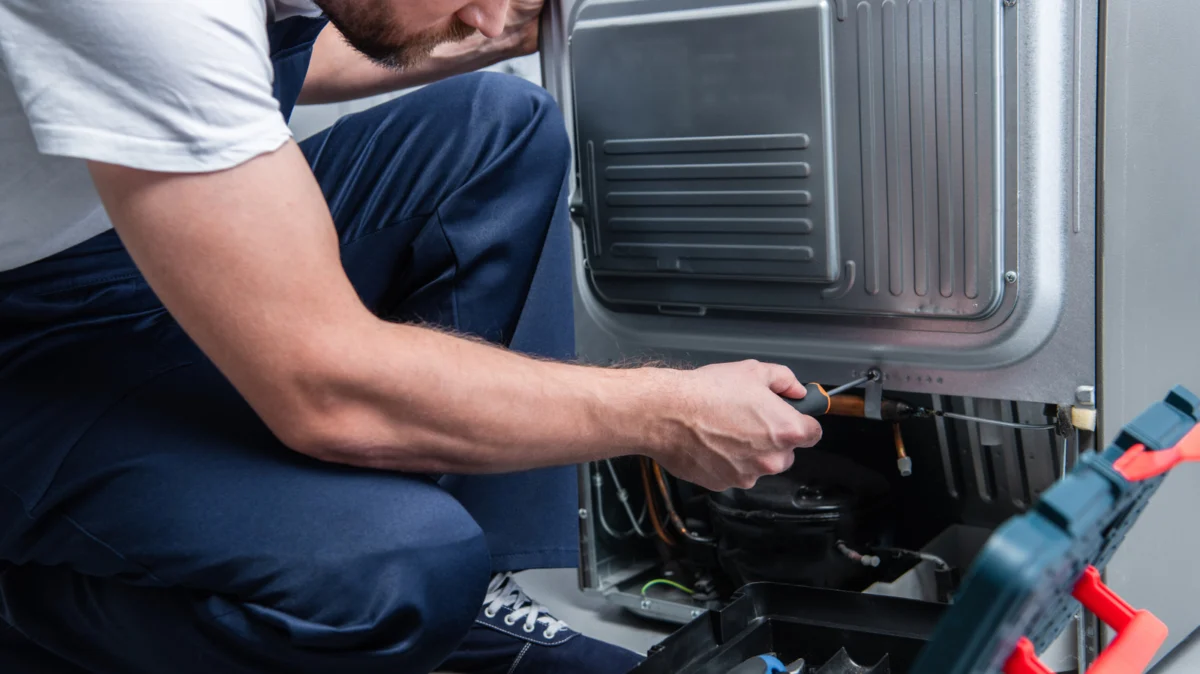
For most households, the refrigerator is the unsung hero of the kitchen. It runs 24 hours a day, 365 days a year, preserving our food, cooling our beverages, and maintaining a delicate balance of temperature that keeps our lives running smoothly. However, when the hum of the fridge turns into a sputtering noise or the interior temperature begins to climb, the convenience of this essential appliance quickly shifts to a major financial headache.
While minor issues like a leaking water line or a faulty door seal are relatively inexpensive to rectify, there is one component that stands above the rest in terms of repair costs: the compressor. When a technician delivers the news that your compressor is failing, it often signals a crossroads between a significant investment and the purchase of a brand-new unit.
The Heart of the Machine: Why the Compressor is the "Big Ticket" Item
At the center of any cooling debate is the compressor. Serving as the "heart" of the refrigerator, the compressor is responsible for circulating refrigerant through the system, compressing the gas, and facilitating the heat exchange process that keeps your groceries chilled. Without a functioning compressor, the entire refrigeration cycle collapses.
The Financial Breakdown
Replacing a compressor is rarely a budget-friendly endeavor. Depending on the brand, the age of the unit, and local labor rates, homeowners can expect to pay anywhere from $300 to over $1,000 for a repair. Why is the cost so high? The answer lies in both the price of the part and the technical requirements of the installation.
- Complexity of the Sealed System: The compressor is part of the "sealed system." This means it is physically connected to the internal piping that holds the refrigerant. Any breach of this system requires specialized tools, vacuum pumps, and the precise handling of chemical coolants.
- Labor Intensity: Because of the sealed nature of the system, this is not a task for the casual DIY enthusiast. It requires a licensed, EPA-certified technician who can safely recover old refrigerant, weld or braze new connections, and recharge the system. These technicians charge a premium for their expertise, and the time required to perform the procedure can span several hours.
- Ancillary Costs: Often, when a compressor fails, it may have caused damage to related components, such as the filter-drier or the evaporator coils. Replacing these additional parts adds to the total bill, turning what seemed like a "simple" fix into a major overhaul.
Chronology of a Crisis: Identifying Failure vs. Maintenance
Understanding how a refrigerator reaches the point of needing a major repair is essential for any homeowner. The lifecycle of a compressor is typically measured in years, but how that time is spent depends heavily on the environment the unit occupies.
Phase 1: The Warning Signs
Before a total failure occurs, the compressor often provides subtle clues. You might notice the refrigerator running for longer cycles than usual or hear louder-than-normal clicking sounds. If the appliance is struggling to maintain a constant temperature despite the thermostat settings being unchanged, the compressor may be working overtime to compensate for a lack of efficiency.
Phase 2: The Diagnostic Period
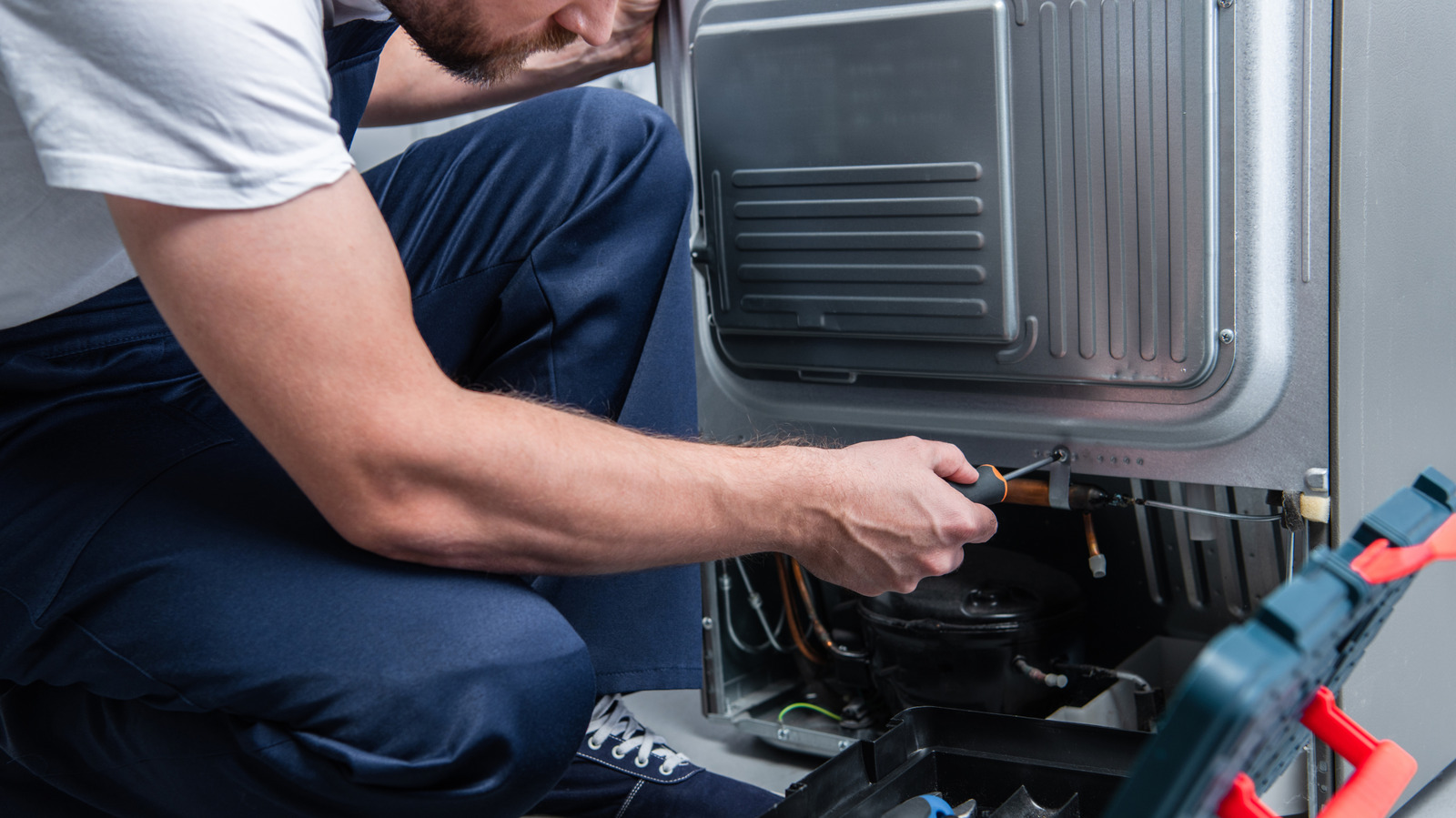
When a technician arrives, they must perform a thorough diagnostic. It is critical to note that a failing compressor is often misdiagnosed. Sometimes, the issue is not the compressor itself, but rather the "brains" of the fridge—the motherboard or control board.
Phase 3: The Decision Point
Once a definitive diagnosis is made, the homeowner enters the "Decision Point." This is where the age of the appliance, the warranty status, and the current market price of new refrigerators are weighed against the cost of the repair. If the fridge is more than a decade old, a $1,000 repair might be considered "throwing good money after bad," whereas if the unit is a high-end, premium model only three years old, the repair is usually the more economical path.
Supporting Data: When the Motherboard is the Culprit
While the compressor is the most expensive mechanical component, it is not the only high-cost failure point. The refrigerator’s motherboard (or control board) serves as the central processing unit, regulating everything from the ice maker to the compressor’s start-stop intervals.
Replacing a control board can cost upwards of $800, particularly in modern "smart" refrigerators. These units are equipped with complex sensors, Wi-Fi connectivity, and digital displays, all of which rely on the motherboard to function. If your fridge stops cooling, do not assume it is the compressor. A faulty relay on the control board can prevent the compressor from receiving the signal to turn on, mimicking a mechanical failure. Always ensure a technician performs a voltage test on the compressor pins before authorizing a total replacement.
Official Recommendations and Warranty Implications
Industry experts and manufacturers provide clear guidance on how to manage these expensive repairs. The most common pitfall for homeowners is the attempt to source their own parts to save money.
The "Customer-Supplied Part" Trap
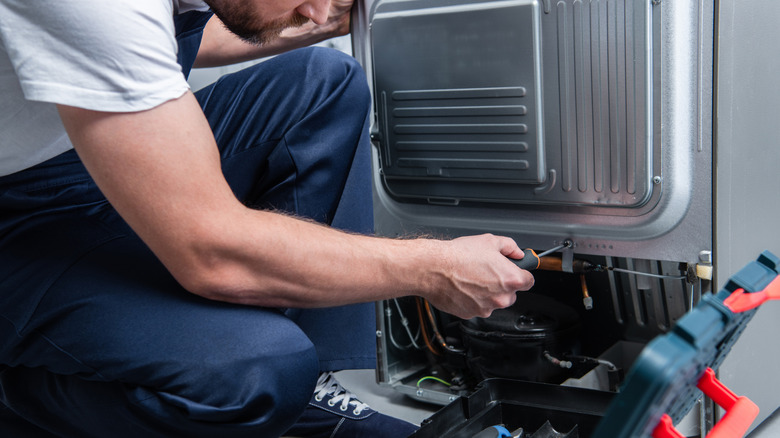
Many homeowners believe that buying a compressor online at a discount and hiring a technician to install it will lower costs. However, most professional repair services will refuse to install customer-supplied parts. There are two primary reasons for this:
- Liability: If the part fails, the technician does not want to be held responsible for a faulty component they did not source.
- Warranty: Repair shops typically offer a 30-to-90-day warranty on their labor and parts. If you supply the part, that warranty is voided.
Maintenance: The Best Defense
The most effective way to avoid a four-figure repair bill is through proactive maintenance. The primary enemy of the compressor is dust.
- Condenser Coils: These are the "radiators" of your fridge, usually located at the back or underneath. When they become clogged with dust, pet hair, or lint, the refrigerator cannot dissipate heat efficiently. The compressor must then work twice as hard to maintain the temperature, leading to premature burnout. Cleaning these coils every six months is the single most important task a homeowner can perform.
- Airflow Management: Overloading a refrigerator prevents cold air from circulating effectively. When air cannot reach the sensors, the compressor continues to run, leading to unnecessary strain. Ensure your vents are clear and the fridge is not packed beyond its capacity.
Implications: The Long-Term Cost of Appliance Ownership
The rising cost of refrigerator repairs has significant implications for consumer habits. As appliances have become more "intelligent," they have also become more expensive to service. The shift toward integrated electronics means that when a small sensor fails, it often requires the replacement of an entire, costly module rather than a simple mechanical adjustment.
The Right to Repair
The discourse around the "Right to Repair" movement is highly relevant here. As manufacturers move toward proprietary parts and encrypted software, the ability for independent technicians—or homeowners—to service appliances is diminishing. This creates a reliance on authorized service centers, which can dictate pricing and availability.
Sustainability and Replacement
From an environmental perspective, the "repair vs. replace" dilemma is stark. A refrigerator is a massive piece of machinery, and discarding it contributes significantly to landfill waste. However, modern refrigerators are significantly more energy-efficient than those manufactured 15 or 20 years ago. Sometimes, replacing an aging, energy-inefficient unit with a newer model can pay for itself in lower electricity bills over time, even if the upfront cost is substantial.
Final Verdict
The refrigerator is an investment in the comfort and health of your household. While the compressor remains the most formidable expense you will likely face, it is not an insurmountable one. By understanding the mechanical limits of your appliance, prioritizing routine maintenance, and performing rigorous due diligence before signing a repair estimate, you can ensure that your kitchen remains the heart of your home without breaking the bank. Always consult your owner’s manual, keep your coils clean, and when the inevitable happens, make sure you are choosing the path that makes the most sense for the longevity of your appliance.

 Rifan Muazin