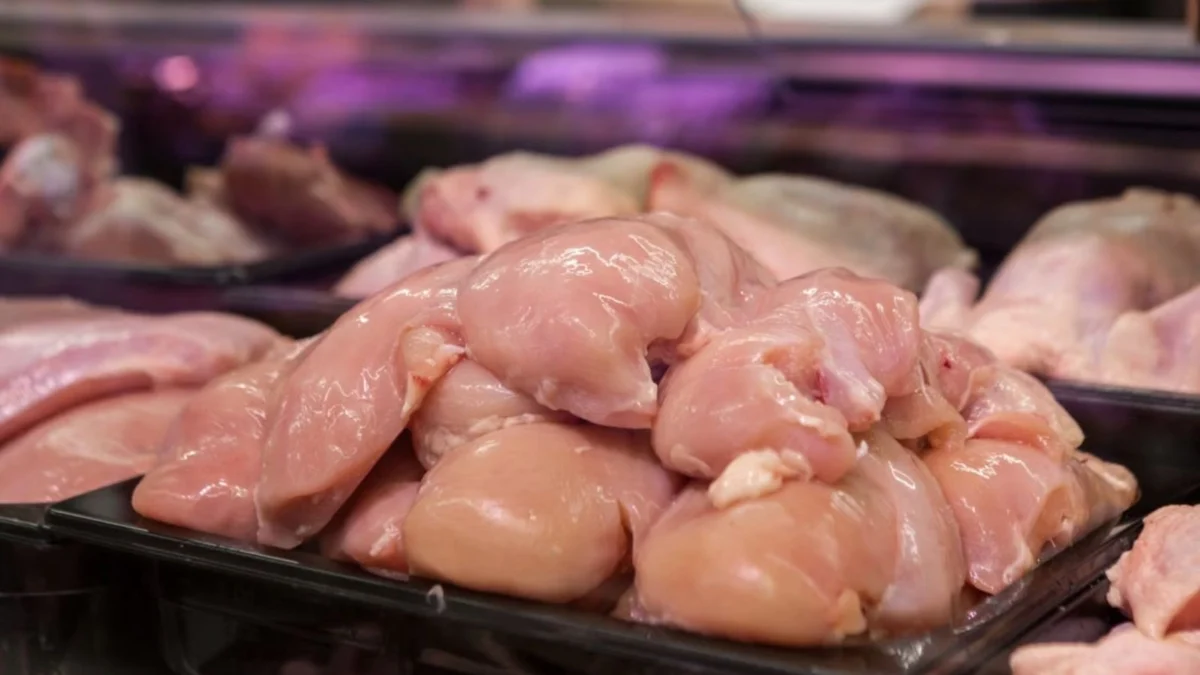
In a cinematic display of audacity that blurred the line between Hollywood fiction and criminal reality, a six-member armed gang orchestrated a high-stakes highway robbery on the outskirts of Cairo, Egypt, on August 25, 2026. The target was unconventional: a refrigerated lorry transporting four tonnes of frozen poultry. While the heist itself was a masterpiece of coordination and risk, it ultimately served as the gang’s undoing, as a passing motorist captured the entire ordeal on video, triggering a digital manhunt that ended in a fatal confrontation with Egyptian security forces.
The Anatomy of the Heist: A Stunt Straight from the Silver Screen
The incident occurred on a major thoroughfare near Cairo, where traffic patterns provided the perfect backdrop for a precision theft. Witnesses and digital forensic experts analyzing the viral footage have described the scene as something out of a Fast and Furious installment.
Operating under the cover of daylight, the suspects utilized a modified pickup truck to tail a heavy-duty refrigerated lorry. With surgical precision, the driver of the pickup maintained a distance of mere inches from the lorry’s rear bumper, effectively shielding the operation from the view of the lorry’s side mirrors.
Once in position, the gang members executed a maneuver that required both extreme agility and nerves of steel. Two individuals climbed onto the hood of the moving pickup, braced themselves against the wind resistance of the high-speed vehicle, and reached out to force open the rear doors of the refrigerated trailer. In a frantic, high-speed exchange, the thieves offloaded seven heavy crates of frozen chicken—estimated between 105 and 140 kilograms (230 to 310 lbs)—tossing them back into the bed of their pursuit vehicle.
Perhaps most shocking was the obliviousness of the lorry driver, who continued his route, entirely unaware that a significant portion of his cargo had been liberated by armed criminals while traveling at highway speeds.
Chronology: From Viral Fame to Fatal Confrontation
The sequence of events unfolded with a speed that mirrored the heist itself, largely driven by the power of modern social media.
- August 25, 2026: The robbery occurs in the afternoon. A motorist records the event and uploads it to social media. The video goes viral within hours, reaching millions of views.
- August 26, 2026: The transport company, having been alerted by netizens tagging them in the footage, realizes their cargo has been compromised. Egyptian authorities begin cross-referencing the license plates and visual data from the viral clip.
- August 27, 2026: Intelligence units identify the suspects as career criminals with extensive records for armed robbery and narcotics trafficking. Raids are planned for hideouts in Cairo and the Qalyubia Governorate.
- August 28, 2026: Security forces move in to arrest the suspects. The situation devolves into an armed standoff. Three suspects are killed in the exchange, and the remaining three are taken into custody.
The Investigation: Criminal Profiles and Tactical Recovery
Egyptian law enforcement agencies, specifically those operating under the Ministry of Interior, utilized the viral video as the foundational evidence for their rapid-response operation. By analyzing the unique markings on the pickup truck and the facial characteristics of the suspects, investigators were able to map the criminal network’s locations across the Greater Cairo area.
The suspects were not amateur thieves. Police reports indicate that all six members possessed extensive criminal histories, having previously served time for organized armed robbery, drug trafficking, and assault. This history of violent crime likely informed the swift, tactical approach taken by the police during the apprehension phase.
Upon breaching the hideouts in Qalyubia, authorities recovered a cache of weapons, including the firearms used during the standoff, the modified pickup truck involved in the heist, and a portion of the stolen frozen poultry. Furthermore, the search yielded evidence linking the syndicate to several other unsolved cargo thefts in the region, suggesting that the "poultry heist" was merely the latest in a string of high-profile operations.
Official Response: A Zero-Tolerance Stance
The Egyptian government has maintained a firm stance on the incident, characterizing the confrontation as a necessary response to the rise of violent, organized criminal gangs operating on public infrastructure.
"The safety of our transport networks and the drivers who navigate them is paramount," a spokesperson for the Ministry of Interior stated following the incident. "The use of such reckless, cinematic tactics on public roads poses an existential threat to civilians. We will continue to employ all technological and tactical resources to neutralize these elements."
The three surviving members of the gang now face a slew of serious charges, including armed robbery, illegal possession of firearms, and, most critically, opening fire on security forces. Legal experts in Cairo suggest that, given the evidence captured on video and the subsequent violence during the arrest, the prosecution will seek the maximum sentencing under Egyptian law.
Implications: The Changing Landscape of Logistics Security
The incident in Cairo is part of a broader, global trend of "viral cargo theft," where high-value or unusual goods are targeted by organized groups who are increasingly aware of the power of social media to amplify their notoriety.
The "KitKat" Precedent
This heist follows the disturbing trend seen in May 2026, when an entire shipment of 12 tons of KitKat bars was hijacked in Canada. That incident, which also went viral, forced a major multinational corporation, Nestlé, to implement radical security measures. Following the theft, the company began utilizing black-SUV-led security convoys to protect their logistics fleets. The Egyptian poultry theft suggests that the "Fast and Furious" style of hijacking is becoming a global phenomenon that logistics companies can no longer ignore.
The Security Dilemma for Transporters
The primary challenge for logistics companies is the cost-benefit analysis of security. Implementing armed guards or high-tech anti-theft tracking for standard food items like frozen poultry is generally considered cost-prohibitive. However, the psychological impact of these viral thefts—combined with the threat of loss of cargo—has forced the industry to rethink its protocols.
Industry analysts are now calling for:
- Enhanced Rear-Entry Security: Installing biometric locks or reinforced steel doors that cannot be manipulated from the outside while the vehicle is in motion.
- Increased Surveillance: Equipping fleet vehicles with real-time, cloud-connected 360-degree camera systems that alert transport managers the moment unauthorized proximity is detected.
- Real-time Intelligence Sharing: Better coordination between regional transport associations and local police departments to monitor "hot zones" where highway robberies are most frequent.
The Dark Side of Digital Notoriety
While the viral nature of the Cairo heist led to the swift capture of the criminals, it also raises ethical and safety questions regarding the role of citizens in law enforcement. The motorist who recorded the video, while performing a public service, was arguably in danger themselves. Moreover, the glamorization of the event online—with users comparing it to action movies—obscures the brutal reality of the violence that followed.
For the families of the three men killed in the shootout, and the transport company currently dealing with the fallout of the incident, the heist was never a movie. It was a violent breach of public order that put countless lives at risk.
As Egypt moves forward, the "Chicken Heist" of 2026 will likely serve as a cautionary tale for both criminals and logistics providers. For the criminal element, the case proves that in the age of ubiquitous digital surveillance, there is no such thing as a "clean" getaway. For logistics companies, the message is equally clear: the roads are becoming increasingly dangerous, and the security measures of yesterday are no longer sufficient to deter the high-speed predators of tomorrow.
The investigation remains ongoing as authorities continue to track potential associates of the gang, ensuring that the entire criminal syndicate is dismantled. In the meantime, the image of a pickup truck trailing a lorry at 100 kilometers per hour, laden with frozen chicken, will remain an enduring symbol of a world where the boundary between entertainment and crime is increasingly, and dangerously, thin.