Rifan Muazin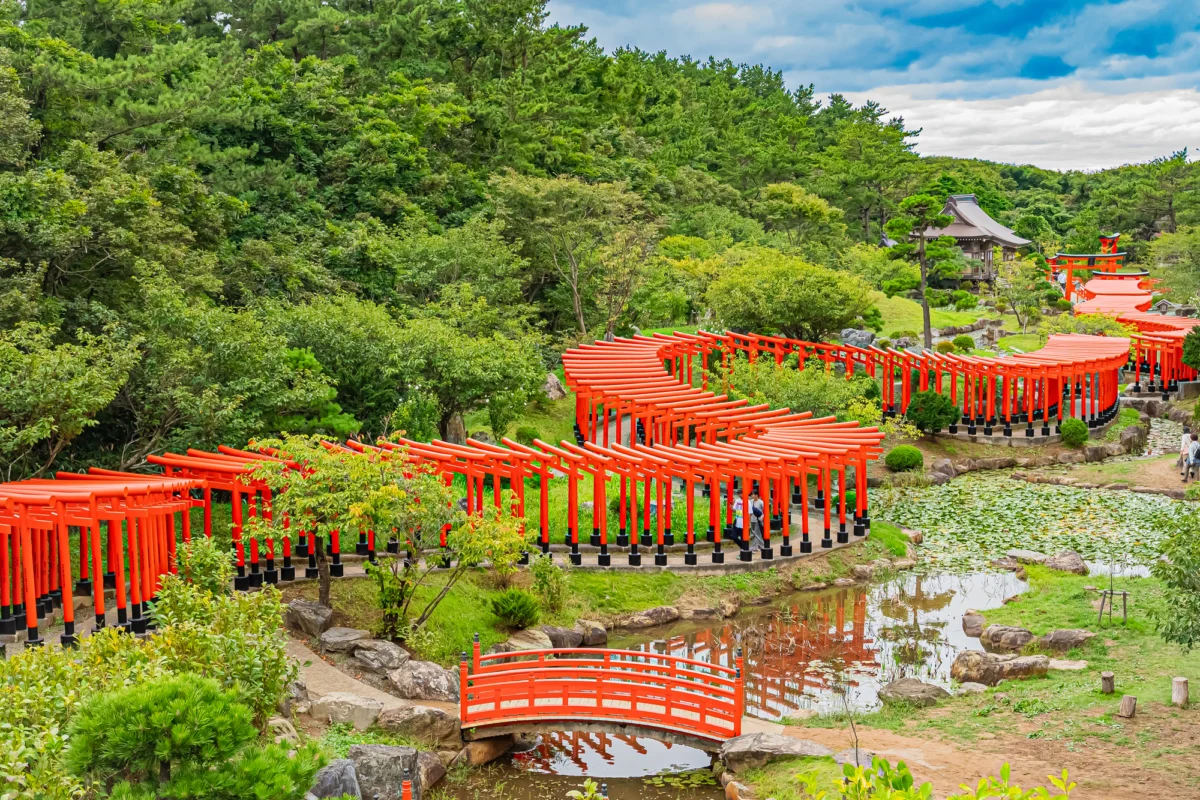
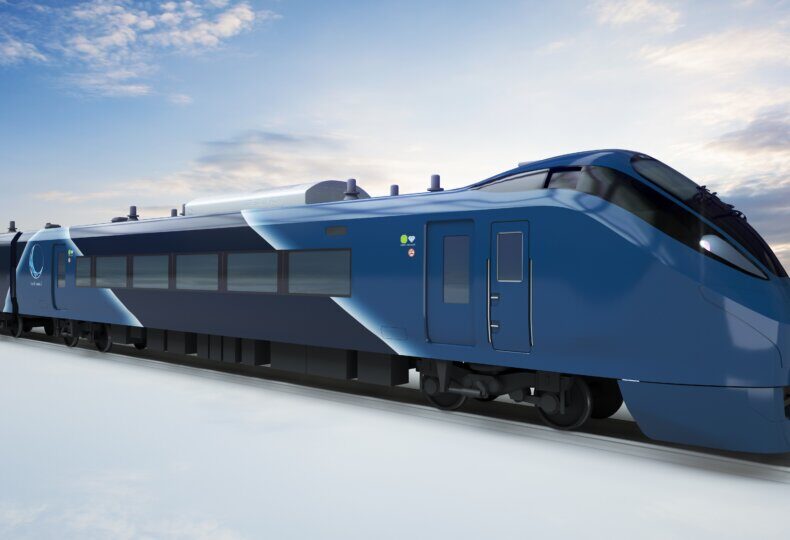
For decades, the rhythmic clatter of wheels against steel in the dead of night seemed destined to become a mere footnote in Japan’s transportation history. As the nation embraced the blistering speed of the Shinkansen and the convenience of low-cost carriers, the traditional "Blue Train" sleeper services—once the pride of the Japanese National Railways—slowly vanished into the annals of nostalgia. However, JR East is poised to challenge this narrative, announcing the development of the Luna Azul, a state-of-the-art overnight limited express service set to debut in early fiscal 2027.
The project signals a significant shift in how the operator views the intersection of transit and tourism, merging the romantic allure of overnight travel with the sophisticated demands of the modern traveler.
The Genesis of Luna Azul: A Modern Ode to a Golden Era
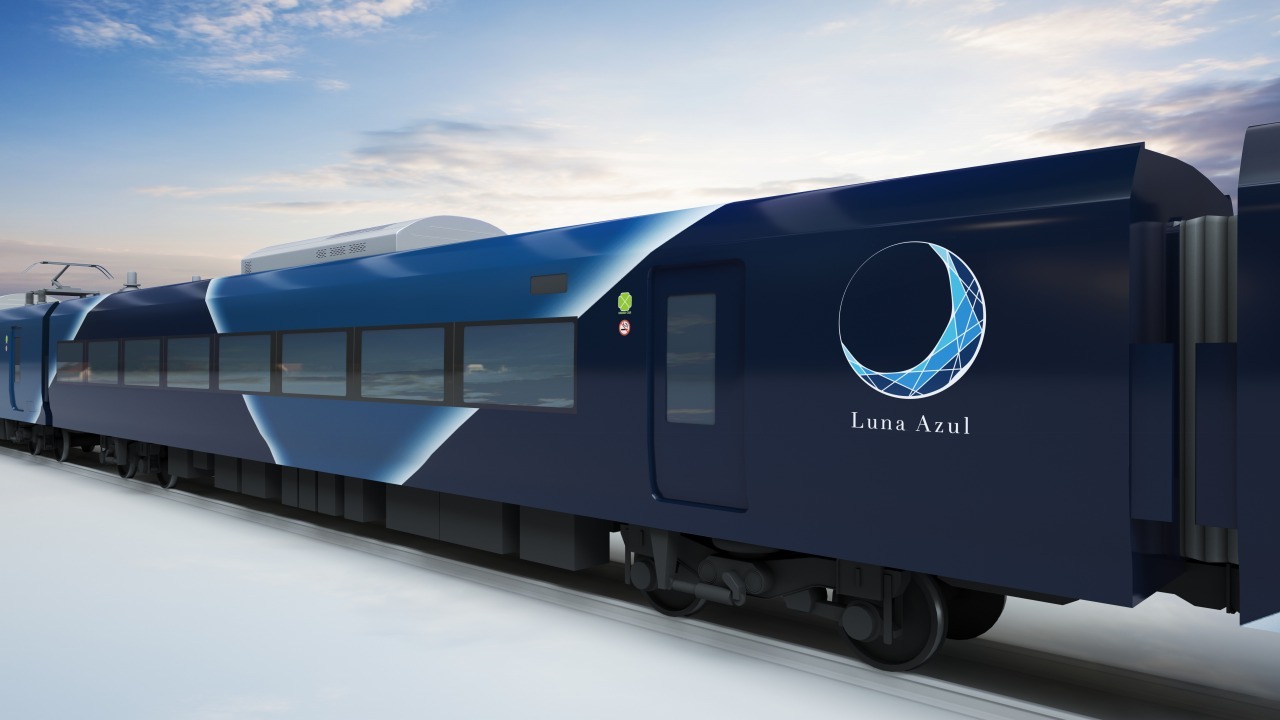
The name Luna Azul—Spanish for "Blue Moon"—is far from a random choice. It is a deliberate homage to the iconic Blue Train era that dominated Japan’s rail landscape from the 1950s through the late 1970s. During that period, deep blue, locomotive-hauled sleepers provided essential connectivity across the archipelago. As the 1980s arrived, the rapid expansion of the bullet train network and the rise of affordable regional air travel rendered these long-haul, multi-hour journeys inefficient in the eyes of many.
By the 2010s, with the notable exceptions of the Sunrise Izumo and Sunrise Seto services—which remain the last of the daily, non-luxury sleeper trains—the concept of the overnight train had largely been relegated to high-end, cruise-style attractions. While luxury trains like the Seven Stars in Kyushu offer unparalleled decadence, they are priced as inaccessible, once-in-a-lifetime experiences.
The Luna Azul aims to bridge the gap between the utilitarian, aging Sunrise series and the hyper-exclusive cruise trains. By focusing on private, adaptable, and comfortable accommodations, JR East is betting that the modern passenger is willing to trade a few hours of time for a more immersive and relaxing travel experience.
Technical Specifications and Interior Design
JR East has meticulously planned the Luna Azul to cater to both the leisure traveler and the growing demographic of domestic tourists looking for more than just a commute. The train will be a versatile asset in the company’s fleet, featuring two distinct configurations.
Capacity and Comfort
The daytime iteration of the Luna Azul will consist of seven cars with a capacity of approximately 150 passengers. This configuration is optimized for scenic daytime transit, particularly during the winter months. In contrast, the overnight configuration utilizes a 10-car setup, prioritizing privacy and rest for up to 125 passengers.
A standout feature of the design is the seat-to-bed conversion technology. Engineers are developing seating that allows for a seamless transition from a comfortable upright chair to a flat-bed configuration, ensuring that the passenger does not have to sacrifice daytime ergonomics for nighttime comfort.
Private Sanctuaries: The Cabin Hierarchy
Understanding that modern travel is rarely "one-size-fits-all," the Luna Azul will offer tiered, private compartments:
- Premium Cabins: Designed for one or two passengers, these offer the maximum square footage and refined amenities for those seeking a private, hotel-like experience.
- Luna Comfort Rooms: Ranging in size to accommodate between one and four guests, these cabins are intended to be flexible, suitable for solo travelers, couples, or small groups of friends and families.
The Social Hub
Recognizing that prolonged travel often requires a change of scenery, car number five will serve as a dedicated shared lounge. This space is designed to facilitate socializing, movement, and light dining. By offering a curated selection of snacks and beverages, the lounge transforms the journey into an experience rather than a transit requirement, harkening back to the days when the "dining car" was the heart of long-distance rail travel.
Operational Routes and Seasonal Shifts
The Luna Azul is designed to be a dynamic asset, with its role shifting based on the season to maximize regional appeal.
The Tohoku Corridor
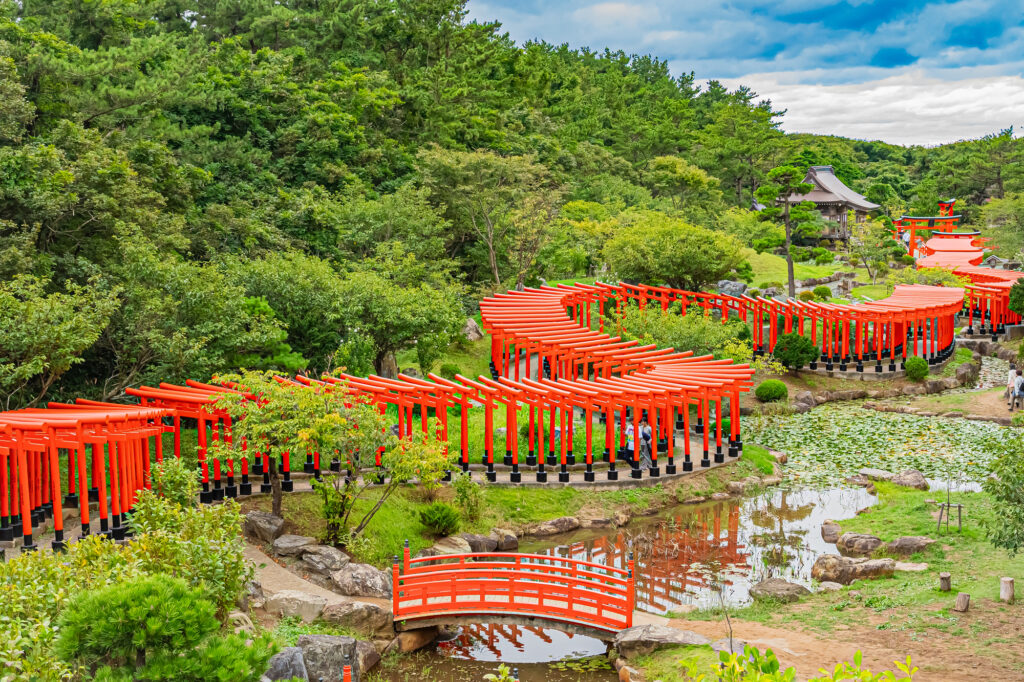
The primary route will connect the bustling heart of Tokyo with the scenic landscapes of the Tohoku region. Key stops include Ueno, Omiya, Takasaki, Akita, Hirosaki, Shin-Aomori, and Aomori. This corridor is rich in cultural heritage, hot springs, and natural beauty, providing a perfect backdrop for a train that emphasizes the journey as much as the destination.
Seasonal Flexibility
The operational logic of the Luna Azul is highly attuned to Japan’s seasonal tourism patterns:
- Spring to Autumn: The train will operate as an overnight service, facilitating long-distance travel while passengers sleep, essentially gifting travelers an extra day of exploration at their destination.
- Winter: Recognizing the surge in demand for snow-country tourism, the Luna Azul will switch to a daytime-only service. This is specifically designed to shuttle travelers to popular winter destinations such as the famous Kusatsu Onsen, where the scenery is best enjoyed in the daylight.
Financial Projections and Market Positioning
While definitive pricing has yet to be finalized, JR East has provided a framework for what passengers can expect. The baseline fare is expected to be comparable to the current "Green Car" (first-class) fare for the Tohoku Shinkansen between Tokyo and Shin-Aomori, which sits at approximately ¥24,180 ($150 USD).
However, because the Luna Azul is intended to be a luxury-adjacent experience, passengers should anticipate a premium surcharge on top of that base price. A critical aspect of the company’s strategy is to distribute these tickets primarily through packaged travel products rather than as standard, standalone train tickets. This approach allows JR East to bundle the train ride with local excursions, hotel stays, or special events, ensuring a higher average transaction value while maintaining the "exclusive" feel of the service.
The Strategic Rationale: Why Now?
The decision to launch Luna Azul is backed by three distinct trends in the Japanese travel market.
1. Countering Overtourism
The Japanese government and regional authorities are currently engaged in a massive push to distribute tourism revenue more equitably. By making northern destinations like Aomori more accessible and appealing, JR East is helping to alleviate the strain on "Golden Route" cities like Kyoto and Tokyo. A train that makes the ride to the north feel like a vacation in itself is a powerful tool for redirecting traveler traffic.
2. The Rise of ‘Oshikatsu’ (Fandom Culture)
A unique driver of this project is the oshikatsu phenomenon. Fans of idols, bands, and characters often travel massive distances to attend concerts, fan meetings, or special exhibitions. These events are often late-night affairs. An overnight train offers a cost-effective and convenient "hotel on wheels" for these fans, allowing them to attend an event and wake up the next morning in a different city, ready for the next leg of their journey without needing to check into a hotel at 2:00 AM.
3. The Affordability Crisis in Accommodation
As hotel prices in Japan continue to climb due to high demand and labor shortages, the sleeper train offers a logical value proposition. When the cost of a one-night hotel stay is combined with the cost of a Shinkansen ticket, the Luna Azul—which combines both—may actually emerge as a budget-friendly alternative for the long-distance traveler.
Implications: Is This the Future of Rail?
The success of Luna Azul will serve as a bellwether for the future of overnight rail in Japan. If it manages to achieve high occupancy rates, it could trigger a renaissance in this sector. While the bullet train will always remain the king of speed, the Luna Azul represents the return of "slow travel."
In an era where technology has made our lives increasingly fast and fragmented, there is a burgeoning desire for experiences that are restorative and cohesive. By treating the transition between cities as a period of relaxation rather than a hurdle to be cleared, JR East is tapping into a fundamental human need: the desire for a journey that is both functional and profoundly memorable.
If the Luna Azul proves that passengers are willing to pay for comfort and character over pure velocity, we may soon see a network of similar trains connecting Japan’s disparate regions, turning the tracks of the past into the pathways of a new, more thoughtful tourism future.


 Neng Nana
 Asro
Asro