In the modern era of entertainment, the term "franchise" has become the holy grail of Hollywood. From the sprawling, interconnected narrative of the Marvel Cinematic Universe to the DC Universe’s attempt to synchronize its films, television shows, and video games into a singular, cohesive canon, studios are constantly seeking ways to capture audience attention through brand loyalty and expansive storytelling. While this cross-media approach feels like a hallmark of the 2020s, the blueprint for such an undertaking was laid over a decade ago.
In 2013, SyFy launched Defiance, a science-fiction Western drama that attempted something unprecedented: a narrative bridge between a scripted television series and a Massively Multiplayer Online (MMO) video game, existing within the same continuity and impacting one another in real-time. It was a high-concept, high-stakes experiment that, while flawed, remains a fascinating case study in the evolution of transmedia storytelling.
Main Facts: A Convergence of Genres
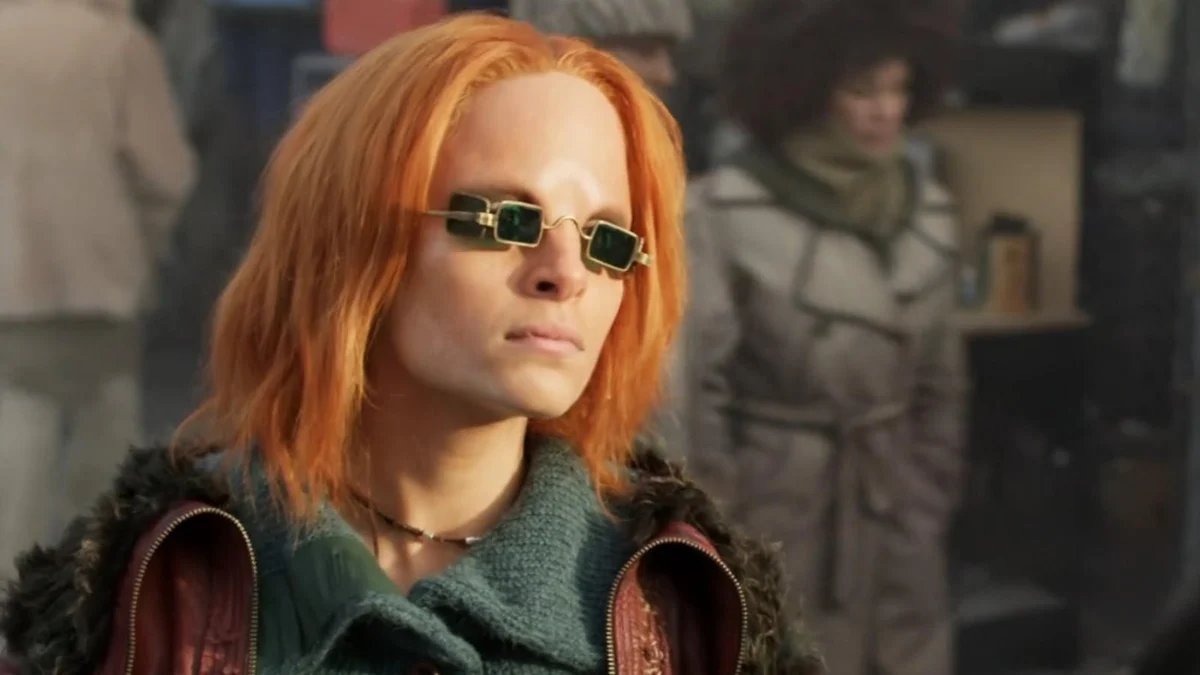
Developed by industry veterans Rockne S. O’Bannon, Michael Taylor, and Kevin Murphy, Defiance was designed to be a "transmedia" powerhouse. The premise was set in a post-apocalyptic version of Earth, decades after a devastating conflict with a collective of extraterrestrial races known as the Votans. The arrival of Votan ark ships—which were intended to terraform the planet for the refugees—resulted in a chaotic, volatile environment where alien technology fused with the remnants of human civilization.
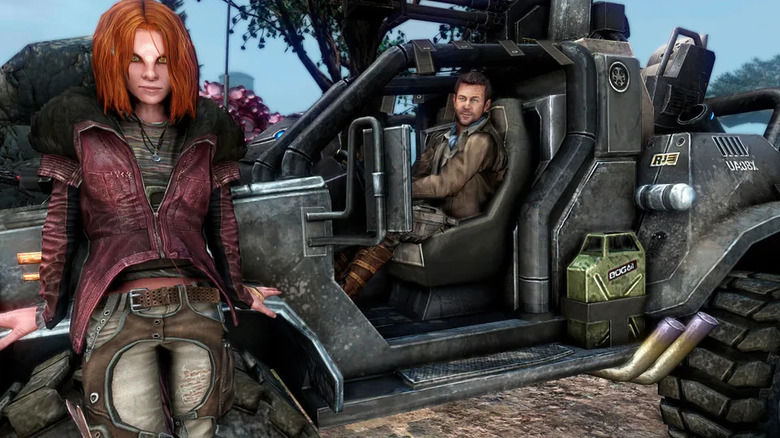
The story centered on the town of Defiance, built upon the ruins of St. Louis, Missouri. Serving as a melting pot for humans and various Votan species, the town functioned as a frontier outpost in a lawless, mutated landscape. The show balanced political intrigue, action-oriented Western tropes, and high-concept sci-fi. However, its true "hook" was the accompanying video game, developed by Trion Worlds. Unlike traditional tie-in games—which were historically relegated to repetitive, low-budget cash grabs meant to mimic a film’s plot—the Defiance game was a standalone third-person shooter that functioned as an extension of the show’s world.
Chronological Evolution of the Project
The development of Defiance was a marathon effort involving years of collaboration between television producers and game developers.
- 2013 (The Launch): Defiance debuted with massive fanfare. The series premiere was coordinated with the release of the video game. Players of the game could encounter characters from the show in virtual missions, and the events of the game often set up the narrative beats for the upcoming week’s television episode.
- 2013–2015 (The TV Run): The show aired for three seasons on SyFy. During this period, the "crossover" events were at their peak. Certain missions in the game were time-sensitive, meaning players had to complete them before the next episode aired, effectively allowing the gaming community to influence the "history" of the world before it was broadcast on screen.
- 2015 (The Cancellation): Despite the unique premise, the series was canceled by SyFy following the conclusion of its third season. Declining ratings and the immense financial burden of maintaining such an ambitious, dual-format production model rendered it unsustainable.
- 2016 (The "Fourth Season"): In a unique twist, the video game continued to thrive. Trion Worlds released a major update titled "Dark Metamorphosis," which effectively served as an unofficial "fourth season," continuing the story of the Defiance universe through the game’s narrative lens.
- 2018 (The Refresh): Trion Worlds released Defiance 2050, a modernized, updated version of the game for PlayStation 4 and Xbox One, attempting to revitalize interest in the franchise.
- 2021 (The Shutdown): The publisher, Gamigo, officially shut down the game servers, seemingly ending the life of the Defiance brand.
- 2025 (The Resurrection): Proving the resilience of the intellectual property, Fawkes Games acquired the licensing rights and relaunched the original game on PC, allowing a new generation of players to inhabit the ruins of St. Louis.
Supporting Data: Why the Model Struggled
The primary challenge for Defiance was the disparity in the user experience. While the television show was a relatively standard procedural drama, the video game was a complex, buggy, and demanding MMO.
Critics at the time, such as those from Digital Spy, pointed out that the game suffered from significant technical issues at launch. Bugs, server instability, and clunky mechanics hampered the experience for many players. While the concept of having the game and show influence each other was groundbreaking, the execution was often hindered by the physical limitations of the technology in 2013.
Furthermore, the "barrier to entry" was high. To fully appreciate the interconnected narrative, one had to be both a dedicated TV viewer and a committed gamer. For the casual viewer, the game was irrelevant; for the gamer, the show was occasionally slow-paced. By trying to serve two different audiences with one product, Defiance arguably diluted its potential for mass-market success. The high production costs associated with maintaining a live-service game while simultaneously filming a series placed a financial strain on the studio that the moderate viewership numbers could not justify.
Official Responses and Industry Perspectives
At the time of its release, the creators were vocal about the "pioneering" nature of the project. "We are not just creating a show; we are creating a world," was the sentiment echoed by showrunners and the development team at Trion Worlds.
Industry analysts, however, were more cautious. Many noted that Defiance was a victim of its own ambition. In a post-mortem analysis of the project, Variety cited the immense cost of maintaining the synchronization between the two mediums. It was a project that required the perfect alignment of two separate industries—television and gaming—which rarely possess the same development cycles or creative priorities.
Despite its cancellation, the longevity of the game—which outlived the show by nearly six years—suggests that the core concept of a persistent, evolving world was the most successful element of the franchise. Even after the servers were shuttered by Gamigo, the community’s vocal desire for the game’s return played a significant role in its eventual acquisition by Fawkes Games.
The Broader Implications: What Defiance Taught Hollywood
Looking back, Defiance serves as a crucial lesson for today’s media conglomerates. The current push for "cinematic universes" often stops at the screen, but the Defiance model showed that deeper integration is possible—provided that the individual components can stand on their own.
- Interconnectivity vs. Accessibility: The biggest takeaway is that while fans love "Easter eggs" and interconnected lore, the product must be accessible to the uninitiated. A viewer should never feel they must play a game to understand a TV show, or vice versa.
- Technological Maturity: In 2013, cloud gaming and real-time live-service updates were in their infancy. Today, with the rise of high-speed internet and more robust game engines, the technical hurdles that plagued the original Defiance are significantly lower.
- The Value of Original IP: Perhaps the most impressive aspect of Defiance is that it was not based on an existing comic book or novel. It was an original intellectual property. In an industry currently obsessed with legacy sequels and reboots, Defiance stands as a reminder that audiences are capable of embracing new, weird, and experimental worlds—provided the quality is consistent across all platforms.
Ultimately, Defiance may not be remembered as a massive commercial triumph, but it remains a landmark project. It dared to blur the lines between passive consumption and active participation. As the entertainment industry continues to seek new ways to engage audiences, the story of this sci-fi Western serves as both a cautionary tale and a blueprint for the future of transmedia storytelling. The town of Defiance may have fallen on television, but its legacy in the landscape of digital entertainment continues to endure.