

For many children growing up in the mid-20th century, the television set was a portal to the mundane. For Nancy Nayor, it was a gateway to the macabre. While her parents looked on with bewilderment, a young Nayor was transfixed by the unsettling landscapes of The Outer Limits, the moral quandaries of The Twilight Zone, and the gothic atmosphere of Dark Shadows. What her parents saw as an eccentric fixation on the grotesque, Nayor was quietly refining into a sophisticated understanding of tension, performance, and narrative stakes.
Today, that "horror geek" childhood has manifested into one of the most distinguished careers in Hollywood. As a veteran casting director with over four decades of experience, Nayor has become an essential architect of modern genre cinema. From launching the career of Liam Neeson in Sam Raimi’s Darkman to identifying the fresh, visceral talent required for modern hits like Barbarian and Companion, Nayor has proven that casting is not merely about finding a face—it is about finding the soul of the scream.
The Foundation: From Universal Studios to the ‘Psycho’ Legacy
Nayor’s professional journey began in the mid-1980s, serving as the Vice President of Casting at Universal Pictures. In an era when studio casting departments exerted significant control over the look and feel of major motion pictures, Nayor found herself in the unique position of overseeing internal productions.
Her true baptism by fire occurred when she was assigned to Psycho III. For a woman who grew up idolizing the chilling precision of Alfred Hitchcock, working alongside Anthony Perkins—who was returning to his iconic role as Norman Bates while simultaneously stepping behind the camera—was a career-defining milestone.
"I was vice-president of casting, overseeing all the feature films at Universal, and I would cast certain films in-house," Nayor recalls. "Working with Tony Perkins was a dream come true. He wasn’t just an actor; he was the embodiment of the genre’s history."

The experience shattered her preconceptions. Expecting a performer as dark and volatile as the character he played, Nayor instead discovered a director of remarkable warmth. "He was the sweetest guy, straightforward, caring, and communicative," she notes. That early lesson—that the creators of the most terrifying stories are often the most empathetic individuals—would become a cornerstone of her collaborative philosophy.
A Chronology of Collaborations: The Raimi Connection
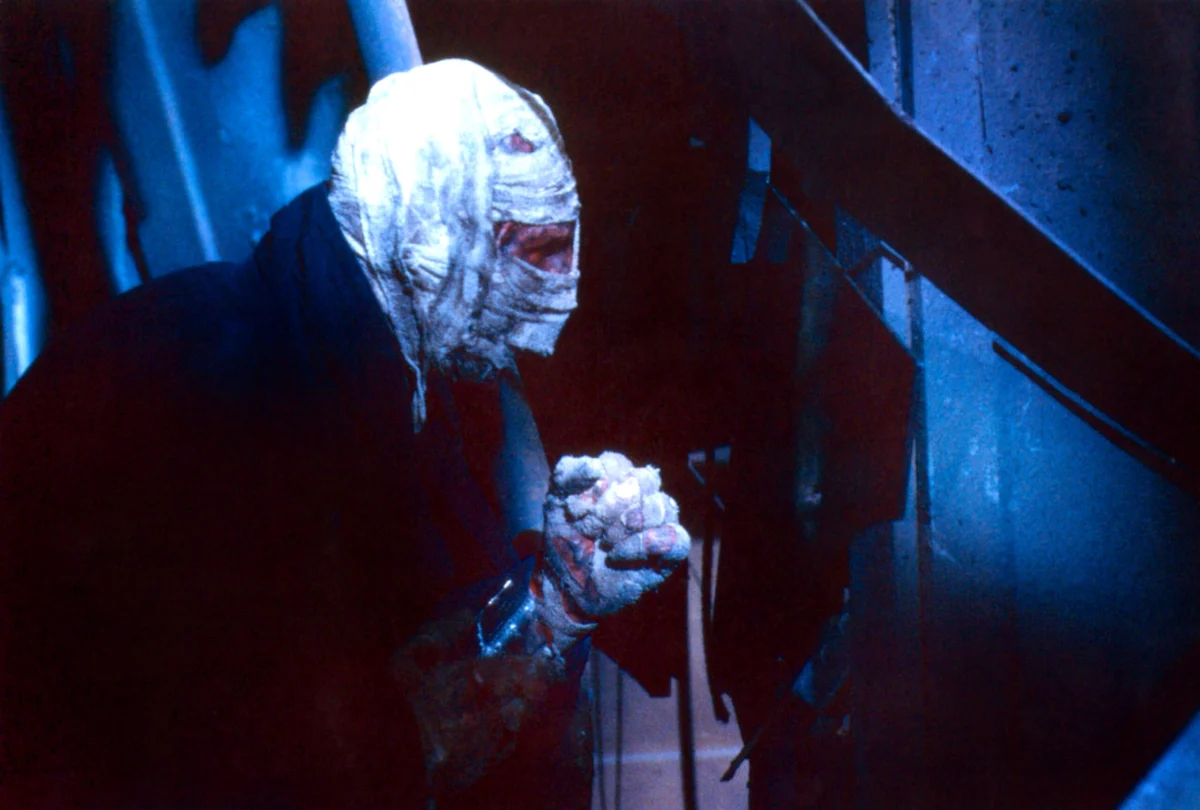
If there is one name that defines the intersection of horror and heart in Nayor’s career, it is Sam Raimi. Their long-standing partnership is a masterclass in mutual respect and creative alignment. Nayor fondly recalls the production of 1990’s Darkman, a film that required a lead capable of conveying deep pathos beneath layers of prosthetic trauma.
Their choice of Liam Neeson, then a relative unknown, was a gamble that paid off in dividends. "We discussed a lot of contenders, but there was something so soulful in his eyes and his presence," Nayor explains. By casting a non-household name, Nayor and Raimi allowed the audience to undergo a journey of discovery alongside the character, unburdened by the baggage of a pre-existing celebrity persona.
This collaboration highlighted a recurring trait in Raimi’s process that continues to baffle and delight agents and actors alike: his earnest appreciation for performance. Nayor recounts that during the Darkman casting sessions, Raimi would frequently give actors standing ovations.
"Their agents all thought they’d be getting callbacks, and I would have to explain to them that it’s just the beauty of Sam Raimi," she says. "He just loves whatever he loves about all the actors to the point that he’ll give them all applause. It was just so sweet to see the actors appreciated."

The Art of the Scream: Cultivating Audition Environments
Casting horror requires a unique set of psychological tools. Unlike a standard drama, a horror film often demands that an actor reach a state of primal, uninhibited hysteria within the sterile confines of an office building. Nayor has made it her mission to ensure that her audition rooms are safe spaces for such intensity.
"When it comes to genre films, sometimes they have to be screaming at the top of their lungs, or possessed by the devil, or freaking out," she says. "It takes more nurturing during the process to let them know it’s okay."
Nayor recalls a former office space that shared a floor with a dentist and a chiropractor. She would often find actors tensing up, fearing they would disturb the neighbors. "I was like, ‘Don’t worry, they know what we do up here. Nobody’s going to call the police. Just scream at the top of your lungs.’"
This environment of radical acceptance is mirrored by the technological shift toward self-taping. Nayor views the evolution of the casting process as a net positive for the genre. "People can literally be out screaming in the woods for their audition," she notes. "They don’t have to come into an office building, so they can really release the Kraken."
Supporting Data: Breaking Through the "Genre Stigma"
For much of the late 20th century, agents often viewed genre films as "lesser" projects—a prejudice that frequently hindered the casting process. Nayor has spent years dismantling these barriers, often through sheer force of will and personal persuasion.

A notable example occurred during the casting of the 2009 Last House on the Left remake. When she approached Aaron Paul’s representatives, they were dismissive of the horror genre. Refusing to let a perfectly cast role slip away, Nayor bypassed the gatekeepers and went directly to the actor.
"I really believed in [director] Denis Iliadis’ talent," she says. "I asked Aaron to watch the director’s first film. He took it home, watched it, and called me and said, ‘I’m in.’"
This tenacity is a recurring theme in her work. During the casting of the hit film Companion, star Sophie Thatcher initially turned down the project. Rather than accepting the rejection, Nayor and director Drew Hancock realized the pitch hadn’t landed correctly. They revisited the conversation, allowing Thatcher to meet with the director directly. The result was a successful casting that underscored Nayor’s core belief: never take no for an answer if you know an actor is the perfect fit.
The Current Landscape: A New Golden Age for Horror
Nayor believes the industry is currently in the midst of a historic boom for the genre, fueled by visionary directors like Jordan Peele and Zach Cregger. As the "prestige" of horror grows—evidenced by the increasing frequency of Academy Award recognition for genre performances—the old stigmas are evaporating.
"Our job is to search every crevice of the business, every little independent film, every Broadway show, and every Off-Broadway show," Nayor explains. "We’re more familiar earlier than the general audience."

This proactive scouting is how she continues to keep audiences surprised. By catching talent before they become "overexposed," she maintains a level of authenticity that keeps horror films grounded, even when the scenarios turn supernatural.
Future Implications: What’s Next?
As she looks toward the future, Nayor remains as hungry as the "horror geek" who first sat in front of her family’s television. She has recently completed work on My Boyfriend’s a Demon and is currently in the final stages of wrapping up Drew Hancock’s highly anticipated follow-up to Companion.
The profession of casting, in her view, is one of the most rewarding in the entertainment industry. It is a role that requires the analytical mind of a producer, the empathy of a therapist, and the tenacity of a talent scout.
"I think it’s just such a cool profession," Nayor concludes. "I can’t believe I get to do it for a living."
As the lines between genre and mainstream cinema continue to blur, one thing remains certain: as long as there are stories that demand to be told, Nancy Nayor will be in the room, finding the perfect voice to scream them. Her legacy is not just in the films she has helped make, but in the environment of respect, encouragement, and daring that she has cultivated for the next generation of actors who are brave enough to face the dark.










