

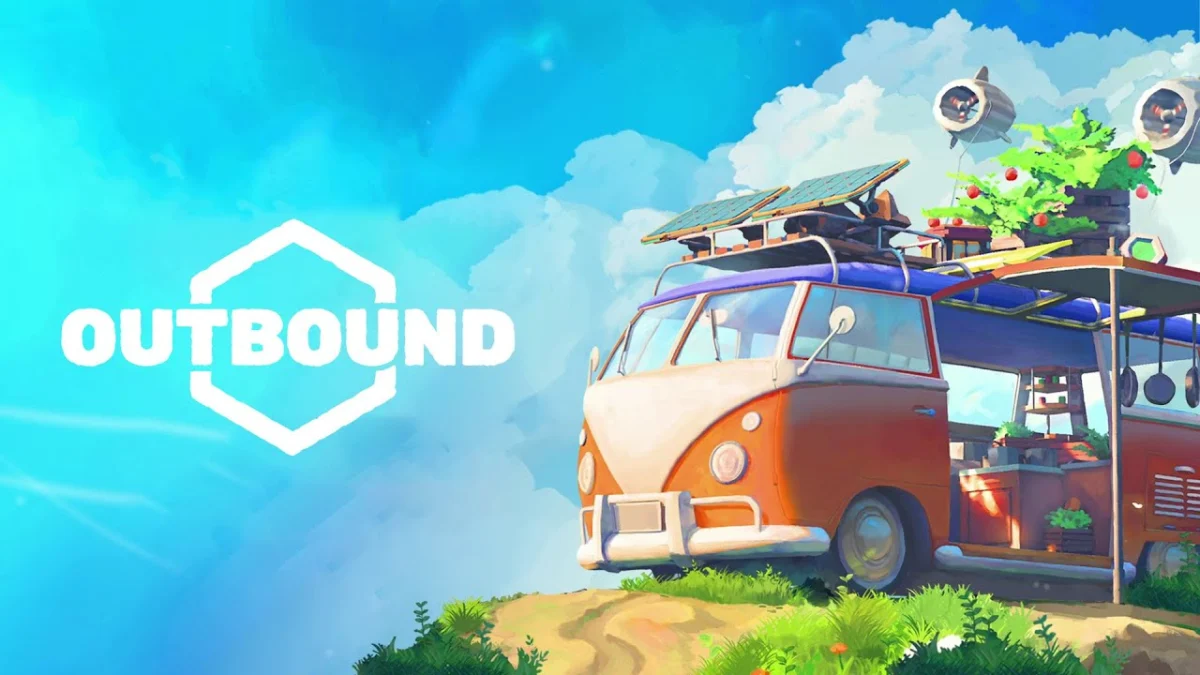
In the volatile ecosystem of independent game development, the gap between pre-launch anticipation and post-launch reality is often bridged by player feedback. However, rarely does that bridge collapse as spectacularly as it has for Outbound, the cozy survival title from Square Glade Games. Despite entering the market with the weight of 1.5 million wishlists, the game’s debut has been defined not by its mechanics, but by a controversy regarding developer interference in user reviews.
The Promise of the Open Road
Outbound was positioned as a quintessential entry into the "cozy survival" genre. With a premise centered on mobile living—exploring a vibrant, stylized open world while retrofitting a customizable van into a self-sustaining home—the game tapped into the cultural zeitgeist of the "van-life" movement. Players were promised a meditative experience of crafting, gathering, and nomadic freedom.
Square Glade Games spent months cultivating a community that eagerly awaited a relaxing escape. The game’s aesthetic, characterized by soft colors and low-pressure survival mechanics, resonated with fans of titles like Subnautica and A Short Hike. On paper, the project possessed all the hallmarks of a breakout indie hit, leading to an impressive 1.5 million Steam wishlists—a figure that typically guarantees a strong commercial opening.
A Chronology of a Disrupted Launch
The road to release for Outbound was marked by hesitation and strategic maneuvering. Initially slated for an April release, the developers pushed the window to May to allow for final polish. However, the schedule was forced into further flux when the announcement of Subnautica 2—a titan in the survival genre—loomed over the calendar.
Recognizing the danger of being overshadowed by a high-profile competitor, Square Glade Games made the tactical decision to shift the launch to May 11th. The goal was to secure maximum visibility in a crowded marketplace. While the strategy succeeded in terms of timing, it arguably backfired in terms of expectations. The "day-one" pressure, combined with the anticipation of a massive audience, created a volatile environment the moment the game went live.
The Fracture: Gameplay Criticism and Economic Concerns
Almost immediately upon release, the sentiment on Steam shifted from "highly anticipated" to "deeply divided." While some players appreciated the visual art style, a significant portion of the user base began airing grievances that suggested the game lacked the depth required for its price point.
The Core Gameplay Loop
The most consistent critique focused on the "shallow" nature of the survival loop. Players reported that the experience quickly devolved into a repetitive grind of gathering materials and driving, with little in the way of meaningful progression or discovery. In a genre where exploration is the primary motivator, many found the map to be paradoxically small and the pacing to be sluggish.

Pricing and Monetization
Beyond gameplay mechanics, the economic model of Outbound became a flashpoint for frustration. With a price tag of $20–$25, many users felt the game lacked the content density expected for that tier. This discontent was exacerbated by the release of day-one DLC, specifically a vehicle skin pack featuring a school bus. For a player base already feeling that the base game was unfinished or lacking in substance, the addition of paid cosmetic content felt like a cynical cash grab, further damaging the game’s initial reputation.
The Review Controversy: Crossing the Boundary
The most damaging chapter of the Outbound launch occurred when developers began interacting with negative Steam reviews in a way that violated the unspoken social contract between creators and players.
Users reported receiving direct replies from Square Glade Games staff that politely but persistently encouraged them to reconsider their negative scores. The requests often suggested that players wait for forthcoming patches before deciding on a final review or, in more egregious cases, asked players to remove their negative assessments entirely after a fix was implemented.
This behavior triggered a massive backlash. Steam’s own guidelines explicitly prohibit developers from "artificially influencing" review scores. By attempting to curate their own reputation through direct solicitation, the developers unwittingly transformed a standard "mixed review" situation into a PR crisis. The community viewed these actions as a lack of professional integrity and a failure to respect the validity of consumer feedback.
Official Response: The Anatomy of an Apology
As the controversy dominated the Steam discussion forums, Square Glade Games issued a formal statement. The apology, penned by developers Marc and Tobi, attempted to de-escalate the situation by acknowledging the intense pressure of a launch.
"To be completely honest, the 24 hours since the launch have been incredibly overwhelming," the statement read. "Looking back, we realize that the way we communicated was not the right approach, and we didn’t handle the situation with the care it deserved."
The developers addressed the core accusations, admitting that they had been replying to reviews based on faulty information regarding which bugs had been fixed. Crucially, they made two firm commitments:

- They would cease all requests for players to alter or remove negative reviews.
- All previous comments of that nature were deleted.
This act of transparency, while necessary, highlighted the fragility of modern indie development. The developers admitted that their behavior was born of "intense emotions" rather than malicious intent, providing a human lens through which to view a technical and professional blunder.
The Long-Term Implications for Indie Developers
The Outbound situation serves as a cautionary tale for the industry. The incident underscores several critical realities about the modern gaming landscape:
1. The "Wishlist Trap"
1.5 million wishlists create an expectation of a polished, feature-complete product. When developers succumb to the pressure of an early launch to beat competitors, they risk releasing a title that cannot live up to the hype, leading to a "review bomb" cycle that can permanently damage a game’s visibility.
2. The Sanctity of User Feedback
Steam reviews are a vital tool for consumers. When developers attempt to manipulate these, they are not just attacking a review score; they are attacking the community’s trust. Once that trust is eroded, it is nearly impossible to regain. The community, as evidenced by the reaction to Outbound, is highly sensitive to corporate interference.
3. Communication as a Product
In the era of social media, how a developer communicates is as important as the code they write. The "human" side of the apology from Square Glade Games was well-received by many, but it could have been avoided entirely had the studio maintained a professional boundary from the outset.
4. The Value Proposition
As the gaming market becomes increasingly saturated, consumers are becoming more discerning regarding pricing. Launching a game with minimal content while simultaneously offering paid DLC is a high-risk strategy that rarely yields positive results in the current climate, where players value transparency and value-for-money above all else.
Conclusion
Outbound remains a work in progress. While the game has the potential to find its footing through patches and updates, the damage to its initial launch trajectory is undeniable. The saga of Outbound is a stark reminder that in the world of independent gaming, success is not just measured in wishlists or sales, but in the enduring integrity of the relationship between those who build the worlds and those who inhabit them. For Square Glade Games, the road ahead is one of rebuilding—not just the game, but the trust of the players who once eagerly awaited their arrival.











No comments yet. Be the first to join the conversation!