Dwi Wanna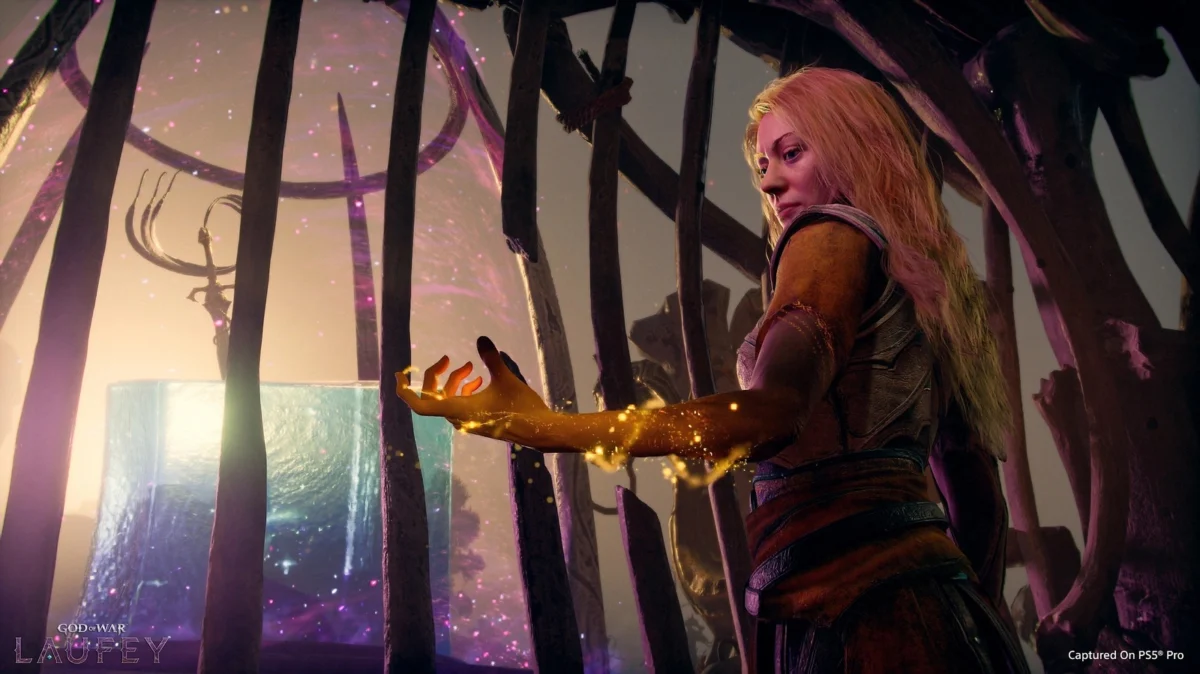
The God of War franchise, a cornerstone of PlayStation’s first-party lineup since 2005, is preparing for its most significant narrative pivot to date. Following a high-profile announcement at San Diego Comic-Con and a synchronized rollout across official PlayStation social media channels, Sony Interactive Entertainment and Santa Monica Studio have confirmed that the highly anticipated standalone title, God of War: Laufey, will officially launch on PlayStation 5 on February 16, 2027.
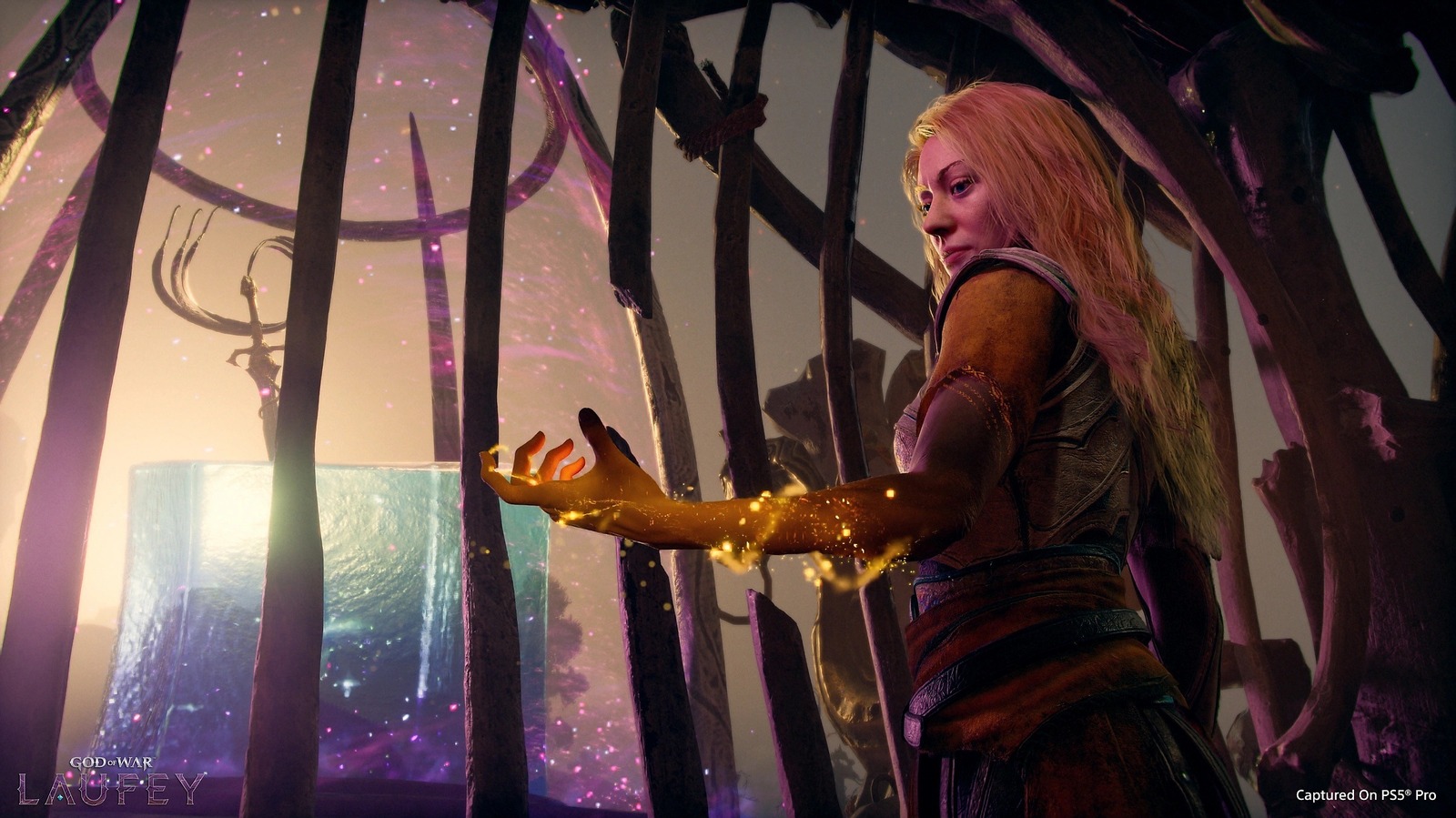
This departure from the Kratos-centric formula marks a bold evolution for the series. Rather than continuing the saga of the Ghost of Sparta, God of War: Laufey invites players to step into the boots of Faye—the legendary giantess, warrior, and wife of Kratos—to explore the mysterious "afterlife of the gods."
The Genesis of the Journey: Main Facts and Premise
God of War: Laufey serves as a bridge between the deep lore established in God of War (2018) and the climactic events of God of War Ragnarök. While Faye’s influence has been felt throughout the recent Norse duology—her tactical foresight, her hidden murals, and her role as a leader of the Jötunn—her actual combat capabilities remained shrouded in mystery, relegated to the memories of those who knew her.
The upcoming title aims to rectify this, putting players in control of Faye as she traverses the ethereal and often harrowing realms of the afterlife. The game promises a shift in combat mechanics; where Kratos relies on raw, weighted power and tactical precision, early gameplay footage suggests that Faye favors a fluid, aerial-focused style. Utilizing a combination of magical prowess and agile melee combat, players will encounter a bestiary of deities and monstrous entities that have never before graced the God of War screen.
For fans of the series, this is the first time they will experience the "Giantess’s Perspective" in a full-scale, AAA production, shedding light on how she managed to hold the Aesir and Vanir at bay during her lifetime.
A Chronology of the Reveal
The journey to this announcement has been marked by strategic teases and industry speculation. To understand the gravity of this release, one must look at the timeline of events leading up to the February 2027 launch:
- November 2025 – The Seed is Planted: Following the critical success of God of War Ragnarök, Santa Monica Studio began dropping subtle hints regarding the "untold stories of the Nine Realms."
- June 2026 – The Teaser: A surprise gameplay reveal at a major gaming showcase provided the first concrete evidence of a new title. The footage, barely 90 seconds long, showcased Faye engaging in high-octane, gravity-defying combat, confirming that the rumors of a spin-off were indeed true.
- July 2026 – San Diego Comic-Con Panel: The definitive announcement took place during the "God of War: The Future of the Pantheon" panel. Developers confirmed the title, God of War: Laufey, and solidified the release date of February 16, 2027.
- July 2026 – Digital Storefronts: Shortly after the panel, the game went live on the PlayStation Store for wishlisting, signaling the start of the formal pre-marketing campaign.
Supporting Data: Technical Ambition and Gameplay Shifts
Industry analysts point to God of War: Laufey as a "bridge title" that utilizes the current iteration of the proprietary Santa Monica Studio engine while pushing the limits of the PlayStation 5’s hardware. Unlike the previous games, which focused on the grounded, heavy-hitting combat of the Leviathan Axe and the Blades of Chaos, Laufey appears to be leaning into verticality.
Data pulled from the initial combat trailer reveals a sophisticated combo system that emphasizes "air-time." This suggests that the developers have implemented a more robust physics system to accommodate Faye’s magical abilities. Furthermore, the game’s setting—the afterlife of the gods—allows for a radical departure in art direction. While the Norse realms of Midgard and Svartalfheim featured rugged, grounded terrain, the afterlife environment shown in promotional materials features surreal, shifting geometry and ethereal lighting, suggesting that the studio is prioritizing visual innovation to distinguish this title from its predecessors.
Official Responses and Creative Vision
The transition to a new protagonist has been met with both excitement and curiosity from the community. During the San Diego Comic-Con panel, Cory Barlog, the creative force behind the Norse era of the franchise, addressed the necessity of Faye’s story.
"Faye was always the architect," Barlog stated. "For years, Kratos followed the path she laid out for him. We felt that simply telling the story of the aftermath wasn’t enough. To truly understand the weight of the Ragnarök arc, you have to understand the woman who defied destiny. Laufey isn’t just a combat game; it’s a deep dive into the philosophy of the Giants and their relationship with the afterlife."
The studio has emphasized that while the game will be smaller in scope than a mainline God of War entry, it will be "narratively dense," focusing on character-driven moments that flesh out the history of the Jötunn.
The Future of the Pantheon: Implications for the Franchise
Perhaps the most significant takeaway from the recent SDCC panel was not the announcement of Laufey itself, but the confirmation that the franchise is far from finished with its original hero. Santa Monica Studio explicitly stated that a new Kratos-led project is currently in the early stages of development, slated for release after the Laufey expansion.
This suggests a "dual-track" strategy for the God of War brand:
- The Legacy Series: Future games that continue to follow Kratos’s growth as a father and a leader.
- The Anthology Series: Smaller, focused standalone titles like Laufey that explore the vast backstories of side characters or specific eras in the franchise’s history.
This strategy mimics the success of other major narrative franchises that utilize spin-offs to keep the brand relevant between major tentpole releases. For Sony, the implications are clear: by diversifying the God of War portfolio, they are ensuring that the IP remains a consistent pillar of the PlayStation ecosystem for the next decade.
Conclusion: A New Era Approaches
As we look toward February 16, 2027, the gaming community finds itself at an interesting crossroads. God of War: Laufey represents a transitionary period for the series, one that moves away from the singular focus on Kratos’s redemption and toward a broader, more interconnected mythology.
For players who have spent the better part of two decades walking in the boots of the Spartan, stepping into the shoes of Faye will be an exercise in rediscovery. The game promises to answer long-standing questions about the Giants, the nature of death in the Nine Realms, and the true extent of the power Faye wielded. With the game now available for wishlisting, the anticipation is only expected to grow as more details emerge regarding the combat mechanics, the specific pantheons involved in the afterlife, and the inevitable narrative connections to the future of the series.
Whether you are a long-time devotee of the franchise or a newcomer intrigued by the promise of high-fantasy, supernatural combat, God of War: Laufey is shaping up to be a defining moment in the PS5’s late-cycle library. The path to February is long, but for those ready to walk the afterlife, the journey promises to be legendary.


 Jia Lissa
 Asro
Asro