

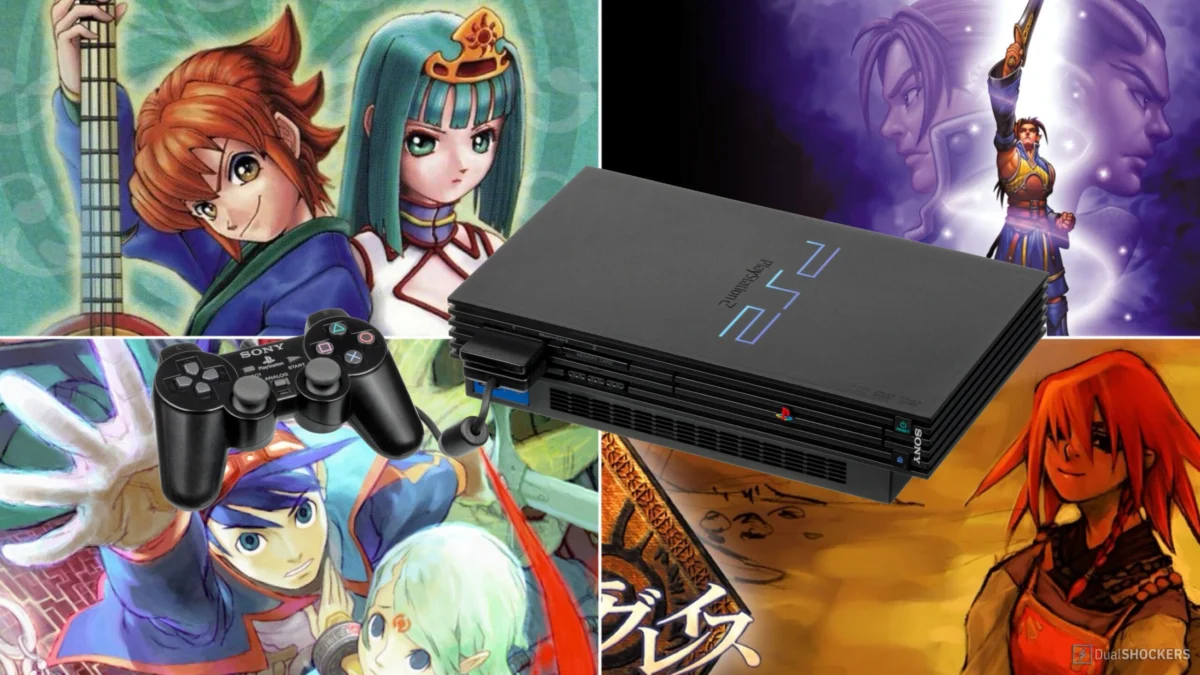
The PlayStation 2 era is often remembered as the golden age of the Japanese Role-Playing Game (JRPG). It was the generation that promised to push the genre into the stratosphere, positioning it as the primary system-seller for Sony’s dominant console. While the era began with blockbuster hits like Final Fantasy X, the landscape shifted midway through the decade. Development cycles ballooned in duration, and the industry’s focus began to drift toward other genres, leaving a vacuum that many major developers filled with bold, often strange, and deeply experimental titles.
As the industry grappled with the rising costs and complexities of 3D development, companies began to pivot away from traditional formulas. Some opted for unconventional art styles, while others completely overhauled their mechanics, resulting in a fascinating collection of "black sheep" titles. These games, often overshadowed by their more mainstream counterparts, represent a period of profound creative risk-taking.
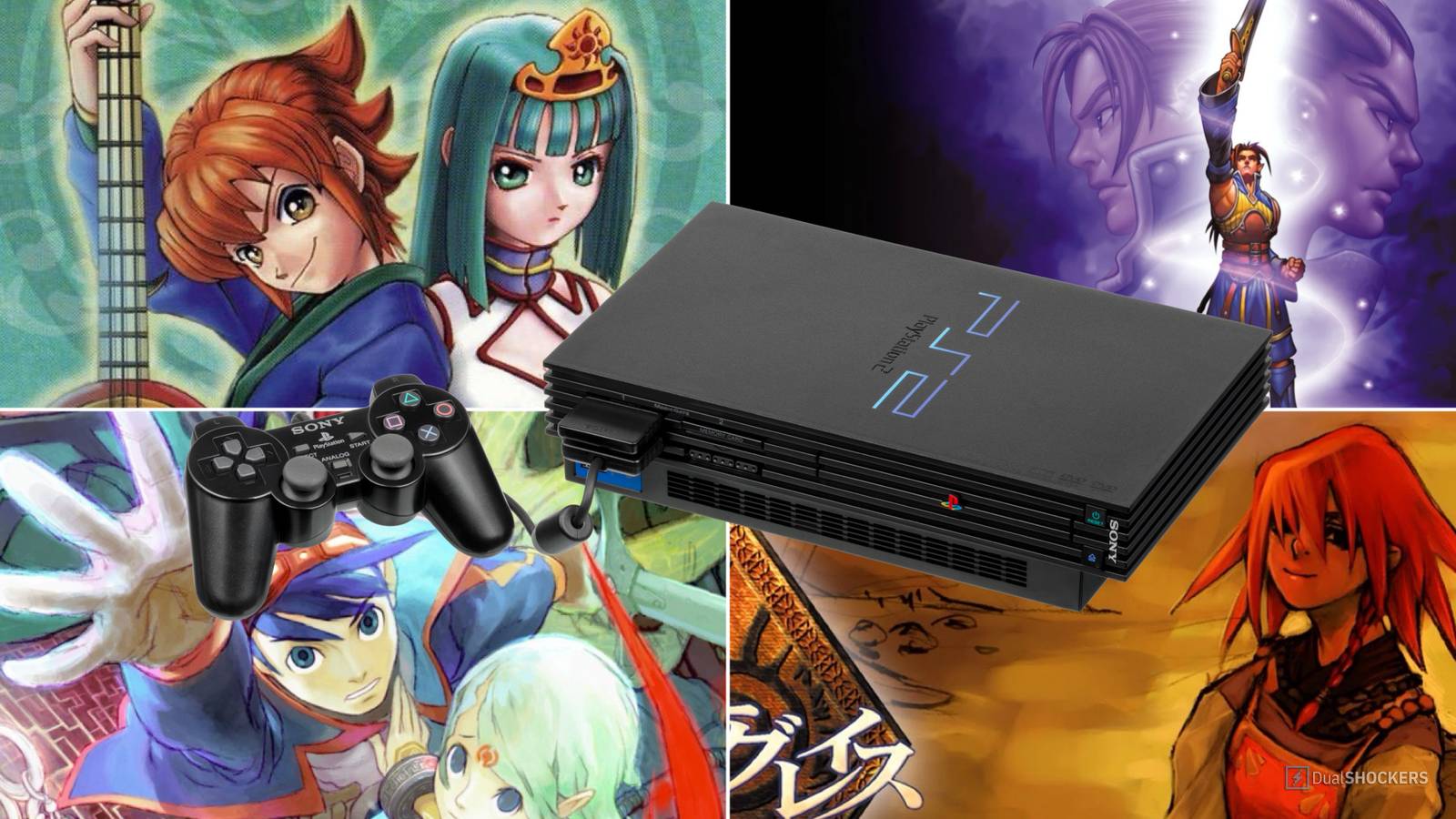
The Shift: From Mainstream Juggernauts to Niche Experiments
The transition from the PS1 to the PS2 was marked by a desire to push technical boundaries. However, as the novelty of 3D environments wore off, developers realized that bigger graphics didn’t necessarily mean better gameplay. This realization led to a split in the market: the "safe" sequels and the "experimental" departures.
Companies like Square, Capcom, and Atlus began to explore mechanics that defied the standard turn-based tropes. This era saw the rise of grid-based strategy, roguelike integration, and open-world social simulation elements—features that were far ahead of their time. While these games often failed to achieve the massive sales numbers of a Dragon Quest or Final Fantasy, they left an indelible mark on the genre’s history, providing a blueprint for the indie renaissance that would occur decades later.

A Chronology of Innovation and Obscurity
To understand the evolution of this era, we must look at the specific titles that dared to defy conventions between 2002 and 2008.
10. Eternal Poison (2008) – The Dark Strategy
Released toward the end of the PS2’s lifecycle, Eternal Poison by Flight-Plan (the studio behind Summon Knight) stands as a testament to the darker, gothic aesthetic that defined niche JRPGs. It introduced a monster-capturing system that felt like a twisted reflection of Pokémon, where players could sacrifice creatures to create items. Its grim narrative and complex tactical combat ensured it remained a cult classic, ignored by the mainstream but revered by those who sought a darker challenge.
9. Unlimited SaGa (2003) – The Board Game Gamble
Unlimited SaGa remains one of the most polarizing entries in Square Enix’s catalog. It was a bold attempt to merge the JRPG experience with board game-style exploration and slot-machine-based combat. While its art direction was undeniably stunning, its mechanics were punishingly obtuse. It forced players to rely on chance rather than traditional leveling, serving as a reminder that even the biggest industry giants were willing to gamble on radical design shifts.
8. Steambot Chronicles (2005) – The Open-World Pioneer
Long before the modern open-world craze, Irem Corp. delivered Steambot Chronicles. It was an ambitious blend of RPG, life simulation, and mech-combat. Players weren’t just saving the world; they were engaging in a "second-life" experience, customizing their bots and participating in a social world that felt remarkably ahead of its time. Despite its charm, it struggled to find a foothold, remaining an overlooked gem of the mid-2000s.
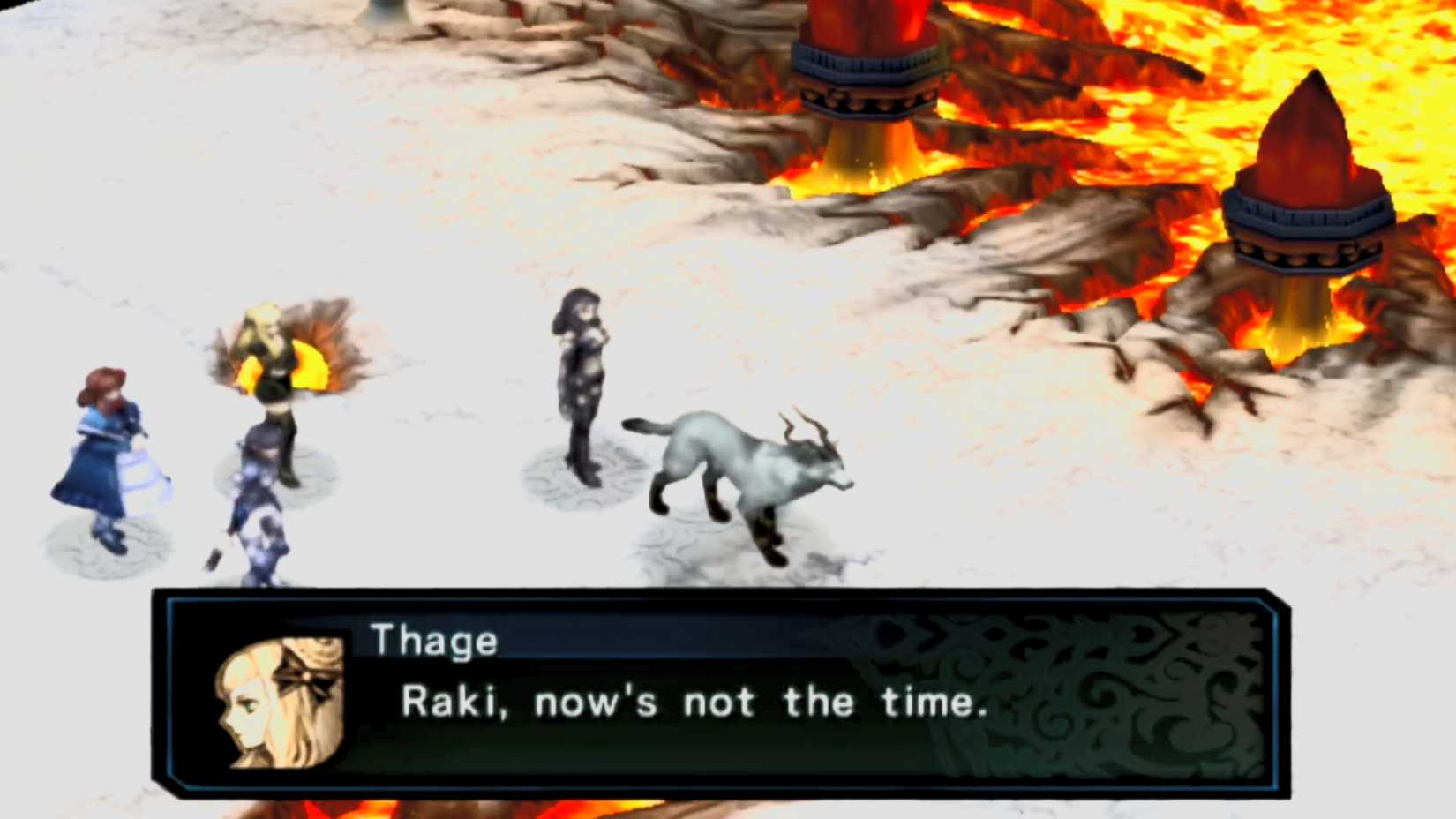
7. MS Saga: A New Dawn (2005) – The Gundam JRPG
MS Saga: A New Dawn holds the unique distinction of being a rare, full-fledged JRPG set in the Gundam universe. Developed by B.B. Studio, it offered deep customization and a challenging, strategic combat system that required careful planning to survive boss encounters. Despite its repetitive dungeon design, it provided a glimpse into what a high-budget Gundam RPG could have been, had the genre seen more investment from Bandai.
6. La Pucelle: Tactics (2004) – The Disgaea Precursor
Before Disgaea became a household name for strategy fans, Nippon Ichi Software cut its teeth on La Pucelle: Tactics. It featured the same humor, expressive character designs, and deep class systems that would eventually define the Disgaea franchise, but it was wrapped in a more wholesome, exorcist-themed narrative. It serves as a historical bridge, showing exactly how the studio refined its formula before hitting the mainstream.
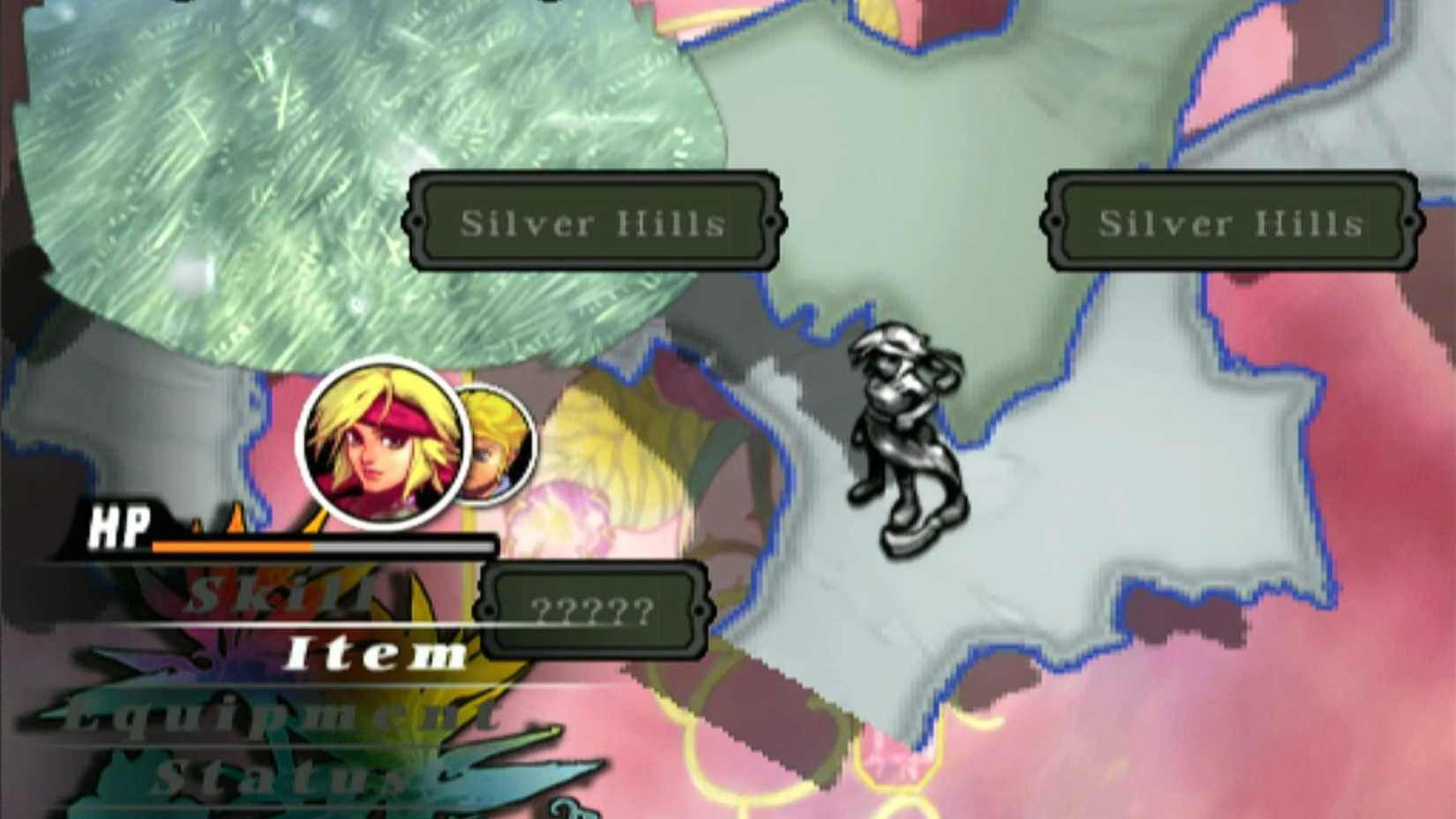
5. Evergrace (2000) – FromSoftware’s Sadistic Roots
Long before the Souls series dominated the industry, FromSoftware was experimenting with the PS2’s hardware in Evergrace. It was, by all accounts, a strange game. With its janky combat, distorted soundtrack, and vague storytelling, it offered a glimpse into the design philosophy that would eventually define Elden Ring. It was a game that offered no hand-holding, forcing players to navigate a world that felt alien and hostile.
4. Baroque (2007) – The Psychological Roguelike
Baroque is a masterclass in atmosphere. As a hybrid of a roguelike and a JRPG, it forced players to traverse a collapsing tower after an apocalypse called "the Blaze." Each death provided more narrative context, but the game became progressively more unstable and dream-like as the player progressed. It was a psychological experiment that proved JRPGs could be just as unsettling as survival horror titles.
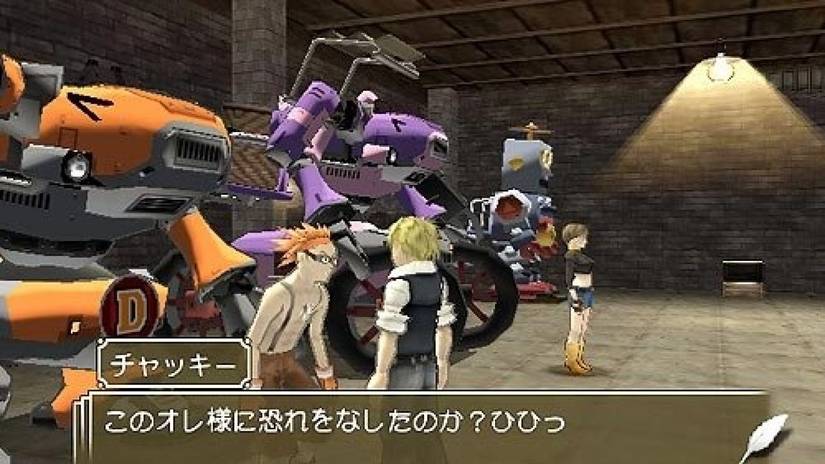
3. Ephemeral Fantasia (2000) – The Time Loop Conundrum
Konami’s Ephemeral Fantasia introduced a constant time-loop mechanic, requiring players to solve mysteries within a five-day cycle. This sense of urgency was revolutionary for the time, forcing players to recruit characters and complete objectives before the loop reset. It was a unique, musical, and technically ambitious title that rewarded player curiosity in ways that linear JRPGs simply could not.
2. Arc the Lad: Twilight of the Spirits (2003) – The Mature War Tale
Sony’s first-party effort, Arc the Lad: Twilight of the Spirits, is perhaps the most underrated title on this list. While it suffered from dull color palettes, it excelled in narrative depth. By presenting a story where both sides of a war had valid motivations, it challenged the "good vs. evil" binary of traditional RPGs. Its tactical movement system remains a benchmark for the genre.
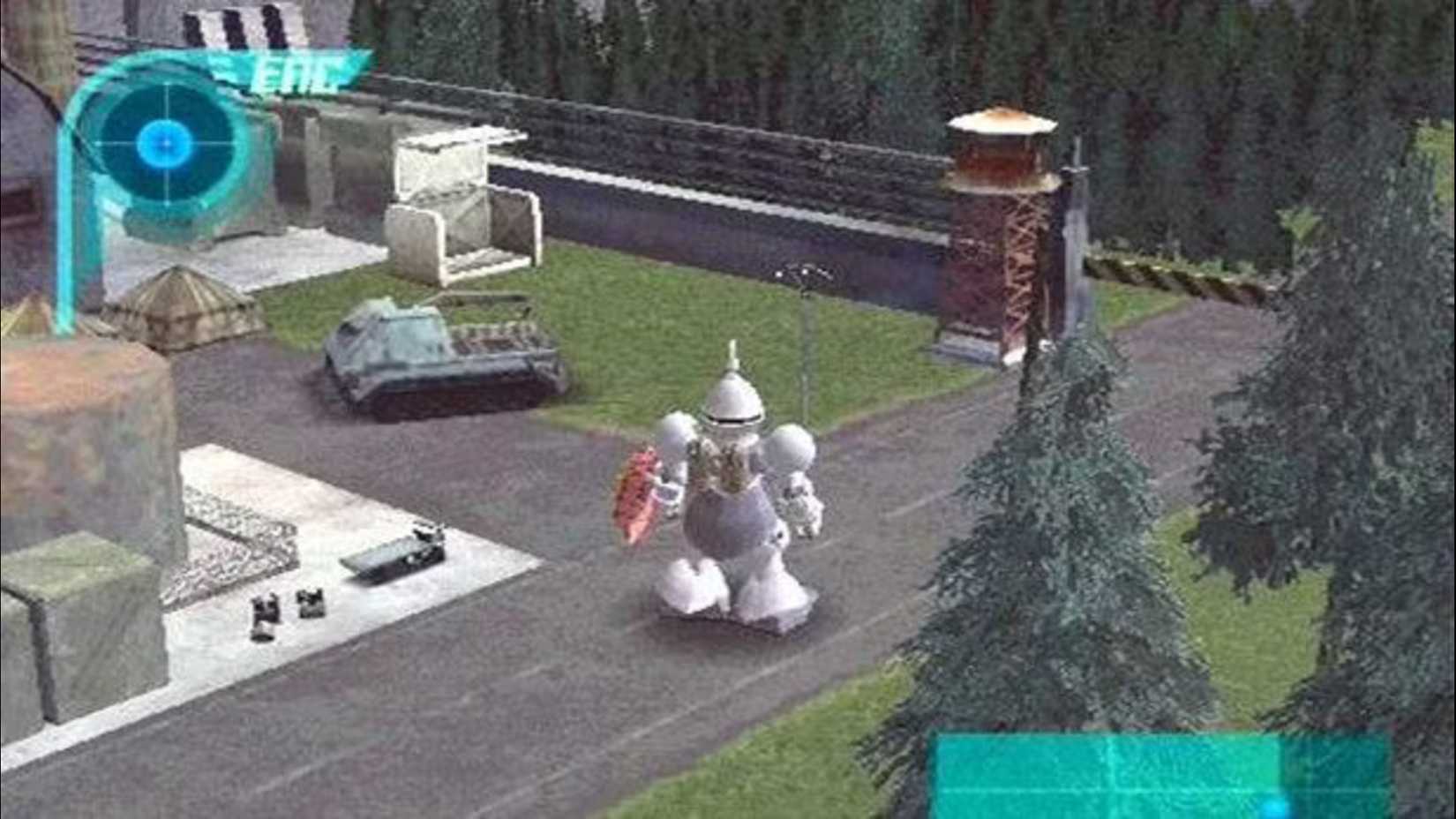
1. Breath of Fire V: Dragon Quarter (2002) – The Radical Departure
Breath of Fire V: Dragon Quarter is the ultimate example of a studio alienating its base to pursue artistic integrity. By swapping the vibrant, colorful world of the previous entries for a dark, underground claustrophobic nightmare, Capcom took a massive risk. The "D-Counter" mechanic—which could literally end the game if the player overused their dragon powers—introduced a level of tension rarely seen in RPGs. It wasn’t a game for everyone, but it was a bold statement on the potential for JRPGs to act as high-stakes, stressful experiences.
Implications for Modern Gaming
The legacy of these experimental PS2 titles is massive. Many of the mechanics pioneered in these obscure games—such as permadeath-lite roguelike elements, complex social systems, and non-linear narrative loops—have become staples of the modern indie JRPG scene.
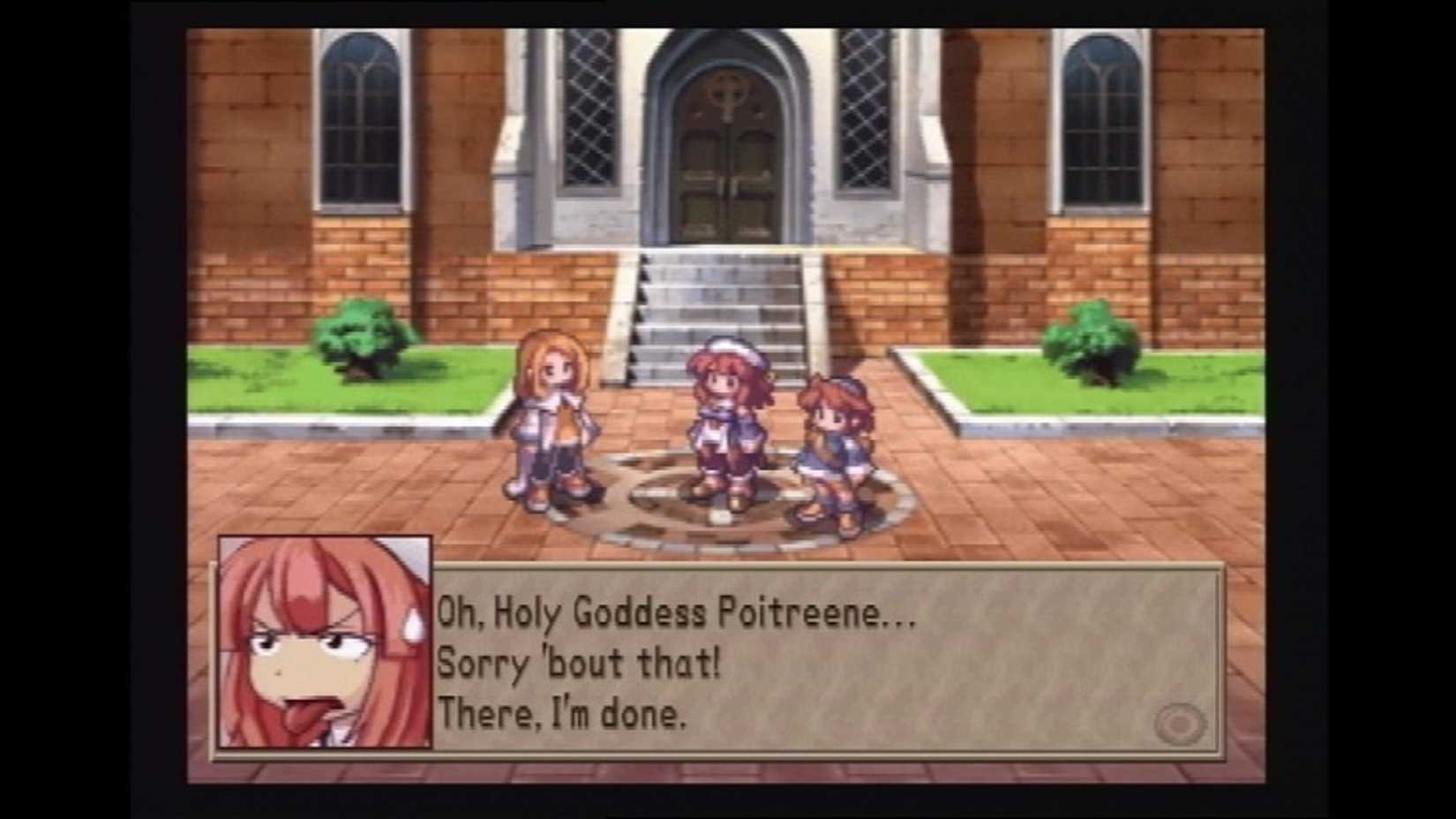
When developers look back at the PS2 era, they don’t just see the giants like Final Fantasy. They see the failures and the "weird" games that dared to be different. The lesson from the PS2 era is clear: when the industry is at its most saturated, the only way to move forward is to experiment. The creative risks taken by developers like FromSoftware and Capcom in the early 2000s paved the way for the genre-blending masterpieces we enjoy today. Whether it was the time-loop mechanics of Ephemeral Fantasia or the grim roguelike systems of Baroque, these games proved that the JRPG genre was never meant to be a static entity—it was, and remains, a playground for the bold.












No comments yet. Be the first to join the conversation!