

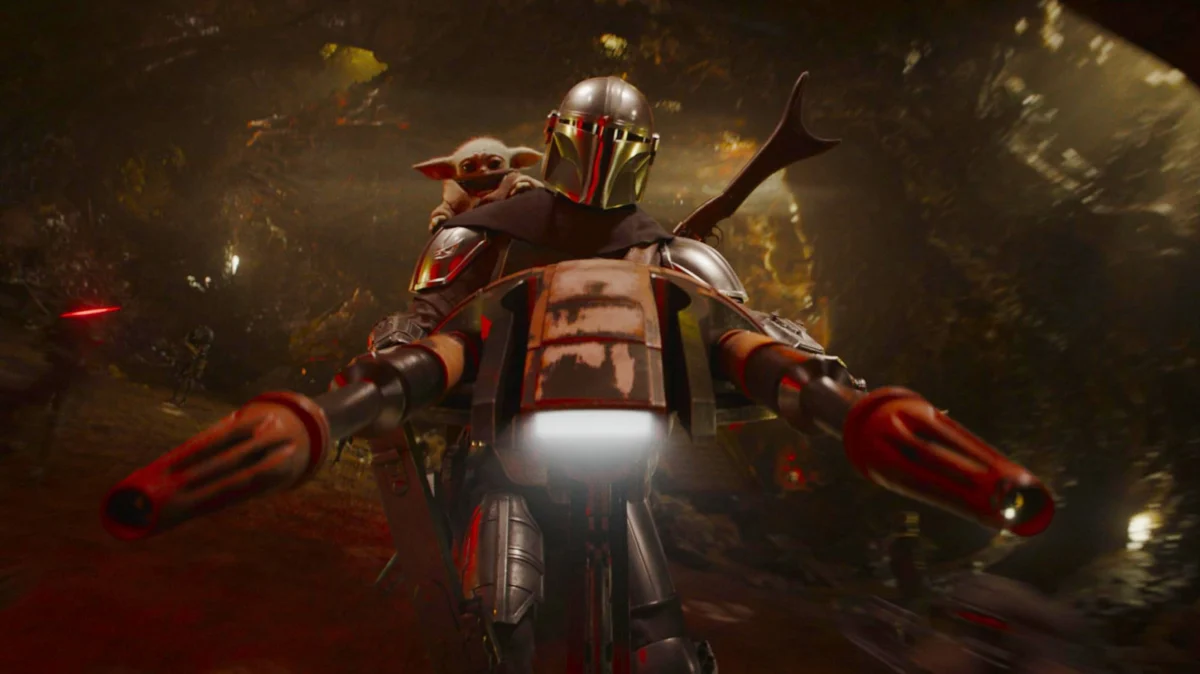
After a seven-year hiatus from the big screen, the Star Wars galaxy returned to theaters in May 2026 with The Mandalorian and Grogu. While the project was envisioned as a triumphant cinematic homecoming for the franchise, the reality of its theatrical performance has been a subject of intense debate among industry analysts and the Lucasfilm faithful. As the film prepares for its transition to the home market, we examine the complexities of this release, its financial footprint, and what it signals for the future of the galaxy far, far away.
Main Facts: The Transition to Home Media
For fans who missed the theatrical window—or for those eager to revisit the adventures of Din Djarin and his verdant ward—Disney and Lucasfilm have officially announced the home media schedule.
- Digital Release: Fans can rent or purchase the film via major digital platforms starting July 21, 2026.
- Physical Media Launch: The film will hit shelves on DVD, Blu-ray, and 4K Ultra HD on August 25, 2026.
The physical release is set to include a robust suite of behind-the-scenes content. Bonus features include Crafting ‘The Mandalorian and Grogu,’ a featurette exploring the production design; Biomes — From Snow to Swamp, which details the film’s location scouting and environmental storytelling; Welcome to Shakari, an in-depth look at the film’s new planetary setting; and Dejarik for Real, a deep dive into the practical effects and puppetry used to bring the galaxy’s favorite board game to life.
Chronology: A Path to the Big Screen
The journey of The Mandalorian and Grogu from the small screen to the multiplex represents a significant tactical shift for Lucasfilm. Following the polarizing reception of Star Wars: Episode IX — The Rise of Skywalker (2019), Disney largely retreated from theatrical releases, focusing instead on building a massive library of content for Disney+.
Jon Favreau’s The Mandalorian became the crown jewel of that era, effectively saving the Star Wars brand’s reputation with general audiences. Recognizing the popularity of the duo, Lucasfilm opted to graduate the series to a feature-length format. However, the production faced the gargantuan task of balancing the intimate, episodic charm of the show with the grand, high-stakes requirements of a blockbuster film.
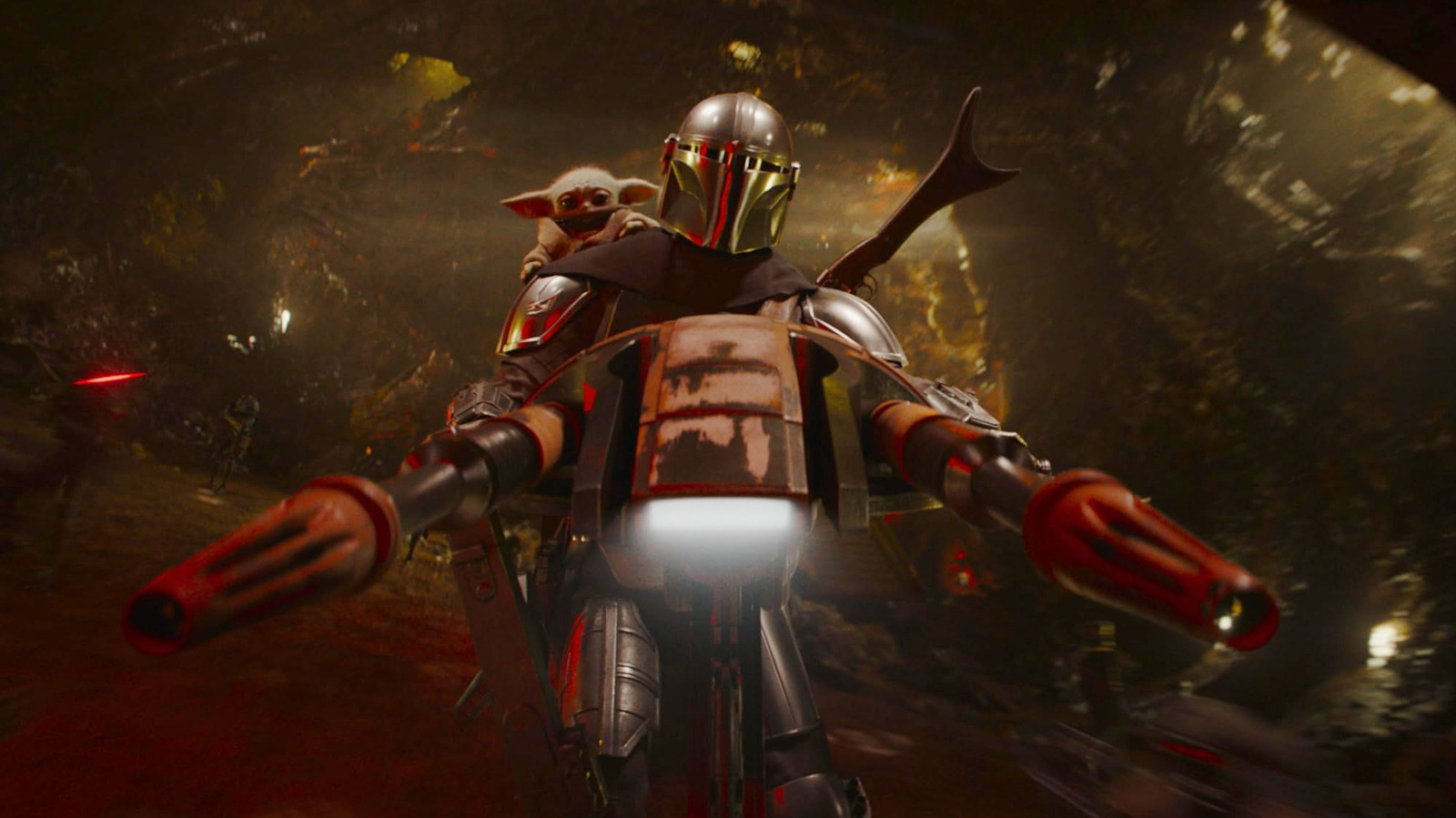
Upon its release in May 2026, the film arrived during a crowded summer season. Critics and audiences alike noted that while the film captured the "pulp swashbuckler" energy of the original trilogy, it struggled to justify its theatrical existence in the eyes of some, leading to a tepid box-office performance that fell short of the lofty expectations set by the pre-2019 era.
Supporting Data: Box Office Realities vs. Profitability
In the cold, hard world of financial reporting, The Mandalorian and Grogu currently holds the dubious distinction of being the lowest-grossing live-action Star Wars film of all time. It has failed to surpass the numbers posted by 2018’s Solo: A Star Wars Story, a film long cited by industry insiders as the primary example of "franchise fatigue."
However, looking at the raw box office numbers alone provides an incomplete picture. Financial analysts suggest that the "failure" narrative is nuanced by two major factors:
- Production Cost Efficiency: Unlike Solo, which suffered from high-profile director firings and extensive, costly reshoots, The Mandalorian and Grogu remained under the steady hand of Jon Favreau. By leveraging the existing infrastructure of the Mandalorian series—including its established cast, digital assets, and production pipeline—the film was produced at a significantly lower cost than a traditional Star Wars tentpole.
- The Ecosystem Effect: Lucasfilm’s strategy is no longer purely about the opening weekend gross. The film acts as a high-visibility marketing vehicle for the broader Star Wars brand. Merchandise sales, theme park synergy, and the long-term subscription value for Disney+ represent the "long tail" of the film’s profitability.
When accounting for ancillary revenue streams, the film is expected to move into the black, proving that even a "theatrical disappointment" can be a profitable corporate asset under the current Disney business model.
Critical Reception and Artistic Implications
The film’s critical reception has been markedly mixed. Critics have praised the film’s technical achievements—specifically the seamless blending of CGI with practical puppetry—and the score by Ludwig Göransson. The bond between Din Djarin (Pedro Pascal) and Grogu remains the film’s emotional anchor, providing the "heart" that many felt was missing from the sequel trilogy.
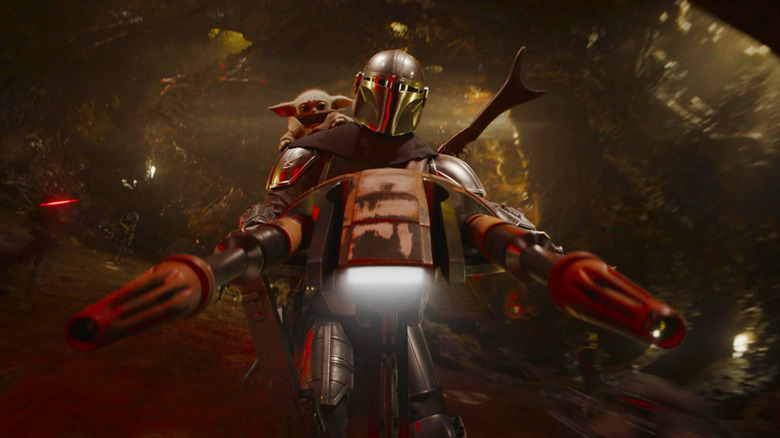
Conversely, the film has faced criticism for its perceived narrative simplicity. Reviewers have pointed out that the plot feels like an overextended episode of the television series rather than a self-contained cinematic event. The dialogue, described by some as "repetitive" and "flat," has drawn scrutiny, as has the lack of significant character development for the protagonists. While the film successfully ditched the "tiresome" narrative threads of the final season of the Disney+ show, it perhaps leaned too far into a "safe" formula, resulting in a project that, while polished, lacked the thematic depth that defined the early seasons of the show.
Official Responses and Strategic Pivot
Lucasfilm has maintained a disciplined silence regarding the box office shortfall, framing the release instead as a celebration of the characters. By focusing on the "home market" release, the studio is effectively pivoting the conversation toward the collector’s experience.
The inclusion of deep-dive featurettes on the film’s physical production suggests that Lucasfilm is leaning into the craftsmanship of the film to win over fans. By emphasizing the "real-world" effort—the miniatures, the practical sound design, and the creature effects—the studio is attempting to distinguish The Mandalorian and Grogu as a "prestige" product for the physical media community.
The Implications for Future Star Wars Projects
What does this mean for the future of the Star Wars cinematic universe?
- The "Event" Threshold: The moderate performance of this film suggests that audiences are no longer willing to show up for Star Wars simply because it is Star Wars. Future theatrical projects will likely need to offer a distinct, high-concept hook that feels fundamentally different from the streaming content.
- Streaming-First Strategy: The success of the "home market" push indicates that Disney may rely on theaters for "event" films while keeping character-driven stories on Disney+. The clear separation between "Cinematic Event" and "Series Continuity" will be critical in managing fan expectations moving forward.
- Physical Media as a Premium Tier: As streaming platforms continue to face scrutiny over content removal and licensing, the robust physical media package for The Mandalorian and Grogu signals a commitment to the "collector" market. This serves as a vital revenue stream that remains immune to the volatility of the box office.
Ultimately, The Mandalorian and Grogu serves as a case study for a franchise in transition. It is a film that balances the legacy of the past with the industrial realities of the future. Whether it is remembered as the beginning of a new theatrical era or the final gasp of an experimental period remains to be seen. For now, fans can look forward to August 25, when they can bring the adventures of the Mando and the Child home—a reminder that, in the world of Star Wars, physical media is, and always will be, the way.








