Muslim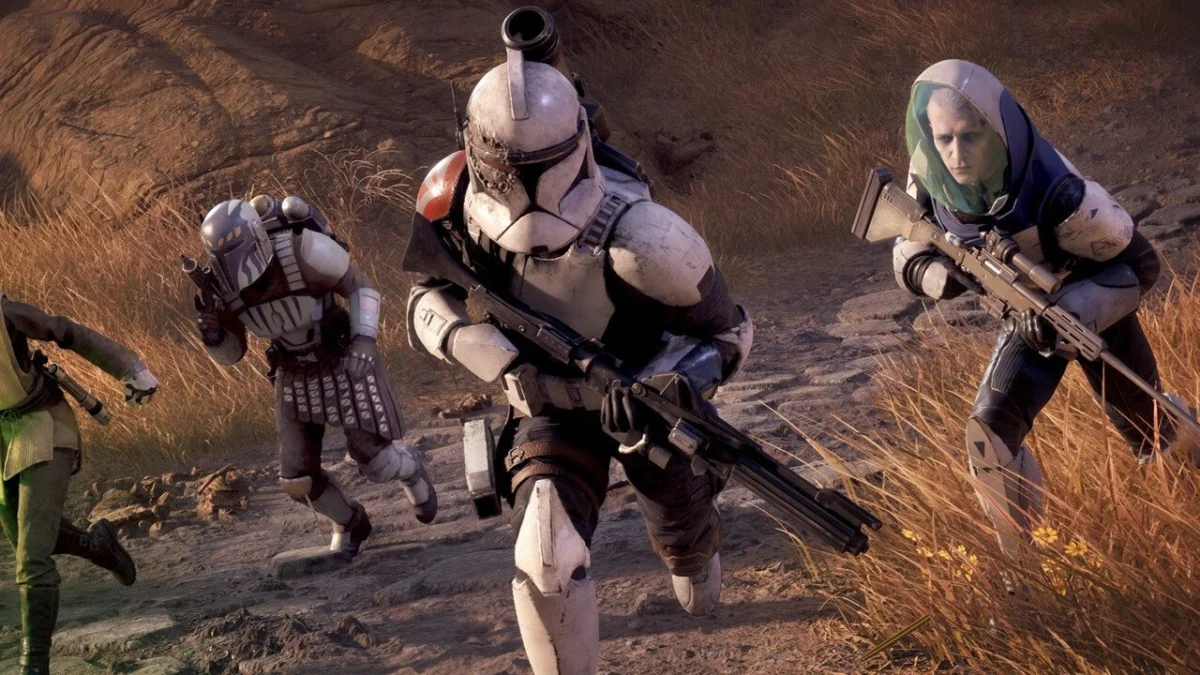
In an era where the “Triple-A” gaming industry has seemingly coalesced around a $70 baseline—with premium editions often soaring into the $100+ range—the announcement that Star Wars: Zero Company will launch at $50 has sent a ripple of surprise through the gaming community. Developed by Bit Reactor, a studio composed of industry veterans behind the seminal XCOM series, the game represents a bold departure from current pricing trends. By choosing a more accessible price point for a high-budget franchise title, Bit Reactor and publisher Electronic Arts are not merely engaging in a pricing experiment; they are making a strategic play for player engagement and long-term goodwill in a saturated market.
The Main Facts: A Return to Value
During the 2026 Summer Game Fest, Bit Reactor finally peeled back the curtain on Star Wars: Zero Company, confirming a global release date of August 27. While the gameplay reveal showcased a compelling blend of deep, turn-based tactical combat and cinematic storytelling, the most jarring detail for many observers was the MSRP.
Priced at $50, the game arrives at a cost notably lower than many of its contemporaries. To put this into perspective, $50 was the standard price for Firaxis’s XCOM: Enemy Unknown back in 2012. Even XCOM 2, which arrived in 2016, launched at the then-industry standard of $60. In today’s economy, where inflation has pushed the baseline for major releases to $70, the decision to launch at $50 feels like an artifact of a bygone era, or perhaps, a deliberate “value-first” strategy designed to lower the barrier to entry for fans of the Star Wars intellectual property.
Chronology of Development and Reveal
The journey to this announcement has been marked by high expectations. Bit Reactor, founded by former Firaxis developers, was established with the explicit goal of bringing the complexity and mechanical depth of classic squad-based tactics games to a modern, high-fidelity environment.
- Early 2024: Industry rumors begin to circulate regarding a “Star Wars tactics project” being developed by a team of genre veterans.
- Late 2024: EA confirms the partnership with Bit Reactor, signaling a desire to diversify their Star Wars portfolio beyond action-adventure titles like Jedi: Survivor.
- Early 2026: Hands-on previews begin to surface, highlighting the game’s unique hybrid mechanics—specifically the transition between third-person exploration and tactical, grid-based combat.
- June 2026: Summer Game Fest serves as the stage for the official gameplay reveal, the confirmation of an August 27 release date, and the surprising disclosure of the $50 price point.
Supporting Data: The Cost of Gaming
The gaming market is currently experiencing a "price creep" that has become a point of contention for consumers. With titles like Grand Theft Auto VI already being discussed in the context of $80 to $100 price tags, the average gamer is becoming increasingly selective about where they spend their discretionary income.
Bit Reactor’s decision to buck this trend is backed by a shift in how players evaluate “value.” In a digital marketplace flooded with high-quality indie titles priced between $20 and $40, a $50 price tag for a high-budget, licensed Star Wars game positions Zero Company as an attractive middle ground. It is an attempt to bridge the gap between the “AA” market and the massive, expensive “AAA” blockbusters, potentially capturing a wider audience segment that is hesitant to drop $70 on a game they haven’t had the chance to play extensively.
The Mechanical Innovation: Bridging Genres
What makes the $50 price tag even more intriguing is the level of production value Zero Company appears to be offering. During hands-on sessions, it became clear that this is not a budget title. The game features:
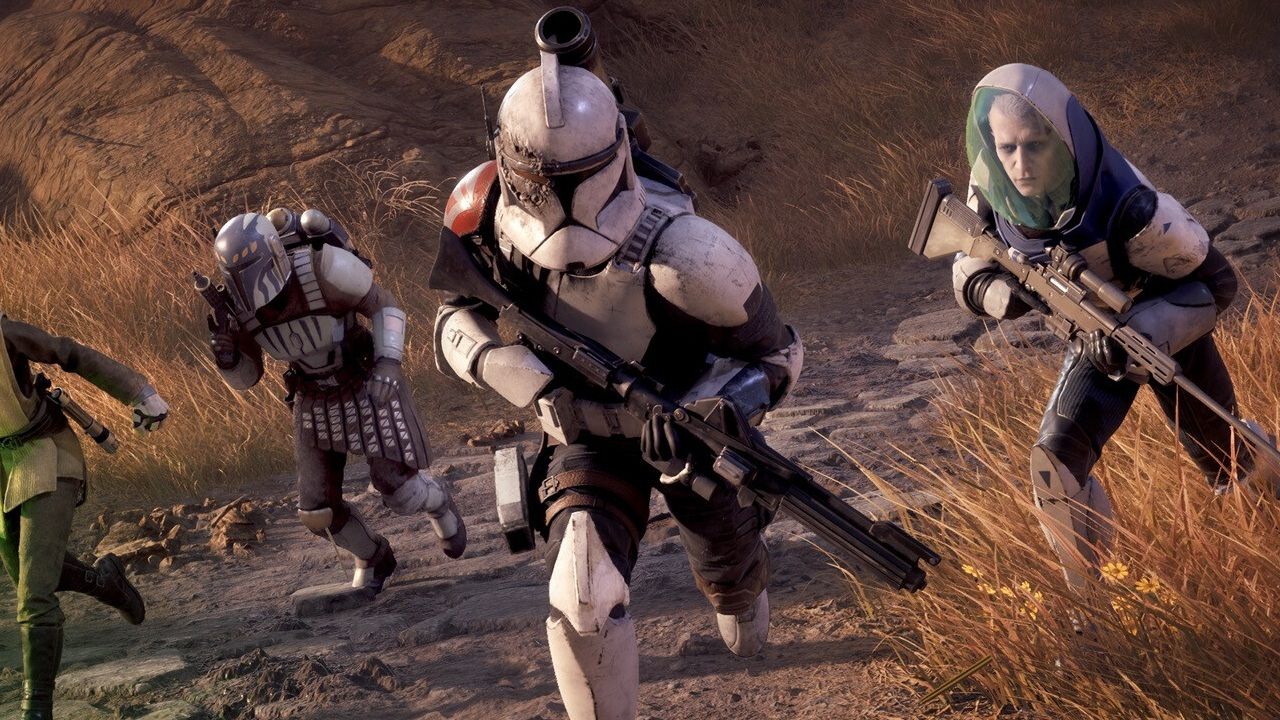
- Cinematic Fidelity: Cutscenes and character animations are described as rivaling the quality of top-tier narrative-heavy studios like CD Projekt Red.
- Hybrid Gameplay Loops: The game utilizes a third-person perspective for exploration and base-management, allowing players to feel the scale of the Star Wars galaxy. This then seamlessly transitions into the “god-view” tactical mode for combat encounters.
- Permadeath and Stakes: By incorporating the high-stakes permadeath mechanics that defined XCOM, the developers are leaning into the “crunchy” tactical gameplay that fans of the genre crave, while simultaneously utilizing the Star Wars aesthetic to make those losses feel more personal.
Implications for the Industry
The decision to charge $50 carries significant implications for the future of mid-tier to high-tier game publishing.
1. The Threat of "Bloat"
Many modern titles struggle because they are designed to be 100-hour experiences, often justifying their $70 price tag through sheer volume of content rather than quality. If Zero Company can deliver a highly polished, 20-to-40-hour experience that feels “complete” at $50, it may force other publishers to reconsider their own pricing strategies. Players are increasingly prioritizing “respect for their time” over “quantity of hours.”
2. Competitive Positioning
In a landscape where developers are competing against a massive backlog of previously released games, standing out is difficult. By opting for a $50 price point, Bit Reactor and EA are effectively saying that the game is a “must-play” rather than a “wait for a sale” title. This is a savvy business move; it encourages day-one purchases, boosts player counts at launch, and generates the kind of social buzz that keeps a game relevant for months.
3. The "Breath of Fresh Air" Effect
The industry has seen a rise in consumer resentment toward developers who launch unfinished, microtransaction-heavy games at the $70 mark. By coming in lower, Zero Company earns immediate goodwill. The contrast between this approach and the aggressive pricing models of other major publishers (such as the anticipated pricing for upcoming Rockstar titles) provides EA with a PR advantage. It frames the product as a consumer-friendly, high-quality offering, which is a powerful narrative tool in the age of social media discourse.
Final Verdict and Looking Forward
While we will not have the definitive verdict on Star Wars: Zero Company until it releases on August 27, early impressions suggest that it is, at the very least, a title that understands its place in the market. It does not attempt to be everything to everyone; instead, it aims to be a masterclass in its chosen genre, presented at a price point that invites players to participate rather than pause.
If Zero Company succeeds, it could set a new precedent for how licensed, high-budget games are priced. It demonstrates that you don’t need to hit the $70 ceiling to be considered a major release. For the player, this is a win-win scenario: higher production values, a beloved franchise, and a price tag that acknowledges the reality of the current economic climate.
As we approach the end of August, all eyes will be on Bit Reactor. If the gameplay matches the ambition of the studio’s pricing strategy, Zero Company may very well be remembered as one of the most significant, and smartest, releases of 2026. Prospective players can currently wishlist the game on Steam, where it stands as a beacon of potential for a gaming industry that is often accused of losing touch with its core audience.


 Asro
Asro