

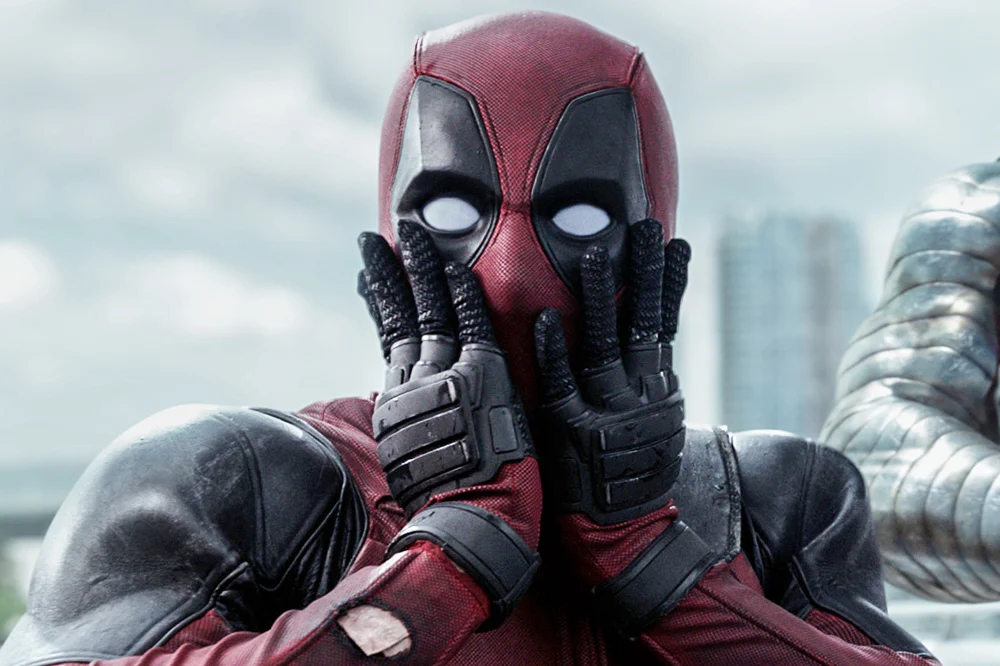
The Merc with a Mouth is far from silenced. Following the record-breaking global success of Deadpool & Wolverine, which solidified its place as one of the highest-grossing R-rated films in cinematic history, fans have been clamoring for news regarding the future of the franchise. During a candid appearance at Fanatics Fest this past weekend, Ryan Reynolds—the actor, producer, and creative force behind the character—confirmed that while the future of Deadpool is secured, the approach to his next cinematic outing will be markedly different from the blockbuster formula that fans have grown accustomed to.
The Future of the Franchise: Embracing the "Deep Cuts"
During a panel discussion moderated by Nature Luvz You, Reynolds addressed the inevitable return of the character to the Marvel Cinematic Universe (MCU). While he was careful not to provide a concrete production schedule, he confirmed that "remotely" another Deadpool film is in the works. However, the creative direction for this future installment appears to be pivoting toward the more obscure corners of the Marvel comic book lore.
"There’s a few really deep cuts that I think are missing from the movies," Reynolds remarked. "I think there’s a few deep cuts missing from some of the comics."
Reynolds emphasized his commitment to the source material, citing the influence of legendary comic writers Fabian Nicieza and Gerry Duggan. By leaning into these "deep cuts," Reynolds suggests that the next phase of Deadpool’s story will focus on narratives that haven’t been tapped into by the mainstream cinematic machine. This signals a potential shift away from high-stakes multiverse salvaging toward more grounded or bizarre character-driven arcs that reflect the character’s origins in the pages of Marvel Comics.
Chronology: From Solo Antihero to MCU Staple
To understand where Deadpool is heading, one must look at the trajectory of the character over the last decade.
- 2016: The original Deadpool film shatters box office expectations, proving that an R-rated superhero film can be a massive financial success.
- 2018: Deadpool 2 expands the character’s world, introducing Cable and Domino, and further establishing the brand’s meta-humor.
- 2024: Deadpool & Wolverine acts as the character’s official entry into the MCU, blending the gritty aesthetic of the Fox-era X-Men films with the polished spectacle of Marvel Studios.
- April 2024: Reynolds reveals to Sunday Today that he has already begun drafting concepts for a new project involving the character, though he notes a structural change in how Deadpool will be utilized.
- Late 2024: During Fanatics Fest, Reynolds clarifies that future appearances will likely relegate Deadpool to a "supporting character" role rather than the center of the narrative.
This timeline demonstrates a clear evolution: Deadpool has transitioned from an isolated anomaly to a central pillar of the modern Marvel machine. Yet, the upcoming chapter seems to be a deconstruction of that very success.
Supporting Data: The Strategic Pivot
The decision to step back from "centering" Deadpool is a calculated move by Reynolds. In his recent commentary, the actor was explicit about his vision for the character’s longevity. "I have some stuff kind of written, but I don’t think I am ever going to center him again," Reynolds explained. "He is a supporting character. He is a guy who is great in a group."
This philosophy is supported by the box-office data and critical reception of Deadpool & Wolverine. The film’s success was largely driven by the chemistry between Reynolds and Hugh Jackman. By positioning Deadpool as a "supporting character," Marvel Studios can leverage his unique voice and humor to elevate other properties without the creative burden of carrying an entire solo trilogy’s worth of exposition.
Furthermore, the "deep cuts" strategy allows Marvel to test the viability of more obscure comic book arcs. If the next project focuses on side characters or lesser-known storylines, it mitigates the pressure of producing a tentpole blockbuster every two years, allowing the brand to maintain its cultural relevance while keeping production costs and creative fatigue in check.
Official Responses and Industry Context
As of this writing, Marvel Studios has not issued a formal statement regarding the specific development of the next Deadpool project. The studio remains notoriously tight-lipped about their post-Secret Wars slate, leaving the public to parse through comments made by talent like Reynolds and director Shawn Levy.
Industry analysts note that Marvel’s silence is typical. With the current focus on Avengers: Doomsday and the conclusion of the Multiverse Saga, the studio is likely allowing Reynolds the creative autonomy to develop his concepts at his own pace. The absence of a formal press release underscores the fact that this is currently an organic, character-driven development process rather than a top-down corporate mandate.
Implications: The Outsider Dilemma
Perhaps the most compelling aspect of Reynolds’ recent comments is his philosophical stance on Deadpool’s place within the larger MCU. When asked about potential crossovers, specifically with the Avengers or the X-Men, Reynolds was firm: Deadpool must remain an outsider.
"If he becomes either [an Avenger or an X-Man], we’re at the end," Reynolds stated in his interview with The Hollywood Reporter. "Deadpool works so well appearing with the X-Men and Avengers, but he always needs to stay an outsider."
This has profound implications for the narrative arc of the character. If Deadpool were to truly join the ranks of the heroes, he would lose the very thing that makes him compelling: his status as a social pariah whose humor is a shield against his own inadequacies. By keeping him as an auxiliary member who pops in and out of the lives of the "serious" heroes, the writers can preserve the tension between his chaotic nature and the rigid morality of the Avengers.
Thematic Necessity
The core of Deadpool’s character is his desire for acceptance, balanced by his inability to fit into the conventional hero mold. As Reynolds pointed out, his coping mechanism—deflecting shame through humor—only works when he is navigating a world that doesn’t fully understand or trust him. If he were to be fully integrated into a super-team, that dynamic would dissolve, effectively signaling the conclusion of the character’s growth.
Future Narratives
By shifting focus to "deep cuts," Marvel has the opportunity to explore these character dynamics in smaller, more intimate stories. This could involve team-ups with characters like Taskmaster, Blind Al, or even more obscure comic entities, allowing the franchise to experiment with tone—perhaps leaning into the horror, comedy, or heist genres that have been hinted at in the comics but rarely explored in the MCU.
Conclusion: A New Chapter for the Merc
The path forward for Deadpool is one of evolution. Ryan Reynolds’ vision for the character is not one of stagnation, but of strategic repositioning. By embracing the obscure, secondary comic arcs and resisting the urge to make Deadpool the centerpiece of the MCU’s future, the franchise is likely to avoid the pitfalls of superhero fatigue.
As the industry looks toward the next phase of comic book adaptations, the "Deadpool" brand remains in a unique position. It is flexible, self-aware, and, most importantly, guided by a lead actor who understands that sometimes, the best way to keep a character relevant is to keep him exactly where he belongs: on the fringes, making fun of everyone else. Fans should expect the next chapter of the Merc’s journey to be less about saving the world, and more about navigating the bizarre, under-explored corners of the Marvel Universe. In the hands of Reynolds, that seems like a recipe for continued, and perhaps even more chaotic, success.










