

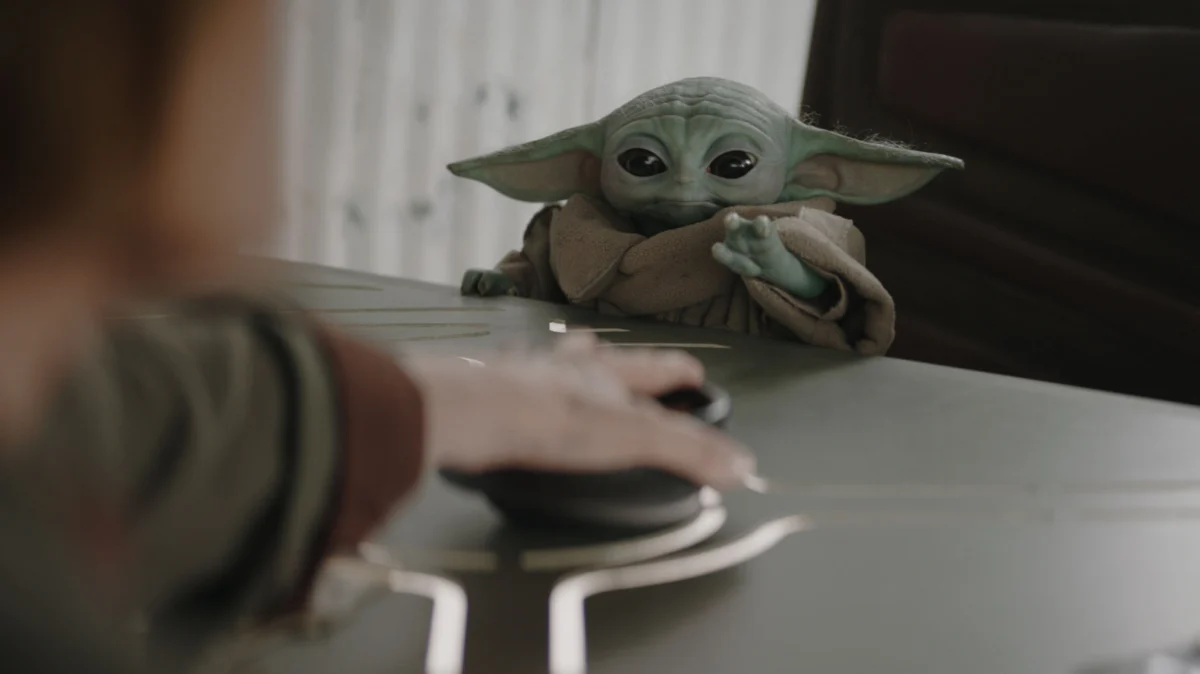
Warning: This article contains major spoilers for "Star Wars: The Mandalorian and Grogu."
In the expansive tapestry of the Star Wars galaxy, the Force has long been defined by its duality. It is an energy field that binds the galaxy together, capable of both immense destruction and profound creation. While audiences have grown accustomed to seeing Force users wield telekinesis, precognition, and lightsaber combat, the most elusive and debated power remains the ability to manipulate life itself. In the newly released film The Mandalorian and Grogu, director Jon Favreau and Lucasfilm have once again brought this rare, life-saving art to the forefront, reminding audiences that the greatest strength of a Jedi—or a Foundling—is the capacity to preserve life in the face of certain death.
The Climax on Nal Hutta: A Life Saved
The narrative stakes in The Mandalorian and Grogu reach a fever pitch when the protagonist, Din Djarin, finds himself in a dire situation on the swampy, treacherous world of Nal Hutta. During a perilous rescue mission, Djarin is struck by the venomous fangs of a dragonsnake—a creature native to the region known for its fast-acting, lethal toxins.
As the Mandalorian collapses, his systems failing and his life force fading, the film pivots to a moment of intimate, high-stakes mysticism. Grogu, sensing his surrogate father’s impending demise, reaches out with the Force. Rather than resorting to combat, the youngling focuses his energy, sealing the wound and neutralizing the toxic spread at a cellular level. It is a sequence that serves as a visceral reminder of Grogu’s unique connection to the Force and his unwavering devotion to the man who swore to protect him.
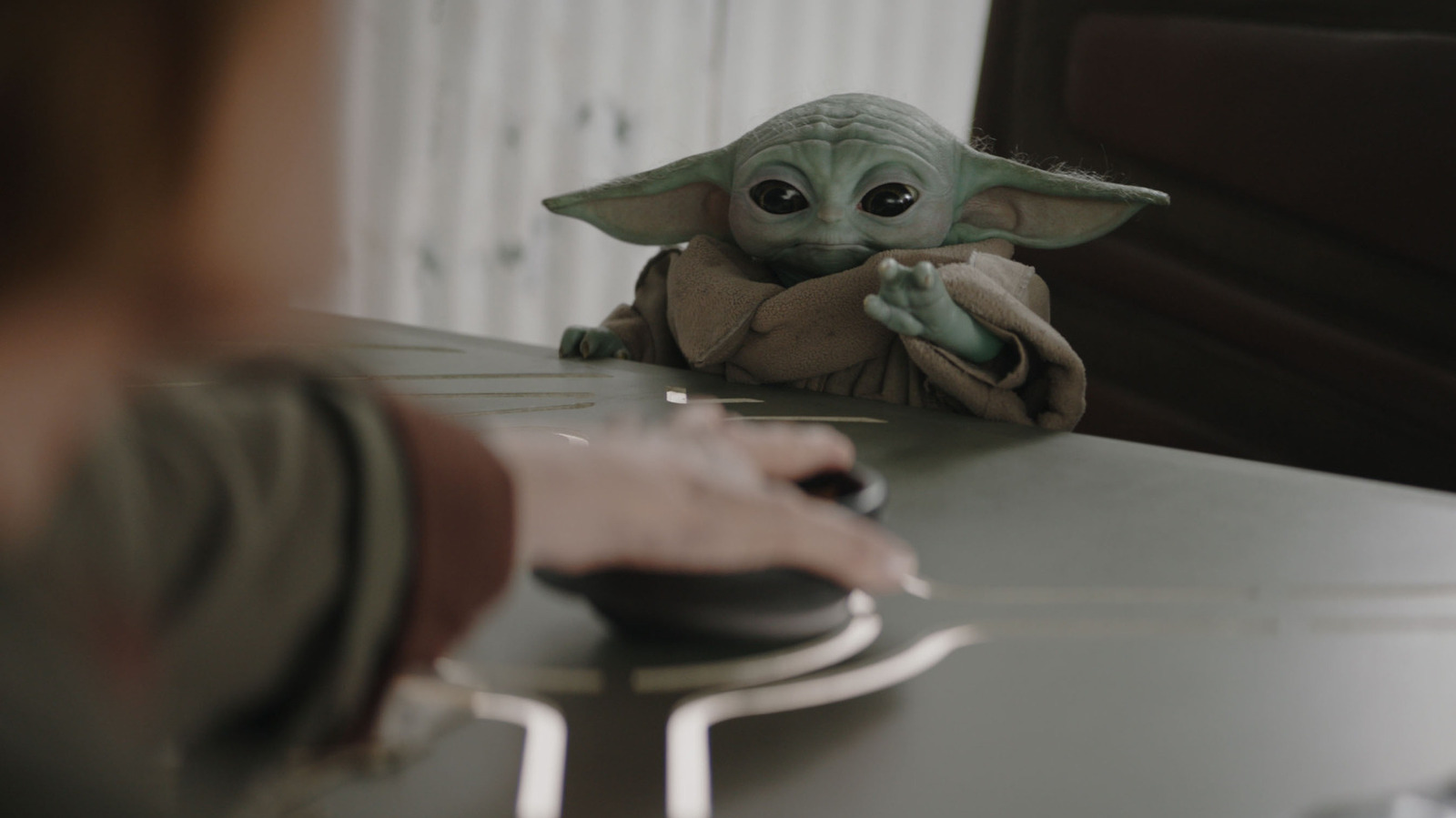
A Chronology of Healing: From Nevarro to the Present
While the scene on Nal Hutta was a cinematic centerpiece, the precedent for Grogu’s healing abilities was established years prior in the streaming landscape of Disney+. To understand the significance of this act, one must look back at the developmental trajectory of the character.
The Nevarro Incident (The Mandalorian, Chapter 7)
The first time audiences witnessed the "Child" manipulate biology was in the inaugural season of The Mandalorian. Following a brutal encounter with a winged reptavian on the planet Nevarro, Greef Karga lay dying, his body succumbing to a rapid-acting poison. With medical supplies exhausted and hope fading, Grogu approached the bounty hunter. By placing a small, three-fingered hand upon Karga’s wound, he channeled the Force to knit flesh and purge toxins. At the time, this served as the audience’s introduction to the concept of Force healing, a moment that shocked both the characters on screen and the viewers at home.
The Rise of Skywalker and the Dyad
The canon of Force healing expanded significantly with the release of Star Wars: The Rise of Skywalker (2019). Rey, struggling to balance her training, utilized this power twice during her journey. First, she healed a massive cave serpent on the desert world of Pasaana, demonstrating that the ability was not limited to humanoid species. Second, and perhaps most famously, she used the Force to revive Kylo Ren after mortally wounding him with a lightsaber. This act of grace, facilitated by their status as a "Dyad in the Force," highlighted the immense biological toll such an act takes on the healer, a theme that The Mandalorian and Grogu subtly reinforces through Grogu’s exhaustion following the Nal Hutta rescue.
The Lore of the Healer: A Jedi Tradition?
Historically, the Jedi Order of the Prequel Era was often criticized for its detachment and focus on martial prowess. However, the Expanded Universe—and newer canon material—has long suggested that "Jedi Healers" were once a specialized branch of the Order.
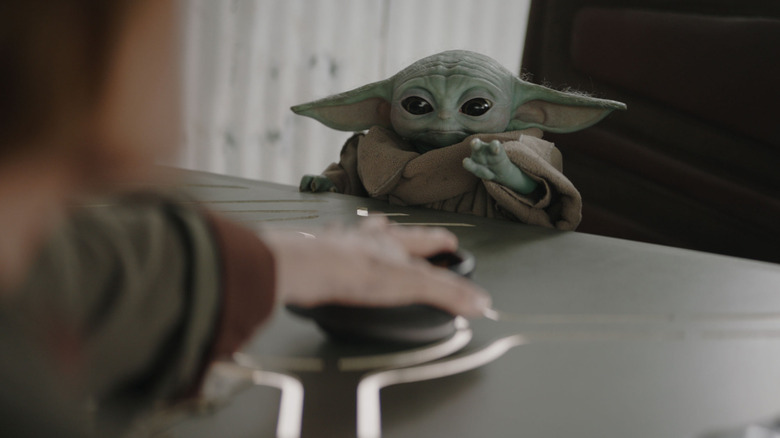
The Medstar duology, which followed the exploits of Barriss Offee, detailed the intense medical training and Force techniques required to save lives on the front lines of the Clone Wars. While these books are now categorized as "Legends," their influence persists. The recent introduction of a mysterious Force healer in the second season of Andor further confirms that the practice of using the Force to accelerate biological recovery is a documented, albeit rare, tradition within the galaxy.
Implications for the Future of the Mandalorian
The decision to include this sequence in The Mandalorian and Grogu is not merely a "fan service" callback; it is a critical narrative device. By showcasing Grogu’s healing power, the filmmakers are reinforcing the ideological divide between the ways of the Mandalore and the ways of the Force.
Din Djarin, a man raised in the strict, martial Creed of the Children of the Watch, is fundamentally a warrior. Grogu, by contrast, is a bridge between the warrior culture and the ancient, pacifistic traditions of the Jedi. When Grogu heals Din, he is essentially rejecting the "death-dealing" nature of their respective professions. This creates a fascinating thematic tension: the Mandalorian survives only because he is protected by a power that is fundamentally antithetical to the violent path of a bounty hunter.
Official Perspectives and Behind-the-Scenes Context
Lucasfilm has been tight-lipped regarding the specific mechanics of Force healing, likely to maintain a sense of mystery and "magic" within the universe. However, in previous interviews, creative leads have noted that the ability is intended to represent the "will of the Force." Unlike telekinesis, which is an external application of power, healing is an internal sacrifice. It requires the practitioner to understand the flow of life and death, making it one of the most spiritually demanding feats a Force user can perform.
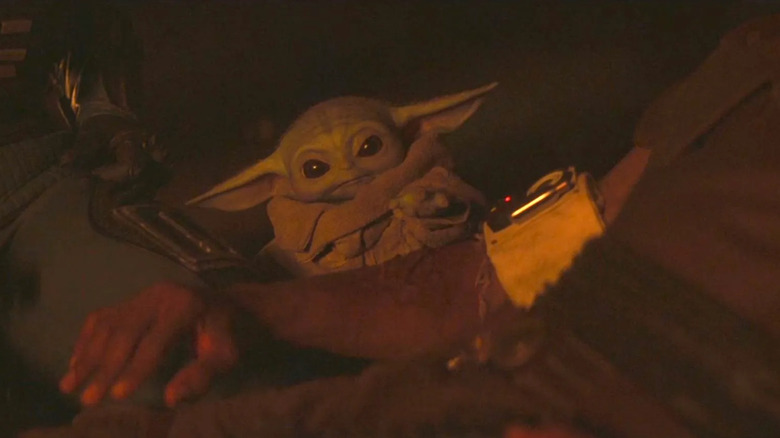
The inclusion of the dragonsnake encounter also highlights the production team’s commitment to "world-building through danger." By introducing a threat that cannot be solved by a blaster or a beskar suit, the film forces the characters to rely on their deeper, metaphysical connection to one another.
Conclusion: The Power of Life
The ability to heal through the Force remains one of the most powerful—and dangerous—tools in the Star Wars mythos. It is the very power that seduced Anakin Skywalker, leading him to believe he could conquer death itself. Yet, through Grogu, the franchise presents a healthier, more selfless version of that same ambition.
In The Mandalorian and Grogu, we see that the true power of the Force lies not in the domination of others, but in the preservation of the bonds we cherish. As the story of Din Djarin and his ward continues, the question remains: as Grogu grows in age and wisdom, will his ability to mend the broken expand? For now, it is enough to know that in a galaxy defined by conflict, there is still a small, green hand ready to reach out and pull a loved one back from the edge of the abyss.











No comments yet. Be the first to join the conversation!