Iffa Jayyana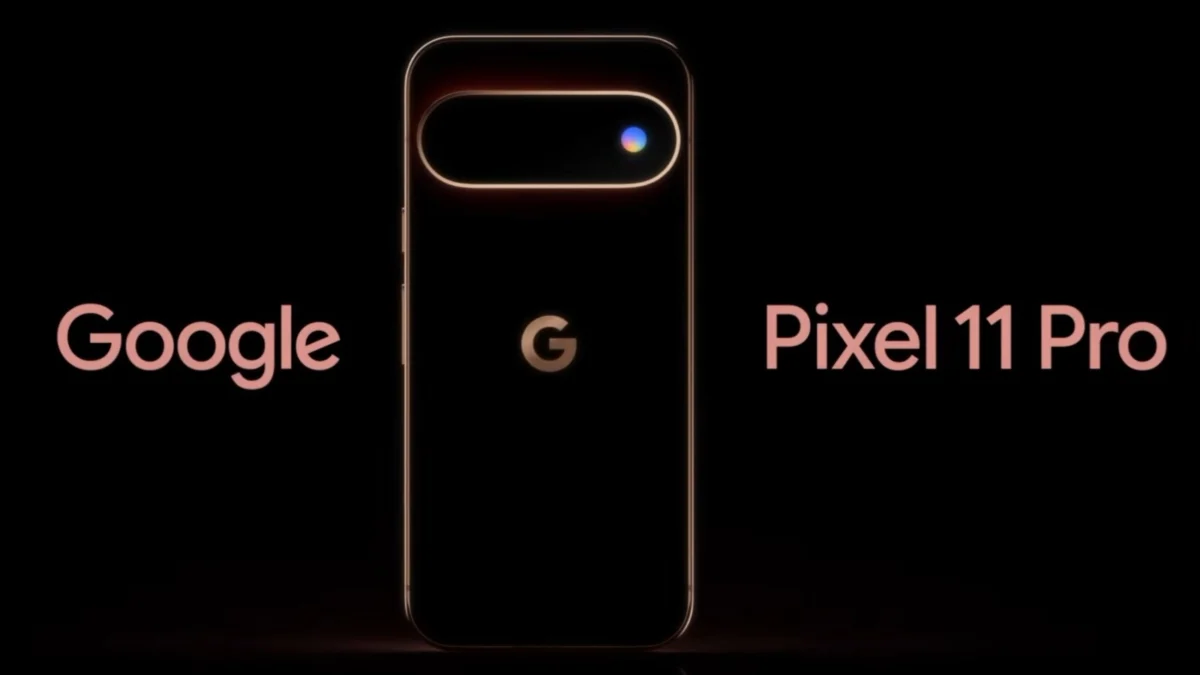
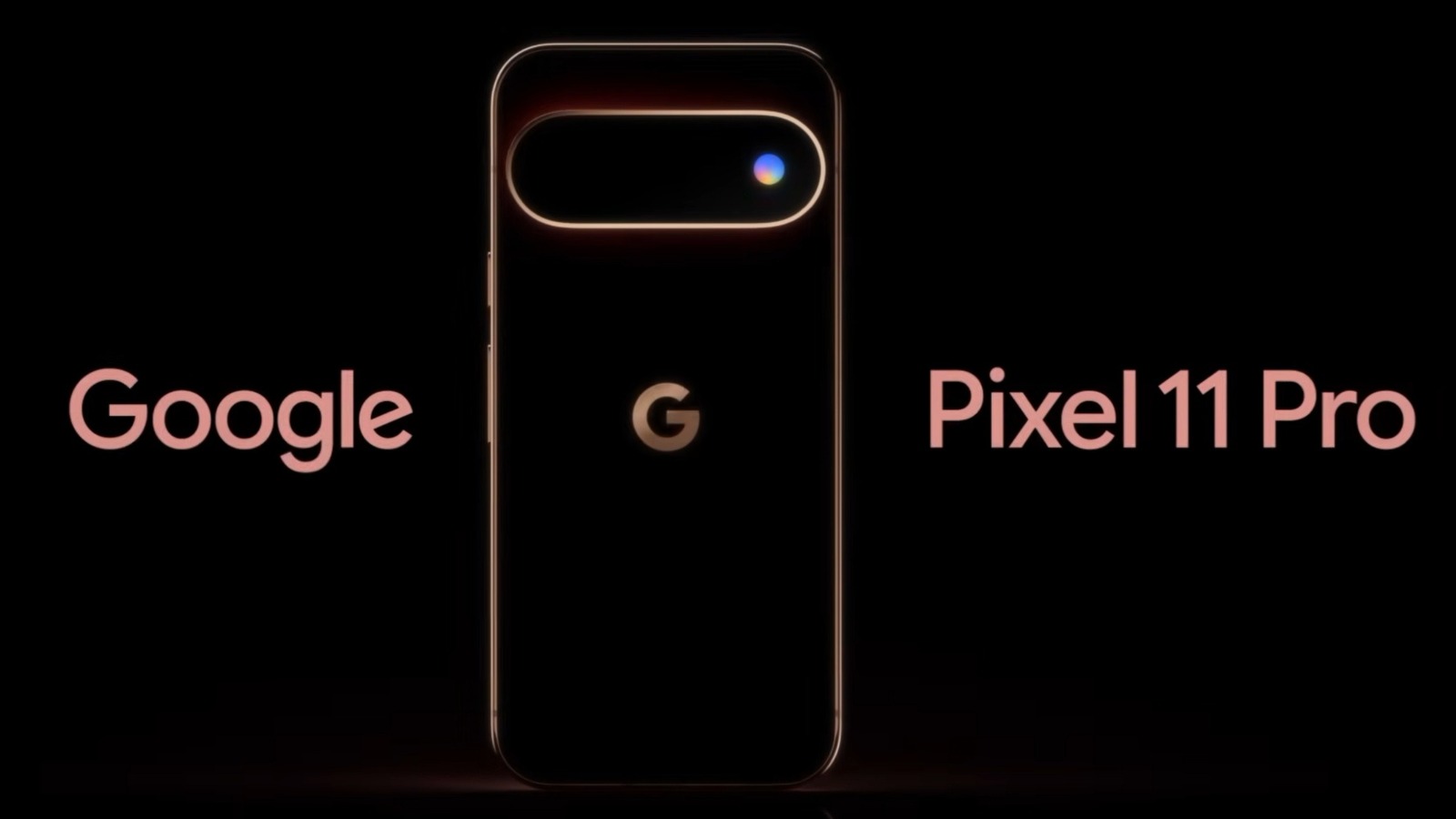
As the tech world turns its collective gaze toward August 12, the anticipation surrounding Google’s upcoming hardware showcase has reached a fever pitch. While the annual unveiling of the new Pixel lineup is always a tentpole event, this year’s build-up is underscored by a deliberate, enigmatic marketing campaign. Google has officially pulled back the curtain on a brief, tantalizing teaser for the Pixel 11 Pro—a video that focuses intently on a mysterious, pulsating circular light feature integrated into the device’s signature camera bar.
Main Facts: A Shift in Hardware Language
The centerpiece of the recent teaser is a shift in design philosophy for the Pixel’s rear camera housing. For several generations, the "camera bar" has been the defining aesthetic feature of the Pixel series. In the Pixel 11 Pro, Google appears to be evolving this hardware element into an interactive, communicative interface.
The video, which runs for less than a minute, transitions from a high-level overview of the Google ecosystem—highlighting staples like Gmail, Maps, and Gemini—to a macro shot of the device’s triple-lens camera array. Nestled beside the lenses is a circular indicator that emits a swirling, rainbow-hued light.
This design choice represents a departure from the purely utilitarian camera housing of previous iterations. While the company has remained tight-lipped regarding the feature’s exact functionality, the inclusion of such a prominent, light-based element suggests that Google is moving toward a more "emotive" hardware design, where the phone communicates its internal state to the user through visual cues rather than just haptic vibrations or screen notifications.
Chronology: The Road to August 12
The path to the Pixel 11 Pro reveal has been paved with a steady drip of leaks, supply chain whispers, and now, official teasers.
- Early Q2 2025: Initial rumors began to circulate regarding the "Tensor G6" chipset, with analysts suggesting that Google was prioritizing on-device AI efficiency over raw clock speeds.
- Late June 2025: Leaked retail listings provided the first concrete look at the device’s exterior, including color options: a sophisticated pink-beige, a deep forest green, and a unique gray-lavender finish.
- July 2025: Reports of potential price hikes began to surface, linked to the increased costs of specialized AI-capable RAM and the integration of advanced neural processing units.
- August 1, 2025: Google officially confirms the launch event for August 12 and releases the "Colorful Circle" teaser video, immediately setting the tech blogosphere into a frenzy of speculation.
Supporting Data: The Technical Underpinnings
While the "colorful circle" has captured the imagination of the public, the hardware specifications of the Pixel 11 Pro are shaping up to be equally impressive. Based on current industry intelligence, the flagship device is expected to feature a 6.3-inch display, bolstered by a peak brightness of 3,600 nits—a significant leap that would make it one of the brightest screens on the consumer market.
Under the hood, the transition to the Tensor G6 chipset is the most critical update. This chip is rumored to be custom-built to handle the next generation of Gemini’s on-device processing. As AI becomes more deeply embedded in the Android operating system, the hardware requirements for real-time translation, generative image editing, and predictive assistance have spiked, forcing Google to rethink its thermal management and power delivery systems.
Furthermore, the design rumors point toward a more refined industrial look. The shift to a 6.3-inch form factor suggests that Google is attempting to find a "sweet spot" for ergonomics, balancing the demand for large-screen media consumption with the practicalities of one-handed use.
Official Responses and Industry Context
Google has maintained a strategy of "strategic ambiguity." By teasing the feature without defining it, the company is successfully maintaining a high level of consumer engagement.
Industry analysts have been quick to compare this new circular indicator to the "Glyph Interface" popularized by the Nothing Phone. However, while the Glyph interface primarily serves as a notification system, Google’s implementation—given its focus on Gemini and voice assistants—likely serves a more complex purpose.
Some industry insiders suggest that this light ring could act as a visual status indicator for Gemini. If the phone is processing a complex query or acting as a real-time translator, the circle might pulse to indicate that the device is "thinking." This would solve a major UX (User Experience) hurdle: how to signal to a user that a voice-activated AI is currently active, listening, or processing, without requiring the user to look at the screen.
Implications: A Future in Mixed Reality?
Perhaps the most intriguing theory regarding the "colorful circle" is its potential role in Google’s broader strategy for Mixed Reality (MR). With Google making significant investments in Android XR, the circular array on the back of the phone might serve as a sensor or an indicator for spatial awareness.
If the Pixel 11 Pro is intended to act as a controller or a companion device for future AR headsets, the light ring could be a beacon for spatial tracking. By providing a visible, color-coded light, the phone could theoretically help head-mounted displays calibrate or maintain a lock on the user’s hand movements in a 3D space.
The Economic Reality
It is impossible to discuss the Pixel 11 Pro without addressing the elephant in the room: the price. The integration of advanced AI chips, high-nit displays, and innovative hardware features like the light-up camera array comes at a cost. Consumers should be prepared for a premium price point, as the supply chain for advanced semiconductor components remains volatile.
The Pixel Watch 5 is expected to accompany the phone at the August 12 event, and it is likely that Google will position the two devices as a unified ecosystem. The "circular" theme appears to be a design language running through both the watch and the phone’s new camera module, suggesting a cohesive branding effort.
Final Reflections: Beyond the Hype
As we move closer to the August 12 event, the intrigue surrounding the Pixel 11 Pro remains high. For many, the hope is that this new feature is more than just a gimmick. In an era where smartphone hardware has largely plateaued, with incremental updates replacing revolutionary leaps, the addition of a tangible, interactive design element is a welcome change.
However, the risk remains. If the "colorful circle" is nothing more than a glorified notification light or a visual flair for Gemini, it may face criticism from power users who would prefer those hardware resources to be allocated to battery life or camera sensor size.
Regardless of its utility, Google has succeeded in its primary goal: it has made the consumer curious. On August 12, we will finally see if this spinning, colorful circle is the next big step in smartphone interaction or merely a flashy distraction from the core experience. Until then, the mystery of the circle remains the definitive narrative of this year’s smartphone cycle. Whether it signals a revolution in human-computer interaction or a simple aesthetic flourish, one thing is certain: Google is not interested in staying quiet.

 Jia Lissa
 Asro
Asro