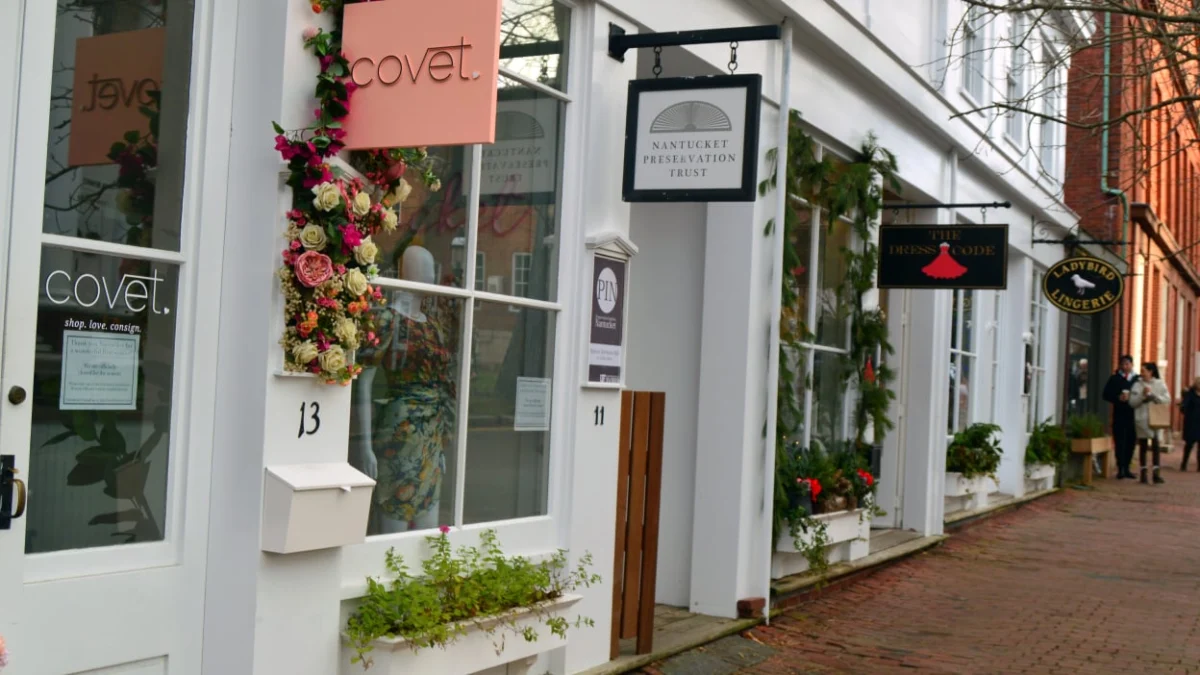
In the picturesque, cobblestoned streets of Nantucket, Massachusetts, a quiet rebellion has taken root—one that speaks volumes about the shifting relationship between small businesses and the digital age. A simple, stark sign posted inside the Four Winds Craft Guild, a venerable institution that has curated Nantucket’s artisanal heritage since 1948, has become the epicenter of a fierce, nationwide debate. The sign reads, simply: "No influencers."
While the directive is brief, its implications are profound. It represents a flashpoint in the ongoing friction between the "creator economy"—where visibility is the primary currency—and the desire for local preservation, privacy, and authentic commerce. As digital platforms increasingly commodify physical locations for the sake of aesthetic content, businesses across the globe are beginning to draw a line in the sand, questioning whether the cost of "viral" attention outweighs the actual benefit.
The Chronology of a Viral Contention
The controversy ignited over the weekend of July 26, 2026, when the Four Winds Craft Guild shared an image of the sign on its Instagram account. The post was intended as a statement of intent, but it quickly spiraled into a digital confrontation. The backlash was immediate, drawing in high-profile figures from the influencer community.
Most notable among the critics was Paige Paul, the entrepreneur and founder of the brand Dairy Boy, who recently opened her own storefront on the island. Paul took to social media to denounce the sign, framing it as an attack on women’s economic empowerment. She argued that the creator economy has provided a level playing field for women to build businesses without traditional, patriarchal corporate structures.

The store, caught in a storm of negative engagement, eventually deleted the original post. However, they did not retreat. In a subsequent Instagram Story, the shop fired back at their critics, characterizing the attempt to "report" their account as an exercise in boredom. By the end of the week, the conflict had transcended a local dispute, becoming a primary case study in the broader "social media tourism" crisis.
Supporting Data: The Double-Edged Sword of Exposure
The tension at Four Winds is not an isolated incident; it is a symptom of a systemic shift in retail and tourism. Influencers have effectively become the modern advertising agency. According to a 2025 study by Sprout Social, 32 percent of consumers reported making a purchase based on an influencer’s recommendation within the last year. This trend is even more pronounced among younger demographics, with 53 percent of Gen Z and 48 percent of millennials confirming that influencer content drives their purchasing behavior.
For many small businesses, this presents a "Nantucket Paradox": they need the exposure to compete in a globalized market, but the physical reality of hosting an influencer-driven audience can be paralyzing.
When a destination or shop goes viral, it does not just attract paying customers; it attracts "content consumers"—people who are there to film, photograph, and document, often at the expense of the actual service experience. For an artisanal shop like Four Winds, where the value proposition is rooted in quiet craftsmanship and personal connection, a flood of cameras, tripods, and staged productions can dismantle the very atmosphere that makes the business special.

A Global Pattern of Boundary Setting
The Nantucket incident is the latest chapter in a multi-year effort by business owners to reclaim their spaces. The "No Influencers" movement has manifested in various ways globally:
- The "No-Photo-Shoot" Policy: In 2023, the Brooklyn-based shop and cafe Dae implemented a strict policy against professional-grade photography and elaborate content staging. They acknowledged the value of social media but noted that the sheer volume of "TikTok-first" customers was preventing them from serving their local community.
- The "Blogger Ban": A boutique hotel in Ireland made international headlines after a public feud with a travel influencer, resulting in a blanket ban on bloggers. The hotel argued that the expectation of free services in exchange for "exposure" was unsustainable.
- The Overtourism Conflict: In Pomfret, Vermont, the issue moved from the private sector to public policy. Local officials were forced to close roads near popular fall foliage spots after the sheer volume of visitors—drawn by viral photos—resulted in trespassing, property damage, and severe traffic gridlock.
- The Professionalization of Space: The Tracy Anderson Method studios, a high-end fitness brand, recently prohibited non-members from filming, citing privacy concerns for their high-paying clients. This highlights a growing concern: when does a public-facing business become a private sanctuary, and who gets to decide?
Implications: The Death of the "Authentic" Experience?
The core of the argument against "no influencer" policies is that they are exclusionary and regressive. Critics like Paige Paul argue that banning creators is a move to protect traditional gatekeepers from new, democratic forms of media. They suggest that if a business is successful, they should be able to manage the crowds that success brings, rather than penalizing the individuals who contributed to that success.
Conversely, supporters of the ban argue that businesses have a right to control their environment. They maintain that the rise of the influencer has led to a "theme-park effect," where places are no longer valued for their inherent worth but for their "Instagrammability." When the aesthetic takes precedence over the product, the business ceases to serve its local customers and instead caters to the digital algorithm.
The danger for businesses, as Four Winds discovered, is that by speaking out against the influencer economy, they often inadvertently trigger the very viral cycle they are trying to avoid. By posting the "No Influencers" sign, the shop received a massive spike in online attention—some of it critical, but much of it potentially driving curious, new visitors to their door.

The Evolution of Content Production
We are also entering an era where traditional "ban" policies may become technologically obsolete. As we move toward the widespread adoption of camera-equipped smart glasses and wearable AI, the line between a "customer" and a "creator" is blurring. It is becoming increasingly difficult for a business owner to identify, let alone stop, someone from recording their environment.
If you cannot ban the technology, can you ban the behavior? Many experts suggest that the future of business management in this space will shift from "bans" to "behavioral management." This includes implementing service fees for photography, designated content zones, or memberships that offer exclusive access to "filming-friendly" hours.
Conclusion: Finding the Middle Ground
The clash in Nantucket is a microcosm of a larger cultural struggle. We are currently negotiating the terms of engagement between the digital and physical worlds. The Four Winds Craft Guild serves as a reminder that for many small businesses, the "digital transformation" is not necessarily a welcome evolution.
As the creator economy continues to mature, both influencers and business owners will need to find a sustainable middle ground. For creators, this means recognizing that a physical space is not just a backdrop for a feed, but a place of work and commerce. For business owners, it means acknowledging that while they can put up a sign, they cannot stop the world from evolving—or from wanting to share its beauty online.

Ultimately, the Nantucket "No Influencers" sign is not just a piece of paper on a shop wall; it is a question posed to all of us: In our obsession with capturing the world, are we losing the ability to simply inhabit it? As the dust settles on this particular social media skirmish, the debate remains as vibrant, loud, and unresolved as the digital platforms that fueled it.