

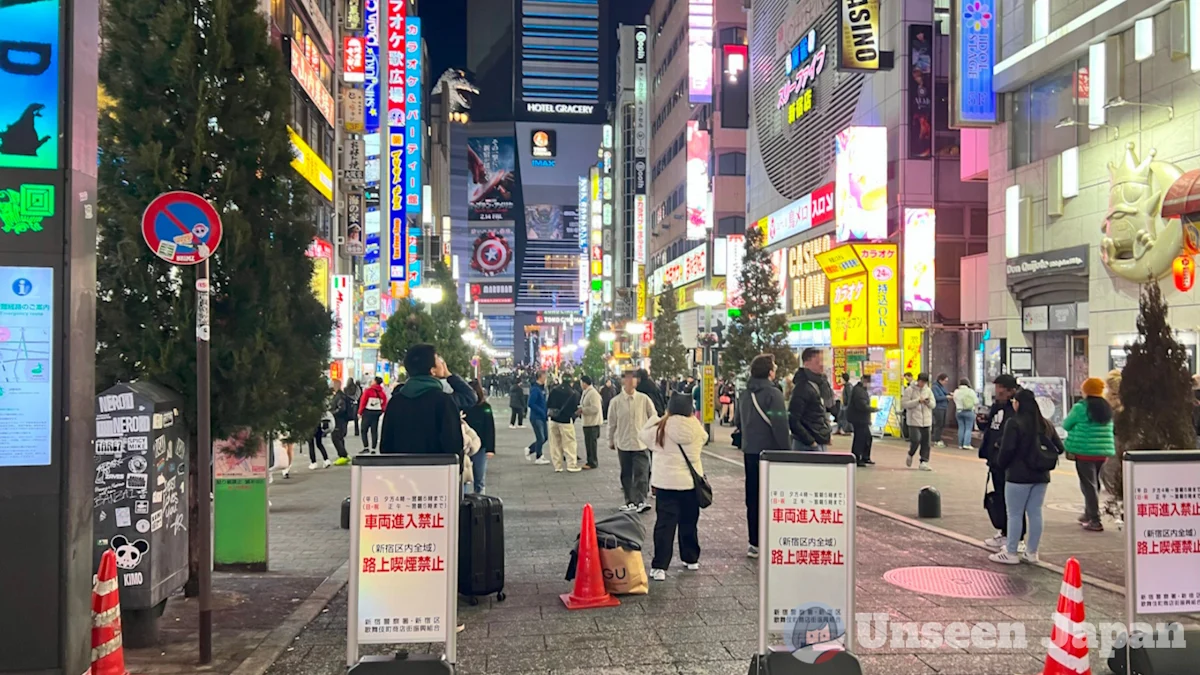
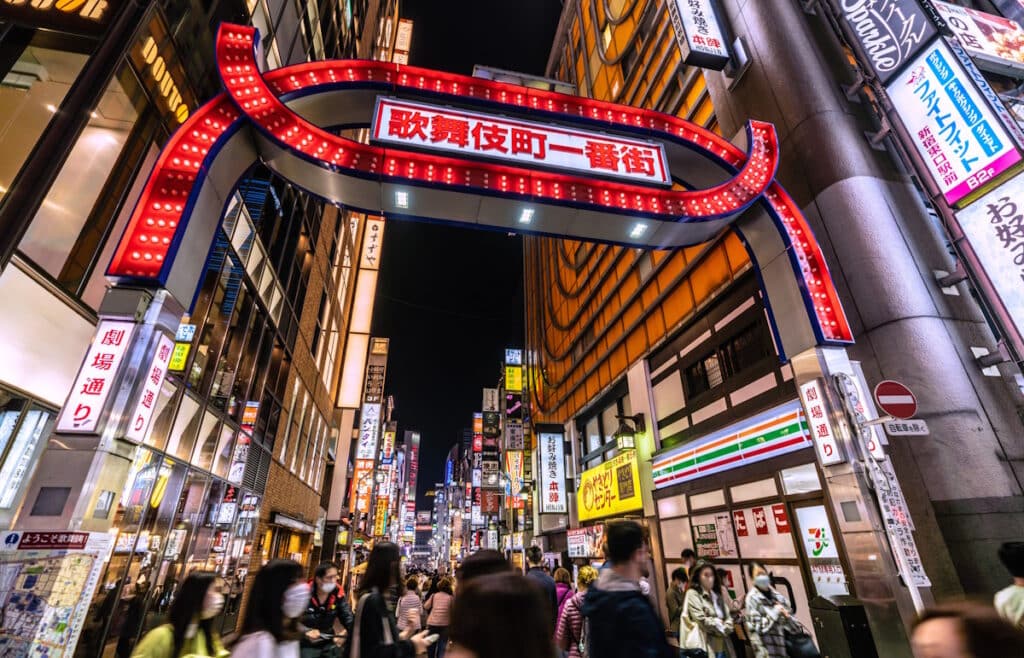
Even for those who typically eschew the frantic pace of nightlife, Tokyo’s Kabukicho is a sight that demands attention. Located in the heart of Shinjuku, this compact, high-energy district stands as one of the world’s most iconic, and controversial, adult entertainment hubs. With thousands of bars, cafes, and restaurants illuminated by a dizzying array of neon signage, it is a quintessential "only in Japan" experience.
Yet, for the thousands of international tourists who flock to its narrow streets annually, the vibrant neon hides a complex undercurrent. Is it safe? The answer is a qualified "yes," provided one possesses the necessary insight to distinguish between a harmless night of revelry and a predatory trap. Understanding Kabukicho requires peeling back the layers of its history, its crime statistics, and the evolving tactics of those who prey on the unsuspecting.
The Evolution of an Entertainment District: A Historical Chronology
To understand the modern-day Kabukicho, one must look to the scars of history. The district did not start as the hedonistic center it is today; it was originally envisioned in the post-World War II era as a site for a new Kabuki theater—hence the name "Kabukicho." While the theater plans never fully materialized in the way architects intended, the area became a magnet for redevelopment and, eventually, vice.
Following the war, as Japan rebuilt, Kabukicho evolved into a sanctuary for those who fell outside the rigid boundaries of traditional Japanese society. It became a melting pot where the disenfranchised, the bohemian, and the illicit could coexist. By the late 20th century, the area had cemented its reputation as Tokyo’s "Red Light District."
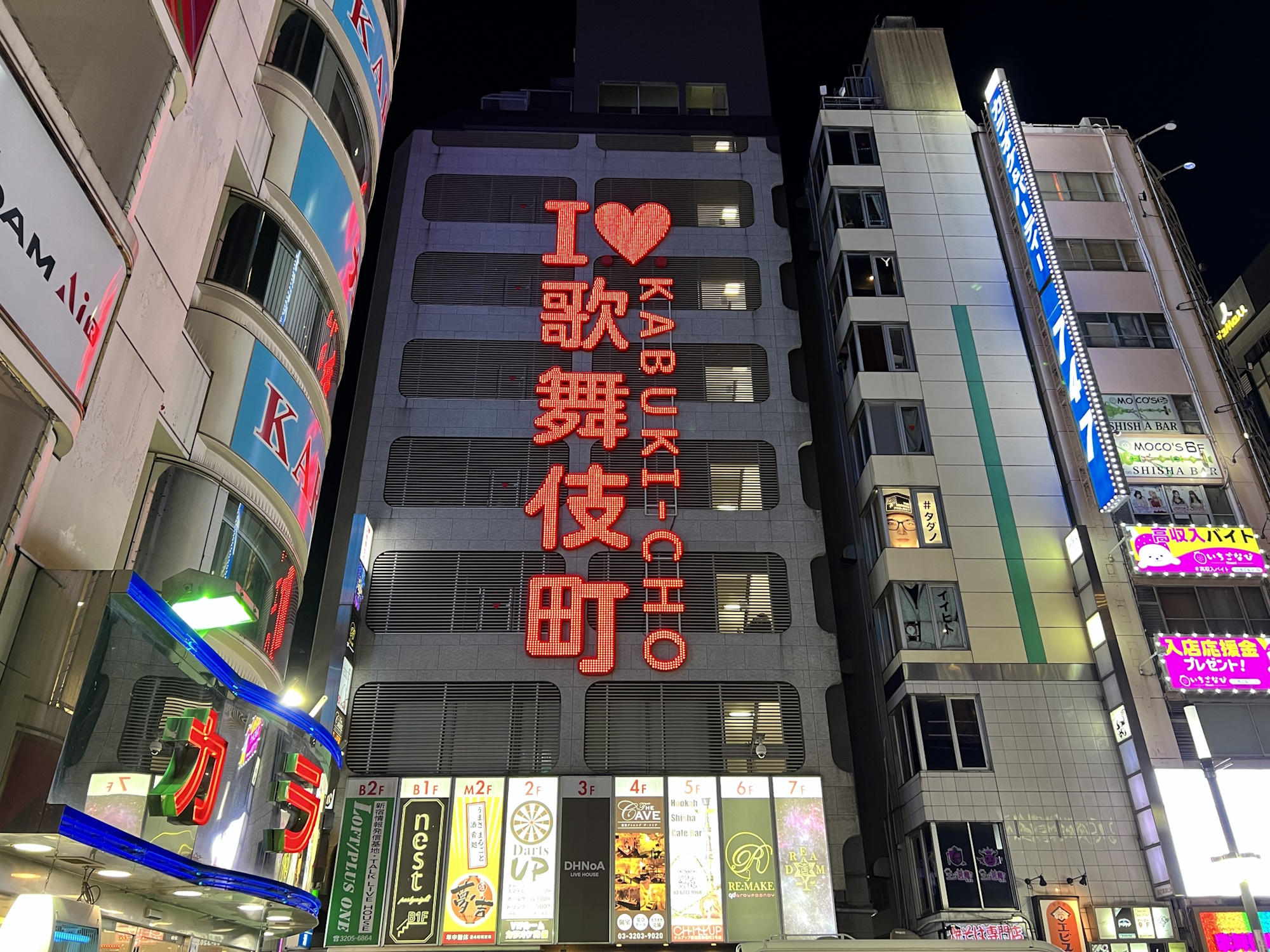
Today, the district remains a home for the non-conformist. It hosts Ni-chōme, the historic heart of Tokyo’s LGBTQ+ scene, featuring a vibrant collection of nearly 400 bars, including iconic establishments like King and Queen and the pioneering drag venue Campy!. Nearby, the legendary Golden Gai provides a stark contrast: a maze of over 240 single-room micro-bars, some seating only a handful of patrons, preserving a sense of post-war community in an increasingly digitized city.
Supporting Data: Dissecting the Crime Landscape
The question of safety in Kabukicho is frequently framed through the lens of anxiety. However, when looking at the cold, hard data, a different picture emerges. Shinjuku is the highest-crime ward in Tokyo, and Kabukicho is undeniably the primary contributor to those figures. In 2023, Shinjuku logged 5,537 recognized crimes, with the Kabukicho 1-chōme and 2-chōme districts consistently ranking as the second and third highest-crime neighborhoods in the entire city.
However, the nature of this "crime" is frequently misunderstood by foreign observers. When tourists hear "high crime," they often envision violent muggings or physical assault. The reality is far more mundane—and significantly less threatening to the average passerby.
In 2024, data indicates that only 145 (17.3%) of reported crimes in Kabukicho 1-chōme were classified as "violent." These incidents primarily consist of drunken altercations, domestic disputes, or the occasional bizarre public feud. The vast majority of criminal activity—nearly 83%—falls into the categories of theft, fraud, and property offenses. In short, while you may be at risk of losing your wallet to a clever scam, you are statistically very unlikely to be the victim of physical violence.
The Financial Trap: The Reality of Bottakuri
If violence is not the primary threat, what should visitors fear? The answer is bottakuri—the practice of systemic overcharging.
Bottakuri is a sophisticated, predatory business model that often skirts the edges of the law. It usually begins with a bait-and-switch: a tout promises a reasonable "all-you-can-drink" (nomihōdai) package at a flat rate. Once the victim is inside the establishment, the trap snaps shut. Suddenly, the bill is padded with exorbitant fees for "service," "management," "drinking games," or mandatory "cast drinks" for staff. A $30 evening can quickly spiral into a $1,000 nightmare.
Crucially, in the eyes of Japanese law, this is often treated as a civil dispute or an ordinance violation rather than a full-blown penal code offense. It only crosses the line into serious criminality if explicit physical coercion is used to force payment. Because of this, many victims—particularly international tourists who are unfamiliar with Japanese legal procedures—fail to report these incidents. They may be embarrassed, intoxicated, or simply on a flight out of Japan the next morning.
While official figures estimate that roughly ¥140 million ($867,000) was lost to these scams between January and October 2024, local legal experts argue that this is merely the tip of the iceberg. The true economic toll of these scams is likely orders of magnitude higher.
The Role of Barkers and "Free Information" Centers
The primary delivery mechanism for bottakuri is the street tout, or "barker." These individuals are a common fixture on the outskirts of the district, often blending in as friendly locals or multilingual guides. Their sole job is to lure unsuspecting pedestrians into specific, high-commission bars.
Under Japanese law, kyaku-hiki (soliciting customers) is illegal. It is a crime that can result in fines of up to ¥500,000 for individuals and up to ¥1,000,000 for the business owners who employ them, with a potential six-month jail sentence. Yet, the 10–20% commission on a victim’s inflated bill is enough to keep the practice thriving. Barkers operate as "freelancers" specifically to provide a layer of deniability for the bars they serve.
Similarly, the ubiquitous "Free Information Centers" (muryō annaijo)—often neon-lit booths claiming to offer recommendations for entertainment—should be viewed with deep skepticism. While they are not inherently criminal, they exist solely to harvest kickbacks from the businesses they refer. They are not impartial travel resources; they are, effectively, commissioned sales desks for the district’s most predatory players.
Implications for the Modern Traveler: How to Stay Safe
The goal of this analysis is not to paint Kabukicho as a "no-go zone." On the contrary, Japan remains one of the safest countries on Earth. A night out in Kabukicho can be an unforgettable experience if one exercises the appropriate level of caution.
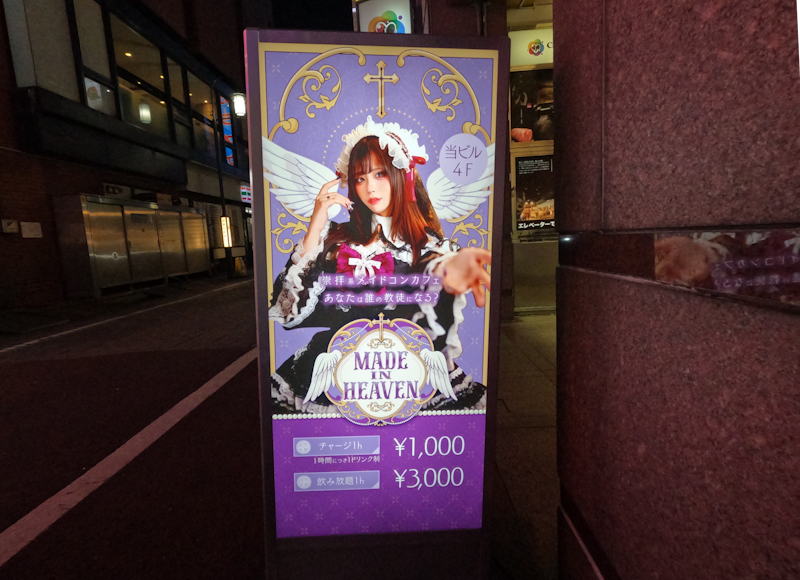
1. Avoid the Barkers at All Costs:
If someone approaches you on the street, especially in a persistent or aggressive manner, do not engage. Simply ignore them, maintain your pace, and keep walking. If they become aggressive, head immediately toward a police box (kōban). The presence of a kōban is often enough to make these individuals vanish.
2. Vet Your Destinations:
Never walk into a bar because a stranger told you to. Utilize trusted travel resources, check current Google reviews, and research your destination before arriving in Shinjuku. If a place looks too good to be true, it is.
3. Act Like You Belong:
Touts look for the "lost" tourist. By walking with purpose, looking at your phone (or a map), and avoiding eye contact with people loitering in doorways, you signal that you are not a mark. If you are solo, wearing headphones can act as a natural deterrent to unwanted solicitation.
4. Understand the Legal Boundaries:
Prostitution is illegal in Japan. While this is a well-known fact, it bears repeating in the context of Kabukicho. Engaging in solicitation—which has become increasingly common in areas like Okubo Park—is not only illegal but exposes you to severe personal risk, including extortion and scams. Avoid these areas entirely.
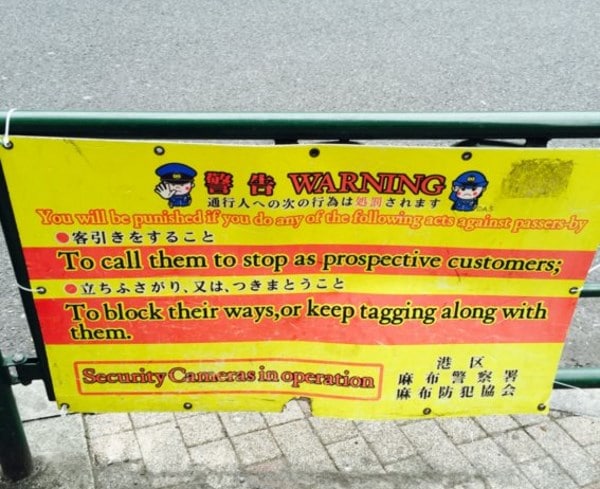
5. Know Who to Call:
If you find yourself the victim of a scam, do not pay, or if you have already been coerced, contact the authorities. Dial 110 for the emergency hotline, which offers support in English, Chinese, and Korean. Additionally, the Japan National Tourism Organization (JNTO) operates a travel hotline (050-3816-2787) specifically to assist foreigners in distress.
Kabukicho is a living, breathing testament to Tokyo’s complexity—a blend of history, counter-culture, and modern excess. By navigating it with awareness rather than fear, visitors can engage with one of the most unique urban environments in the world without falling victim to its darker, more predatory corners. Stay vigilant, stay informed, and enjoy the neon.











