

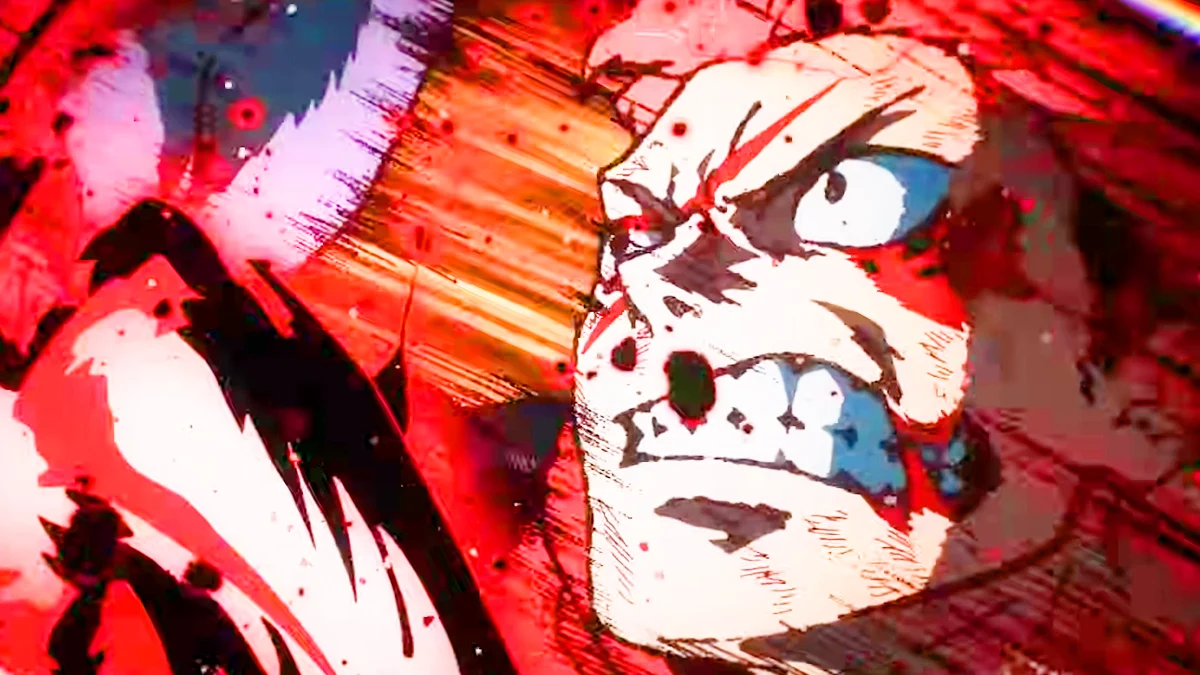
The landscape of global entertainment underwent a significant seismic shift on January 21, 2025, as streaming giant Netflix and the powerhouse animation studio MAPPA announced a comprehensive "strategic partnership." This agreement, which transcends traditional licensing deals, aims to integrate the creative prowess of one of Japan’s most prolific studios with the unrivaled global reach of the world’s largest streaming platform. While the partnership promises a new era of high-budget, "global-first" anime, it has also ignited intense speculation—and concern—regarding the future of flagship properties like Jujutsu Kaisen and Chainsaw Man, particularly concerning potential live-action adaptations.
Main Facts of the Strategic Partnership
The formal announcement outlines a multi-year collaborative framework designed to streamline the journey of anime from conceptualization to global consumption. Unlike previous arrangements where Netflix simply acquired streaming rights to finished products, this "expanded partnership" positions the two entities as co-developers.
Key pillars of the agreement include:
- Exclusive Global Streaming: Netflix will serve as the exclusive, simultaneous worldwide home for a new slate of original MAPPA-produced titles.
- End-to-End Collaboration: The partnership covers the entire lifecycle of a project, including story development, production, marketing, and global merchandising.
- Production Volume: The press release confirmed that "multiple new anime projects" are already in the planning and production stages under this new banner.
- Strategic Independence: MAPPA CEO Manabu Otsuka emphasized that the deal is designed to maintain the studio’s creative and business independence while leveraging Netflix’s infrastructure.
By securing MAPPA’s output, Netflix effectively builds a defensive moat around its anime library, ensuring a steady stream of "prestige" content that appeals to both hardcore enthusiasts and casual viewers.

Chronology: The Road to the Alliance
To understand the weight of this partnership, one must look at the parallel trajectories of both companies over the last decade.
The Rise of MAPPA (2011–2024)
Founded in 2011 by Masao Maruyama (a co-founder of Madhouse), MAPPA (Maruyama Animation Produce Project Association) initially focused on niche, auteur-driven projects like Kids on the Slope and Terror in Resonance. However, under the leadership of Manabu Otsuka, the studio shifted toward high-octane, commercially dominant "shonen" properties.
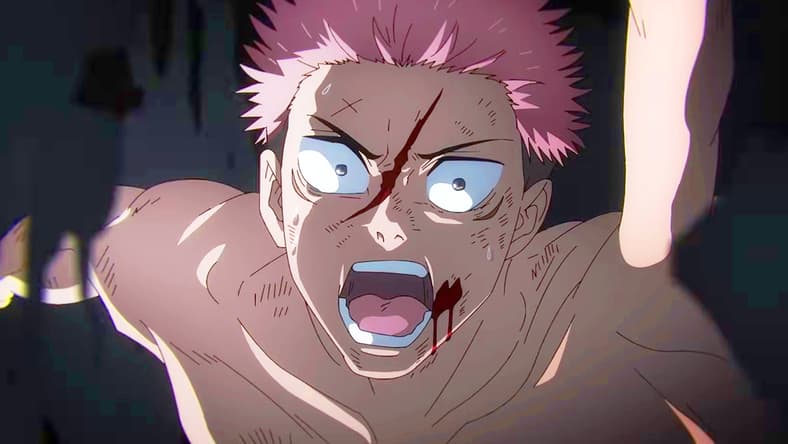
By 2020, MAPPA had become a household name, taking over the Attack on Titan franchise from WIT Studio and launching the global phenomenon Jujutsu Kaisen. The 2022 release of Chainsaw Man further solidified their reputation for cinematic quality, though it also brought to light the intense labor demands and "crunch" culture inherent in their rapid expansion.
Netflix’s Anime Evolution (2015–2024)
Netflix entered the anime space primarily as a secondary distributor. However, the success of Devilman Crybaby (2018) proved that "Netflix Originals" could thrive by pushing boundaries that traditional Japanese broadcast television might avoid. Over the years, Netflix has moved closer to the source, signing non-exclusive "production line" deals with studios like Production I.G and bones.
The partnership with MAPPA represents the culmination of this strategy—moving from a client-contractor relationship to a deeply integrated co-production model.
Supporting Data: The Economic Logic of the Deal
The partnership is driven by undeniable metrics regarding the growth of the medium. According to Netflix’s internal data released alongside the announcement, anime viewership on the platform has tripled over the past five years.
Furthermore:
- Global Reach: More than 50% of Netflix’s global subscriber base (approximately 130 million households) regularly watches anime.
- Retention Power: Anime fans are among the most loyal subscribers, showing higher-than-average retention rates, which is a critical metric in the "streaming wars."
- The "Simulcast" Factor: Historically, "Netflix Jail"—the delay between a Japanese broadcast and its international release—was a major point of contention for fans. This partnership promises "simultaneous worldwide" releases, directly competing with Crunchyroll’s core business model.
For MAPPA, the deal provides a financial safety net. The traditional "Production Committee" system in Japan often leaves animation studios with thin margins while publishers and TV stations take the lion’s share of profits. By partnering directly with Netflix, MAPPA gains access to upfront capital and a larger share of the merchandising and international backend.

Official Responses: Vision for a Global Perspective
Leadership from both organizations framed the deal not just as a business transaction, but as a necessary evolution for the industry.
Manabu Otsuka, President and CEO of MAPPA, highlighted the need for Japanese studios to take the lead in the global market:
"Japanese animation studios must proactively lead every stage, from understanding global audience needs and developing projects, to reaching viewers and expanding related businesses. MAPPA is committed to deepening our collaboration with Netflix, aiming for a long-term, win-win partnership."
Otsuka’s comments suggest a desire to break away from the insular nature of the Japanese domestic market, which has historically prioritized local TV ratings over global accessibility.

Kaata Sakamoto, Vice President of Content at Netflix Japan, echoed this sentiment, emphasizing the "courage to take risks":
"By combining MAPPA’s unique approach to anime production with Netflix’s global reach—and the courage to take risks, which is essential to creating compelling content—we hope to further expand the possibilities of anime."
Sakamoto’s mention of "risk" is particularly telling. It hints at a willingness to fund projects that might be considered too dark, experimental, or expensive for traditional Japanese investors.
Implications: The Live-Action Question and Industry Shifts
While the official announcement focused on animation, the "strategic" nature of the partnership has raised questions about the broader future of MAPPA’s most famous intellectual properties.
The Specter of Live-Action Adaptations
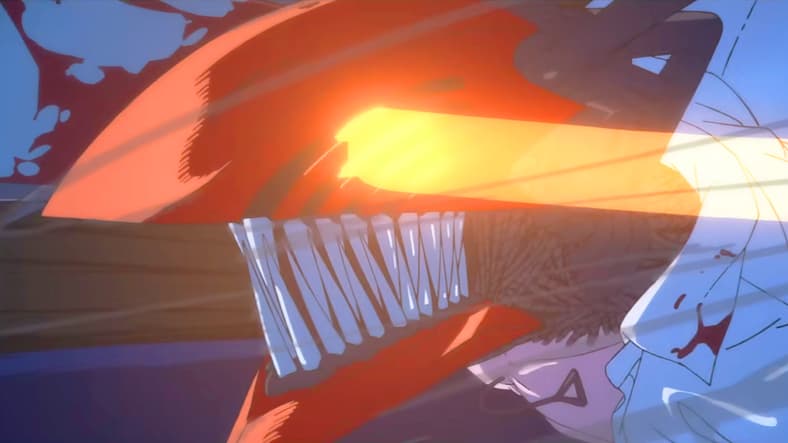
The most significant point of speculation involves the potential for live-action versions of Chainsaw Man or Jujutsu Kaisen. Netflix has a checkered but persistent history with live-action anime, ranging from the critically panned Death Note and Cowboy Bebop to the recent, massive success of One Piece.
While MAPPA does not own the rights to these properties—they are owned by the publisher Shueisha—the studio acts as a vital gatekeeper and creative consultant. A "strategic partnership" makes the negotiation table much smaller. If Netflix desires a live-action Jujutsu Kaisen, having MAPPA already "in-house" as a partner provides a level of creative continuity (and a direct line to Shueisha) that was previously absent. For fans, this is a double-edged sword: it could lead to higher-quality adaptations with the original creators’ involvement, or it could lead to the "Westernization" of stories that were never meant for live-action.
Quality vs. Quantity: The Production Pressure
MAPPA is already infamous for its staggering output. Fans have expressed concern that a "slate of original titles" for Netflix will further strain a studio already juggling multiple high-profile franchises. The partnership must balance Netflix’s demand for constant content with the physical limits of MAPPA’s animators. If the "Netflix money" is used to expand staff and improve working conditions, it could revolutionize the studio; if it is used merely to increase the number of shows, the quality—and the health of the artists—may suffer.
The Impact on the Streaming Ecosystem
This deal is a direct challenge to Sony-owned Crunchyroll. By locking down MAPPA’s future originals, Netflix is moving away from being an "aggregator" of anime to being a "destination" for it. If other top-tier studios like ufotable or WIT follow suit with exclusive platform deals, the anime streaming market could become increasingly fractured, forcing fans to maintain multiple subscriptions to keep up with the "Big Three" of any given season.
Conclusion: A New Chapter for the Medium
The Netflix-MAPPA partnership is more than a simple distribution agreement; it is a declaration of intent. It signals that anime is no longer a "niche" export for Japan but a core pillar of global digital entertainment. By integrating production, distribution, and merchandising, Netflix and MAPPA are attempting to create a "Disney-style" vertical integration for the modern era.
Whether this results in a golden age of high-budget, boundary-pushing animation or a diluted stream of "globalized" content remains to be seen. However, one thing is certain: the "Execution" of this deal will be watched as closely by industry analysts as the next episode of Jujutsu Kaisen is by fans. The barriers between Tokyo’s animation booths and the living rooms of 190 countries have never been thinner.










No comments yet. Be the first to join the conversation!