

Cycling in the United States has undergone a significant renaissance over the past quarter-century. According to the 2024 Participation Report by PeopleForBikes, more than 110 million Americans now ride a bicycle at least once annually—a surge in popularity spurred by the pandemic-era shift toward outdoor activities and sustainable transportation. However, as the number of cyclists increases, so too does the urgency surrounding road safety. With over 1,100 cyclists losing their lives in traffic accidents in 2024 alone, policymakers are increasingly looking for ways to modernize traffic laws to better reflect the realities of the road.
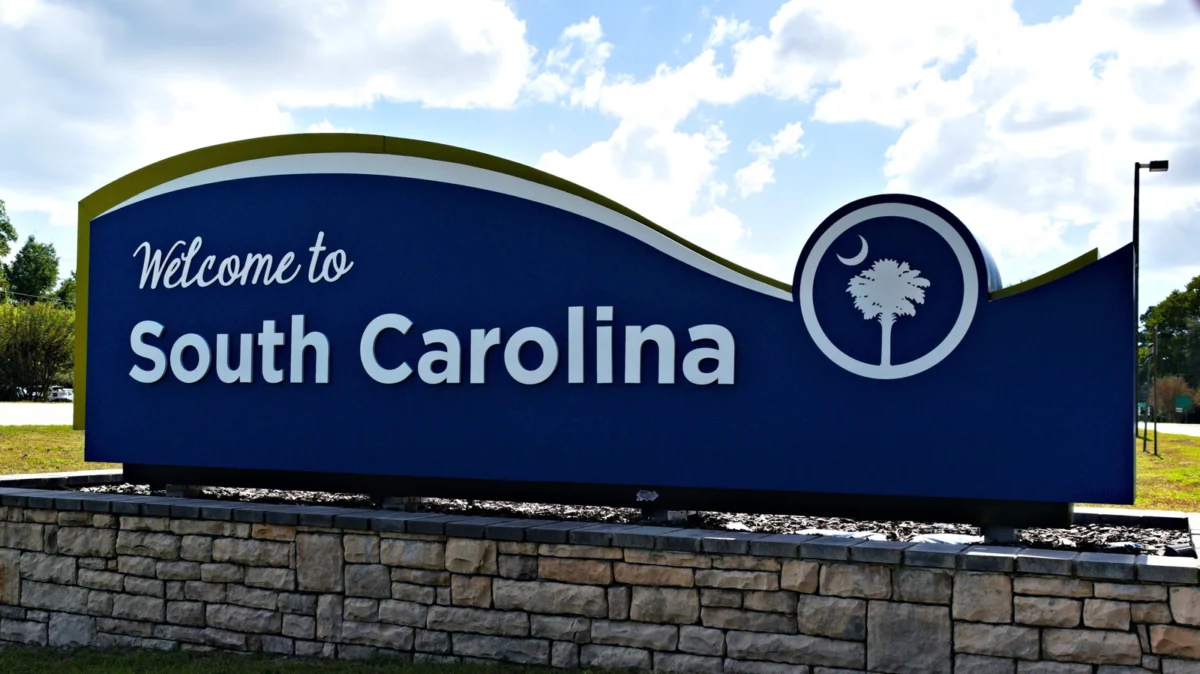
South Carolina has emerged as a leader in this legislative evolution, recently enacting the "Palmetto Stop" (S.812). By allowing cyclists to treat stop signs as yield signs and proceed through red lights under specific, safety-conscious conditions, the state is aligning itself with a growing national movement that prioritizes flow and visibility over rigid, car-centric traffic enforcement.
The Core Facts: What the "Palmetto Stop" Law Changes
The Palmetto Stop, officially codified under S.812, fundamentally alters the interaction between cyclists and intersection traffic signals in South Carolina. Under the new legislation:
- Stop Signs as Yield Signs: Cyclists are no longer required to come to a complete, track-stand-style halt at a stop sign, provided they yield the right-of-way to any vehicle or pedestrian already in the intersection or approaching closely. They may proceed through the intersection at a safe speed.
- Red Light Provisions: Cyclists are permitted to proceed through red lights, but only after coming to a complete, full stop first. This is only permissible when it is safe to do so and after verifying that no other traffic has the right-of-way.
- Safety Constraints: The law is not an invitation to recklessness. It mandates that cyclists must still yield to vehicles with the right-of-way. It is not a "free-for-all," but rather a legal framework intended to allow cyclists to clear intersections efficiently.
The law is designed to reduce the "sitting duck" phenomenon, where cyclists are most vulnerable to rear-end collisions while waiting at intersections. By allowing them to move through the intersection when clear, the legislation aims to minimize the duration of time spent in the most dangerous parts of the roadway.
A Chronological Perspective: From Idaho to the Palmetto State
The concept of the "Safety Stop"—the technical term for treating stop signs as yield signs—is not a modern invention. Its history is rooted in over four decades of data and legislative experimentation.
The Idaho Precedent (1982)
In 1982, Idaho became the first U.S. state to legalize the practice of treating stop signs as yields for cyclists. At the time, the law was met with skepticism by traffic engineers who feared it would invite chaos. However, historical data proved the contrary. Research following the implementation of the "Idaho Stop" indicated a 14% reduction in bicyclist injuries. This success served as a proof-of-concept that eventually influenced a domino effect of adoption across the country.
The Modern Wave (2010s–2024)
For nearly three decades, Idaho stood largely alone. However, starting around 2017, momentum began to shift. States like Delaware, Arkansas, and Oregon began re-evaluating their traffic codes. As of late 2024, at least 13 states have adopted some form of the Safety Stop. South Carolina’s enactment of the Palmetto Stop marks a historic milestone, as it is the first state on the East Coast to formally adopt these regulations, signaling that the policy has moved from a "Western regional quirk" to a widely accepted best practice in modern urban planning.
Supporting Data: Why "Yielding" Is Safer Than "Stopping"
Traffic safety experts often point to the physics of cycling when advocating for these laws. A car has a heavy chassis, a complex braking system, and a metal cage to protect the occupant. A bicycle, conversely, relies entirely on the rider’s balance and momentum.
The Vulnerability of the "Start-Up" Phase
When a cyclist comes to a full stop, they lose their momentum. To restart, they must perform a complex series of maneuvers: clipping in, finding their balance, and accelerating through the intersection. This process takes time, during which the cyclist is at their slowest and most vulnerable.
By allowing a "rolling yield," the cyclist maintains the momentum necessary to clear the intersection quickly, getting out of the path of oncoming motor vehicles sooner. Data from states with these laws shows that the vast majority of bicycle-car collisions occur at intersections. By standardizing a pattern that is both predictable and efficient, states have seen a tangible decrease in these specific accident types.
Official Responses and Public Perception
The passage of S.812 was not without debate. Law enforcement agencies and cycling advocacy groups have been the two primary voices in the discussion.
The Advocacy Viewpoint
Groups like PeopleForBikes and various state-level cycling coalitions have lauded the Palmetto Stop as a "common-sense law." They argue that most cyclists already perform a "natural" version of this behavior, and that the law simply legalizes safe, standard practice. By removing the legal friction between law-abiding cyclists and police, these groups believe the law encourages more people to choose cycling, which in turn leads to "safety in numbers"—the theory that as more cyclists appear on the roads, drivers become more aware and accustomed to sharing the space.
The Law Enforcement Perspective
Initial concerns from local law enforcement centered on confusion. "Will drivers know what to do if they see a cyclist roll through a stop sign?" was a common question. To address this, South Carolina has focused on public awareness campaigns. Law enforcement officials have emphasized that while the law changes the rules for cyclists, it does not remove their responsibility to yield. If a collision occurs, the burden of proof regarding who had the right-of-way remains a critical component of crash investigations.
Implications for the Future of Road Design
The Palmetto Stop is more than just a traffic regulation; it is an acknowledgment that the "one-size-fits-all" approach to traffic law, which assumes every road user is operating a two-ton vehicle, is outdated.
Rethinking Urban Infrastructure
The passage of such laws forces urban planners to consider "bicycle-first" infrastructure. If a state acknowledges that cyclists move differently than cars, it stands to reason that roads should be designed to accommodate that movement. We may see an increase in:
- Bicycle-specific signals: Lights that turn green for cyclists a few seconds before cars, allowing them to clear the intersection before motor traffic begins to move.
- Protected intersections: Designs that physically separate cyclists from the "conflict zones" of turning vehicles.
Impact on National Policy
With South Carolina leading the way on the East Coast, political scientists suggest that more states—particularly those with growing urban populations like North Carolina, Georgia, and Virginia—may follow suit. The movement has transcended partisan lines, as both conservative and liberal legislators have found common ground in the arguments for efficiency, reduced traffic congestion, and individual freedom.
Conclusion: A New Era for South Carolina Cyclists
The Palmetto Stop represents a significant pivot in how South Carolina treats its citizens on two wheels. By legitimizing a safer, more fluid way to navigate intersections, the state is not only protecting its existing cycling population but also potentially encouraging a new generation of riders to hit the road.
However, as with any change to the rules of the road, the burden of safety remains a shared responsibility. While the law grants new permissions to cyclists, it demands that they operate with increased situational awareness. Whether you are a daily commuter or a weekend hobbyist, the fundamental tenets of road safety remain unchanged: wear a helmet, ensure your bike is in proper working order, utilize lights and reflective gear, and always stay alert to the flow of traffic.
As South Carolina navigates this transition, the rest of the nation will be watching. If the Palmetto Stop follows the success of the Idaho model, it will likely serve as the catalyst for a broader, nationwide shift in how we define, regulate, and safely share the American road.











