

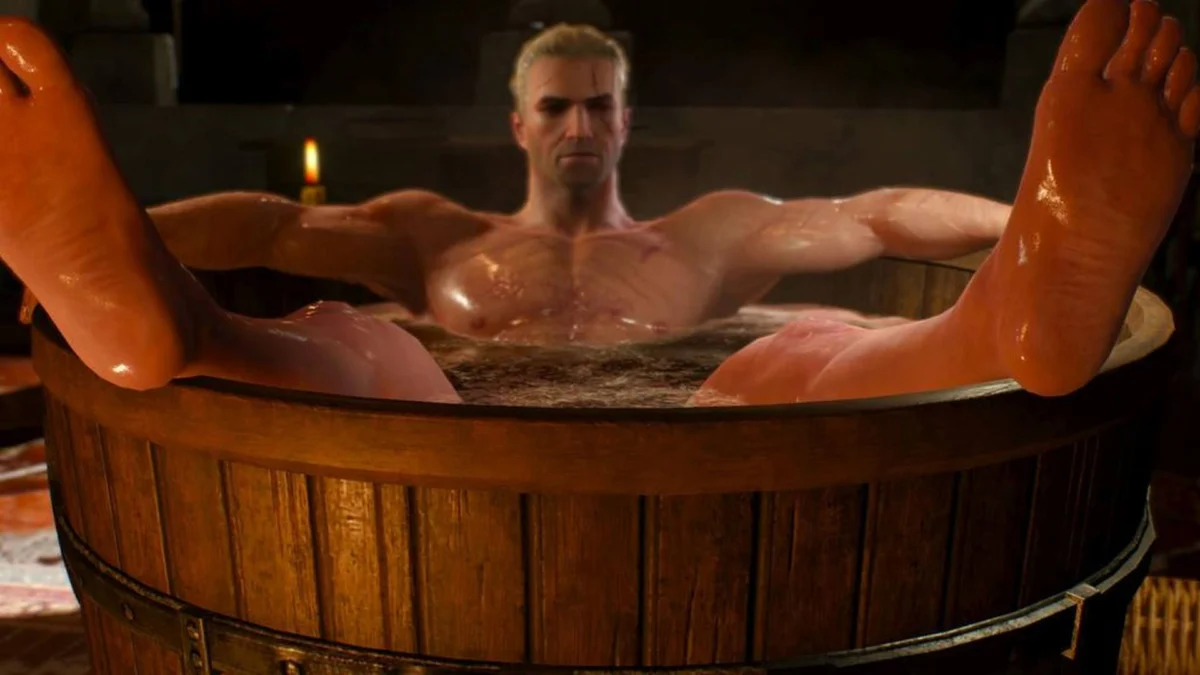
In the landscape of modern gaming, the lifespan of a single-player title is often measured in months rather than years. Yet, CD Projekt Red (CDPR) continues to defy industry gravity. This week, the Polish developer sent shockwaves through the community by announcing The Witcher 3: Wild Hunt – Songs of the Past, a substantial new expansion for a game that first defined the RPG genre nearly a decade ago.
While fans are naturally ecstatic to step back into the boots of Geralt of Rivia, industry veterans see something more tactical at play. Mark Noseworthy, former Vice President at Bungie, has emerged as one of the most vocal proponents of the project, arguing that this move is a masterclass in brand management and long-term ecosystem building.
The Core Revelation: What is "Songs of the Past"?
The announcement of Songs of the Past serves as a bridge between the storied history of the Wild Hunt and the future of the franchise. CDPR has been careful to distinguish this project from mere "DLC," emphasizing that it represents a significant, narrative-driven expansion.
According to studio communications, the distinction is deliberate. While free, incremental content—such as cosmetic armor sets or small quest additions—falls under the umbrella of "DLC," Songs of the Past is positioned as a feature-rich experience. Players can expect hours of new gameplay, fresh character arcs, and the complex, choice-driven storytelling that has become the hallmark of the studio. The expansion is slated for a 2027 release on PC, PlayStation 5, and Xbox Series X|S, ensuring it leverages the hardware capabilities of the current generation.
Chronology: A Decade of Geralt’s Dominance
To understand the weight of this announcement, one must look back at the historical trajectory of The Witcher 3.
- May 2015: The Witcher 3: Wild Hunt launches, immediately earning critical acclaim and setting a new benchmark for open-world narrative design.
- October 2015 – May 2016: CDPR releases two massive expansions, Hearts of Stone and Blood and Wine, which are lauded as some of the best post-launch content in gaming history.
- 2016–2022: The brand expands through the Netflix series, the Gwent standalone game, and the "Next-Gen" update for consoles, keeping the title perpetually relevant.
- 2024: CDPR confirms it is working on The Witcher 4 (codenamed Project Polaris).
- 2025 (Announcement): Songs of the Past is unveiled, signaling a return to the Wild Hunt engine to bridge the gap toward the upcoming sequel.
The Strategic Perspective: Industry Analysis from Mark Noseworthy
Mark Noseworthy, whose tenure at Bungie oversaw the massive live-service operations of Destiny, views the Songs of the Past announcement as a calculated, high-IQ maneuver.
"Great idea on a couple of levels," Noseworthy stated in a recent social media post. His analysis centers on two primary pillars: brand relevance and market expansion.
Bridging the Generational Gap
Noseworthy highlights a critical demographic reality: the gaming market has shifted significantly since 2015. "Half a generation of players weren’t of age when W3 shipped," he noted. By launching a modern, high-fidelity expansion, CDPR is essentially providing a "hook" for younger players who may have heard of the Witcher legend but never engaged with the original game. It acts as a gateway drug, acclimating a new generation to the mechanics and world-building of the franchise just in time for the shift to The Witcher 4.
Partner Development and "The Fool’s Theory" Factor
Beyond the consumer-facing benefits, there is a logistical benefit to this project. Songs of the Past is being spearheaded by Fool’s Theory, a studio staffed by many CDPR alumni who are simultaneously handling the remake of the original Witcher title.
Noseworthy argues that this is a brilliant way to "bring up" a partner developer. By tasking Fool’s Theory with a smaller, contained expansion within the Wild Hunt engine, CDPR is allowing them to "get their reps in." This strengthens the collaborative bond between the two studios, ensuring that when the time comes for the heavy lifting on The Witcher 4, the development team is already battle-tested, synchronized, and familiar with the engine’s nuances.
Official Responses and Studio Philosophy
The discourse surrounding Songs of the Past has forced CDPR to clarify its nomenclature. In an industry where the term "DLC" has become increasingly synonymous with microtransactions or "live-service" drip-feeds, CDPR is keen to preserve the prestige of the Witcher name.
The studio’s decision to label this an "expansion" is a statement of intent. They are promising a return to the quality standards of Blood and Wine. However, they have also been transparent about the limitations of their output. In a separate statement, the studio noted that fans should not expect an expansion for The Witcher 4 itself. The reasoning is pragmatic: the studio is currently attempting the Herculean task of releasing three Witcher games within a six-year window. Their resources are hyper-focused on the new saga, making post-launch content for the sequel a difficult logistical hurdle to clear.
Implications for the Future of the RPG Genre
The decision to release a major expansion for a ten-year-old game is a rare move in an era dominated by rapid-fire sequels and annual release cycles. However, it may signal a shift in how "legacy" IPs are treated.
1. Brand Sustainability
By keeping the Wild Hunt in the public discourse, CDPR ensures that the Witcher brand remains at the top of the "mind-share" hierarchy. In a crowded market, fighting for attention is the hardest battle; by using a known quantity to drive interest, they reduce the marketing cost of onboarding new fans for The Witcher 4.
2. Setting the Stage for the New Saga
The Witcher 4 represents a transition point—likely moving away from Geralt as the central protagonist. Songs of the Past serves as a final, glorious "curtain call" for the old guard. It allows players to say goodbye to the era of Geralt properly while simultaneously introducing themes or technical elements that will define the upcoming sequel.
3. The "Games-as-Experience" Model
Noseworthy’s commentary underscores a shift away from the "Games-as-a-Service" (GaaS) model that defined the late 2010s. Instead of attempting to keep The Witcher 3 alive forever with constant micro-updates, CDPR is treating the game as a living, breathing library of content. They are adding to the book, not just changing the font.
Conclusion: A Blueprint for Success?
Whether Songs of the Past will live up to the gargantuan expectations set by its predecessors remains to be seen. However, from a business and creative standpoint, the strategy is impeccable. It satisfies the existing fanbase, brings in a new generation, strengthens development partnerships, and maintains the Witcher brand’s aura of prestige.
As the industry watches, other studios may take note: sometimes the best way to move forward is to reach back into your past, polish the gems you’ve already created, and ensure that the legacy of your most beloved characters remains as vibrant as the day they were first introduced. In 2027, when we step back into the bath with Geralt, it won’t just be a return to a beloved game—it will be a masterclass in how to sustain a franchise in the modern era.











No comments yet. Be the first to join the conversation!