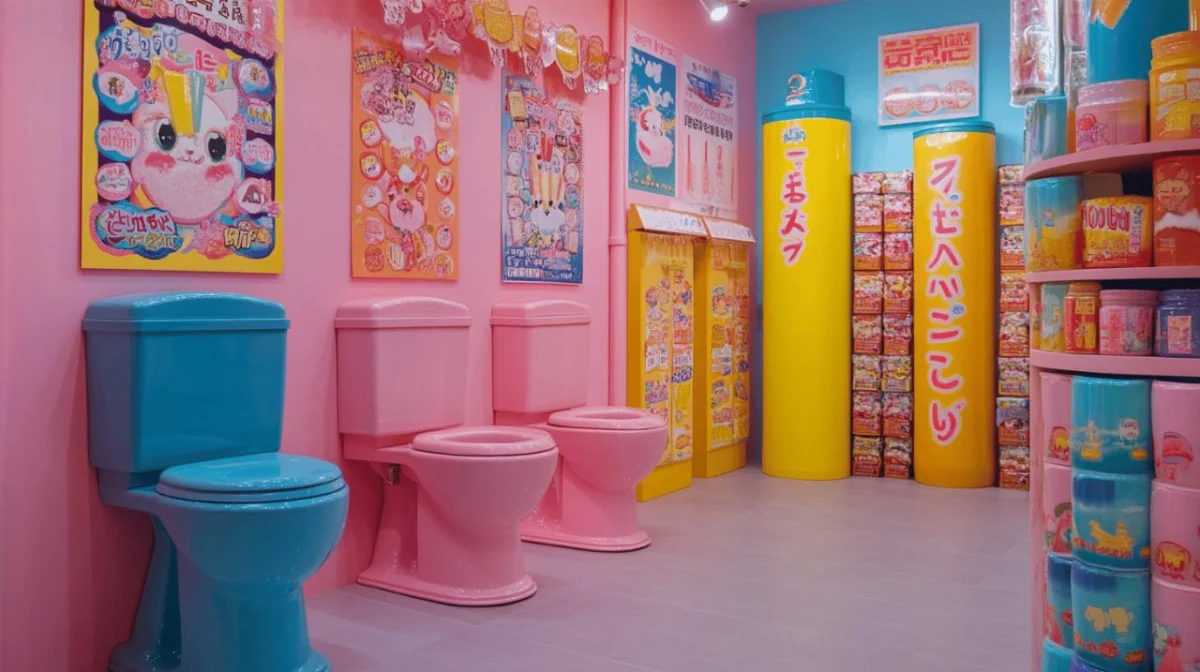
In the vibrant, neon-soaked landscape of Japanese confectionery, few products have managed to achieve the cult status of the Moko Moko Mokoletto. At once bizarre, ingenious, and undeniably entertaining, this "toilet-themed" candy kit has become a global symbol of the playful eccentricity inherent in Japanese food culture. Far more than a mere sugar rush, the Mokoletto represents a masterclass in interactive marketing, transforming the mundane act of eating candy into a multi-sensory, DIY experience that has captivated social media audiences for over a decade.
The Genesis of an Unconventional Icon
The concept of Moko Moko Mokoletto emerged from the Japanese "DIY candy" (neru neru) market, a segment dedicated to kits that allow children to craft their own snacks. Launched in 2013, the product was designed by Heart Corporation, a company renowned for pushing the boundaries of what a candy can be.
The premise is deceptively simple: inside the box, the consumer finds the plastic components for a miniature toilet. Once assembled, the user pours a proprietary acid-based powder into the "tank" and adds water. A chemical reaction ensues, creating a thick, frothy, flavored foam that spills into the bowl. The user then drinks or consumes this foam with a straw or small spoon. By turning a toilet—an object traditionally associated with hygiene and privacy—into a vessel for a delicious treat, the creators successfully tapped into the juvenile, transgressive humor that resonates deeply with children and, unexpectedly, with irony-loving adults worldwide.
Chronology of a Cultural Export
2013: The Domestic Explosion
Upon its debut in Japan, the product was an overnight sensation. It was not marketed merely as a sweet, but as a "kit experience." Japanese retail culture, which thrives on limited-edition goods and collectible items, embraced the Mokoletto immediately. Within months, it became a fixture in dagashiya (traditional candy shops) and convenience stores across Tokyo.
2014: The Viral Transition
The year 2014 marked the product’s transition from a local novelty to an international internet phenomenon. As Western YouTubers and bloggers began to discover the product, "unboxing and taste-testing" videos surged. The absurdity of the product made it a perfect candidate for viral content. Platforms like La Banane qui Parle and Un Loulou et une Poupette provided detailed breakdowns, serving as the bridge that introduced the francophone and broader international market to this bizarre Japanese delight.
2015–Present: Institutionalized Weirdness
Over the last decade, the Mokoletto has ceased to be a "new" product and has instead become an institution. It is now a staple of "Japanese Snack Boxes" that are shipped globally. Its longevity is a testament to the fact that while the "wow" factor brings the first-time customer, the satisfying nature of the chemical reaction and the genuine flavor of the foam keep the brand alive.
Supporting Data: Why It Works
The success of the Moko Moko Mokoletto can be analyzed through several key metrics that define modern consumer behavior in the digital age.
- The "Shareability" Quotient: Studies on digital engagement suggest that content involving high levels of novelty—especially content that triggers a "WTF" reaction—receives 300% more social interaction than standard product reviews. The Mokoletto is inherently shareable because it is a process-oriented product.
- The DIY Factor: The rise of the "maker" culture has influenced the food industry. By requiring assembly, the product creates an "endowment effect," where the consumer values the candy more highly because they invested physical effort into its creation.
- Digital Footprint: Early blogs and specialized sites reported massive spikes in traffic linked to the product. For instance, specific early reports from the aforementioned blogs recorded thousands of unique visitors specifically searching for "how to use" or "where to buy" the Mokoletto, proving that the product acted as a gateway for consumers to explore broader Japanese cultural goods.
Official Perspectives: The Philosophy of "Fun"
While the manufacturers at Heart Corporation maintain a lighthearted approach, their marketing strategy is rooted in a deep understanding of the Japanese concept of kawaii (cute) and the deliberate subversion of social norms.
Industry analysts suggest that the Mokoletto is an evolution of the Japanese tradition of gimmick-based food. In a market as saturated as the Japanese snack industry, standing out requires more than flavor; it requires a narrative. By designing a product that forces the user to smile at the sheer silliness of the packaging, the manufacturer ensures that the brand name becomes synonymous with "fun."
The company has expanded the line to include various toilet colors, shapes, and seasonal themes, effectively turning a single SKU (Stock Keeping Unit) into a collectible series. This strategy keeps customers returning to complete their "toilet collection," a brilliant tactic that merges the toy and candy industries into a single, cohesive consumer loop.
Global Implications: The Future of Novelty Confectionery
The success of the Moko Moko Mokoletto has had significant implications for the global candy market.
1. The Normalization of "Weird"
The Mokoletto paved the way for a wave of other "extreme" DIY candies, including those that mimic sushi, hamburgers, and even surgery sets. It proved that Western consumers, particularly Gen Z and Millennials, are increasingly seeking out international products that defy domestic conventions of "normal" food.
2. Marketing as Performance
The product forced global marketers to recognize that for a product to succeed in the digital age, it must be "performative." The Mokoletto is not a snack you eat while walking; it is a snack you set up, film, and narrate. This has shifted the way global snack companies approach product development, with a greater focus on the "unboxing experience" rather than just the taste profile.
3. Cross-Cultural Bridges
Perhaps most importantly, the Mokoletto serves as a cultural icebreaker. Through the lens of this silly, effervescent, and slightly irreverent candy, millions of people have been introduced to the wider world of Japanese snacks. It acts as a gateway drug for the "Fantaisyland" category of imports, leading curious consumers to explore more traditional, high-quality, or obscure Japanese culinary delights.
Conclusion: A Lasting Legacy
The Moko Moko Mokoletto remains a paradoxical triumph. It is a mass-produced piece of plastic destined for the bin, yet it creates a moment of genuine, shared joy that transcends language and borders. It highlights the genius of Japanese consumer psychology: the ability to identify that a consumer doesn’t just want a sugar hit—they want a story to tell, a video to post, and a moment of laughter with friends.
As we look to the future of the food industry, the Mokoletto serves as a permanent reminder that in an increasingly serious world, there will always be a massive, untapped market for the delightfully absurd. Whether you view it as a stroke of marketing genius or a piece of harmless, fizzing nonsense, one thing is certain: the Moko Moko Mokoletto has earned its place in the history books of modern pop culture, proving that sometimes, the best way to innovate is to stop taking your product—and yourself—so seriously.