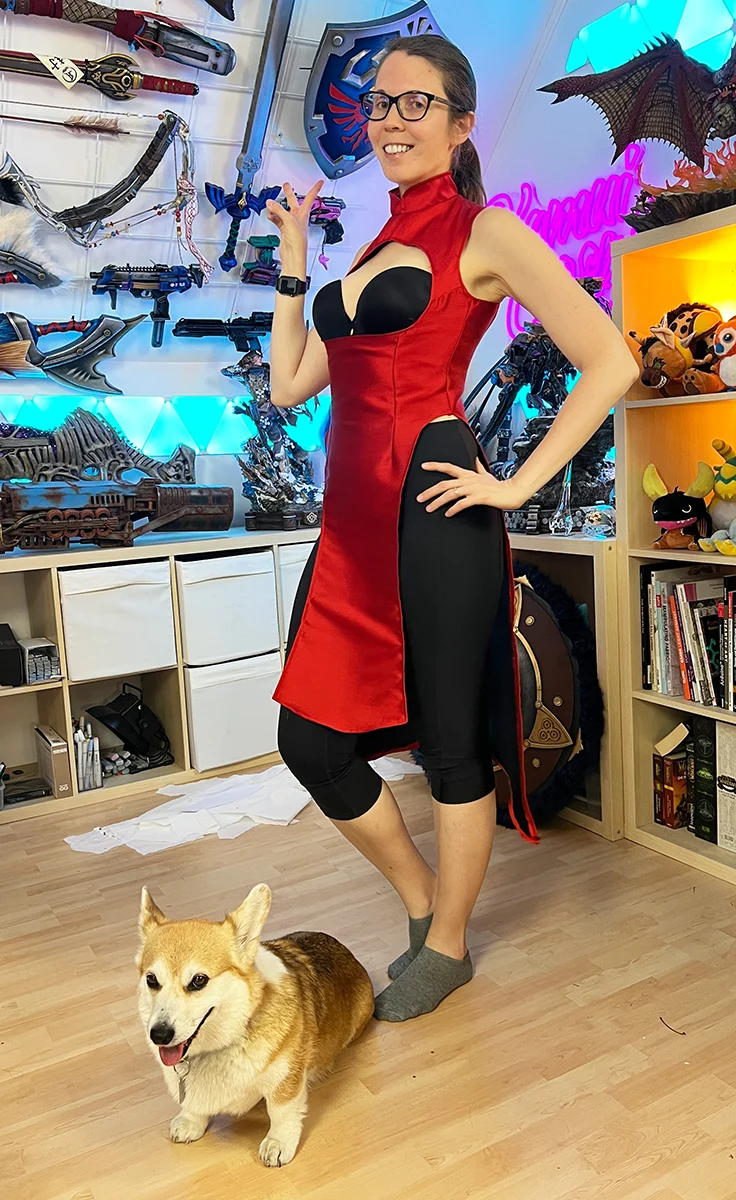
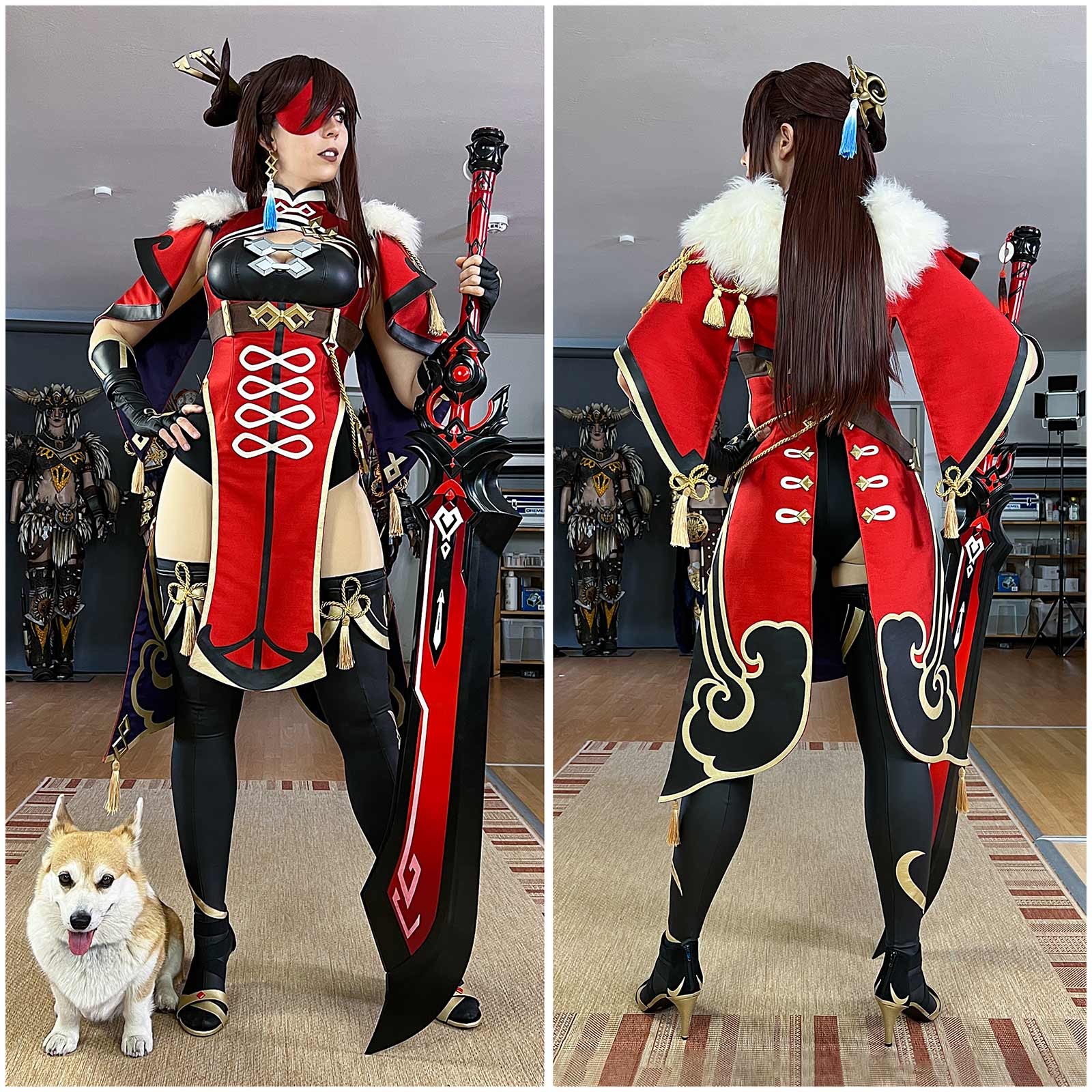
In the expansive world of Genshin Impact, Captain Beidou of the Crux Fleet stands as an icon of strength, leadership, and unwavering resolve. For professional cosplayer Svetlana Quindt, better known as Kamui Cosplay, the character was more than just a favorite—she was a creative challenge that demanded the synthesis of traditional sewing techniques and cutting-edge digital fabrication. What began as a personal passion for the game transformed into a high-stakes commission from HoYoverse, culminating in an eight-week project that blurred the lines between digital character design and physical craftsmanship.

The Genesis of a Captain: Understanding the Scope
Since the launch of Genshin Impact in 2021, the game’s intricate character designs have set a new benchmark for the cosplay community. While online retailers offer mass-produced versions of these outfits at accessible price points, the nuance of Beidou’s silhouette—a powerful claymore-wielding warrior—requires a level of structural integrity and detail that factory-made costumes often lack.
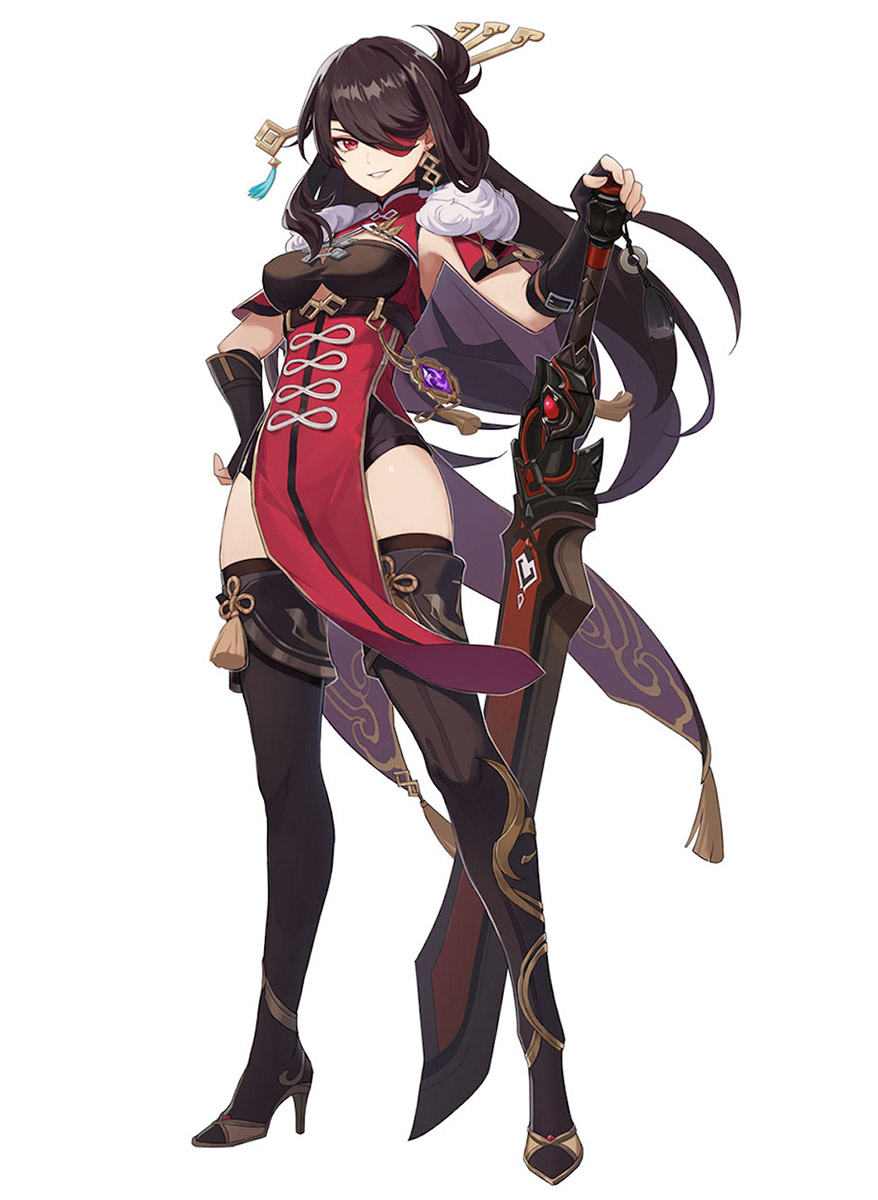
To achieve an authentic look, Quindt turned to the Games Fashion Archive, a repository of 3D game models. By analyzing the 3D geometry of the character, she was able to deconstruct Beidou’s outfit, identifying hidden seams, material textures, and the complex layering required for a functional, wearable garment. This phase was critical; without a deep understanding of the character’s digital construction, the transition to physical fabric would have been impossible.
A Chronology of Creation: Eight Weeks of Labor
The project was defined by a grueling, highly organized timeline. Every piece of the costume, from the primary dress to the oversized claymore, was meticulously planned.
Phase 1: Patterning and Foundations (Weeks 1–2)
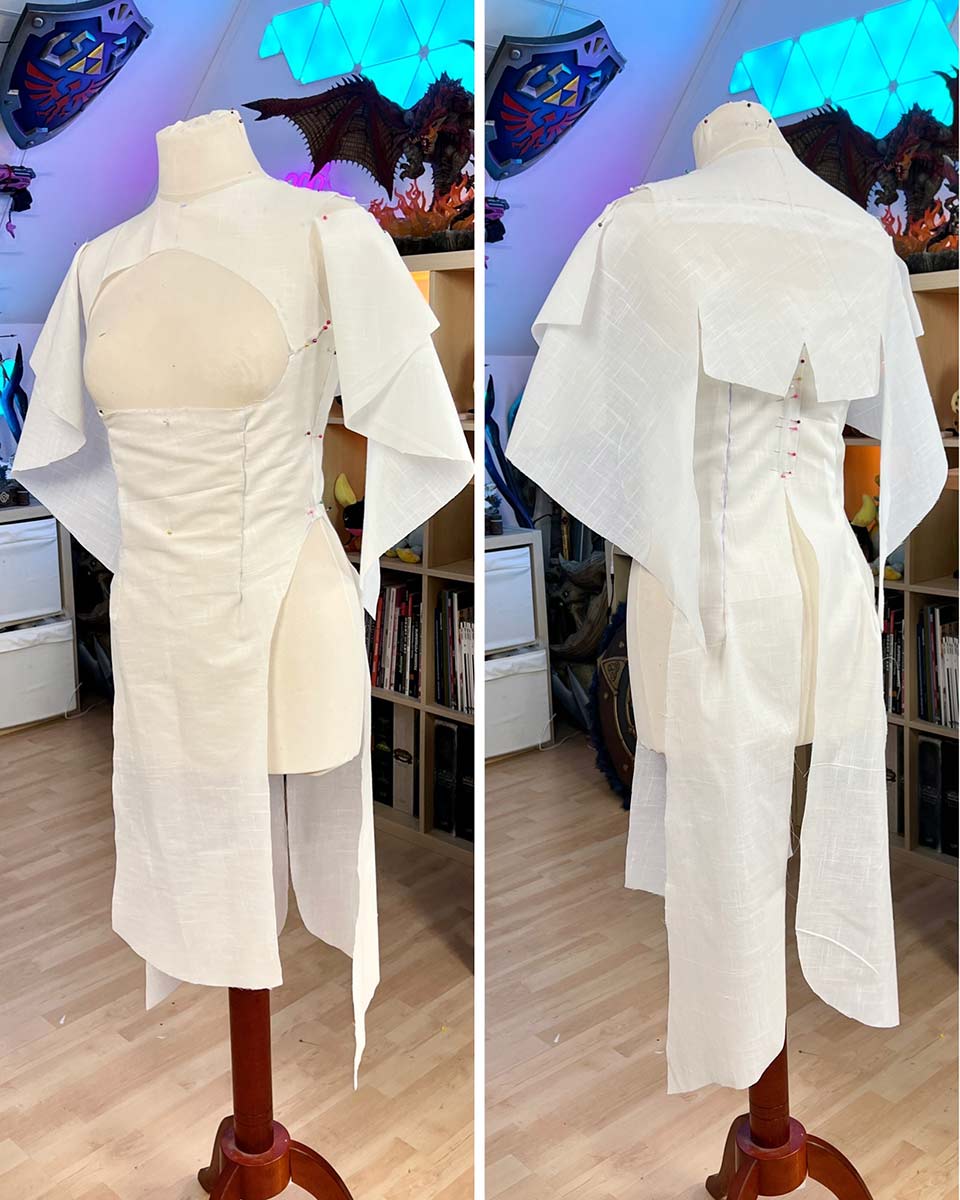
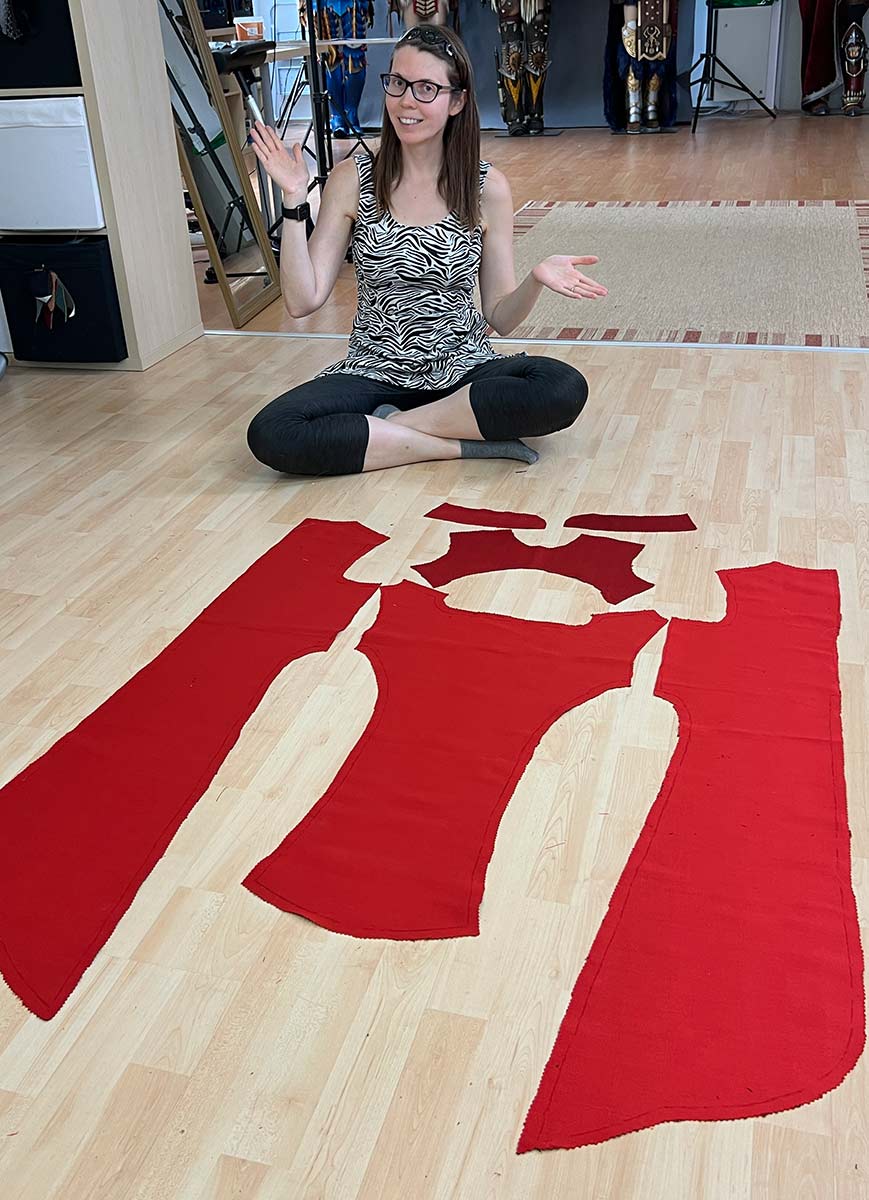
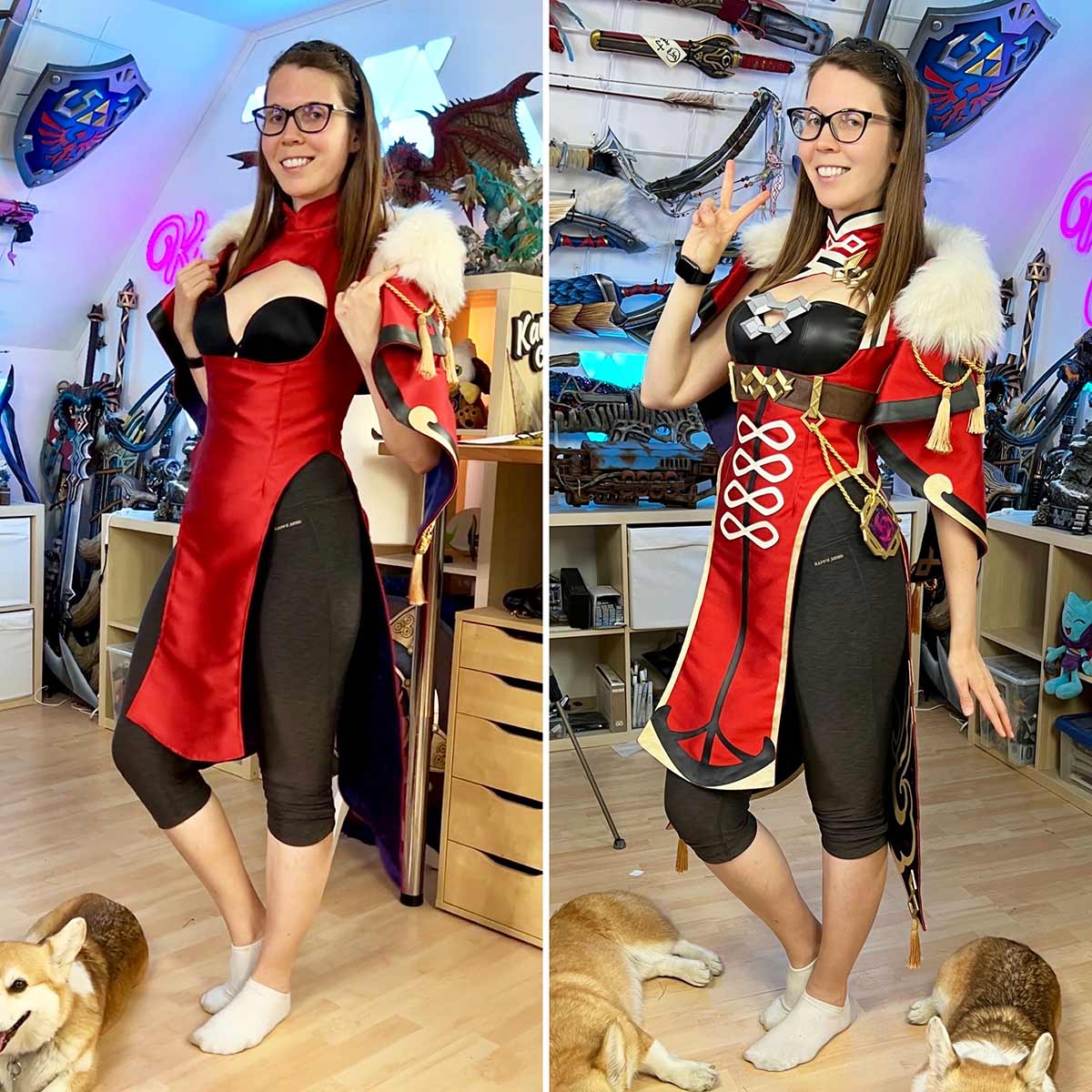
The journey began with the "duct tape pattern technique." By having her husband and collaborator, Benni, wrap her in duct tape and mapping out the garment’s contours, Quindt was able to create a custom-fit foundation. These templates were then transferred to linen fabric for a preliminary test. Because she possesses a standard EU 38 frame, she was able to refine these patterns directly on a professional dress form, ensuring that the heavy, shimmering silk she sourced from a local boutique in Düsseldorf would drape correctly.
Phase 2: Sewing and Structural Detail (Weeks 3–4)
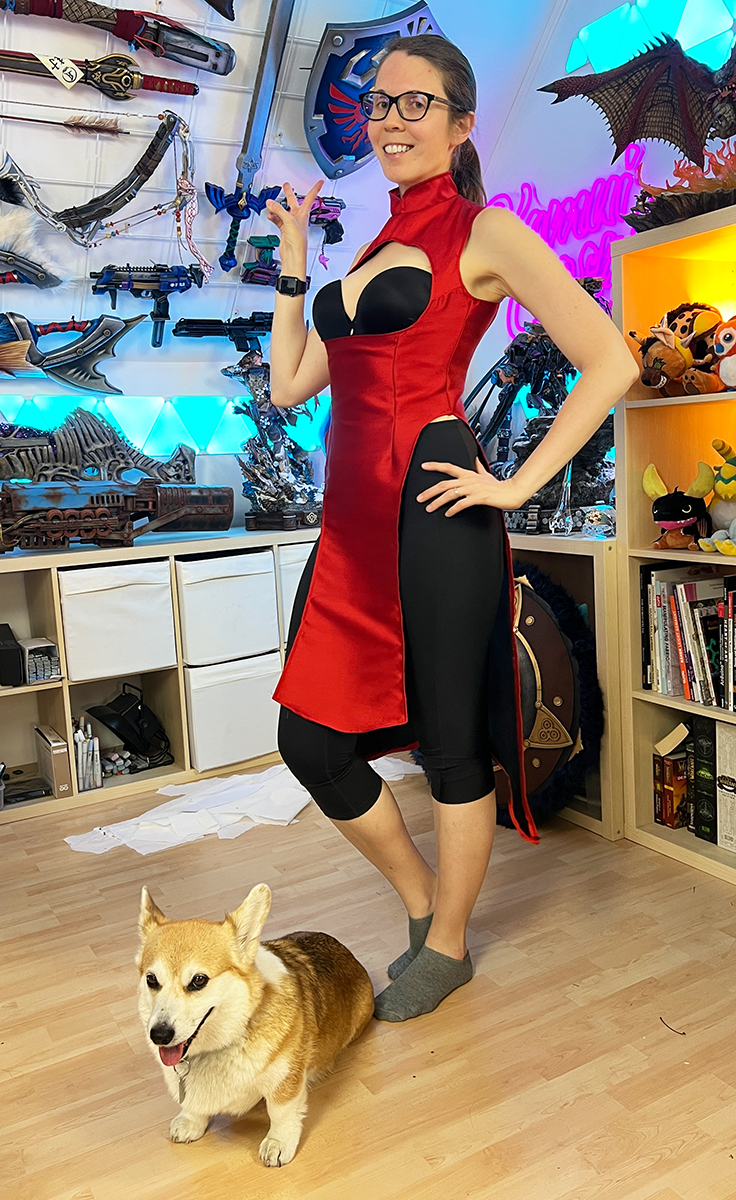
Construction moved to the workshop, where Quindt employed a dual-machine strategy. While she primarily utilized a Brother Innovis 550 SE, she maintained a secondary machine for rapid prototyping and emergency repairs. A notable aesthetic choice was the incorporation of hand-stitched invisible seams for the dress lining and cape, a technique that requires significantly more time than machine-stitching but provides a superior, high-fashion finish.
Phase 3: Laser Fabrication and Embellishments (Weeks 5–6)
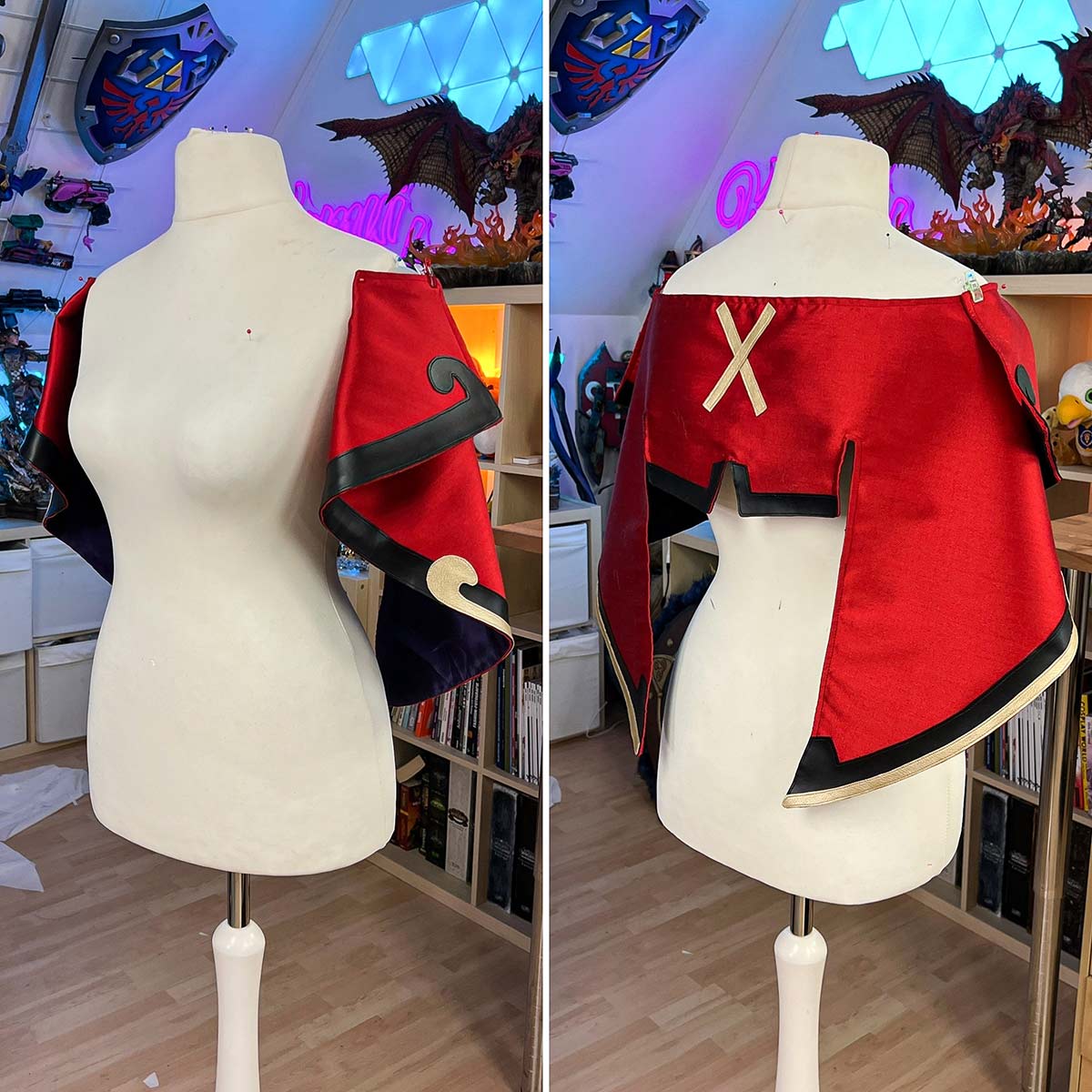
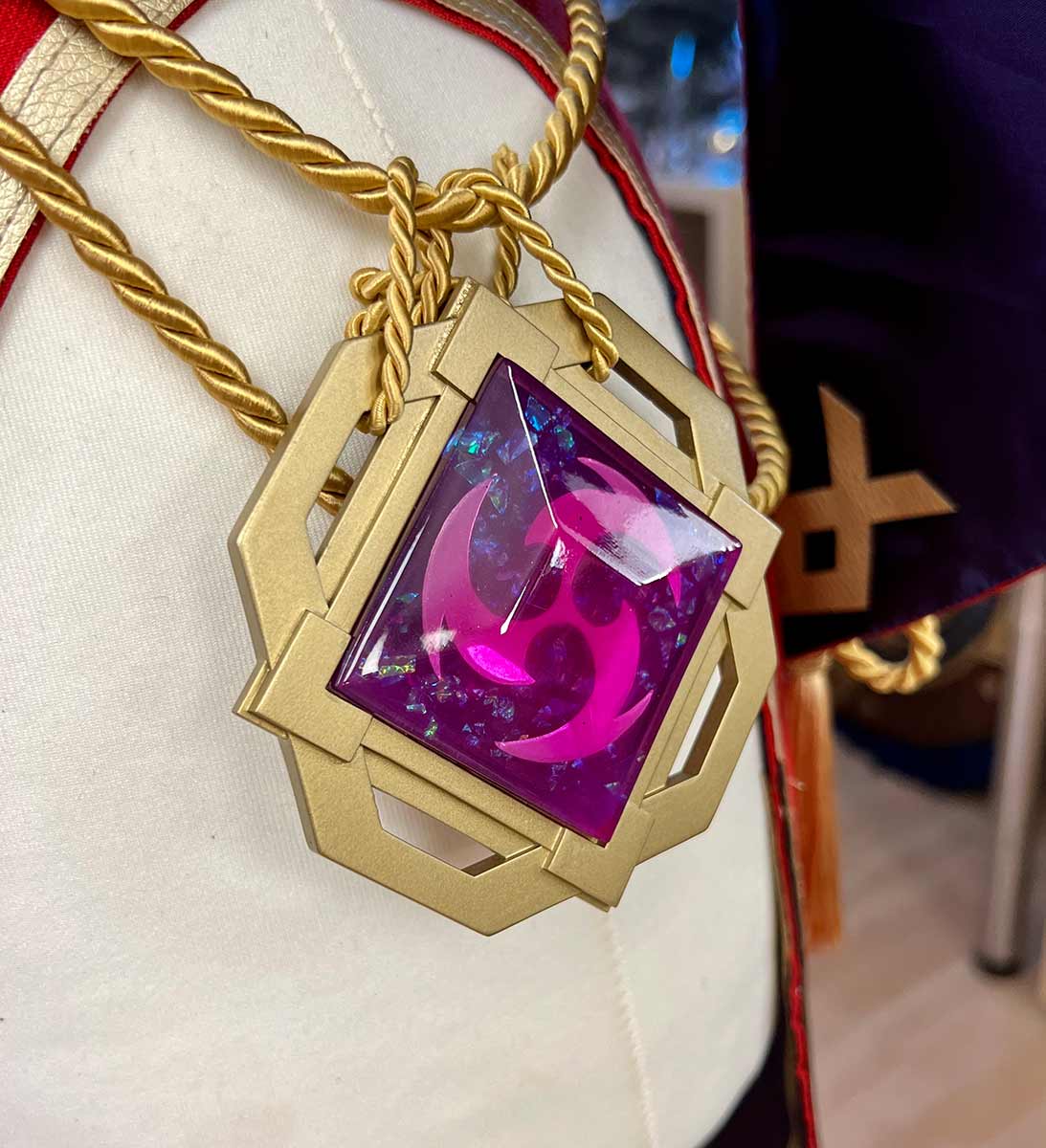
The intricate golden and black vinyl patterns that adorn Beidou’s outfit were produced using a Flux laser cutter. By generating vector files that could be executed with precision, the team bypassed the limitations of hand-cutting, which would have been prone to error given the project’s tight deadlines. The 3D-printed elements, including the metallic armor accents, were sourced from Dangerous Ladies, highlighting the importance of collaboration within the global cosplay community.
Phase 4: The Weaponry and Finishing Touches (Weeks 7–8)
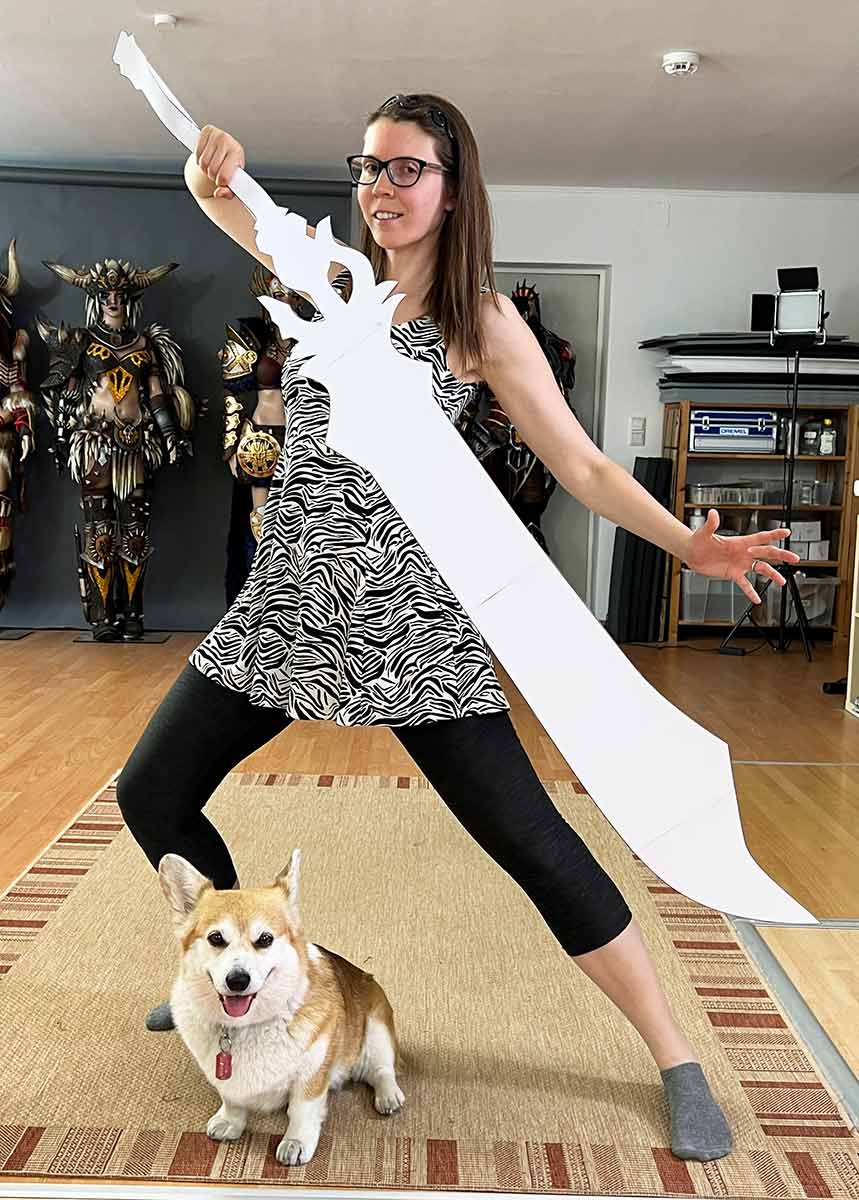
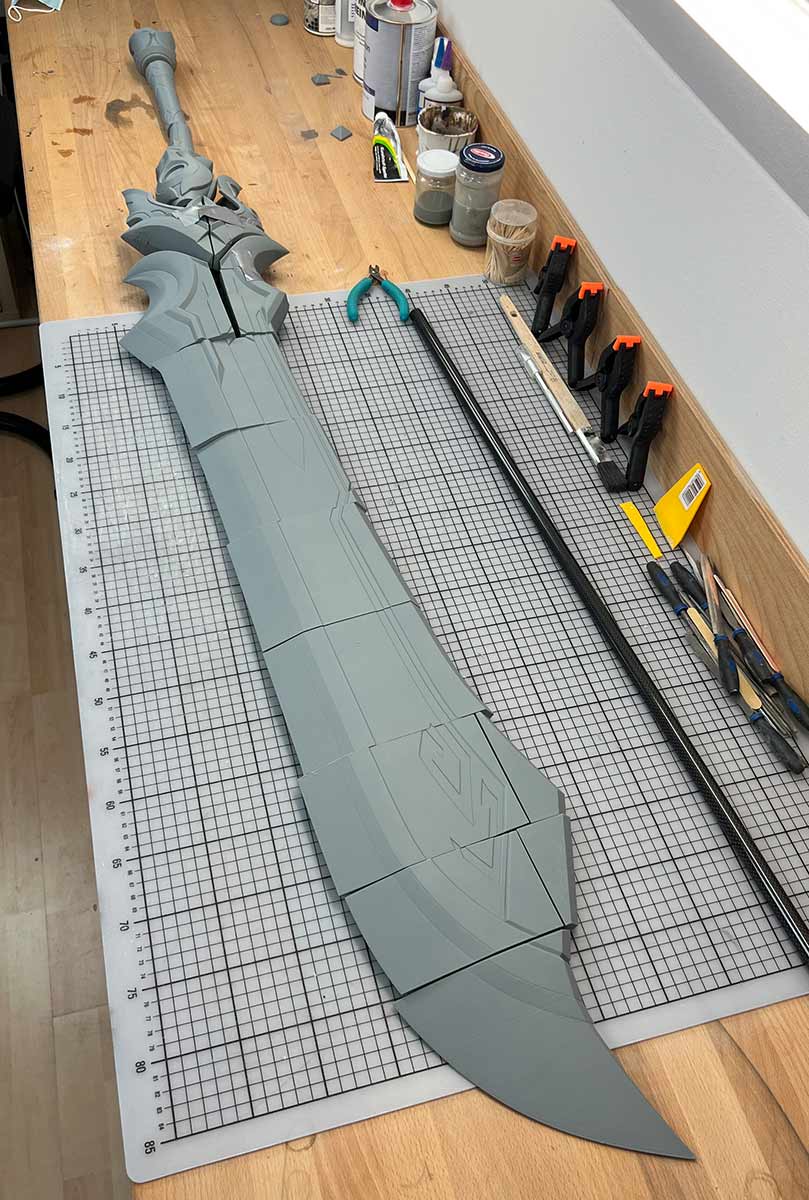
The final stages focused on the "Blackcliff Slasher," Beidou’s signature claymore. The construction process was an engineering feat in itself. Using a 3D model by artist Bruneng, the team spent two weeks running two Zortrax m200 3D printers continuously. Once printed, the sword underwent an exhaustive process of assembly, priming, sanding, and airbrushing. The result was a weapon that possessed the visual weight of steel while remaining light enough for a full day of convention wear.
Supporting Data: The Tools of the Trade
The success of this project relied heavily on the strategic use of industrial and consumer-grade tools. Key equipment included:
- Fabrication: Flux laser cutter for vinyl applique; two Zortrax m200 FDM printers for large-scale props.
- Adhesion: Gütermann HT2 fabric glue, which Quindt identifies as an industry standard for bonding fabric to foam, noting its durability over a ten-year professional tenure.
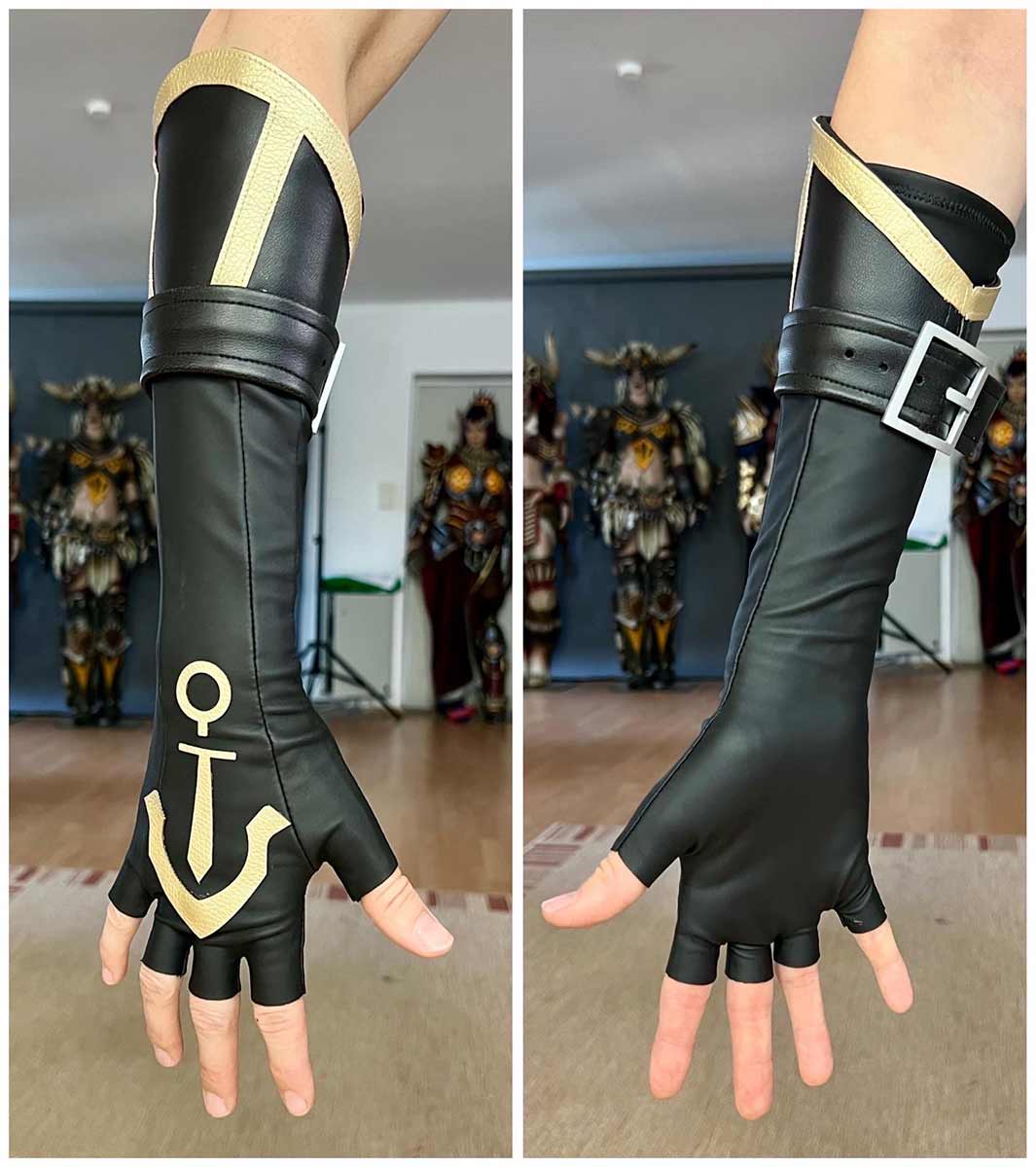
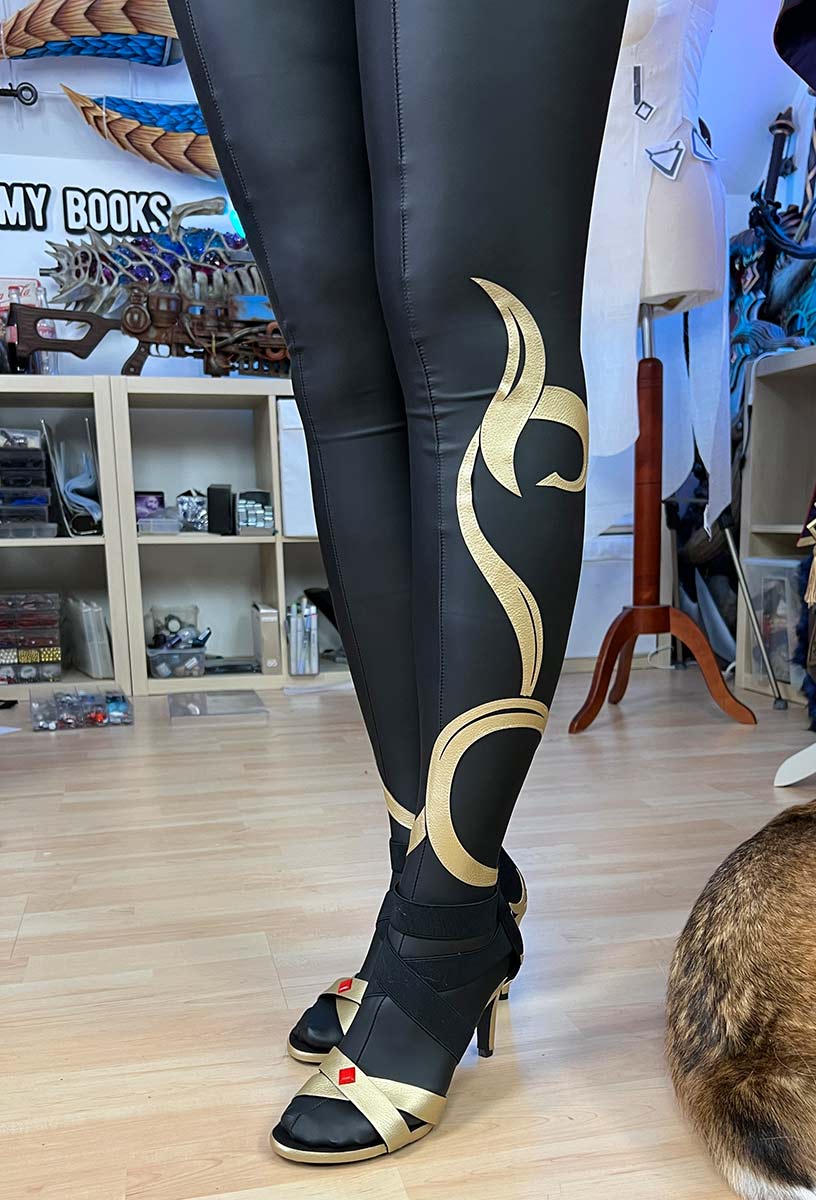
- Soft Goods: Stretch faux leather (Ultrapreme) for gloves and tights, chosen specifically for its high-tensile strength, ensuring the material would not tear during active movement.
Official Responses and Professional Adjustments
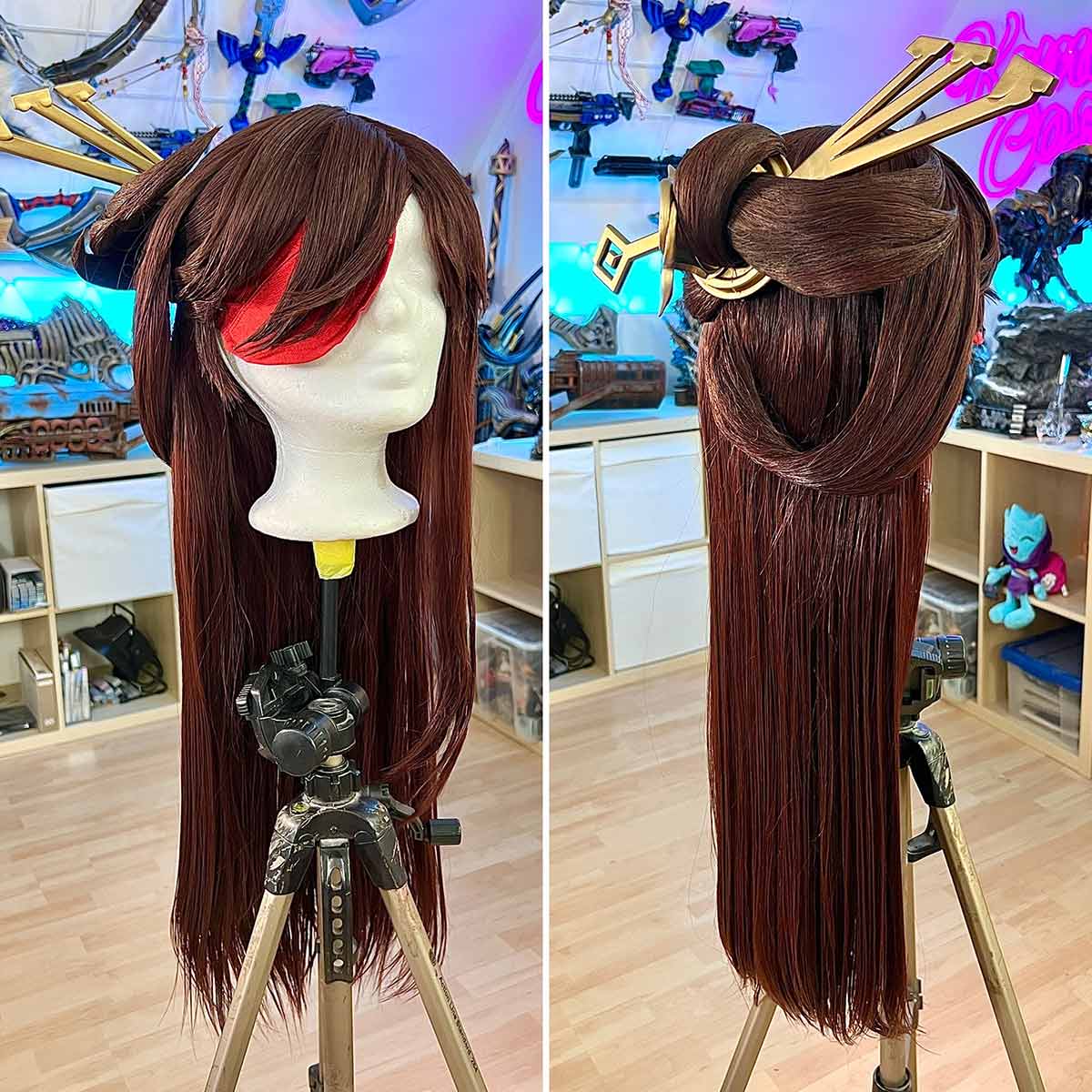
The collaboration with HoYoverse necessitated a unique professional compromise. Due to a vision impairment in her right eye, Quindt had to adjust the design of the character. Traditionally, Beidou wears an eyepatch over her left eye. To ensure safety and comfort while navigating busy convention floors, Quindt requested—and received—permission from the developers to "mirror" the character design. This involved flipping the wig, the eyepatch, and the accessories, effectively creating a reversed version of the character that remained visually accurate to the source material while accommodating the cosplayer’s physical needs.
The Intersection of Technology and Art: Digital Photography
The final presentation of the Beidou project showcased a move toward "digital environmentalism." Rather than relying on weather-dependent outdoor shoots, the team utilized a green screen, subsequently importing the footage into the Unreal Engine. By building a digital rendering of Liyue, the team was able to place the physical costume into a virtual, high-fidelity environment. This synthesis of physical prop-making and digital rendering represents the future of professional cosplay, allowing for a level of cinematic production that was previously reserved for high-budget film sets.
Implications for the Cosplay Community
The Beidou project serves as a case study in the modern state of cosplay. It poses a significant question for the community: Is it worth the investment of eight weeks and thousands of dollars in resources to build a character from scratch?
For enthusiasts, the "buy vs. build" debate is often settled by budget. However, for professionals like Quindt, the value lies in the process. The creation of this costume was not merely about owning the outfit, but about solving structural problems, mastering new software, and pushing the boundaries of what is possible with accessible consumer technology.
The project also highlights the importance of supporting local vendors and independent artists. From the fabric store in Düsseldorf to the 3D modelers in Canada, the project was a decentralized effort that benefited from a global ecosystem of creative contributors.
Conclusion: The Captain Sets Sail
Ultimately, the Beidou project is a testament to the evolution of cosplay from a hobby into a sophisticated craft that incorporates engineering, fashion design, and digital art. As the line between digital reality and physical reality continues to blur, projects like this demonstrate that the most authentic costumes are not the ones that look the best from a distance, but the ones that survive the rigors of the "real world" while honoring the source material in every stitch. Whether one chooses to craft or purchase their gear, the dedication shown by Kamui Cosplay remains a high-water mark for the community, proving that even in a digital world, the human hand—and a bit of duct tape—remains the most essential tool of all.