Cats are, by their very nature, the ultimate disruptors. As the late journalist and contrarian Christopher Hitchens famously observed, the dynamic between human and feline is vastly different from that of dog and human. While a dog, provided with food, shelter, and affection, inevitably concludes that its owner is a god, a cat observes the same gestures and arrives at the distinct conclusion that it is the god in the relationship.
This profound, if somewhat arrogant, independence is a cornerstone of feline personality. Yet, for decades, the advertising industry has largely ignored this rich, nuanced well of behavior. Instead, creative agencies have consistently retreated into the safe, repetitive territory of "cute." We are bombarded with images of wide-eyed kittens, soft-focus fluff, and hyper-saturated hues designed to trigger a Pavlovian "aww" response.
However, a new campaign from cat food brand Smalls is shifting the paradigm. By eschewing traditional product-centric imagery in favor of a cryptic, philosophical, and strikingly bold brand language, Smalls is daring to treat its audience like adults.
The Evolution of Pet Marketing: From Kibble to Concepts
Historically, the pet food industry has relied on a rigid, predictable visual lexicon: close-ups of overflowing kibble, "happy" pets aggressively nudging bowls, and sterile, clinical shots of premium ingredients. It is a formula designed to reassure the owner of the product’s nutritional utility.
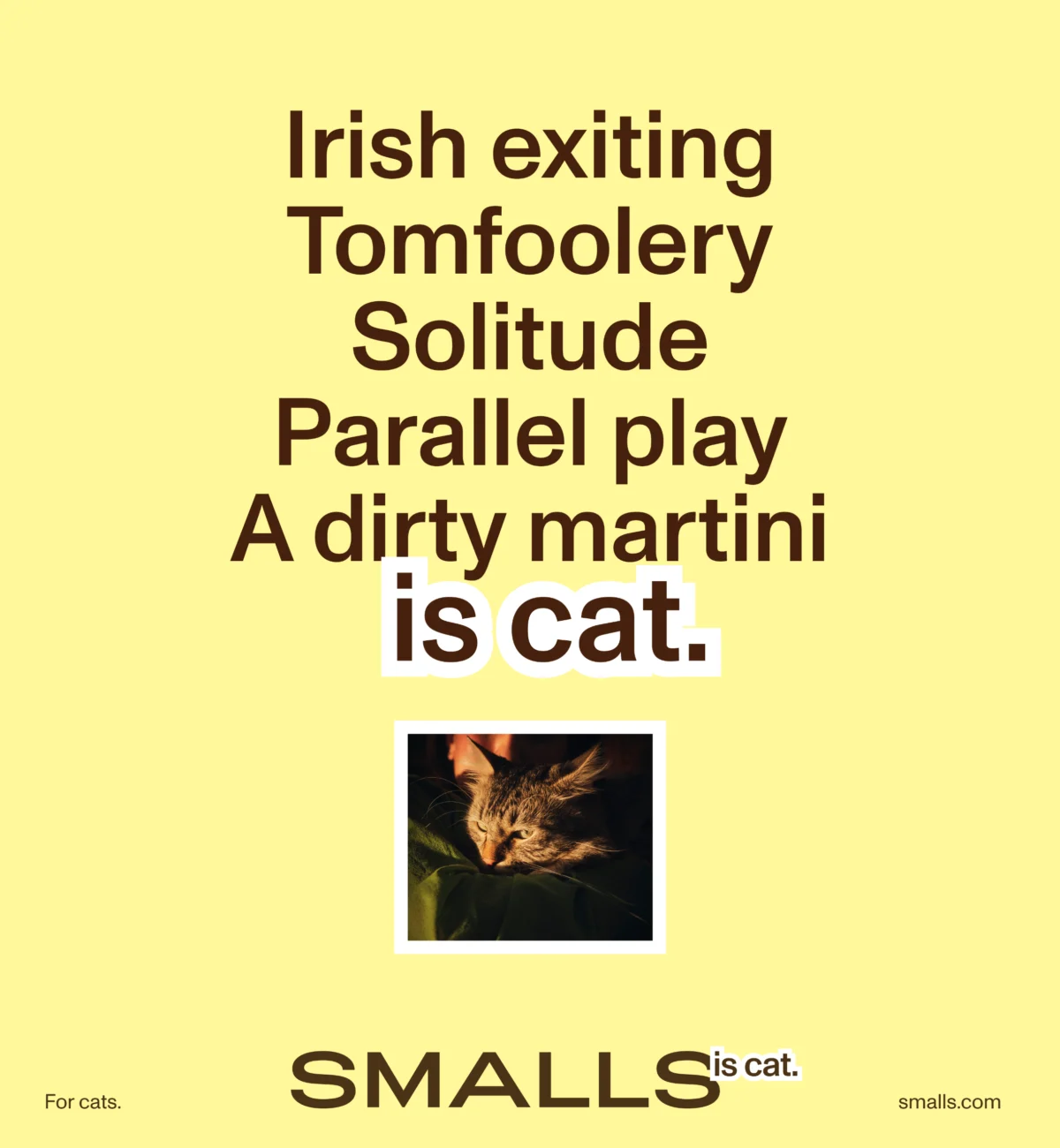
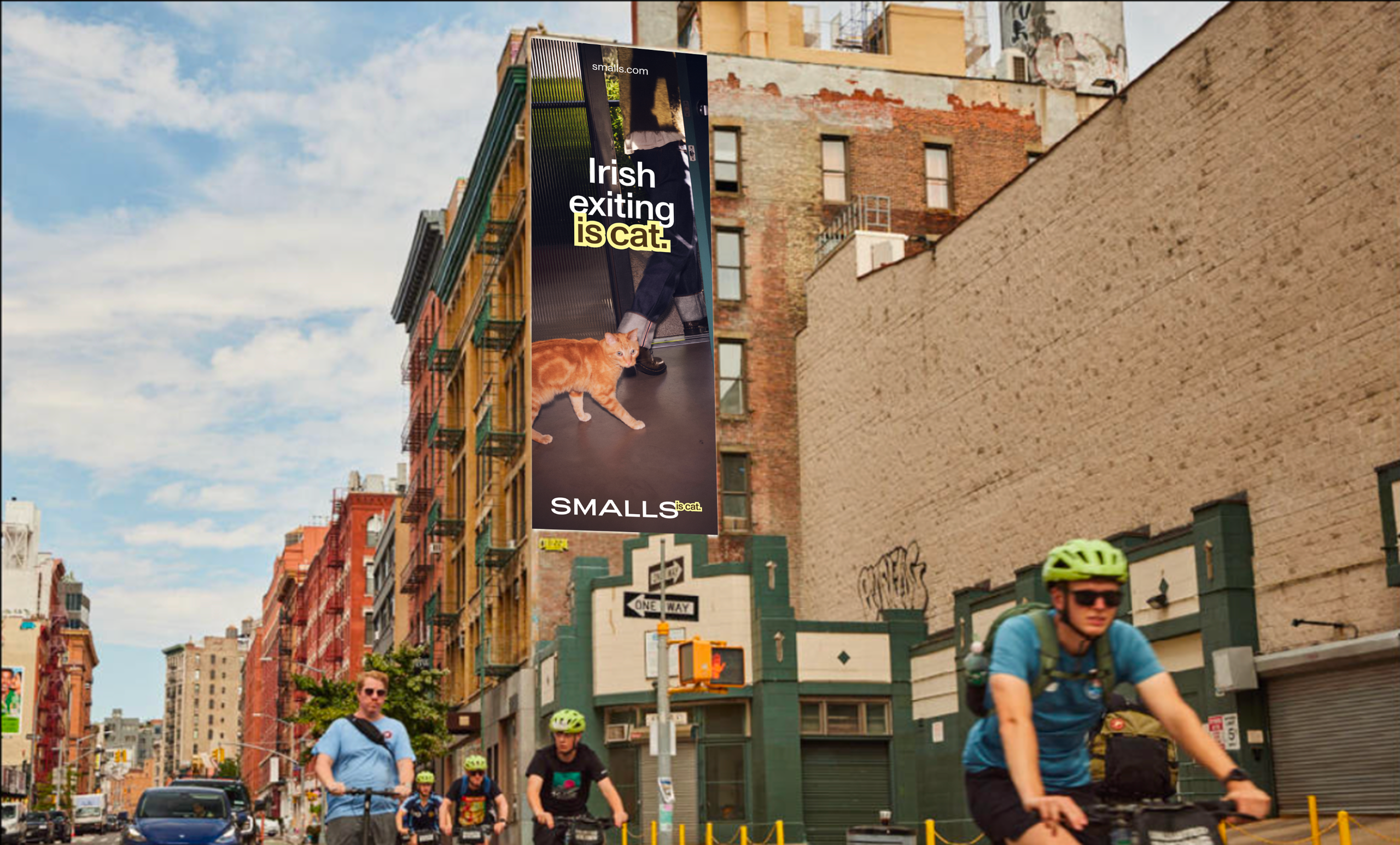
Smalls, a direct-to-consumer brand, has decided to tear up that playbook. In its latest out-of-home (OOH) campaign, there is no food in sight. There are no bowls, no bags, and no ingredient lists. Instead, the brand has opted for a minimalist, text-heavy aesthetic that relies on a single, recurring linguistic hook: "… is cat."
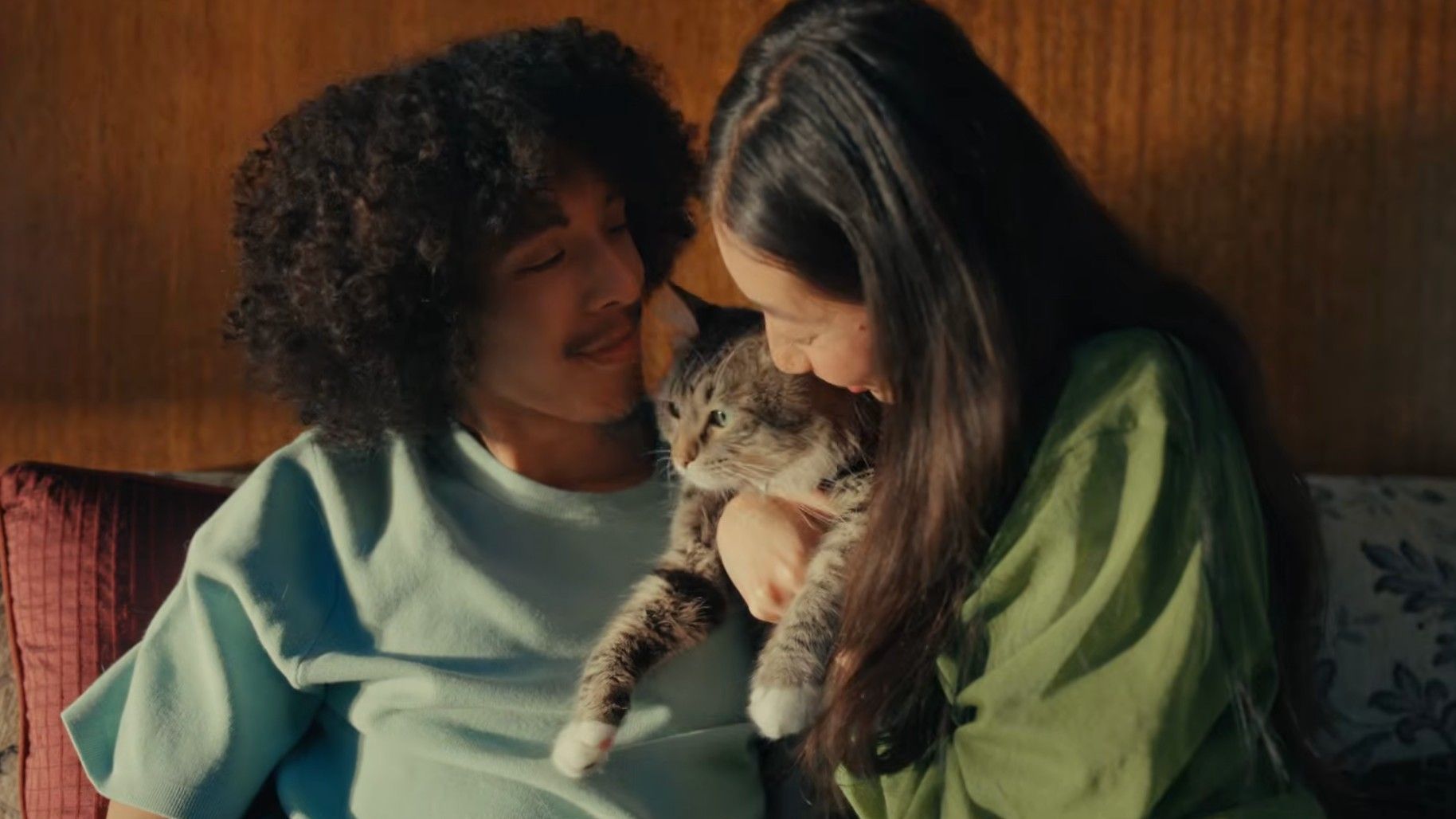
This move represents a significant departure from the "cute" imperative. By stripping away the product, the brand forces the viewer to engage with the brand identity rather than the nutritional stats. It is an exercise in cultural branding, suggesting that Smalls is not just a food provider, but a lifestyle choice for those who understand the enigmatic, often inexplicable nature of their feline companions.
Chronology of a Creative Pivot
The campaign’s rollout, which has been making waves across urban centers, relies on a modular, repeatable template. The visual identity is stark—a distinctive, butter-yellow background paired with punchy, brown, sans-serif typography.
The messaging, while initially jarring, reveals itself to be a masterclass in associative branding:
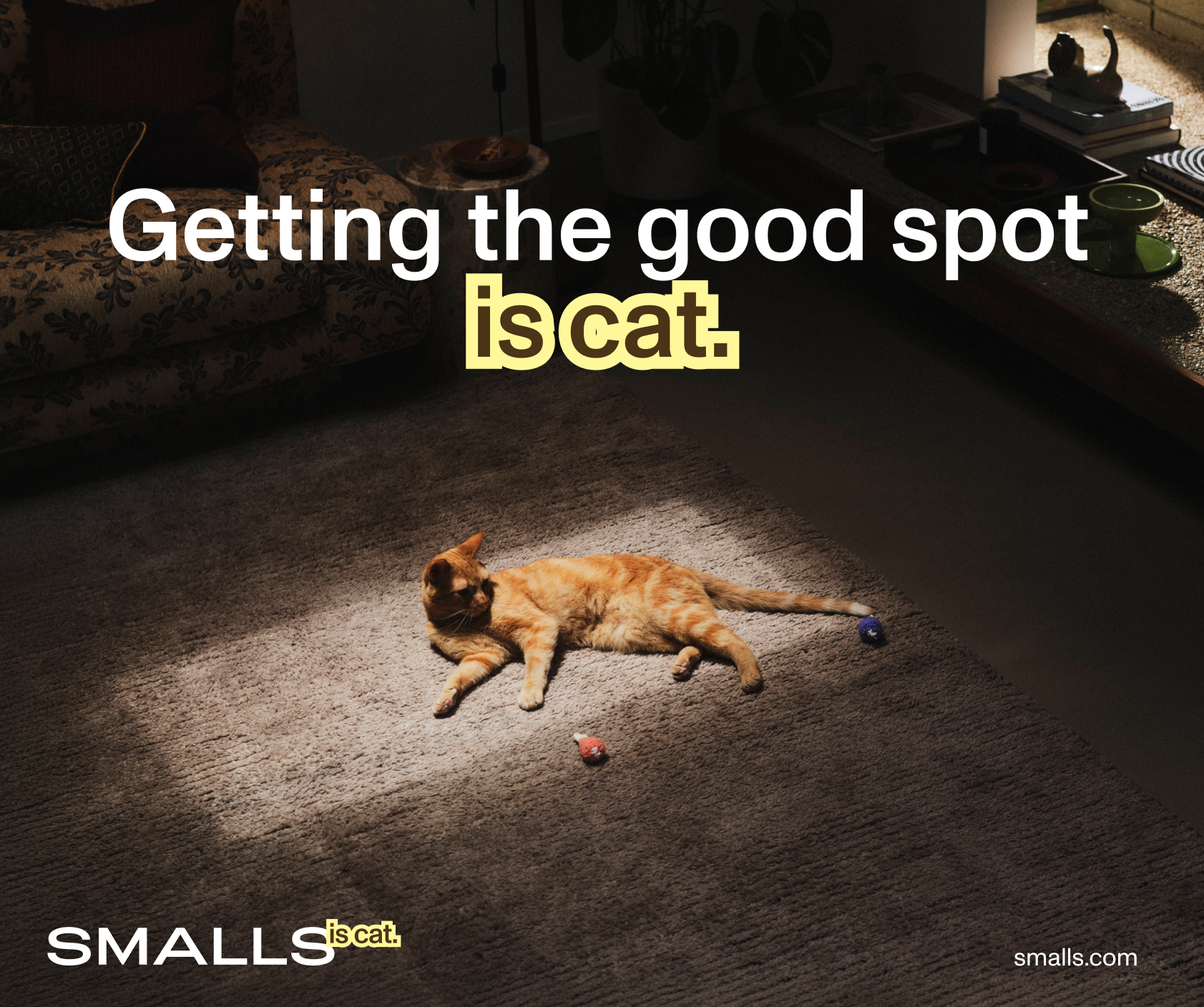
- The Physicality of Felines: "Getting the good spot is cat" accompanies a photograph of a ginger tomcat claiming a sun-drenched patch of carpet. It taps into the universal experience of cat ownership—the realization that your furniture belongs to them, not you.
- The Behavioral Quirk: "Irish exiting is cat" features a cat effortlessly slipping out of frame, a playful nod to the feline tendency to vanish just when you want their attention.
- The Abstract: "Solitude is cat" and "A dirty martini is cat" push the boundaries of what a pet brand can "mean."
These posters are not designed to inform; they are designed to resonate. By utilizing a "fill-in-the-blank" structure, Smalls has created an infinite canvas for its marketing team. This modularity allows the brand to remain relevant across different cultural moments, effectively turning a cat food company into a purveyor of a specific, slightly detached, and sophisticated sensibility.
Supporting Data: Why "Weird" Works in a Crowded Market
In the digital age, attention is the most valuable currency. The "cute cat" market is saturated; Instagram and TikTok are algorithmic black holes for fluffy kitten content. While this content garners "likes," it rarely fosters brand loyalty.
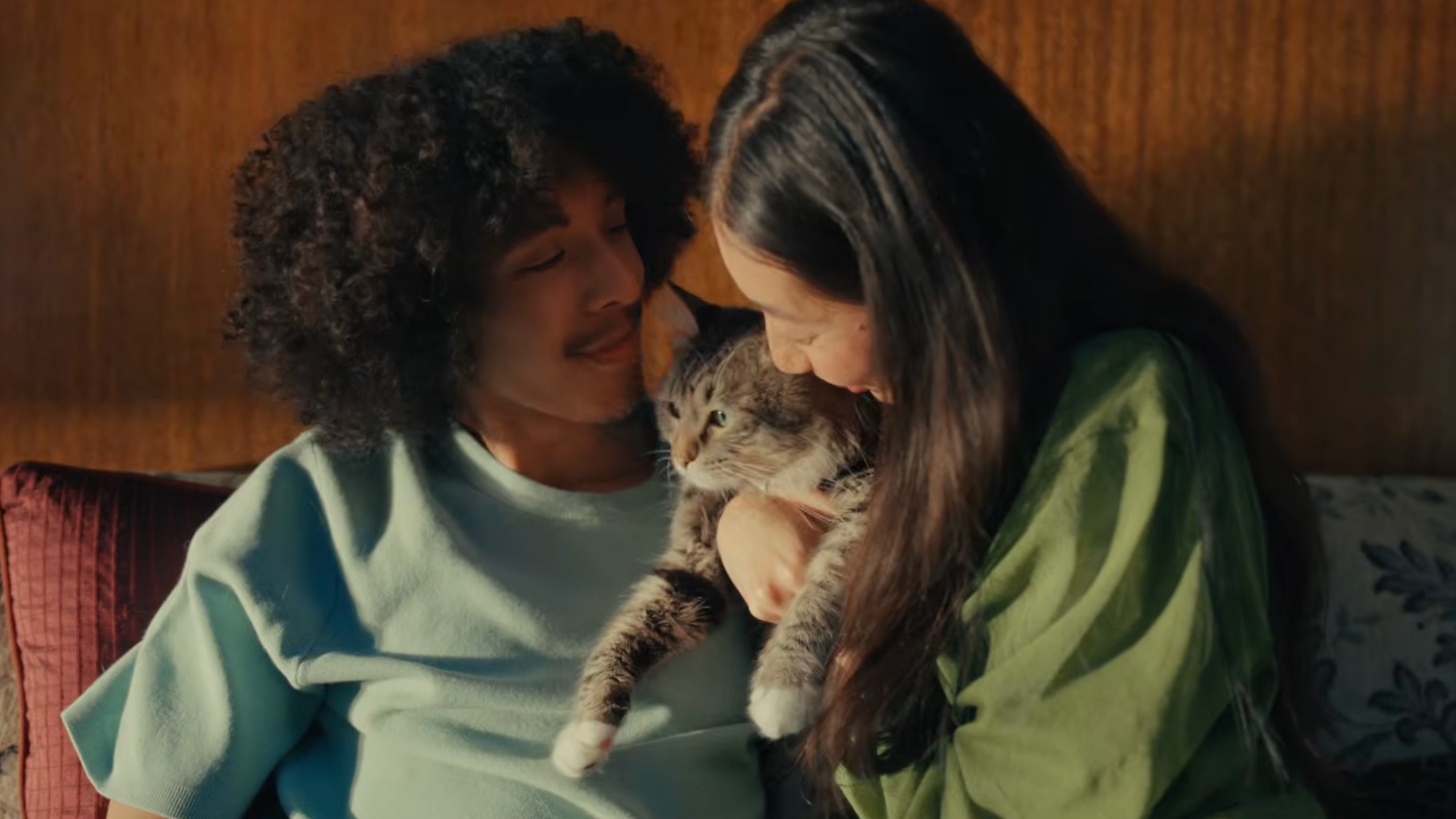
Advertising research consistently shows that consumers are becoming increasingly immune to standard, high-gloss product advertising. A 2023 study on "creative effectiveness" noted that audiences are 40% more likely to remember a brand if the advertising subverts expectations or uses humor that requires a moment of cognitive processing.
Smalls’ campaign functions on this principle of "cognitive effort." When a consumer sees a poster that says "A dirty martini is cat," they are forced to stop, read, and interpret. Is it saying cats like martinis? No. It’s saying that both a cat and a martini drinker embody a specific, cool, unbothered energy. By making the consumer do the work, the brand ensures a higher level of recall. This is the difference between passive consumption and active brand participation.
The Risk of "The Emperor’s New Clothes"
Of course, this strategy is not without its detractors. Critics of "minimalist-intellectual" advertising often point to the risk of alienation. If a consumer doesn’t "get" the joke, is the brand failing to communicate its value proposition?
However, Smalls seems to be betting on the idea that its target demographic—pet owners who view their cats as sentient, opinionated individuals rather than mere accessories—will appreciate the wink. The brand is positioning itself not for the mass market, but for the "cat-person" who understands that their pet is, in fact, a miniature, furry, demanding deity.
The linguistic structure—the "X is cat" trope—also draws on the long history of internet subculture, specifically the early 2000s "I Can Has Cheezburger" era of ungrammatical, ironic cat memes. By modernizing that aesthetic with a sleek, high-design finish, Smalls is signaling that it understands the history of online feline culture while simultaneously elevating it.
Implications for the Pet Industry
The success or failure of this campaign will likely serve as a case study for future brand directors in the pet sector. If Smalls sees a measurable uptick in customer acquisition, it could signal a mass exodus from the "bowl-and-dog-smile" style of advertising.
1. A Shift Toward Brand Language: We may see more pet brands developing their own proprietary "language" or philosophical frameworks rather than simply listing the percentage of protein in their product.
2. The Death of the Product Shot: While product shots will always be necessary for e-commerce, this campaign proves that high-level brand awareness can be achieved without showing the item at all. This frees creative teams to focus on emotional resonance rather than technical specification.
3. Trusting the Consumer: Perhaps most importantly, this campaign signals a growing trend of brands trusting their consumers’ intelligence. It treats the pet owner as a human being with a personality, humor, and a life outside of being a "pet parent."
Official Stance and Future Outlook
While Smalls has yet to release specific sales figures related to this OOH push, the industry reception has been overwhelmingly positive. Marketing analysts have praised the campaign for its bravery and its refusal to rely on the "lowest common denominator" of pet advertising.
The brand is essentially building a "lifestyle brand" in the truest sense of the term. By defining what is "cat," they are defining who their customer is. If you find the posters funny, if you resonate with the idea that solitude is a feline virtue, then Smalls is the brand for you. It is a form of brand signaling that is far more powerful than any ingredient list.
Conclusion: The New Standard for Feline Advertising
Ultimately, Smalls has done something remarkable. They have recognized that their product is not just food; it is a component of a domestic dynamic. By aligning their brand with the inherent, cool, and often selfish nature of the cat, they have moved away from the desperation of the "sell" and toward the sophistication of the "vibe."
Most advertising campaigns in the pet space suffer from a lack of confidence. They try to explain themselves to death, layering tagline over strapline until the original spark of wit is extinguished. Smalls has taken the opposite approach. They have stripped away the noise, trusting that a daft, bold, and slightly perplexing phrase, when repeated with conviction, can carry more weight than a thousand product photos.
It is a bold, creative, and undeniably effective gamble. And, as anyone who has ever lived with a cat will tell you, it is absolutely, definitively… cat.