

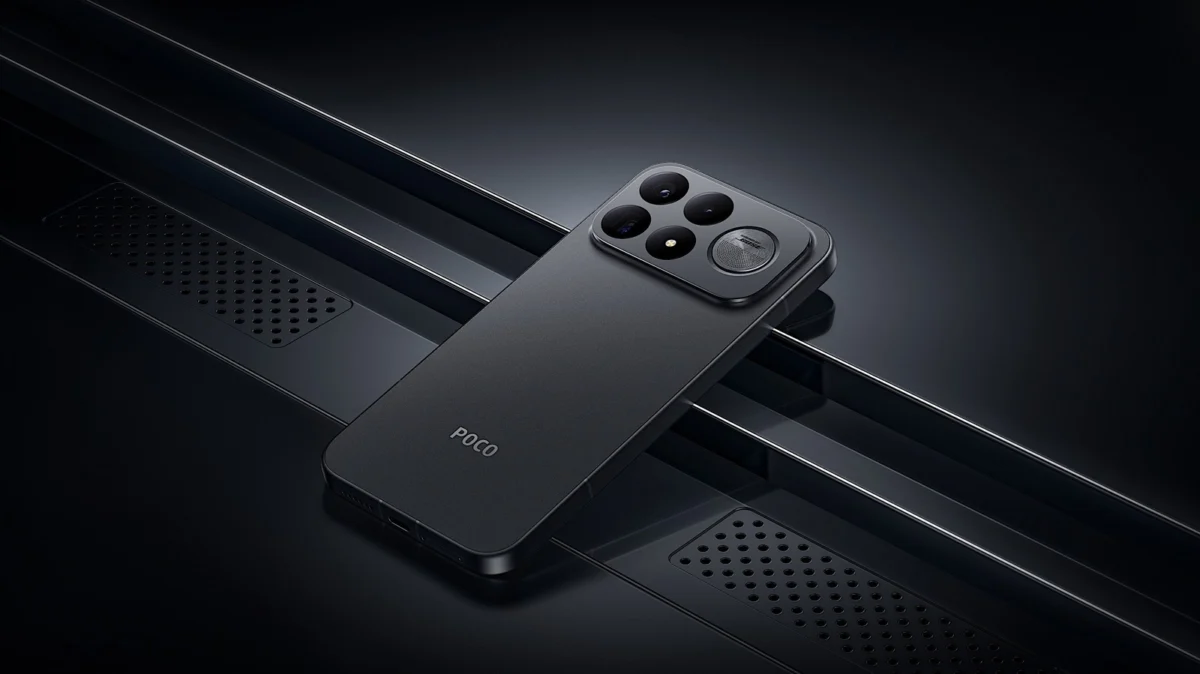
Xiaomi’s sub-brand, Poco, has officially pulled the curtain back on its latest powerhouse, the F9 Ultra. Positioned as an "almost-flagship" device, the handset is set to shake up the competitive landscape of the mid-range sector. By blending elite-tier internals with a price point that undercuts traditional industry titans, the F9 Ultra serves as a bold statement regarding the current trajectory of Chinese smartphone manufacturing.
While the device will not see a formal release in the United States, its global debut provides a vital case study into the evolving expectations of mobile users in 2026—a year where aesthetics, AI-driven performance, and raw hardware capacity have become the primary battlegrounds for consumer attention.
Main Facts: A Spec Sheet That Defies Its Class
The Poco F9 Ultra is designed for those who demand performance typically reserved for the four-digit price bracket. At its heart lies the Snapdragon 8 Elite Gen 5 chipset, a processor that, while carry-over hardware from the previous iteration, remains a formidable force in mobile computing. However, Poco has supplemented this silicon with its proprietary "VisionBoost D8" chipset. This secondary AI-driven co-processor is dedicated to real-time image processing, graphical upscaling, and dynamic scene smoothing, ensuring that the device maintains peak performance even under heavy loads.
The hardware highlights include:
- Display: A massive 6.9-inch AMOLED panel boasting a 185Hz refresh rate, a feature previously exclusive to specialized gaming devices like the ASUS ROG Phone 9 Pro.
- Battery: A staggering 8,050mAh cell, setting a new industry benchmark for endurance.
- Charging: 100W wired and 50W wireless charging capabilities.
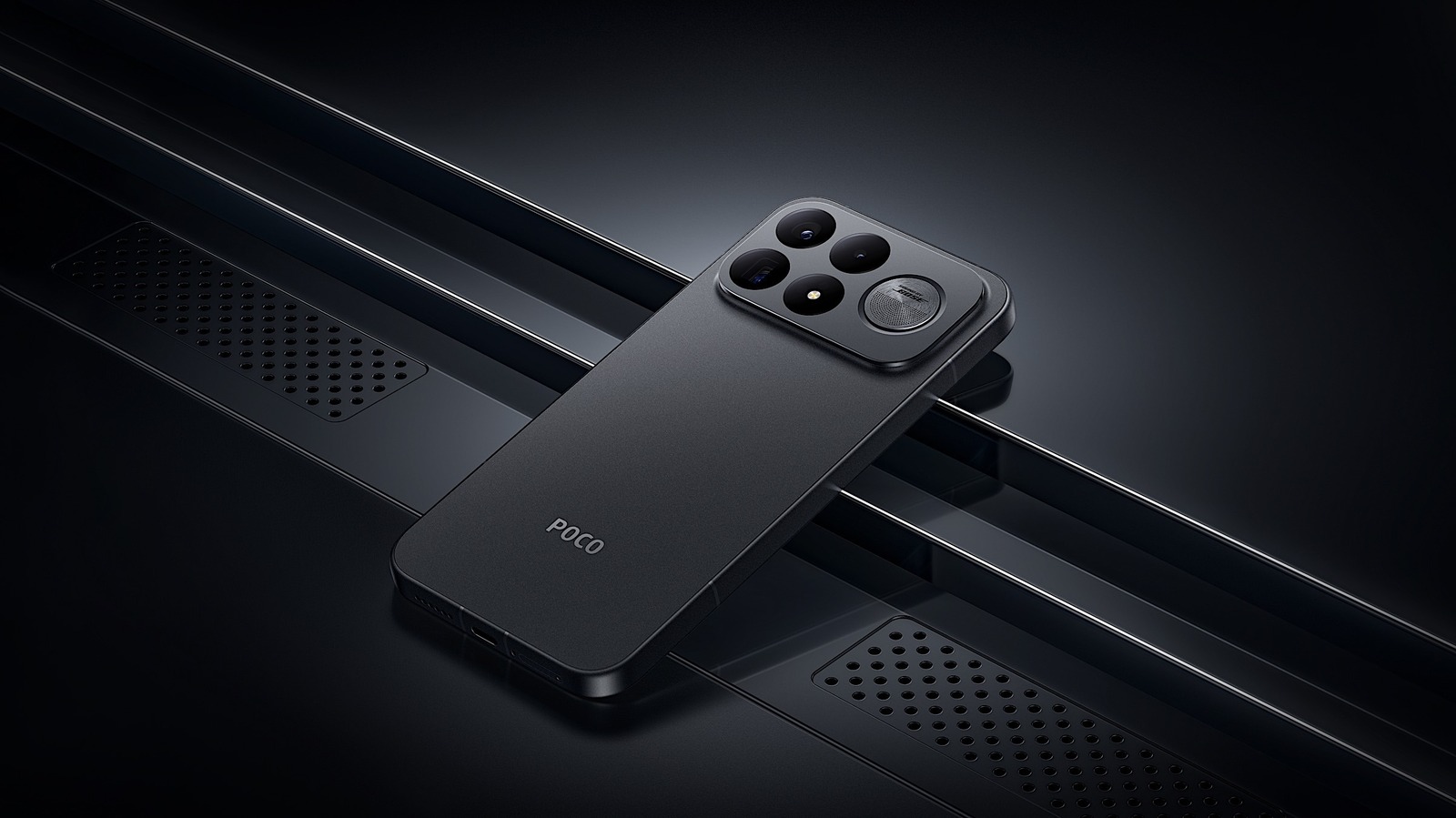
- Audio: Integrated 2.1-channel Bose sound system with flush-mounted camera aesthetics.
- Camera System: A 200-megapixel main sensor, paired with a 5x optical-zoom periscope telephoto lens and a 50MP ultrawide shooter.
Perhaps most striking is the design philosophy. Moving away from the "camera-bump" prominence of the F8 Ultra, the F9 Ultra features a flush rear panel. Coupled with the new "Dark Cherry" red colorway—a nod to the 2026 trend of bold, expressive smartphone aesthetics—the device aims to be as much a fashion statement as it is a productivity tool.
Chronology: The Evolution of the F-Series
To understand the significance of the F9 Ultra, one must look at the trajectory of the Poco F-series.
- The Foundation (Pre-2025): The F-series was initially conceived as the "Flagship Killer," focusing on raw performance over premium build materials.
- The Shift (2025 – F8 Ultra): With the release of the F8 Ultra, Poco began integrating higher-end partnerships, most notably with Bose for audio tuning and the introduction of the VisionBoost engine. This was the first time the brand bridged the gap between "mid-range performance" and "luxury feature sets."
- The Optimization (2026 – F9 Ultra): The current release represents a refinement phase. Rather than reinventing the chipset, Poco has focused on the "supporting cast": battery density, heat management, and the ecosystem of high-frame-rate gaming. By keeping the processor stable but enhancing the cooling and software, Poco has prioritized sustainability and longevity over the vanity of a yearly chip-cycle upgrade.
Supporting Data: Thermal Management and Gaming Performance
One of the most significant engineering hurdles for high-performance phones is heat dissipation. When a device pushes 185 FPS in demanding titles, thermal throttling often degrades the user experience.
Poco has addressed this through its upgraded LiquidCool technology. According to internal data provided by the manufacturer, the F9 Ultra’s cooling architecture is capable of reducing chip temperatures by up to three degrees Celsius compared to its predecessor. This is not merely an incremental gain; it is a critical requirement for sustaining the device’s "WildBoost" engine.
The WildBoost engine currently supports 24 high-fidelity mobile titles at a native 185 FPS. While the raw hardware remains consistent with last year’s model, the software-level optimizations allow for an additional 65 frames per second in certain scenarios. This data suggests that Poco has successfully decoupled "performance" from "chipset generation," proving that clever software integration can yield tangible results for gamers who previously felt forced to upgrade their hardware every twelve months.
Furthermore, the leap in battery capacity—from 6,500mAh in the F8 to a massive 8,050mAh in the F9—is a direct response to user feedback. In an era where 5,000mAh has become the industry standard, Poco is effectively offering 60% more power than the average flagship, positioning the F9 Ultra as the ultimate choice for "power users" and content creators who spend their entire day away from a power outlet.
Official Responses and Pricing Strategy
In a briefing with international journalists, a Poco spokesperson emphasized the brand’s commitment to value. While specific market-by-market pricing is slated for the global launch event, the company confirmed that the F9 Ultra will retail for under $800.
"Our goal is not to compete with the most expensive phones on the shelf," the spokesperson noted. "Our goal is to make the features that people actually use—battery life, gaming fluidness, and camera clarity—accessible without the ‘luxury tax’ that the industry has normalized."
Regarding the lack of a US release, the spokesperson declined to comment on specific logistical hurdles, though analysts suggest the decision reflects the saturated nature of the US carrier-locked market, where Poco’s value-first, direct-to-consumer model faces significant regulatory and distribution challenges.
Implications: What the F9 Ultra Means for the Industry
The F9 Ultra is more than just a new handset; it is a signal that the "Flagship" designation is becoming increasingly meaningless. When a sub-$800 device offers a 185Hz display, an 8,000mAh battery, and a 200-megapixel camera, the distinction between "Flagship" and "Mid-range" ceases to be about hardware capability and instead becomes purely about branding and ecosystem lock-in.
1. The Death of the "Processor Race"
For years, the industry has operated on the assumption that a new Snapdragon or MediaTek chip is the primary driver of sales. The F9 Ultra suggests that the market is reaching a point of diminishing returns. By iterating on the Gen 5 chip rather than jumping to a theoretical Gen 6, Poco is betting that consumers value battery life and thermal stability over synthetic benchmark scores.
2. The Return of Hardware-Software Synergy
The VisionBoost D8 chipset is a testament to the fact that dedicated silicon for AI and image processing is the future of mobile. By offloading tasks that would otherwise strain the main processor, Poco is creating a "layered" computing experience. This approach could influence future designs from competitors, moving the focus away from a single "all-in-one" chip toward a multi-processor architecture.
3. The End of the "Thin and Light" Obsession
For a decade, smartphone manufacturers chased thinness. The F9 Ultra, with its massive battery and robust cooling, suggests a pivot toward "utility-first" design. Consumers are increasingly willing to accept a slightly thicker or heavier device if it translates to two-day battery life and consistent gaming performance.
4. Aesthetic Expression as a Competitive Edge
The focus on the "Dark Cherry" colorway and the flush-camera design reflects a broader trend in 2026: phones are once again becoming fashion accessories. By prioritizing tactile and visual quality, Poco is ensuring that the F9 Ultra feels like a premium product, even if its internals are designed to be "affordable."
Conclusion: A New Benchmark for Value
The Poco F9 Ultra is a formidable entry in a crowded market. It does not try to be everything to everyone; instead, it doubles down on the specific needs of the modern, mobile-first user: endurance, visual fluidity, and high-performance gaming.
While its absence in the US market remains a point of contention for enthusiasts, the device sets a standard that other manufacturers will find difficult to ignore. As we move further into 2026, the question for the consumer is no longer "How much does the best phone cost?" but rather "How much performance can I get for a reasonable price?" If the F9 Ultra is any indication, the answer is significantly more than we were led to believe just a few short years ago. Whether this model triggers a broader shift toward "utility-focused" flagship alternatives remains to be seen, but for now, Poco has successfully positioned itself at the vanguard of this transition.











