In the modern digital era, the smartphone has evolved from a simple communication tool into a high-performance pocket computer. As these devices have become more capable, their power requirements have skyrocketed. Consequently, the humble act of "plugging in" has transformed into a high-stakes technical negotiation between a charger, a cable, and your smartphone. What was once a slow, uniform trickle of electricity has splintered into a dizzying array of proprietary protocols and universal standards. For the average consumer, the world of USB-C fast charging has become a confusing maze of jargon, where terms like "PD," "PPS," and "SuperVOOC" are thrown around with little explanation.
Understanding this landscape is no longer just for enthusiasts; it is essential for anyone hoping to maintain the longevity of their devices and avoid the frustration of slow, inefficient power delivery.
The Evolution of Charging: From Trickle to Turbo
To understand the current state of charging, one must look at its history. In the early days of mobile telephony, charging was a standardized, low-wattage affair. Devices were simple, batteries were small, and the "trickle" method was sufficient. However, as mobile displays grew larger, processors became more powerful, and 5G connectivity demanded more energy, the industry faced a "power gap."
The shift began in earnest with the rise of Qualcomm’s Quick Charge technology, which was among the first to move away from standard voltage, instead pushing more power into the battery to reduce wait times. This sparked an "arms race" among manufacturers. Companies like Oppo, Xiaomi, and OnePlus realized that fast charging could be a significant selling point. They began developing proprietary systems—such as SuperVOOC and HyperCharge—designed to achieve full battery capacity in under 20 minutes.
While these proprietary systems offered impressive speed, they created a fragmented ecosystem. Suddenly, a charger that worked perfectly for one brand’s flagship phone might deliver only a baseline, sluggish charge to another. This created the modern "charger drawer" dilemma: a collection of bricks and cables that are rarely interchangeable at their peak performance levels.
The Big Standards: USB-C PD and PPS
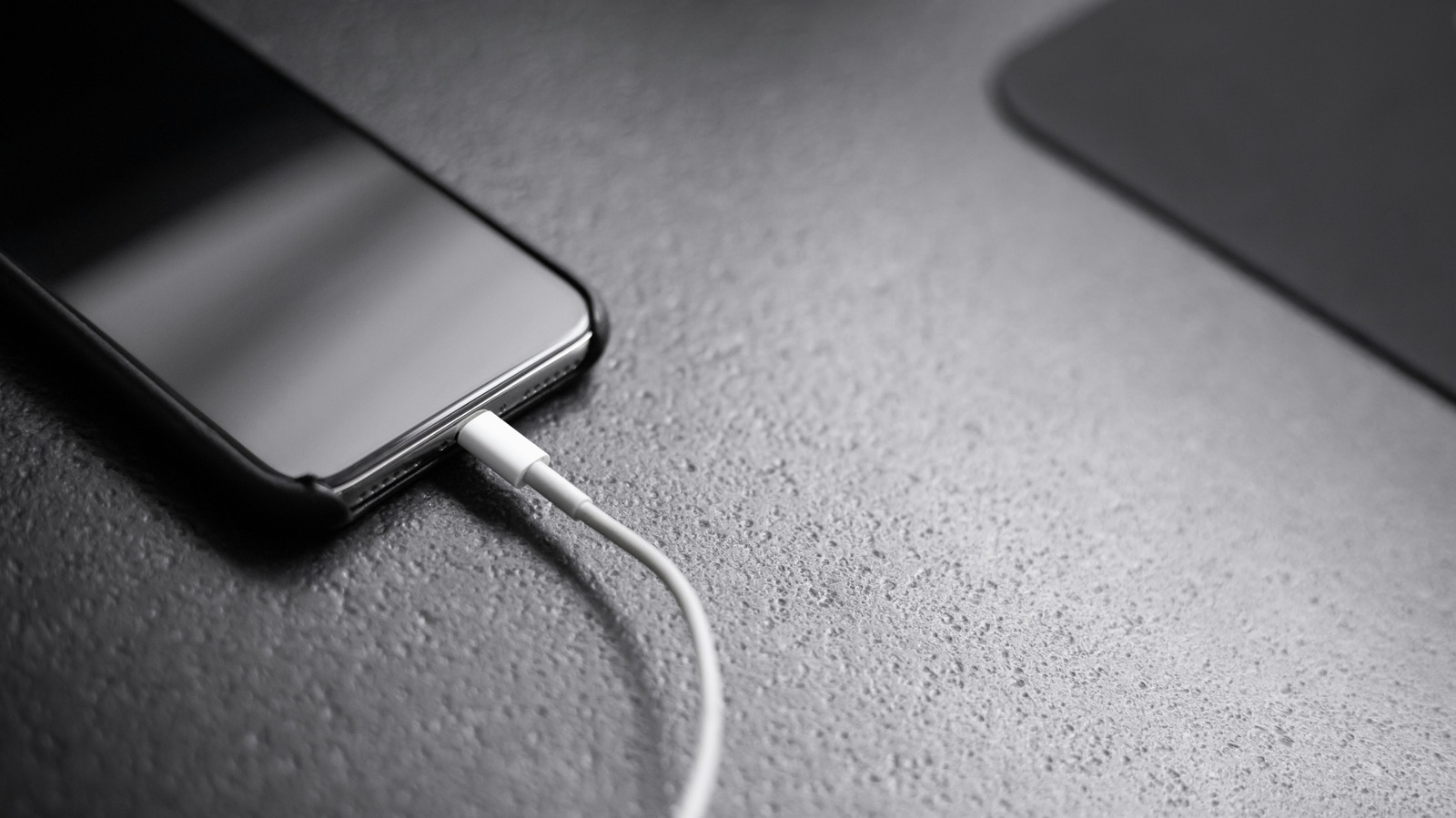
Amidst the proprietary chaos, a hero emerged in the form of USB Power Delivery (USB PD). Developed by the USB Implementers Forum (USB-IF), USB PD is intended to be the universal language of power. It is a communication protocol that allows the charger and the device to "handshake"—a process where they agree on the optimal voltage and current for the specific battery capacity and thermal state of the device.
The Role of USB PD 3.1 and 3.2
The latest iterations of the standard, USB PD 3.1 and 3.2, have pushed the ceiling for power delivery to an astounding 240W. While this is far more than any smartphone requires, it is essential for the laptop and high-end workstation market. However, for mobile handsets, the industry has gravitated toward a sub-feature known as PPS (Programmable Power Supply).
PPS is the gold standard for modern Android flagships, including the Samsung Galaxy S26 and the Google Pixel 11 series. Unlike standard PD, which uses fixed voltage steps, PPS allows for granular, real-time adjustments. By requesting smaller, more precise increments of voltage, the device can maintain peak efficiency while minimizing heat—the primary enemy of lithium-ion battery chemistry.
Why Proprietary Systems Persist
Despite the elegance of USB PD and PPS, companies continue to invest in proprietary technologies. The motivation is twofold: marketing and control. Proprietary standards allow manufacturers to advertise "100W+ charging" as a key differentiator.
However, there is a technical caveat: many of these systems rely on specialized hardware in both the charger and the phone. Using a third-party charger with a phone that relies on a proprietary standard will usually result in the device falling back to a "safe" baseline mode. While this ensures safety, it means the user never achieves the marketed performance. Furthermore, these high-wattage systems often require specific, "smart" cables that contain internal chips to verify that the cable can handle the high amperage without melting or causing a short circuit.
The Myth of Battery Degradation
A common anxiety among consumers is that fast charging destroys battery health. While it is true that lithium-ion batteries have a finite lifespan, the narrative that fast charging is inherently destructive is largely a misunderstanding of modern power management.
Modern smartphones are sophisticated. They do not blindly accept maximum power until they are full. Instead, they use "constant current, constant voltage" (CCCV) charging. When a battery is at 10%, the device will pull high power. As the battery hits the 80% mark, the device’s internal power management chip (PMIC) will throttle the intake to prevent the chemical stress caused by overcharging and excess heat.
Temperature: The True Culprit
The real threat to a battery’s lifespan is not the speed of the charge, but the thermal energy generated during the process. High heat causes the electrolyte inside the battery to break down, leading to a permanent reduction in capacity.
This is why modern manufacturers have implemented advanced heat-management protocols. For example, some devices now allow "bypass charging" during gaming. In this mode, the power from the wall is routed directly to the phone’s processor, bypassing the battery entirely. This prevents the battery from heating up while it sits idle, significantly extending its total cycle life.
Optimizing Battery Longevity: Official Recommendations
Both Apple and Android manufacturers have moved to integrate software-level protection to preserve battery health.
- Apple’s Optimized Battery Charging: By learning your daily routine, the iPhone can delay charging past 80% until you are likely to need the device. For iPhone 15 and later, users can set a hard "80% limit," which prevents the battery from ever reaching the higher voltage states that accelerate aging.
- Samsung and Google’s Adaptive Charging: Samsung’s "Battery Protection" and Google’s "Charging Optimization" features provide similar tools, allowing users to cap charging at 80% or 85%.
The consensus among industry experts is that while you don’t need to fear fast charging, you should be mindful of temperature. Avoid charging your device while it is exposed to direct sunlight, and refrain from leaving your phone in a hot car, regardless of the charging speed.
Implications for the Consumer
So, what is the average user to do in this fragmented landscape? The advice is simpler than the technical jargon suggests.
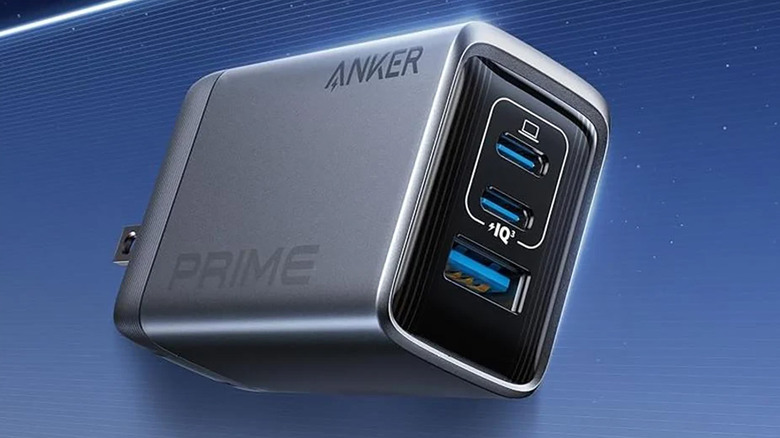
- Prioritize USB-C PD with PPS: If you are shopping for a universal wall adapter, look for a charger that supports both USB PD and PPS. This will ensure compatibility with almost all modern smartphones, tablets, and even lightweight laptops.
- Don’t chase the maximum wattage: While a 100W charger might sound appealing, if your device only supports 30W, the extra capacity will go unused. A high-quality 45W or 65W charger with PPS is the "sweet spot" for most users.
- Use Quality Cables: Not all USB-C cables are created equal. A cheap cable may not support the necessary data protocols for the "handshake" required for fast charging. Always opt for cables that carry the official USB-IF certification.
- Embrace Software Settings: Use your phone’s built-in battery management tools. If you usually charge your phone overnight, there is no benefit to "fast" charging. If your phone supports a "slow" or "optimized" charging mode, use it. It is the single most effective way to ensure your battery lasts for years rather than months.
Ultimately, the "alphabet soup" of charging standards is a byproduct of an industry struggling to balance the demand for convenience with the physical limitations of battery chemistry. While the marketing might be confusing, the goal remains the same: getting you back to 100% as safely and efficiently as possible. By investing in a high-quality, universal charger and utilizing your phone’s built-in health features, you can navigate the fast-charging revolution without worry.