

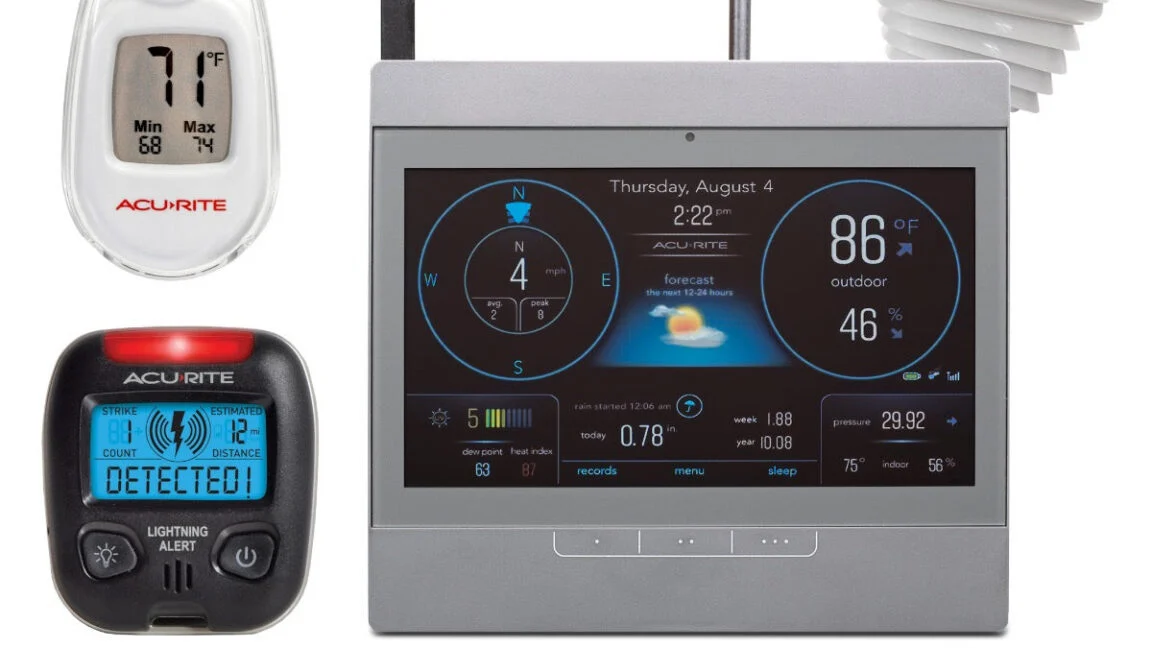
For years, home weather enthusiasts have relied on the My AcuRite ecosystem to monitor local atmospheric conditions, track climate trends, and contribute to broader weather-monitoring networks. However, a significant digital transition is currently underway as AcuRite moves to consolidate its services under the new "AcuRite NOW" platform. This migration has sparked debate, confusion, and vocal frustration among a loyal user base that feels their long-term investment in hardware is being compromised by a forced software sunset.
The Core Conflict: Legacy Systems vs. Modern Infrastructure
At the heart of the transition is a fundamental shift in technological architecture. According to company leadership, the decision to shutter the original My AcuRite app and its accompanying web dashboard was not a choice made lightly, but a technical necessity driven by the realities of modern software maintenance.
AcuRite executive team member Bovee, addressing concerns raised on platforms like Reddit and various weather-tracking forums, has been candid about the "unsustainability" of the current dual-app approach. "The technology behind My AcuRite is obsolete and can no longer be maintained," Bovee stated.
The rationale provided by the company rests on four pillars: security, compatibility, scalability, and cloud hosting costs. In the rapidly evolving landscape of mobile operating systems (iOS and Android), an application is never a static product. It requires constant iteration to remain compatible with new API updates, security patches, and backend server architecture. Maintaining two separate ecosystems—the legacy "My AcuRite" and the modern "AcuRite NOW"—places an untenable burden on the company’s engineering resources.
"Even if [My AcuRite] continues to function for many users, the underlying systems require ongoing maintenance, updates, hosting, monitoring, security support, and compatibility work as phones, operating systems, cloud services, and third-party integrations continue to change," Bovee explained. For AcuRite, the choice was between investing in the future of the platform or spreading resources thin to prop up a foundation that is effectively crumbling.
A Chronology of the Transition
The timeline of this transition reflects the broader challenges hardware companies face when they pivot to software-as-a-service (SaaS) models.
- The Legacy Era: For years, the original My AcuRite app served as the gold standard for hobbyist meteorologists. Its web-based dashboard allowed for granular data analysis on desktop browsers, a feature highly prized by those who maintain detailed historical climate records.
- The Announcement of Change: AcuRite announced the sunset of the legacy platform, signaling that all users would eventually need to migrate to the new AcuRite NOW environment.
- The Web Dashboard Disconnect: Alongside the app deprecation, the company deactivated the web-based portal. This move caught many users off-guard, as it effectively severed the ability to manage professional-grade stations through a desktop interface.
- The "AcuRite NOW" Rollout: The current phase involves the migration of legacy hardware into the modern framework. The company claims to have invested significant capital to ensure that older weather stations remain compatible with the new infrastructure, aiming to prevent the obsolescence of the physical hardware itself.
The Disappearing Dashboard: A Point of Contention
Perhaps the most significant source of friction for the user community is the temporary loss of the browser-based dashboard. In the professional and prosumer weather community, the ability to view data via a browser is not a luxury—it is a functional requirement.
Bovee addressed this limitation by explaining the interconnected nature of the legacy system: "Because the web dashboard, mobile app, cloud services, and device connections were all tied to the same older system, browser access cannot be maintained separately once the platform is retired."
This explanation, while technically sound, has done little to soothe users who rely on the dashboard for data export, high-level analysis, and home automation integration. The company has confirmed that a new web-based dashboard for AcuRite NOW is in active development. However, the lack of a firm release date remains a primary pain point. Without a concrete timeline, users are left in a state of uncertainty, forcing many to look toward third-party software solutions or, in some cases, to abandon the AcuRite ecosystem entirely in favor of competitors that offer more robust web-based support.
Supporting Data and User Sentiment
The sentiment within the user community, as seen on dedicated subreddits like r/myweatherstation, is a complex mix of brand loyalty and intense frustration. Many users feel that their data-gathering efforts—which often span years—are at risk.
When a company forces a platform migration, the primary fear is not just the loss of the app, but the loss of historical data and the potential for "bricked" hardware. AcuRite’s attempt to bridge this gap by migrating legacy stations to the new platform is a move designed to preserve the longevity of their hardware. As Bovee noted, the company went to "great expense" to ensure that these legacy stations could communicate with the new, more secure cloud infrastructure.
However, data migration in the IoT (Internet of Things) space is rarely seamless. Users have reported issues with sensor re-pairing, data gaps during the transition, and a UI/UX in the new app that some perceive as lacking the depth of the original.
Official Response: Addressing the Friction
AcuRite acknowledges that the transition has been far from perfect. In an official capacity, the company is attempting to walk a fine line between defending their strategic technical decisions and acknowledging the lived experience of their customers.
"We know the move to AcuRite NOW has not been as smooth as some customers expected, and we understand the frustration that creates," Bovee stated. "We’re not dismissing that feedback."
This acknowledgment is paired with a plea for patience. The company’s stated goal is to earn back the trust of its user base by iterating on the AcuRite NOW platform. By consolidating their engineering talent into a single platform, they argue they can deliver features faster and provide a more secure environment for user data in the long run. The company views this transition as a necessary "painful growth phase" that will ultimately result in a superior, more reliable product.
Long-Term Implications for the Home Weather Market
The AcuRite situation highlights a larger, industry-wide challenge: the "subscription and service" trap. In the past, a weather station was a standalone device that provided data for as long as its batteries lasted. Today, a weather station is an edge-computing device that relies on cloud services to exist.
1. The Death of "Set and Forget"
The modern era of smart home technology has effectively killed the "set and forget" model. As long as hardware is tethered to a cloud platform, it is subject to the platform owner’s business decisions. This creates a reliance that can be terminated or altered at any time.
2. Software as a Liability
For manufacturers like AcuRite, the software is now the most expensive part of the product. The hardware costs are fixed at the point of sale, but the software costs are a permanent, recurring drain. This forces companies to decide between charging for the service or periodically sunsetting old tech to keep costs under control.
3. The Need for Open Protocols
The frustration expressed by the AcuRite community underscores the growing demand for open-standard communication protocols. Users are increasingly wary of "walled gardens" and are trending toward hardware that can report to multiple platforms (such as Weather Underground or personal servers) simultaneously. This allows users to retain their data even if a manufacturer changes their primary app or shutters their service.
Conclusion: A Path Forward
The transition to AcuRite NOW is a high-stakes gamble for the company. By forcing users into a new ecosystem, they risk losing the very enthusiasts who have acted as the company’s most vocal advocates for years. However, from a purely technical standpoint, the obsolescence of the old platform was an inevitability.
The success of this transition will not be determined by the technical justifications provided by management, but by the tangible experience of the end-user. If the new web dashboard arrives quickly and restores the analytical capabilities that power-users demand, and if the app stability improves, the current friction may be remembered as a difficult but necessary evolution. If, however, the platform remains stagnant or continues to suffer from stability issues, the migration may end up driving a significant portion of the user base toward more flexible, open-architecture competitors.
For now, the message from AcuRite is clear: the old ways of maintaining software are no longer viable in a world of ever-shifting digital security requirements. The company is betting that, in the long run, the stability and security of the new platform will prove worth the short-term inconvenience. Whether the customers agree will depend on the speed and quality of the updates that follow in the coming months.









No comments yet. Be the first to join the conversation!