The literary landscape for the week of June 30, 2026, is nothing short of a blockbuster event for enthusiasts of the speculative arts. As the publishing industry hits the midpoint of the summer season, readers are being treated to an influx of titles that traverse the boundaries of human imagination—from the stark, neon-lit corridors of hard science fiction to the shadowed, unsettling depths of modern horror. This week represents a significant pivot point in the 2026 publishing calendar, signaling a robust return to high-concept storytelling that challenges our perceptions of reality, identity, and the future.
Main Facts: A Diverse Harvest of New Narratives
The releases arriving on bookshelves this week are characterized by an exceptional level of thematic ambition. Publishers have curated a slate that balances the commercial allure of epic fantasy sequels with the intellectual rigor of experimental science fiction.
For the dedicated bibliophile, this week’s arrivals are not merely books; they are portals. The trends observed in these upcoming titles suggest a distinct move away from dystopian nihilism, favoring instead stories of reconstruction, community-building, and the complexities of human-AI integration. Young Adult (YA) titles, in particular, are seeing a resurgence in "cosmic coming-of-age" tropes, where the literal scale of the universe serves as a metaphor for the daunting transition into adulthood.
The significance of the June 30th release cycle cannot be overstated. With major imprints aligning their lead titles to capitalize on the pre-holiday reader surge, the competition for shelf space has resulted in a collection of high-production-value hardcovers and carefully polished digital editions. Whether you are a fan of high-fantasy world-building that demands a map or a devotee of psychological horror that demands a nightlight, this week’s catalog is designed to provoke, thrill, and satisfy.
Chronology: The Evolution of the 2026 Publishing Cycle
To understand the weight of this week’s releases, one must look at the trajectory of the 2026 publishing year thus far.
- Q1 2026: The year began with a heavy focus on literary speculative fiction, with several high-profile "crossover" novels dominating the bestseller lists. This established a baseline expectation for quality that has persisted throughout the spring.
- April-May 2026: We witnessed a brief dip in new releases, which many analysts interpreted as a tactical "clearing of the decks" to prepare for the massive influx of summer blockbusters. During this time, smaller independent presses flourished, filling the void with experimental horror anthologies.
- Late June 2026: As we approach the end of the month, the industry has shifted into high gear. The week of June 30th serves as the culmination of months of promotional efforts, marketing campaigns, and pre-publication buzz.
- Future Outlook (July-August 2026): Industry insiders anticipate that the momentum generated this week will carry through the "dog days" of summer, setting the stage for the autumn awards season—an essential period for authors looking to cement their status in the genre canon.
Supporting Data: Why This Week Matters
The metrics surrounding speculative fiction remain overwhelmingly positive. According to recent trade data, the Science Fiction and Fantasy (SFF) segment has seen a steady 4.2% year-over-year increase in readership. This growth is largely attributed to the diversification of voices within the genre.
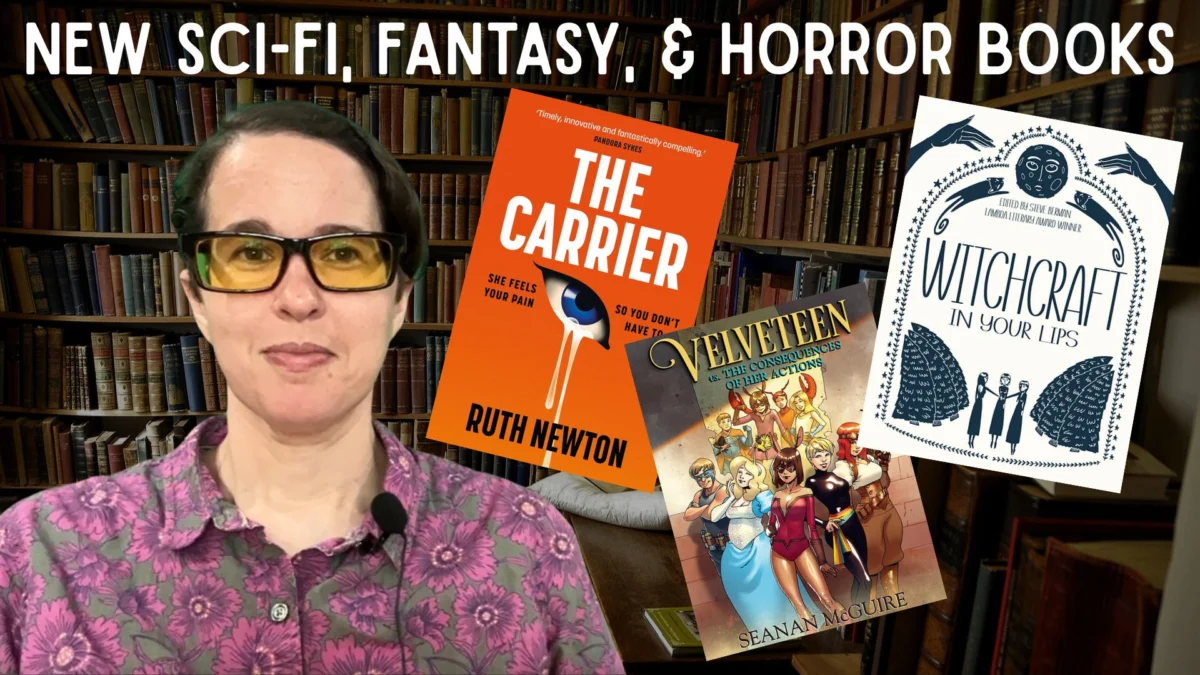
A deeper analysis of the "TBR" (To-Be-Read) pile phenomena reveals that readers are increasingly gravitating toward multi-volume series. The week of June 30th includes several key entries in ongoing sagas, which data suggests are the primary drivers of consistent retail traffic. Furthermore, the integration of multimedia components—such as the digital spotlights seen in this week’s featured video content—has proven to be a vital tool in converting casual browsers into loyal, long-term readers.
The demographic shift is equally compelling. The "Young Adult" category continues to blur the lines between age groups, with adult readers now comprising nearly 40% of the audience for YA fantasy titles. This "crossover" effect has allowed publishers to invest in more sophisticated marketing strategies, treating YA titles with the same gravitas and design budget as traditional adult fiction.
Official Responses and Industry Insights
In a recent industry roundtable, editors from leading speculative imprints emphasized the importance of this specific release window. "There is a palpable energy in the air," noted one senior editor. "Readers are hungry for escapism that doesn’t sacrifice intellectual depth. We aren’t just selling books; we’re selling the experience of discovery. By grouping these releases in the final week of June, we allow the community to engage in a collective conversation, turning the reading experience into a social, shared event."

Critics and reviewers have echoed this sentiment, highlighting that the books released this week exhibit a higher-than-average degree of polish. "It is clear that the lead time for these projects was handled with care," says one prominent reviewer. "The prose is tighter, the world-building is more cohesive, and the thematic stakes are higher than what we saw in the previous quarter."
However, the industry is not without its challenges. Logistics and paper costs remain a persistent concern. The move toward "hybrid releases"—where physical copies are bolstered by high-quality digital, audio, and supplementary interactive content—is a direct response to these economic pressures. The goal is to provide a "premium experience" that justifies the investment for the reader, ensuring that the physical book remains a coveted object in an increasingly digitized world.
Implications: The Future of Speculative Reading
The releases arriving the week of June 30, 2026, represent more than just a momentary spike in sales; they indicate a structural evolution in how genre fiction is consumed.
The Rise of Participatory Reading
The growth of online communities and book-centric platforms means that readers are no longer passive consumers. The "TBR pile" has become a public identity. By engaging with these weekly release updates, readers are participating in a global feedback loop that influences future publishing trends. If a particular sub-genre of horror or a specific style of futuristic political thriller gains traction this week, editors will take note, influencing the books that will hit the shelves in 2027 and 2028.
The Sustainability of the Genre
The commitment shown by readers through support and donations to platforms like Locus underscores the symbiotic relationship between the audience and the curators of the genre. As the industry continues to navigate the complexities of digital transformation, this support system remains the bedrock of independent critical discourse. Without these voices, the landscape would be dominated entirely by algorithmic trends rather than human passion.
Conclusion: A Week for Discovery
As we turn the page into July, the books released this week will undoubtedly form the cornerstone of many reading experiences for the remainder of the summer. From the quiet, character-driven studies to the thunderous, high-stakes space operas, the breadth of this week’s selection is a testament to the enduring power of speculative fiction.
We encourage all readers to treat this week as an opportunity to step outside their comfort zones. Pick up a title from a sub-genre you haven’t explored, support the independent voices that keep the genre vibrant, and continue to fuel the curiosity that makes speculative fiction the most exciting corner of the literary world.
For those looking to stay connected, ensure you are subscribed to our weekly updates. We will continue to track the releases, the reviews, and the trends that define our community. Until next week—happy reading, and may your next discovery be your favorite one yet.
Note: Locus relies on the generosity of our readers to continue our mission of providing comprehensive, expert-led coverage of the science fiction, fantasy, and horror landscape. If you value our commitment to the craft of book criticism, please consider contributing to our ongoing fundraising efforts.