

The landscape of personal computing is undergoing its most significant shift in half a decade. When Apple unveiled the MacBook Neo—a $599 machine that defied expectations by offering premium build quality and high-performance silicon at an entry-level price—it sent shockwaves through the industry. For years, the sub-$700 market was dominated by plastic-clad, underpowered Windows laptops. The MacBook Neo effectively erased that status quo, forcing legacy manufacturers to reconsider their entire value proposition.
Today, the industry is witnessing a two-pronged counter-offensive. Dell has fired the first shot in the hardware war with a revamped, ultra-premium XPS 13, while Nvidia has launched a direct assault on Apple’s silicon dominance with its new "RTX Spark" chip. This convergence of hardware design and specialized AI architecture signals a new, more competitive era for the PC market in 2026.
Chronology of the Shift: From Stagnation to Disruption
The current climate is the result of a long-simmering tension between Apple’s proprietary vertical integration and the fragmented Windows ecosystem.
- Early 2026: Apple disrupts the entry-level market with the MacBook Neo. By utilizing advanced manufacturing techniques, Apple brought its renowned anodized aluminum unibody design to a price point previously reserved for budget-tier machines.
- Spring 2026: Initial reviews of the MacBook Neo highlight its "no-compromise" approach, leading to a surge in consumer demand and intense pressure on Microsoft’s hardware partners to match the hardware-to-price ratio.
- June 2026: Dell pivots its strategy, fast-tracking the development of a thin-and-light XPS 13 designed specifically to compete with the Neo’s portability and aesthetic appeal.
- Late June 2026: Nvidia announces the RTX Spark, a "superchip" aimed at bringing desktop-grade AI processing to thin-and-light laptops, challenging the efficiency and power of the Apple Silicon M-series chips.
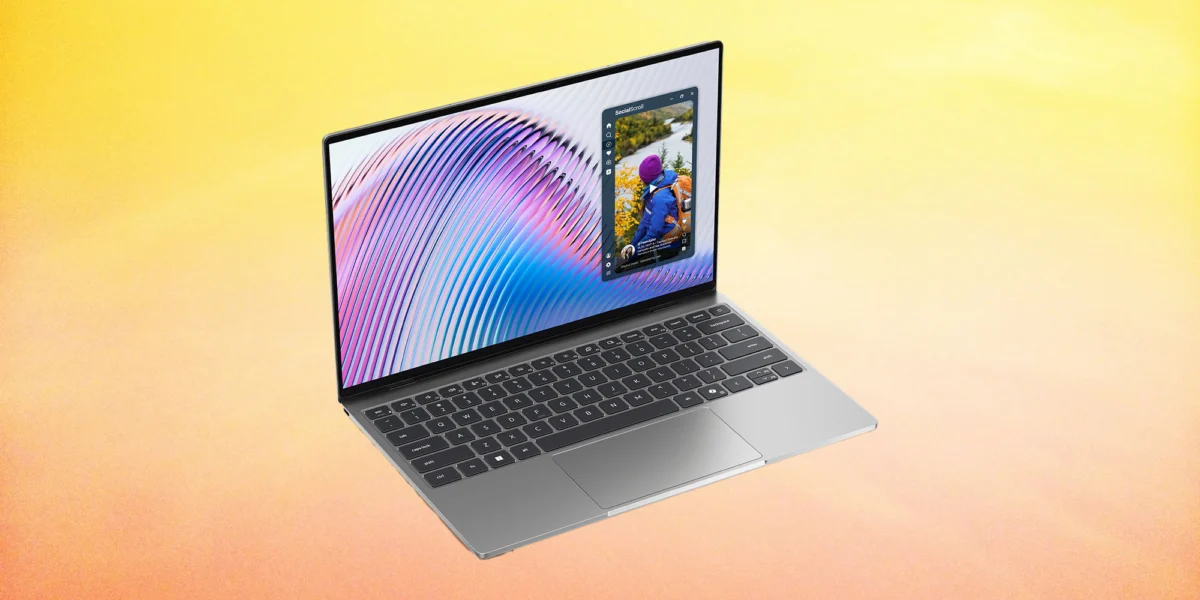
Dell’s Strategic Counter: The XPS 13 Refined
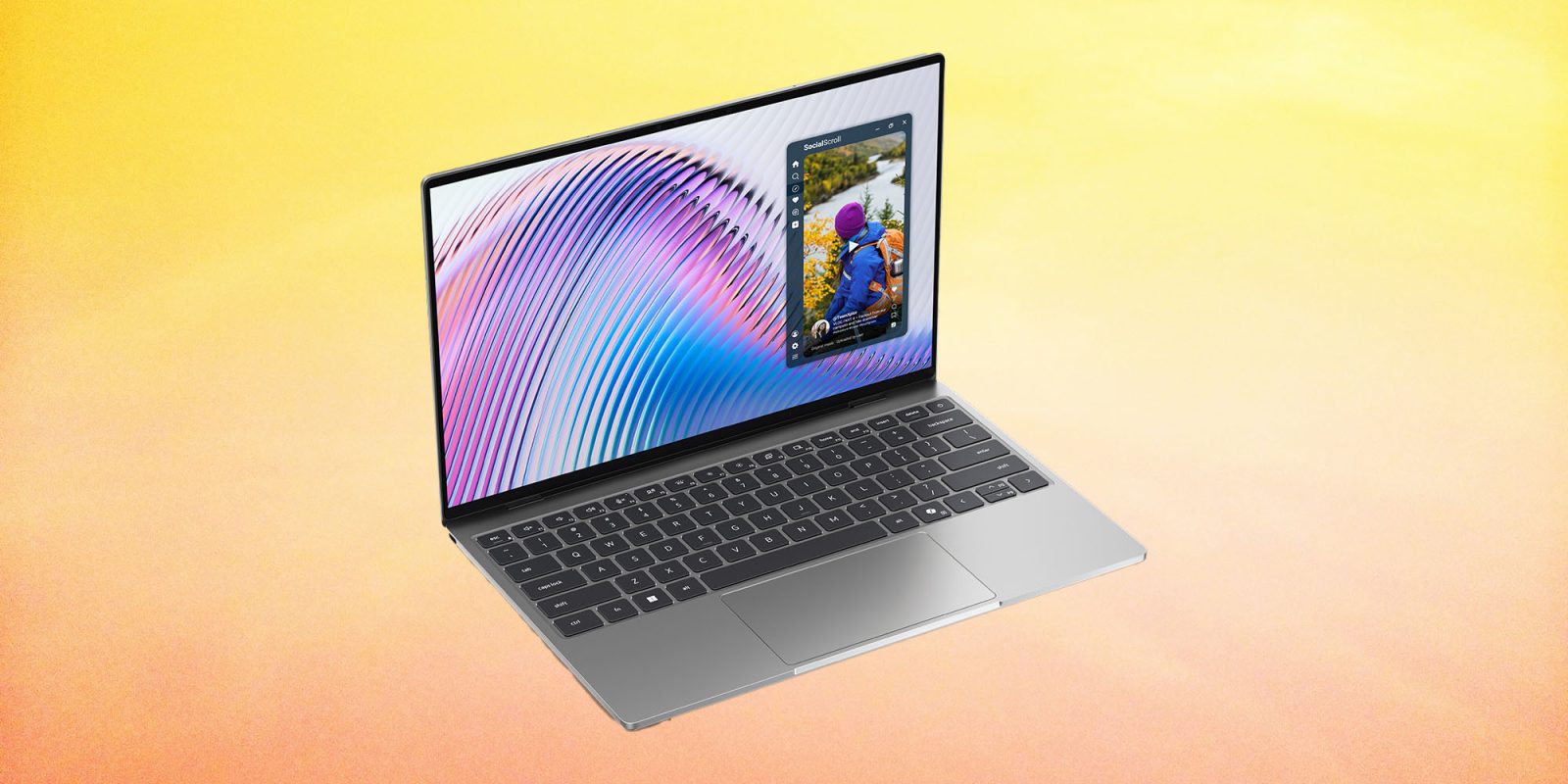
Dell’s response to the MacBook Neo is not merely a spec bump; it is a fundamental shift in their design philosophy. According to reports from The Next Web, the new XPS 13 is the thinnest and lightest iteration of the line ever produced, weighing in at a mere 2.2 lbs (0.9 kg) with a thickness of just 0.5 inches (12.7 mm).
While the base retail price sits at $699—a $100 premium over the MacBook Neo—Dell has strategically introduced a $599 student discount, effectively mirroring Apple’s price point for the target demographic most likely to be swayed by the Neo.
Beyond the price parity, Dell has leveraged a key differentiator: the touchscreen. While Apple remains committed to its traditional trackpad-and-keyboard interface for macOS, Dell is banking on the versatility of touch inputs. Furthermore, the use of high-grade aluminum rather than the industry-standard plastics for this price tier suggests that Dell is prioritizing "perceived quality" to erode Apple’s lead in the consumer mindset.

Nvidia’s RTX Spark: The AI "Superchip" Gambit
Perhaps more significant than the chassis wars is the battle for the "brain" of the laptop. Since the debut of the M1 chip, Apple has enjoyed a reputation for superior power efficiency and thermal performance. Intel and AMD have struggled to maintain the same performance-per-watt balance in portable form factors.
Enter the Nvidia RTX Spark. As reported by BBC News, Nvidia is positioning this chip as the catalyst for the "Personal AI Agent" era. Unlike traditional CPUs, the RTX Spark is designed as a heterogeneous computing platform that prioritizes local AI execution. Nvidia claims the chip moves the computer from a mere "tool" to an active "teammate," capable of handling complex generative AI tasks, real-time language processing, and advanced productivity automation without relying on cloud-based latency.
The chip is scheduled to debut this fall across a massive coalition of manufacturers, including Asus, HP, Lenovo, and Microsoft. By aligning with these giants, Nvidia is attempting to create a standardized "AI-ready" hardware ecosystem that mirrors the seamless integration Apple has historically enjoyed.
Supporting Data: Comparing the Contenders
To understand the scale of this competition, one must look at the technical requirements of the modern user in 2026.
| Feature | MacBook Neo | Dell XPS 13 (2026) |
|---|---|---|
| Chassis | Anodized Aluminum | Anodized Aluminum |
| Weight | ~2.3 lbs | 2.2 lbs |
| Display | High-Res Retina | High-Res Touchscreen |
| Processor | Apple Silicon | Nvidia RTX Spark |
| Entry Price | $599 | $699 ($599 for students) |
The data reveals that the gap between premium Windows hardware and the MacBook has effectively closed. Where the Windows market previously suffered from "budget compromises," the new XPS 13 and the upcoming RTX Spark-powered machines represent a return to high-end engineering at accessible price points.
Official Responses and Industry Sentiment
The industry response to these developments has been one of cautious optimism. Analysts note that Microsoft, which has been closely monitoring the success of the MacBook Neo, is reportedly incentivizing its manufacturing partners to prioritize the "Thin & AI-Ready" form factor.
A spokesperson for Dell noted during their launch event: "The era of the plastic laptop is over. Consumers demand the same tactile experience regardless of the device’s price point. Our collaboration with partners like Nvidia ensures that the XPS 13 is not just a match for the competition, but a leap forward in the capabilities of what a 13-inch laptop can do for the average user."
Conversely, Apple has remained characteristically silent on the competition. However, internal reports suggest that the company is accelerating its roadmap for the next generation of Apple Silicon, likely focused on integrating even more aggressive neural engine capabilities to counter the Nvidia RTX Spark’s narrative.
The Implications for the Future of Computing
The emergence of these rivals carries profound implications for the industry.
1. The End of "Good Enough" Hardware:
The MacBook Neo raised the floor for consumer expectations. Manufacturers can no longer rely on budget-conscious buyers to accept poor build quality. This forces innovation, as companies must now compete on aesthetics, sustainability, and material science.
2. The AI-First Architecture:
Nvidia’s move signals that the next "OS War" won’t be fought over windows and menus, but over local AI assistance. If the RTX Spark can deliver a lag-free, privacy-focused AI experience, it could provide a compelling reason for power users to remain within the Windows ecosystem.
3. The Democratization of Performance:
Historically, premium performance was a luxury. With the MacBook Neo and the RTX Spark platforms, we are seeing a "democratization of power." High-speed computing, once the domain of creative professionals, is becoming the baseline for the everyday student and office worker.

9to5Mac’s Perspective: A Win for the Consumer
It is unlikely that the dedicated Apple user—entrenched in the seamless synergy of iCloud, iMessage, and macOS—will be tempted by a Windows machine, even one as sleek as the new Dell XPS 13. However, competition remains the lifeblood of technological progress.
Apple’s dominance in silicon and hardware design has, at times, led to a certain degree of inertia. The pressure now being applied by Dell’s hardware and Nvidia’s AI-focused chips provides the necessary incentive for Apple to continue pushing the boundaries of what its devices can achieve.
Ultimately, the consumer is the clear winner. As the lines between "budget" and "premium" continue to blur, the barrier to entry for high-performance computing is dropping. The battle for the $599 laptop market is no longer a race to the bottom, but a sprint to provide the most value, the best design, and the most intelligent features. Whether you prefer the refined ecosystem of macOS or the rapidly evolving versatility of Windows, the remainder of 2026 promises to be the most exciting period for laptop innovation in recent memory.












No comments yet. Be the first to join the conversation!