Nana
Nana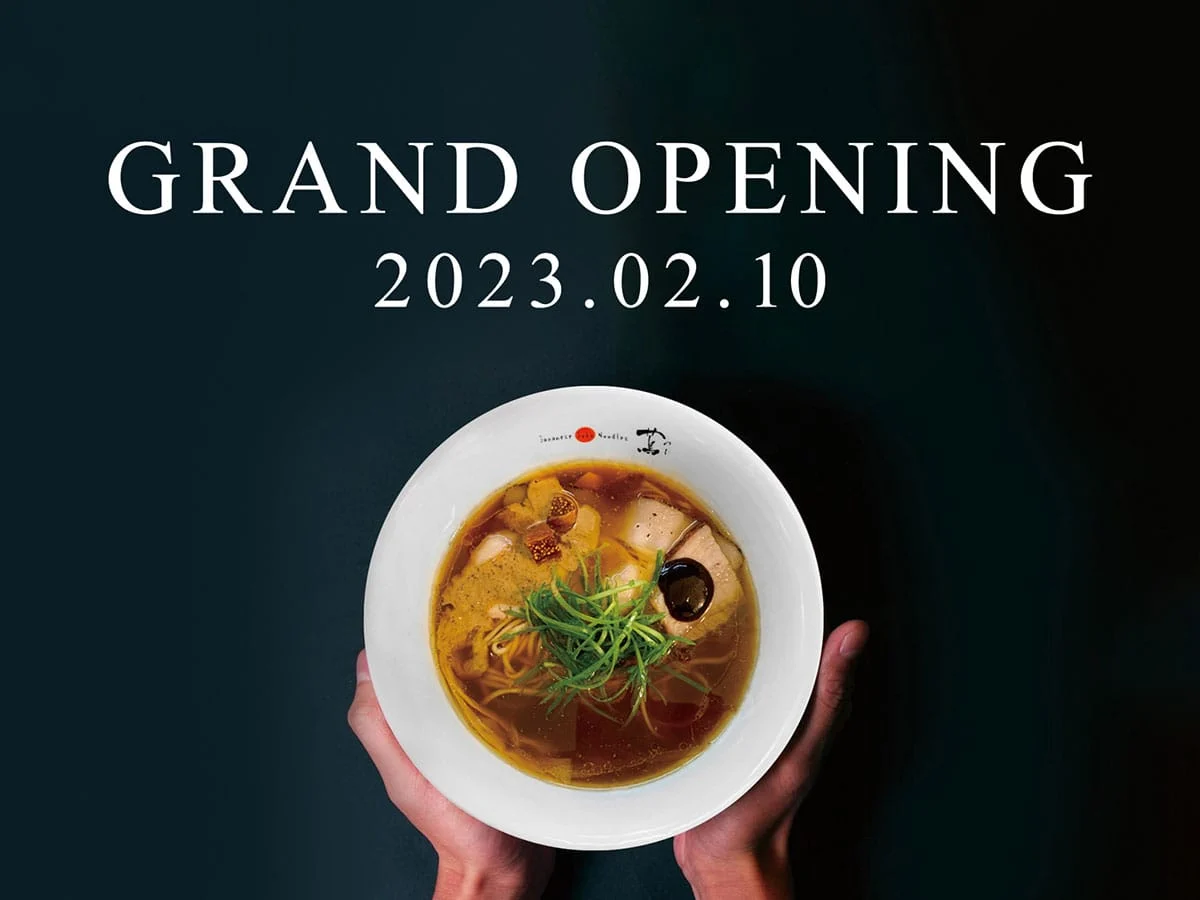
Main Facts: A New Chapter in Tokyo’s Culinary History
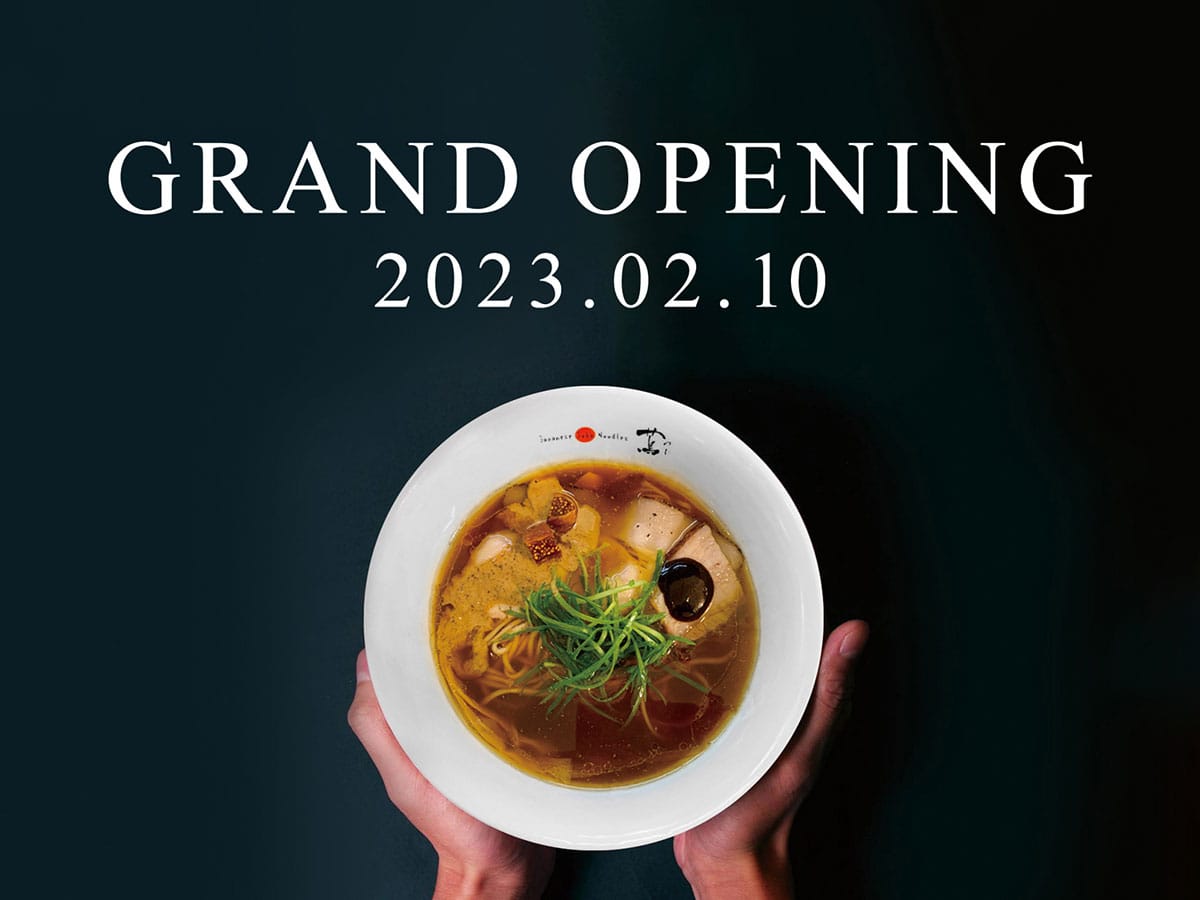
For the global gastronomic community, few names carry as much weight in the humble world of noodle soup as "Japanese Soba Noodles Tsuta." After a period of quietude that left Tokyo’s ramen aficionados in a state of suspense, the legendary establishment—the first ramen shop in history to be awarded a Michelin star—officially announced its grand reopening. Scheduled for February 10, 2023, the restaurant has relocated to the sophisticated and trendy Yoyogi-Uehara neighborhood within Tokyo’s Shibuya Ward.
Operated by Tsutanote, Inc., the rebirth of Tsuta represents more than just a restaurant opening; it is a statement of resilience and evolution. Following its closure in September 2022 due to what the management described as "various reasons," the culinary world speculated on the future of a brand that redefined the boundaries of what a bowl of ramen could achieve. With this relocation, Tsuta is not merely returning to form; it is recalibrating its identity for a new era of global dining.
Chronology: From Sugamo to Global Stardom
The story of Tsuta is one of rapid ascent and unwavering dedication to the craft of the noodle.
- January 26, 2012: The doors first opened in the modest Sugamo district. At the time, the shop was a quiet pioneer, emphasizing a philosophy that elevated ramen to the level of high-end French or Japanese cuisine.
- 2016: A watershed moment for the industry. The Michelin Guide Tokyo awarded Tsuta a star, marking the first time in history that a ramen shop had achieved such a prestigious distinction. This moment shifted the global perception of ramen from a "quick street meal" to a refined, culinary-worthy art form.
- September 2022: In a move that surprised the industry, the shop ceased operations. While details remained sparse, the closure marked the end of an era at their previous location, setting the stage for a strategic pivot.
- February 10, 2023: The grand reopening in Yoyogi-Uehara. This date signifies the shop’s transition into a modern, elevated space designed to facilitate a more intimate connection between the chef’s vision and the diner’s palate.
Supporting Data: The Philosophy of the "Soba" Moniker
The name "Japanese Soba Noodles Tsuta" is not merely a brand; it is a linguistic and historical homage. While the shop serves ramen—a dish with roughly a century of history in Japan—the management deliberately chose the term "Soba" to situate their craft within the broader, centuries-old tradition of Japanese noodle culture.
By identifying as "Soba," the shop asserts its place alongside the deep-rooted legacies of traditional udon and soba, while simultaneously pushing the boundaries of what ramen can be. The core philosophy driving the kitchen is the pursuit of "Umami"—the fifth taste. Tsuta’s approach involves a rigorous, almost scientific obsession with ingredients. They operate under a strict "chemical-free" policy, eschewing artificial flavor enhancers in favor of naturally derived, high-quality components.
The kitchen works in direct partnership with local producers to ensure that every element—from the alkaline content of the noodles to the complexity of the broth—is sourced with transparency and integrity. This commitment to "clean" food is a cornerstone of the Tsuta brand, setting a standard that many other high-end ramen shops have since sought to emulate.

Official Responses and Culinary Vision
In recent statements, the leadership at Tsutanote, Inc. has emphasized that while the location has changed, the soul of the restaurant remains intact. The new menu is described as a "fusion of Japanese Umami culinary culture and global ingredients."
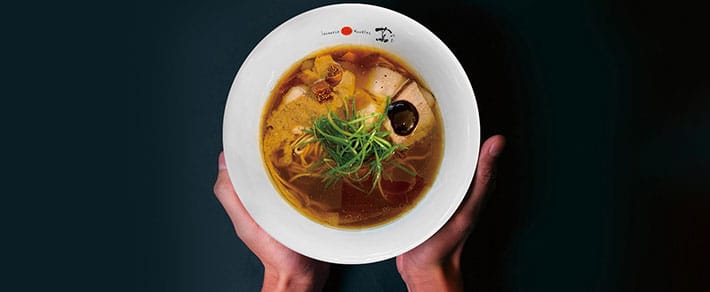
The management has been clear: "The restaurant’s focus on creativity and the unlimited possibilities of ramen will remain unchanged." This suggests that fans of the original Tsuta signature bowls—which often featured experimental elements like truffle oil, balsamic vinegar, or uniquely aged shoyu bases—can expect a continuation of this avant-garde spirit.
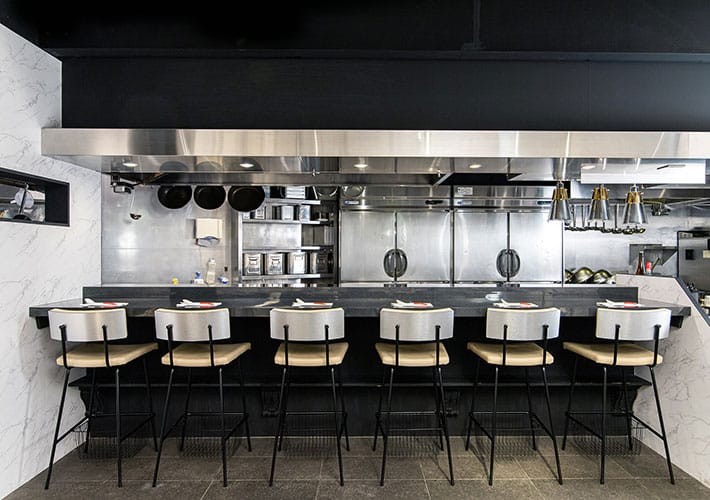
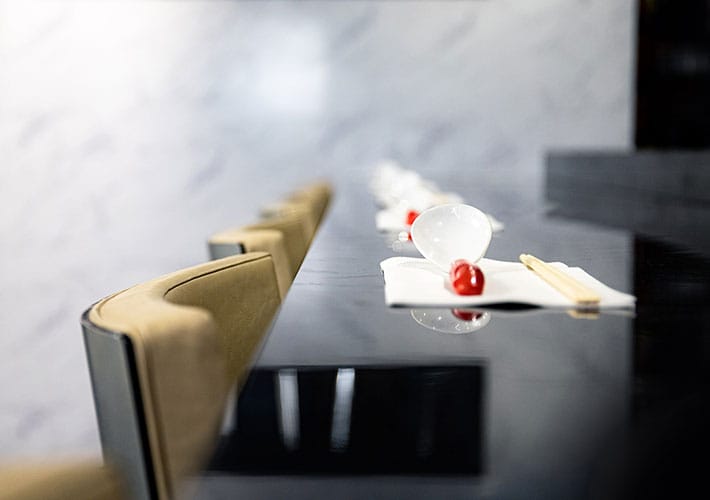
The move to Yoyogi-Uehara is also strategic. Known for its concentration of high-quality bistros and artisanal bakeries, the neighborhood provides a more refined backdrop for a brand that sees itself as a bridge between traditional Japanese craftsmanship and contemporary international gastronomy. The space itself has been designed to reflect this, moving away from the traditional, cramped "counter-only" ramen shop layout toward a more unconventional, spacious environment that prioritizes the comfort of the diner and the focus of the chef.
Implications: What Tsuta Means for the Future of Ramen
The return of Tsuta carries significant implications for the global culinary landscape.
1. The Normalization of High-End Ramen
By consistently maintaining Michelin-level standards, Tsuta has helped normalize the idea that a bowl of noodles can command a higher price point and a more sophisticated dining experience. Their reopening reaffirms that there is a sustainable market for "luxury ramen."
2. The Shift Toward Ingredient Transparency
Tsuta’s move to reject chemical-based additives in favor of pure, natural, and locally sourced ingredients is a trend that is currently reshaping the Japanese restaurant industry. As consumers become more health-conscious and discerning, the "chemical-free" model established by Tsuta is likely to become the new benchmark for excellence.
3. Cultural Preservation and Innovation
The decision to keep the "Soba" moniker while reinventing the menu underscores a delicate balance: preserving the history of Japanese noodle-making while embracing global culinary innovation. This "glocal" approach—applying international techniques to traditional Japanese foundations—is what makes Tsuta a perennial leader in the industry.
4. Urban Culinary Geography
The relocation to Yoyogi-Uehara marks a shift in the "ramen map" of Tokyo. Historically, legendary shops were often tucked into dense, bustling areas. Tsuta’s move into a more residential, upscale neighborhood signals that high-end ramen is becoming a destination dining experience, similar to kaiseki or fine-dining French cuisine, rather than just a quick stop on a commute.
A Legacy Reimagined
As February 10th approaches, the excitement surrounding Tsuta is palpable. For the casual food lover, it is an opportunity to taste a legendary bowl of noodles. For the professional chef, it is a masterclass in how a brand can reinvent itself while staying true to its core tenets.
The team behind Tsuta has proven that even after a hiatus, a brand built on uncompromising quality and a genuine passion for flavor can command the attention of the world. By marrying the ancient Japanese respect for ingredients with a modern, borderless approach to culinary creativity, Tsuta is poised to spend the next decade not just participating in the ramen conversation, but leading it.
The restaurant serves as a reminder that food, at its best, is not just nourishment. It is a dialogue between the producer, the chef, and the customer. In the quiet streets of Yoyogi-Uehara, that dialogue is about to resume, with more depth, complexity, and soul than ever before. Whether one is a seasoned connoisseur or a curious visitor to Japan, the return of Tsuta is an essential event on the global culinary calendar—a testament to the fact that when passion is the primary ingredient, the results are timeless.


 Neng Nana
 Asro
Asro