

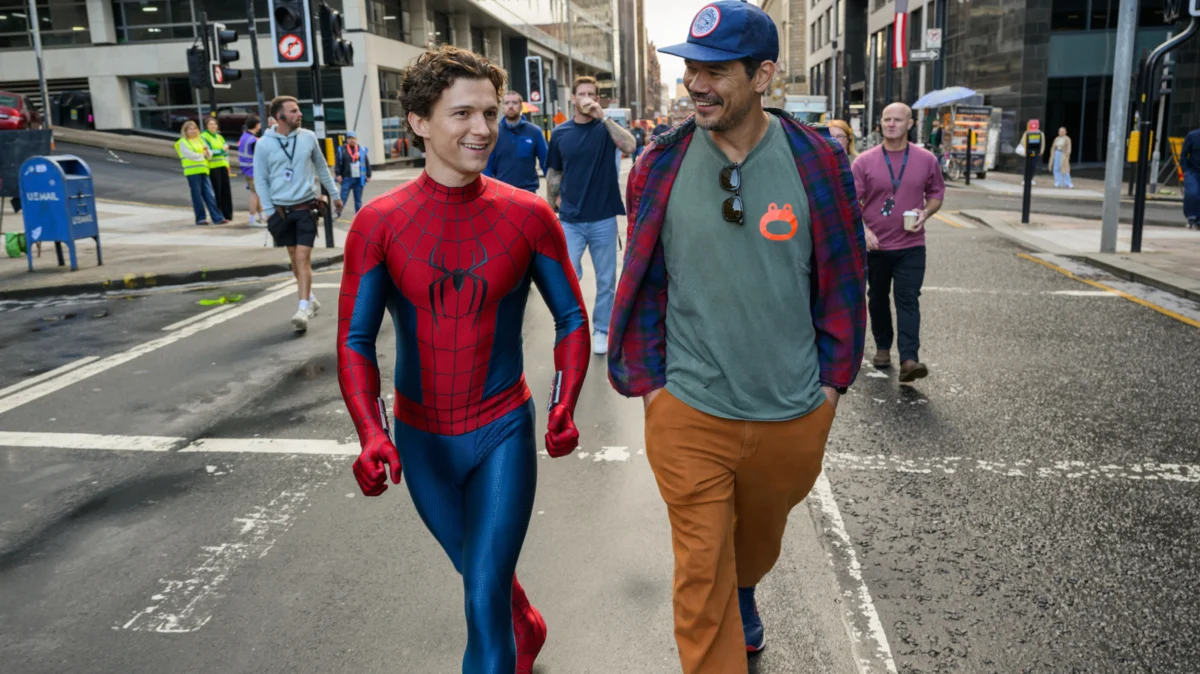
The landscape of superhero cinema is currently navigating its most precarious period since the dawn of the Marvel Cinematic Universe (MCU). For over a decade, audiences were conditioned to expect interconnected sagas, post-credits scenes that promised years of future content, and a relentless release schedule. However, as "superhero fatigue" transitions from a buzzword to a tangible box-office reality, studios are beginning to rethink the "more is more" philosophy.
Among the most significant voices in this shift is legendary producer Amy Pascal, the architect behind the modern Sony-Marvel Spider-Man partnership. With the upcoming release of Spider-Man: Brand New Day, set to hit theaters on July 31, 2026, Pascal is signaling a radical departure from the aggressive expansion plans of the past, emphasizing a "one movie at a time" philosophy that aims to preserve the integrity and "specialness" of Peter Parker’s cinematic journey.
A Chronology of the Sony-Marvel Partnership
To understand the weight of Pascal’s new directive, one must look at the trajectory of the Spider-Man franchise over the last decade.
The Homecoming Era (2017–2019)
Following the deal between Sony Pictures and Marvel Studios, Tom Holland made his debut in Captain America: Civil War before anchoring his own trilogy. This period was characterized by tight integration into the MCU. Fans were thrilled to see Peter Parker interact with Iron Man, and the films served as essential viewing to keep up with the larger Infinity Saga narrative.
The "No Way Home" Peak (2021)
Spider-Man: No Way Home served as a massive, multiverse-spanning event that brought together three generations of cinematic Spider-Men. It was arguably the peak of the "event film" model. Following its astronomical success, the industry consensus was that the partnership would continue on a conveyor belt of sequels. Indeed, in 2021, Pascal herself famously hinted at a second full trilogy for Tom Holland, stating that they were already planning the next three films.
The Pivot (2024–2026)
In the years since No Way Home, the market shifted. The failures of various superhero projects across multiple studios—including lackluster box-office performances for non-Spider-Man titles—have forced producers to reconsider the sustainability of constant, interconnected releases. Brand New Day arrives in 2026 as the first standalone Spider-Man film in five years, a deliberate gap designed to rebuild audience appetite.
The "One Movie at a Time" Doctrine
In a recent interview with SFX Magazine, Amy Pascal outlined the new mandate for the franchise. The era of announcing trilogies years in advance is, at least for now, over.
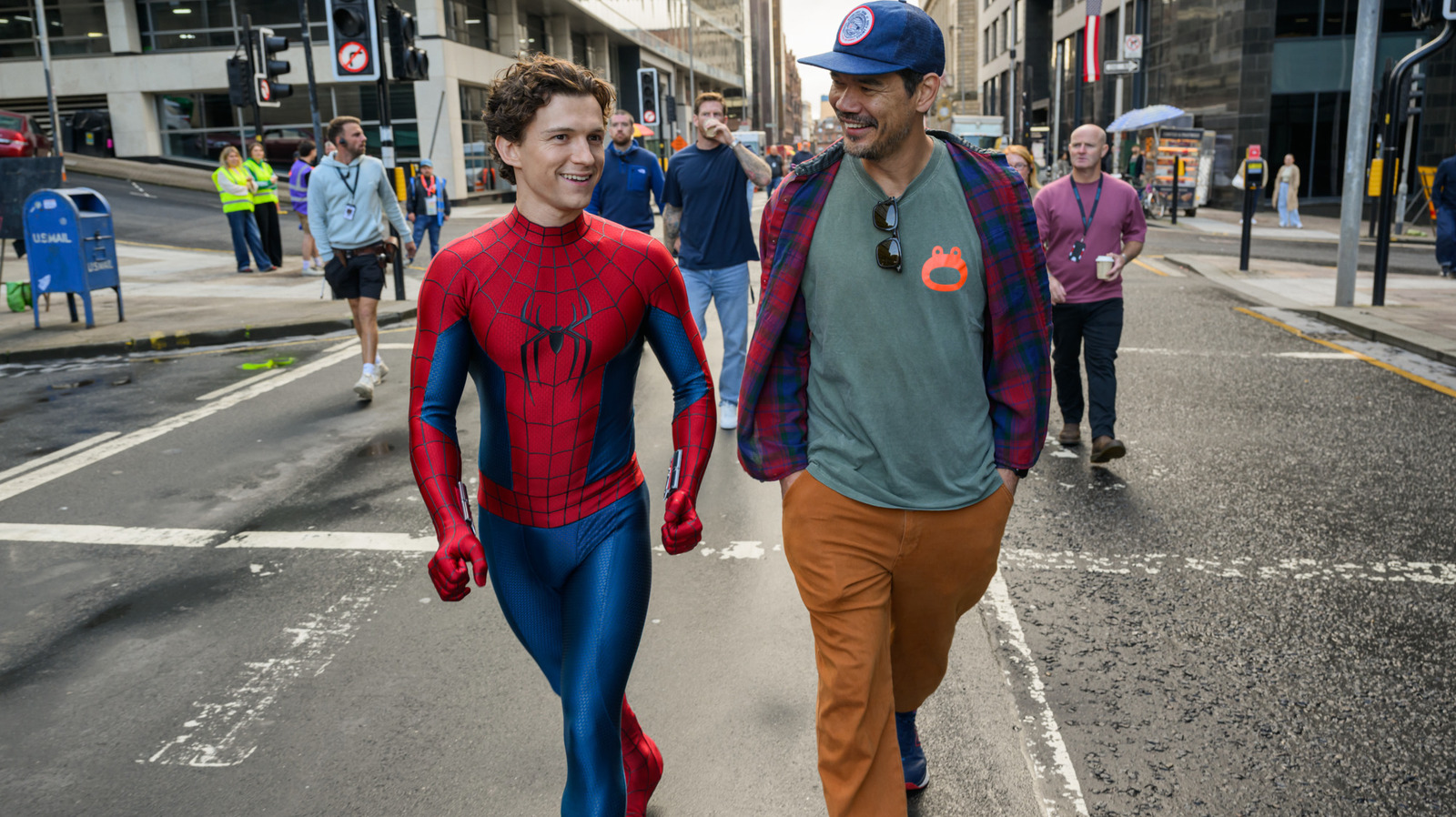
"I never want to be so presumptuous as to say anything is going to be a trilogy or more than one," Pascal stated. "That would be my dream, of course, but you never know. Because the truth is that the rule that we set for ourselves is to take it one movie at a time. It’s important to us that you don’t have to see one movie to see the other movie."
This is a profound admission. By decoupling the necessity of viewing previous entries to understand the current one, Sony is attempting to lower the barrier to entry for casual moviegoers. It is a direct response to the criticism that modern superhero films have become too dense and "homework-heavy" for the average viewer.
Preventing Franchise Fatigue: A Matter of Specialness
The core issue facing modern intellectual property (IP) management is the threat of over-saturation. When a character appears in multiple spinoffs, crossovers, and sequels annually, the sense of occasion—the "specialness"—inevitably erodes.
Pascal addressed this concern with refreshing candor: "You don’t want to just keep exploiting the same character. I think that would make it unspecial for the world. So there are other things in the Spider-Man universe that I think are really fun for us to explore, because the comics were so varied and so creative."
This strategy suggests that while Tom Holland’s Peter Parker remains the centerpiece, the studio is looking to diversify its output. This approach is evidenced by the development of the Spider-Noir series featuring Nicolas Cage and the high-stakes production of the long-delayed Spider-Man: Beyond the Spider-Verse. By spreading the focus, Sony hopes to maintain high quality across the board rather than forcing a singular narrative thread to carry the entire weight of the brand.
Supporting Data: The Changing Box Office Climate
The industry-wide shift is backed by hard numbers. Analyzing the box office performance of recent blockbusters, it becomes clear that audiences are no longer turning up simply because a film belongs to a massive franchise.
- The Decline of the "Mandatory" Viewing: Films that require prior knowledge of deep-cut lore have struggled to capture the general public.
- The "Wait-and-See" Trend: With the rapid transition of theatrical releases to streaming platforms, audiences are increasingly discerning about which films deserve a premium theater experience.
- The Power of Quality over Quantity: Films that stand on their own merits, such as Top Gun: Maverick or Oppenheimer, have outperformed generic franchise entries, suggesting that audiences are craving unique, high-quality experiences rather than "content."
Sony’s decision to wait five years between No Way Home and Brand New Day is a calculated attempt to avoid the "fatigue trap." By creating a vacuum, they are banking on a pent-up demand that will drive opening weekend numbers in 2026.
Official Responses and Strategic Implications
Industry analysts view Pascal’s comments as a sign of maturity in the studio system. For years, the "Marvel model" was viewed as the gold standard of film production. However, as the law of diminishing returns sets in, studios that can pivot toward a more curated approach are likely to survive the current market correction.
Implications for the MCU
The relationship between Sony and Disney’s Marvel Studios remains a complex dance of contracts and creative vision. If Sony’s "one movie at a time" approach proves successful, it may influence how Marvel Studios handles its own phase-based storytelling. We may see a future where the "Saga" model is replaced by smaller, more distinct story arcs that don’t necessarily demand a decade-long commitment from the audience.
The Future of Tom Holland’s Peter Parker
While Pascal mentions the "dream" of another trilogy, the reality is that the decision now rests on the creative quality of Brand New Day. If the film is a critical and commercial success, the studio has the flexibility to move forward. If it fails, the "one movie at a time" rule provides a convenient exit strategy that avoids the public embarrassment of cancelling a pre-announced trilogy.
Conclusion: A New Dawn?
The strategy articulated by Amy Pascal is a direct acknowledgement that the era of "blind loyalty" from superhero fans is fading. By treating each film as a standalone event rather than a link in an endless chain, Sony is attempting to restore the magic of the blockbuster.
As we look toward July 31, 2026, the success of Spider-Man: Brand New Day will be a litmus test for the industry. Will audiences return to the theaters for a grounded, self-contained story? Or has the cultural conversation shifted too far away from the spandex-clad heroes of the 2010s?
Pascal’s approach is one of caution and respect for the audience’s time and investment. By vowing not to "exploit" the character, she is betting that less is indeed more. Whether this leads to a new golden age for the wall-crawler or a slow decline remains to be seen, but one thing is certain: the era of the endless, bloated franchise is officially on notice. The industry is changing, and Sony is making a bold, calculated move to change with it.










