

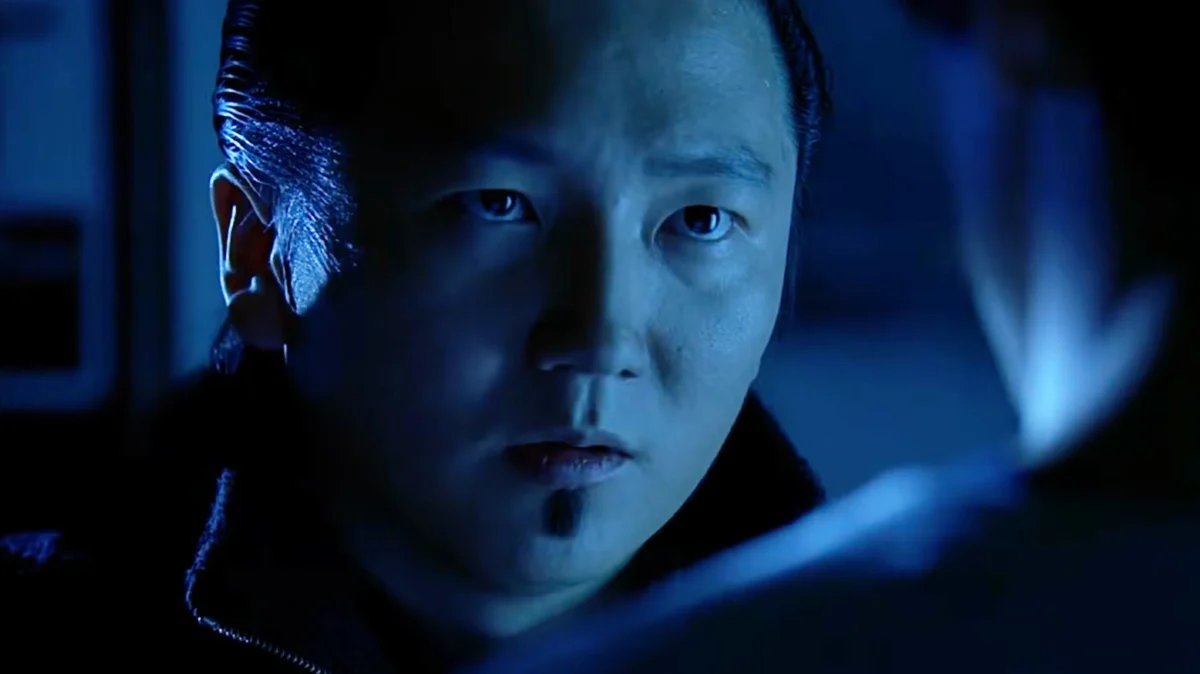
For nearly a decade, the cultural landscape of streaming has been defined by the "Netflix Effect." Time and again, the platform has demonstrated a unique ability to resurrect dormant intellectual property, transforming forgotten broadcast relics into global sensations. From the near-cancellation of Breaking Bad—which found its true audience via binge-viewing—to the dramatic revival of Lucifer and the renewed fervor surrounding Suits, Netflix has mastered the art of the second act. Now, the streamer is betting that lightning can strike once more with a series that helped define the television landscape of the mid-2000s: NBC’s Heroes.
After a ten-year absence from the platform, Heroes has returned to Netflix in the United States and several other major territories. For a generation of viewers, the return of the series offers a chance to revisit the iconic refrain, "Save the Cheerleader, Save the World." For newcomers, it provides a masterclass in serialized storytelling that predates the modern superhero industrial complex.
The Genesis of a Phenomenon: Main Facts and Context
Created by Tim Kring and premiering in 2006, Heroes debuted at a pivotal moment in media history. The landscape of television was shifting, and the appetite for high-concept, serialized dramas was at an all-time high. Heroes arrived on the scene with a premise that felt both grounded and grand: what if ordinary people living in our modern world suddenly developed extraordinary abilities?
Unlike the rigid archetypes of traditional comic books, Heroes opted for a more intimate, character-driven approach. It focused on the human element—the confusion, the terror, and the wonder of discovering one has the power to stop time, teleport, or heal instantly. The ensemble cast was, by any measure, a lightning-in-a-bottle assembly of talent, featuring Hayden Panettiere, Milo Ventimiglia, Masi Oka, Zachary Quinto, and Ali Larter, among many others.
A Chronology of the ‘Heroes’ Trajectory
To understand why the return of Heroes is significant, one must examine its turbulent history within the television ecosystem.
The Golden Age: Season 1 (2006-2007)
The first season remains one of the most celebrated runs of television in the 2000s. It was a cultural juggernaut, praised for its tight narrative, ambitious VFX, and the menacing presence of Zachary Quinto’s Sylar. The story of disparate individuals converging on a singular, cataclysmic event in New York City felt urgent and inevitable. It utilized the visual language of comic books, even incorporating original artwork by legendary artists Tim Sale and Alex Maleev, which gave the show an aesthetic authenticity that few modern shows have managed to replicate.
The Strike and the Decline: Seasons 2-4 (2007-2010)
The trajectory of Heroes is often cited as a cautionary tale in television production. The second season, which debuted in 2007, was immediately hampered by the WGA Writers’ Strike. With production halted and the narrative arc fractured, the show struggled to regain its footing. Only 11 episodes were produced for that season, leaving major plot points abandoned or rushed.
As the series progressed into its third and fourth seasons, it faced an identity crisis. It attempted to expand its mythology, but it lacked the singular, cohesive focus of its freshman year. While it continued to provide occasional highlights—such as the introduction of Željko Ivanek’s "The Hunter" and the television debut of a young Sydney Sweeney in Season 4—the magic of the first season proved elusive. By the time the show concluded in 2010, its viewership had dwindled, and the "mystery box" style of storytelling, popularized by Lost, had lost its luster.
Supporting Data: Why It Still Matters
The enduring appeal of Heroes lies in its defiance of cynical tropes. In an era where superhero content often feels obligated to explain its own internal logic, Heroes simply existed. It treated its characters’ powers as extensions of their personalities rather than mere plot devices.
Statistically, the show was a titan in its prime. At its peak, the pilot episode drew over 14 million viewers, a number that would be considered a monumental success in today’s fragmented streaming market. Furthermore, the show’s legacy is woven into the DNA of the modern MCU and DCU eras. It proved that audiences were hungry for long-form, interconnected superhero narratives, effectively paving the way for the wave of genre television that followed in the 2010s.
Industry Shifts and Official Perspectives
The return of Heroes to Netflix is not merely a nostalgic gesture; it is a symptom of a broader shift in the streaming economy. During the "Streaming Wars," studios were fiercely protective of their intellectual property, pulling titles from third-party platforms to bolster their own nascent services. However, the current economic reality—characterized by a desperate need for consistent revenue—has led to a reversal of this strategy.
Studios are once again looking to license their high-performing legacy content to the highest bidder. Netflix, with its massive global reach and sophisticated recommendation algorithms, remains the preferred destination for these titles. For NBCUniversal, licensing Heroes to Netflix is a calculated move to maximize the value of an asset that had been gathering dust in their digital vaults. This trend of "de-exclusivity" is likely to continue as media conglomerates prioritize profitability over the illusion of complete library exclusivity.
Implications: A Second Life for ‘Heroes’
The implications of Heroes returning to the streaming spotlight are twofold.
First, it offers a diagnostic tool for audiences. Can a show that was defined by its "peak" first season sustain interest in an era of binge-watching? Because Heroes functioned as a series of distinct, comic-book-inspired "volumes," it is actually better suited for the modern binge model than it was for the traditional weekly broadcast format. Viewers can now consume the stellar first season as a complete, cinematic narrative, effectively sidestepping the later decline that plagued its initial run.
Second, it highlights the changing value of "IP." Heroes represents a brand that is still widely recognized. By placing it back in front of millions of subscribers, NBCUniversal is effectively testing the waters. Should the show find a significant second-wind audience—as Suits did—it opens the door for potential revivals, reboots, or spin-offs that the studio might have otherwise deemed too risky.
Final Verdict: Should You Watch?
Even in an oversaturated market where audiences are inundated with superhero content, Heroes retains a unique, visceral appeal. It does not feel like a product of a corporate mandate; it feels like a genuine attempt to translate the soul of a graphic novel into live-action.
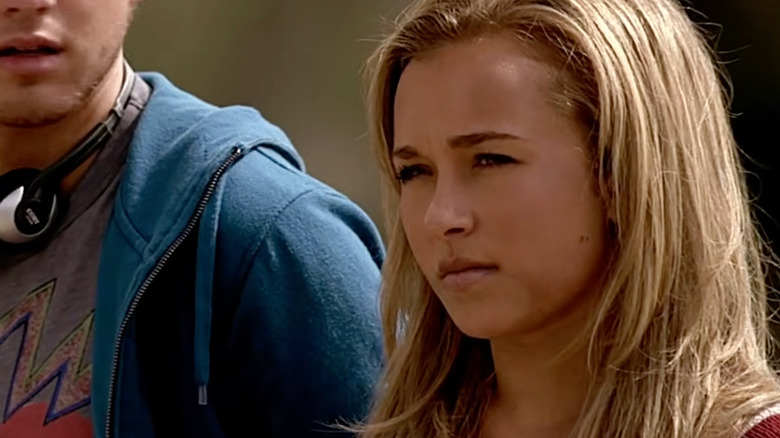
The first season remains a masterclass in pacing, character development, and stakes. Watching Claire Bennet test the limits of her mortality or seeing Hiro Nakamura embrace his potential is as satisfying today as it was nearly twenty years ago. Whether you are a fan looking to rediscover the magic or a new viewer seeking to understand the foundation of the modern genre, Heroes is a mandatory addition to your watch list.
As the industry continues to pivot, one thing remains clear: great storytelling, even when it stumbles, has a way of finding its audience again. Heroes is back, and it is ready to save the world one more time.










